Explore the Map
Farhād Tarāsh
34.3883° N, 47.4320° E
About
The Farhād Tarāsh (Persian: فرهاد تراش), or Tarāsh-e Farhād, is a long smoothed rock surface on Mount Behistun in western Iran. Located near the famous Behistun Inscription, its height is around 30 meters and its width is around 200 meters. The retaining wall in front of it is c. 150 meters. The work is registered as a national heritage in Iran, and it's the biggest work of such kind in Iran. The Farhād Tarāsh has sparked interest from medieval geographers including Istakhri (died 957) and Yaqut al-Hamawi (died 1229) to travelers and archaeologists in modern times.
Historical Timeline
Journey through time and discover key events in this site's history
Darius the Great proposal
r. 522–486 BCE
Khosrow II and Farhad tradition
r. 590–628 CE
Medieval geographers' interest
Istakhri (d. 957); Yaqut al-Hamawi (d. 1229)
Nezami composes Khosrow and Shirin
c. 1180
Miniature depiction
c. 1575
Early 19th century hypothesis
early 19th century
Early 20th century scholarship
early 20th century
Salzmann fieldwork
1970s
Archaeological Features
Unique architectural and cultural elements found at this historical site
Water Management Features
Public and Civic Structures
Religious and Ritual Structures
Artistic and Decorative Features
Environmental and Natural Features
Frequently Asked Questions
Plan Your Visit
Tours, travel arrangements, and practical information
More Sites in Iran
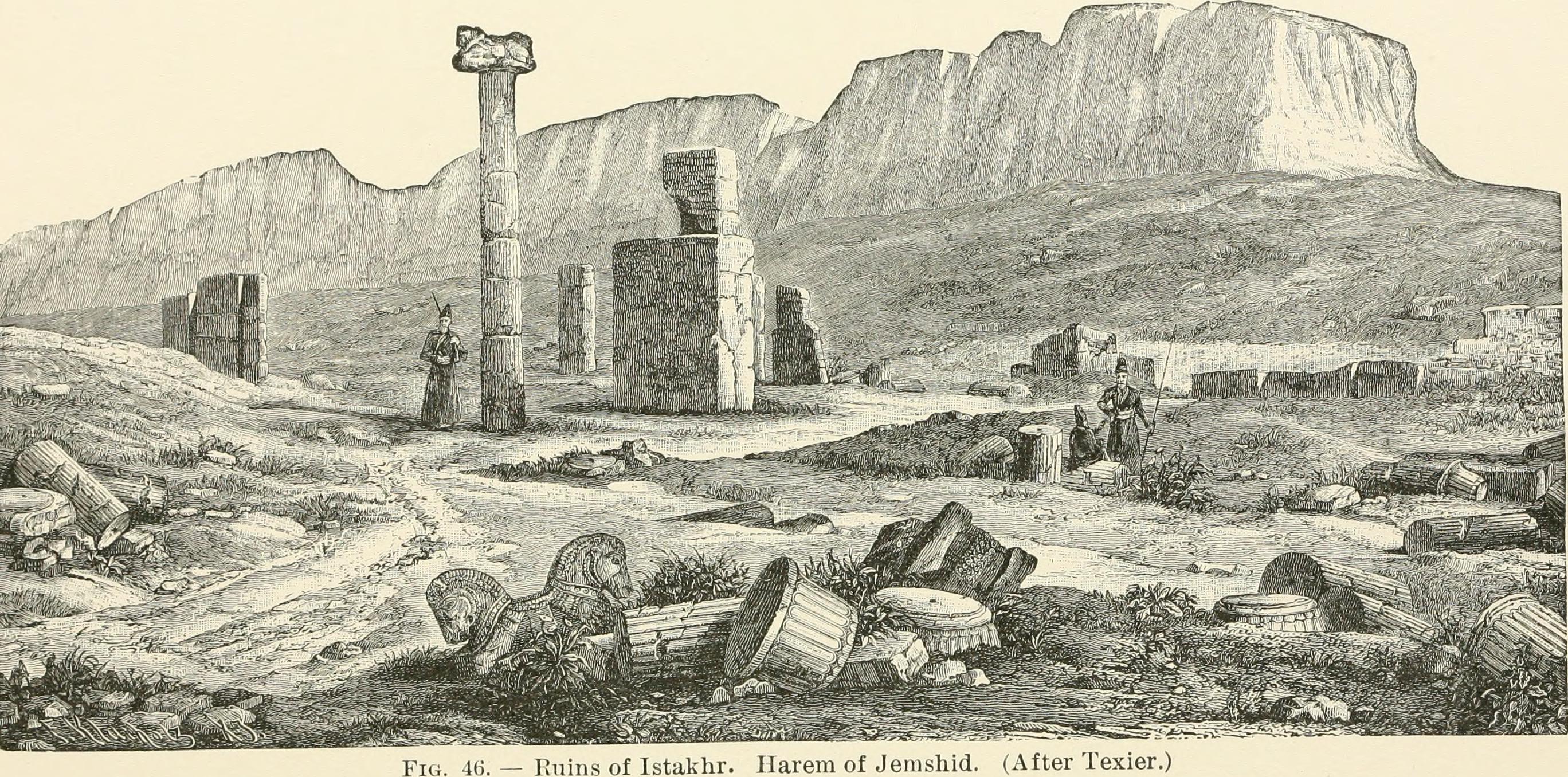
Istakhr
Ancient city with religious and defensive structures.
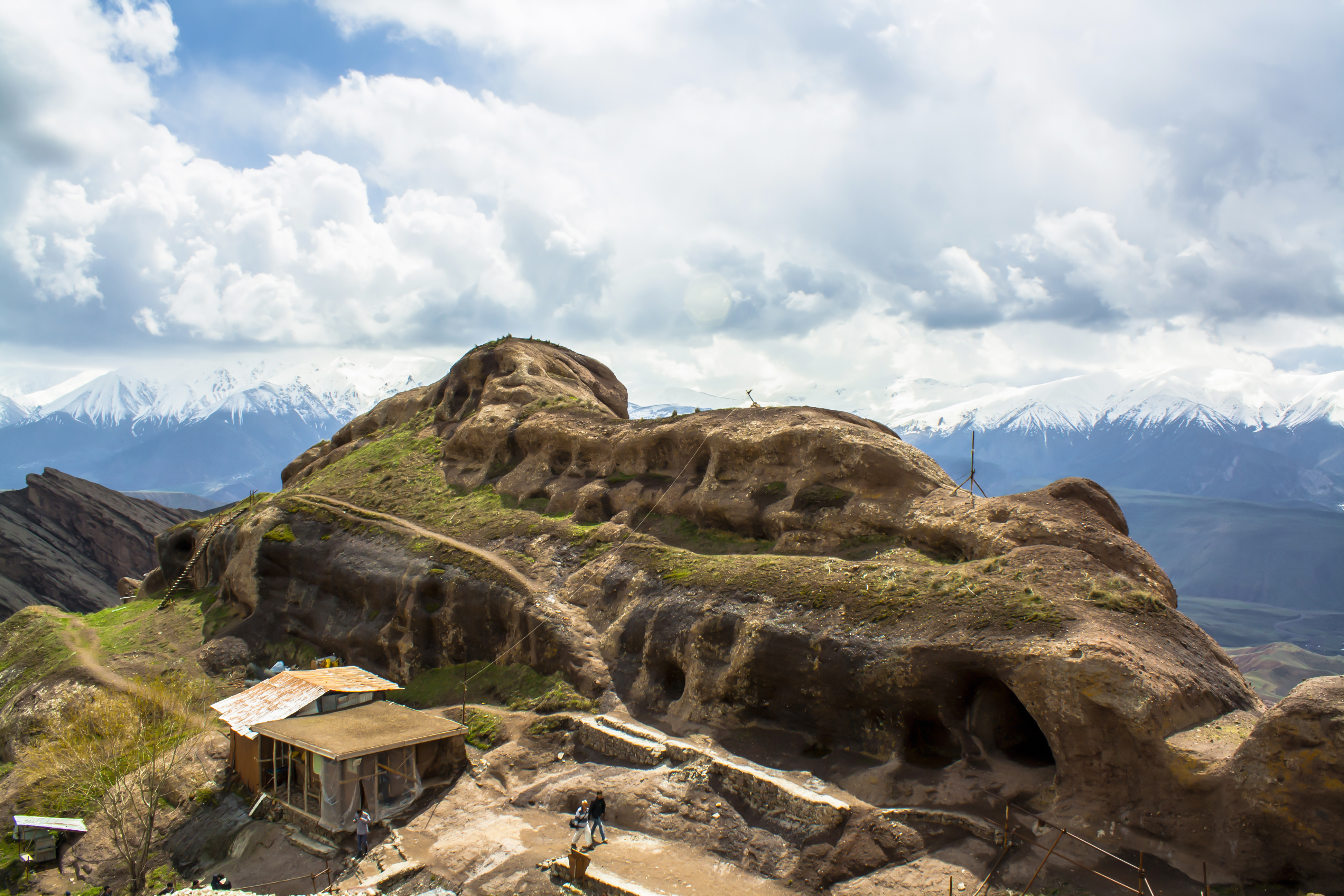
Mount Khajeh
Flat-topped basalt hill with ancient ruins
Tappeh Berdankan
Sasanian site with diverse pottery artifacts.
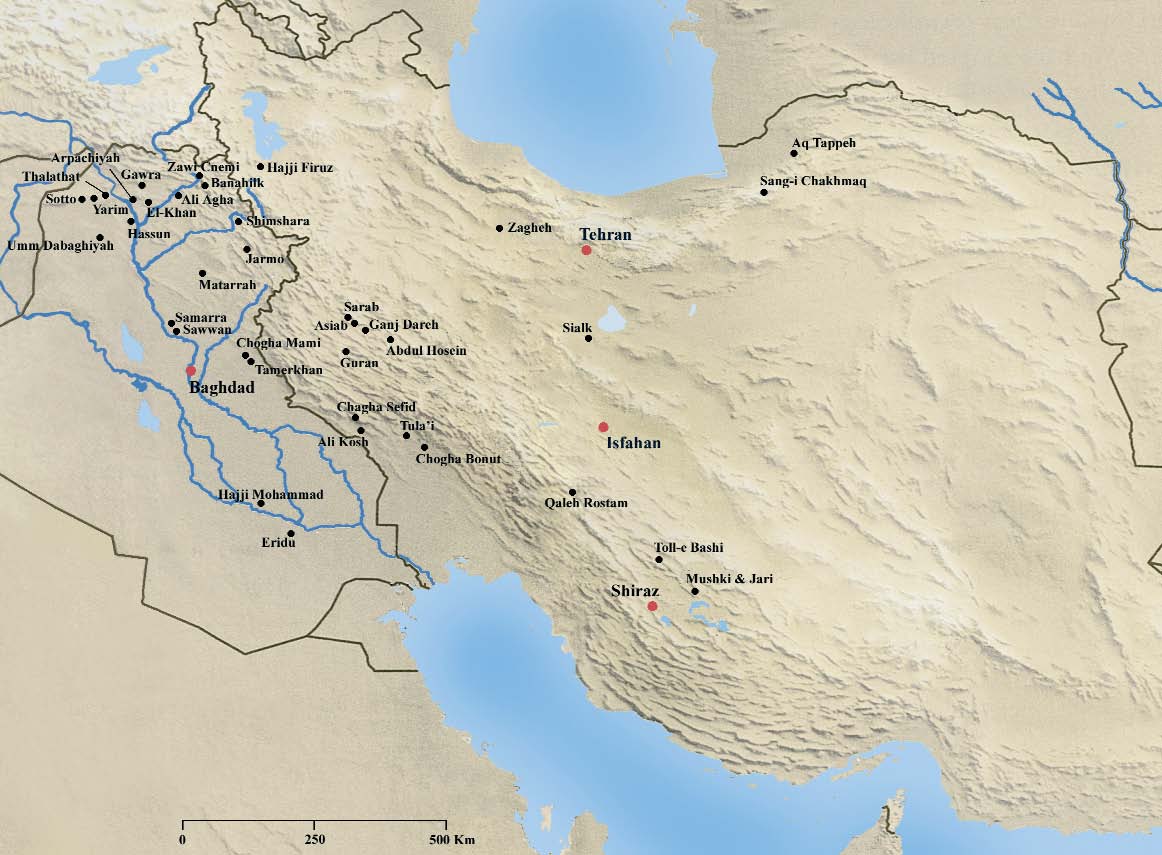
Wezmeh
Pleistocene cave site in western Iran
Chia Jani
Neolithic site with obsidian bladelets.
Chogha Golan
Aceramic Neolithic site with cultural deposits