
Gonbad-e Qābus
<p>The 53 m high tomb built in ad 1006 for Qābus Ibn Voshmgir, Ziyarid ruler and literati, near the ruins of the ancient city of Jorjan in north-east…
Explore the Map
Gonbad-e Qābus
37.2580° N, 55.1690° E
About
<p>The 53 m high tomb built in ad 1006 for Qābus Ibn Voshmgir, Ziyarid ruler and literati, near the ruins of the ancient city of Jorjan in north-east Iran, bears testimony to the cultural exchange between Central Asian nomads and the ancient civilization of Iran. The tower is the only remaining evidence of Jorjan, a former centre of arts and science that was destroyed during the Mongols’ invasion in the 14th and 15th centuries. It is an outstanding and technologically innovative example of Islamic architecture that influenced sacral building in Iran, Anatolia and Central Asia. Built of un
Plan Your Visit
Tours, travel arrangements, and practical information
Details
Iran
37.26° N, 55.17° E
More Sites in Iran
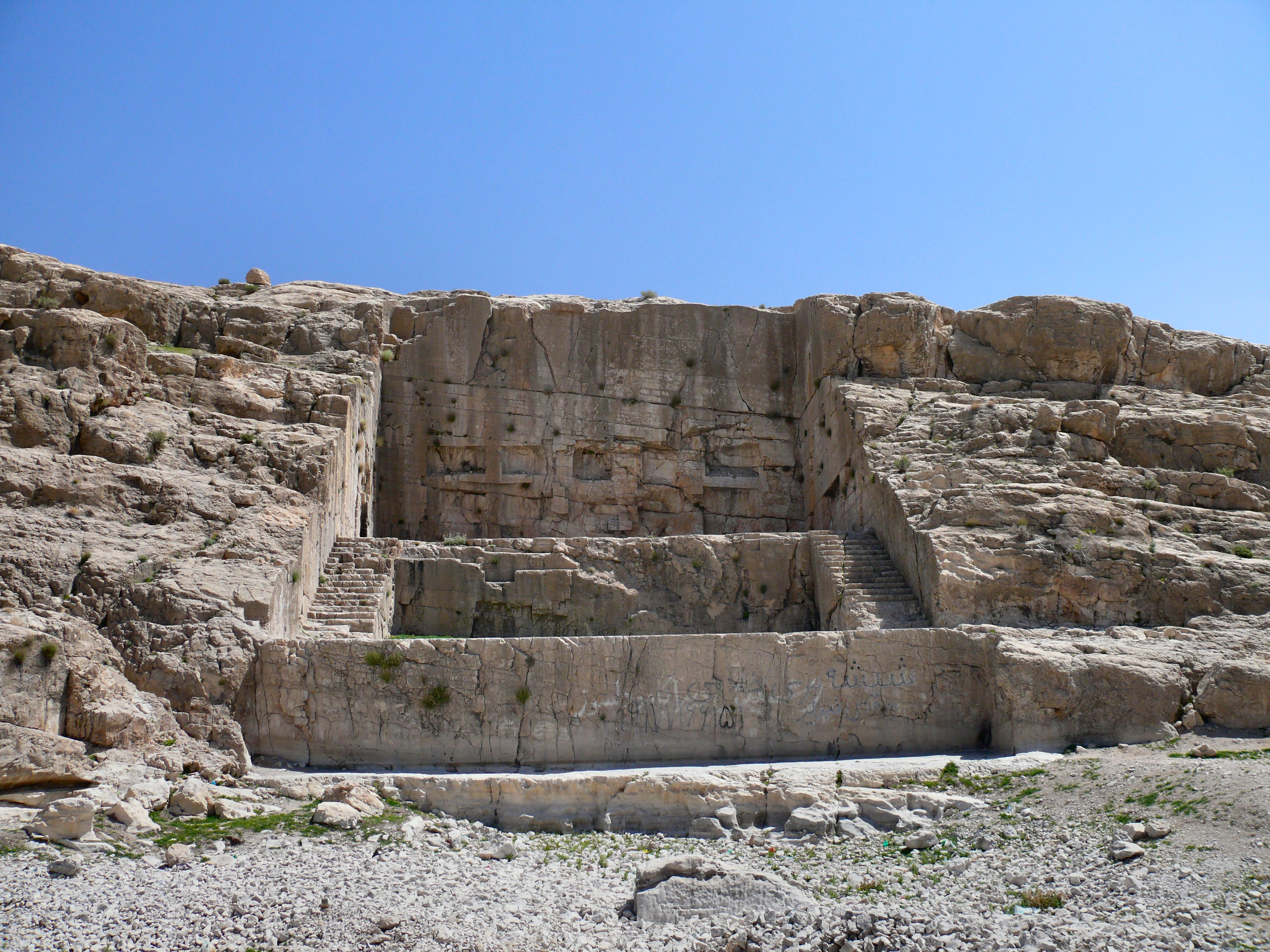
Qadamgah (ancient site)
Achaemenid rock-cut monument with terraces
Tappeh Berdankan
Sasanian site with diverse pottery artifacts.
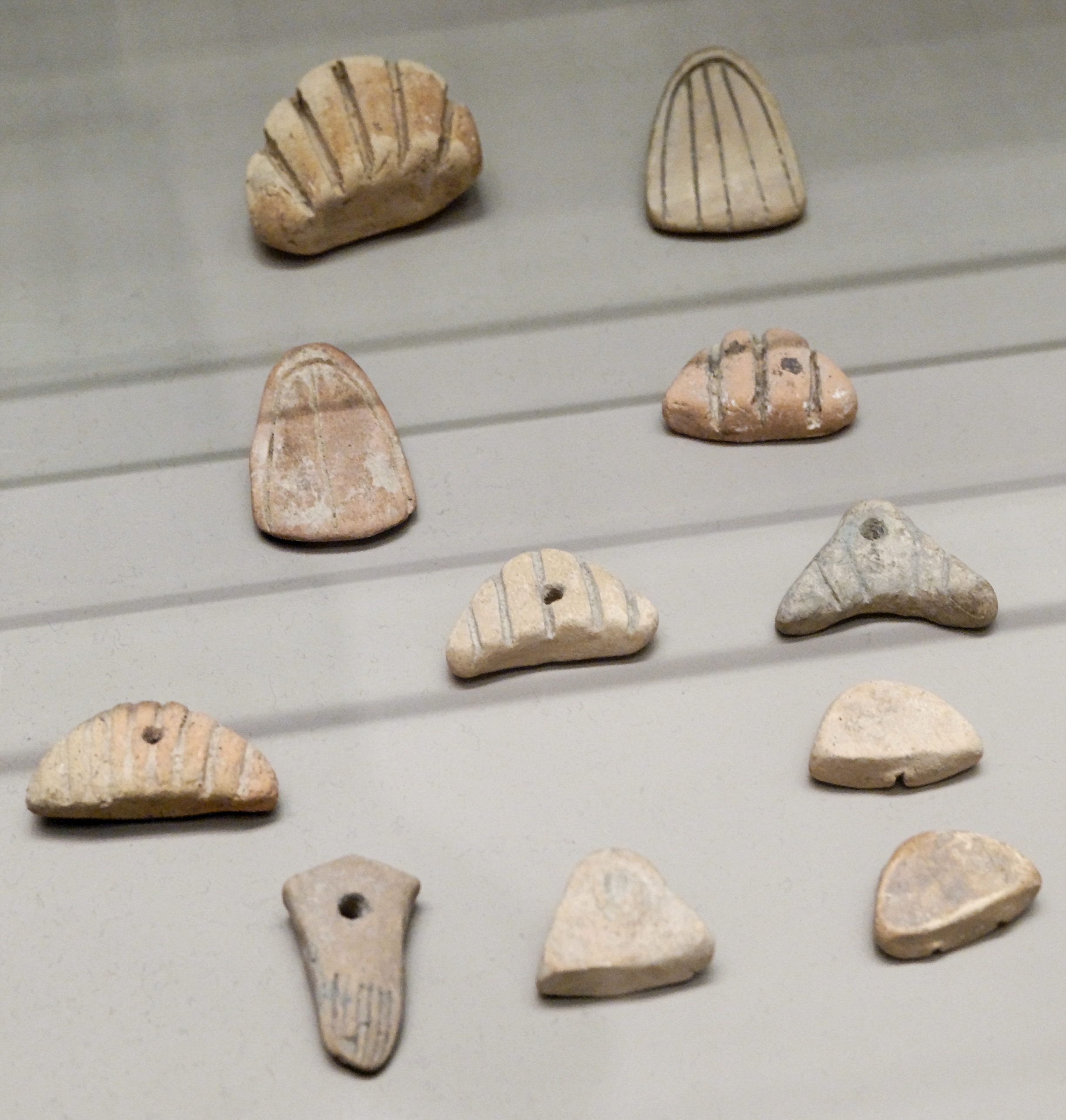
Tepe Sofalin
Ancient mound with Proto-Elamite artifacts
Chogha Bonut
Oldest lowland village in southwestern Iran.
Qaleh Kurd
Prehistoric cave site with human activity evidence
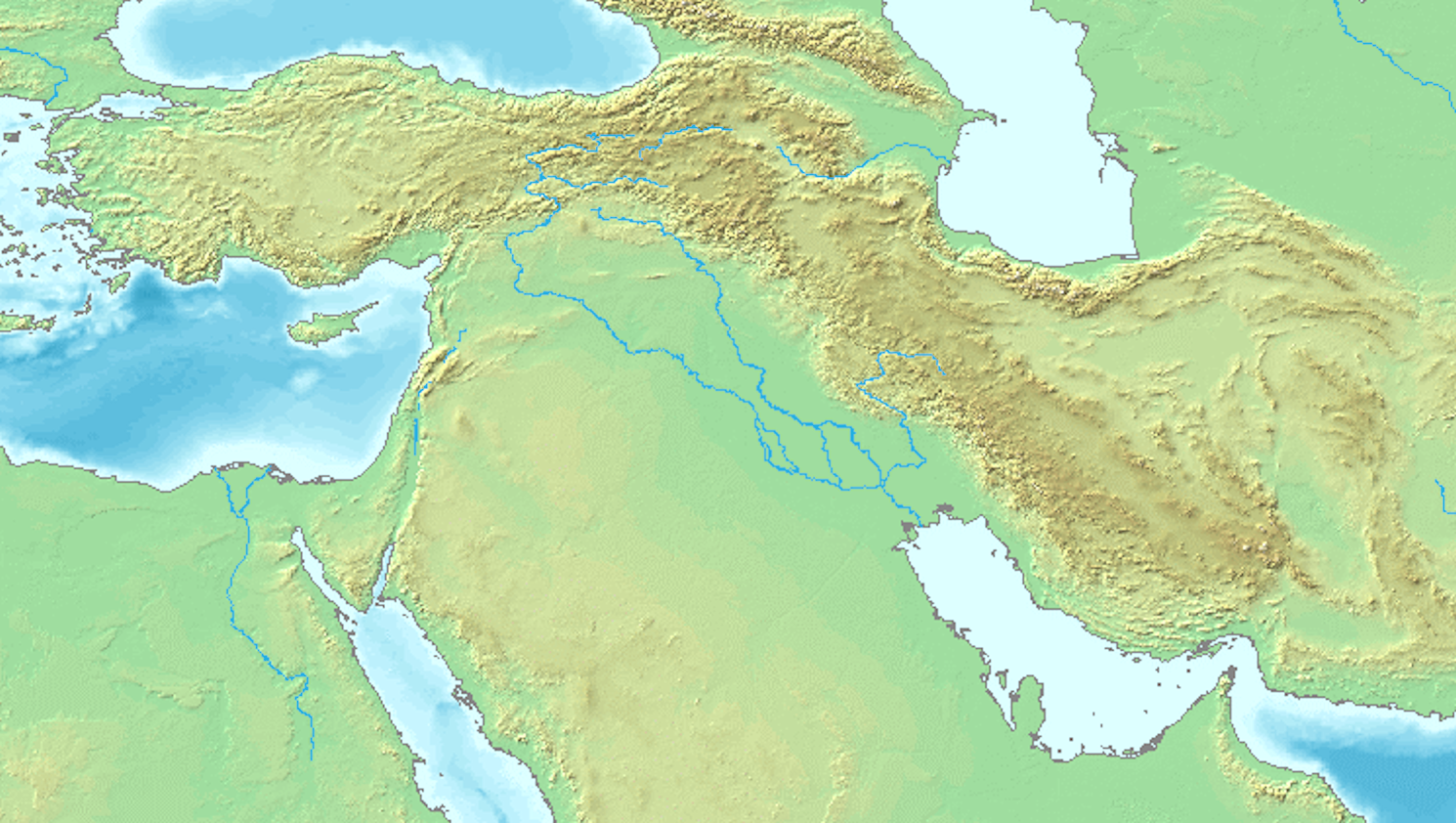
Teppe Zagheh
Early urban settlement with painted buildings.