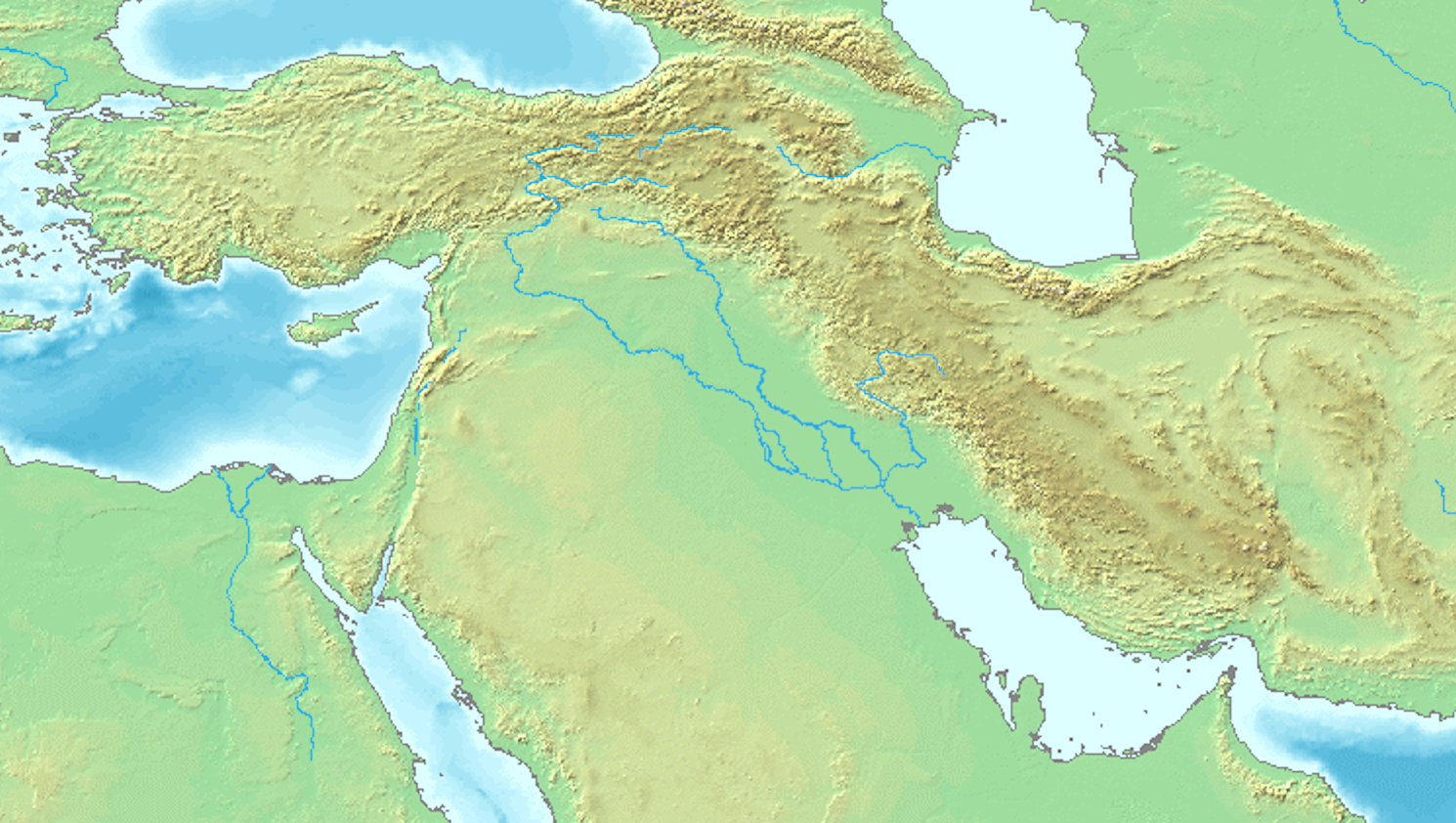
Explore the Map
Hajji Firuz Tepe
36.9944° N, 45.4744° E
About
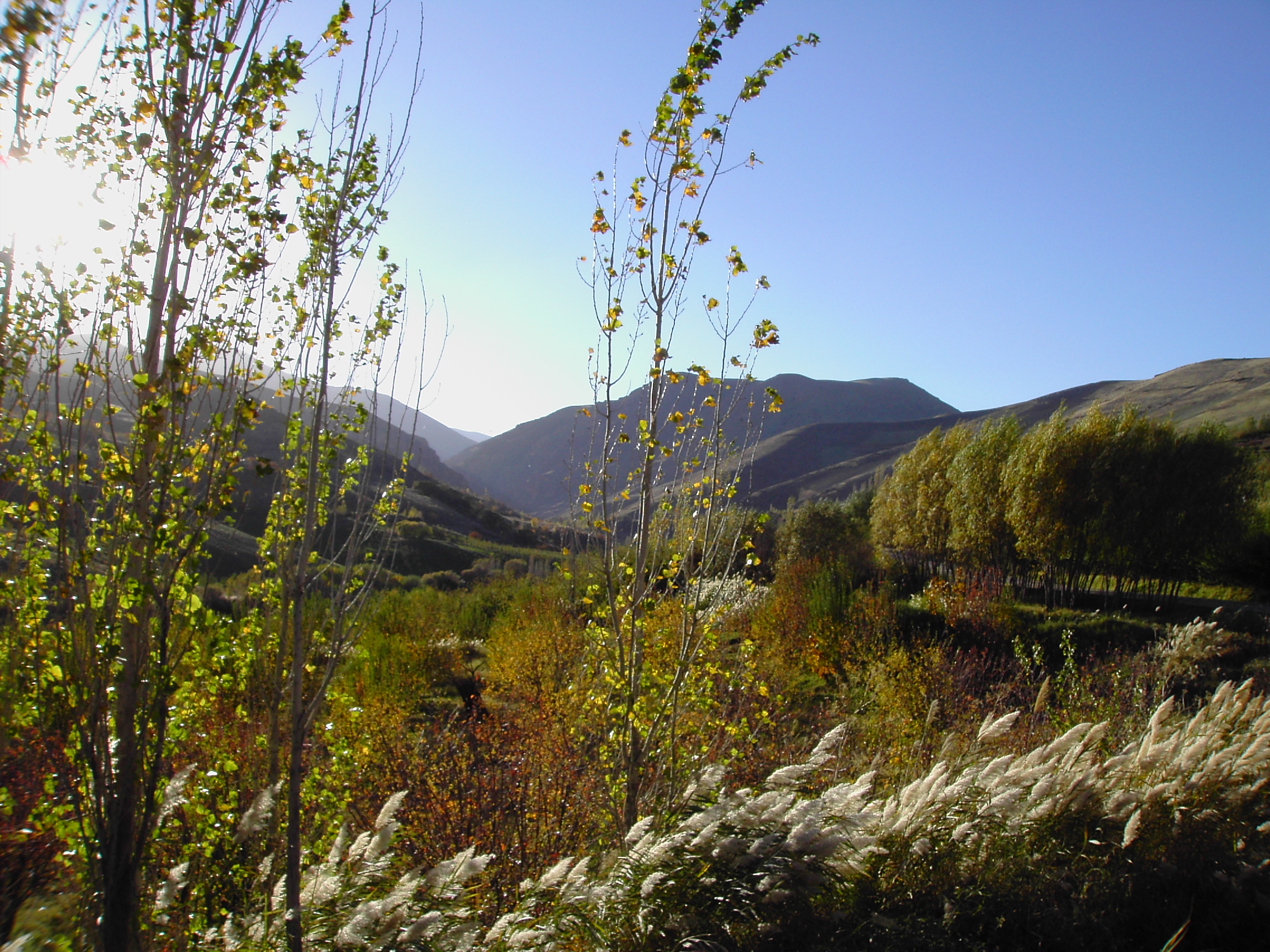
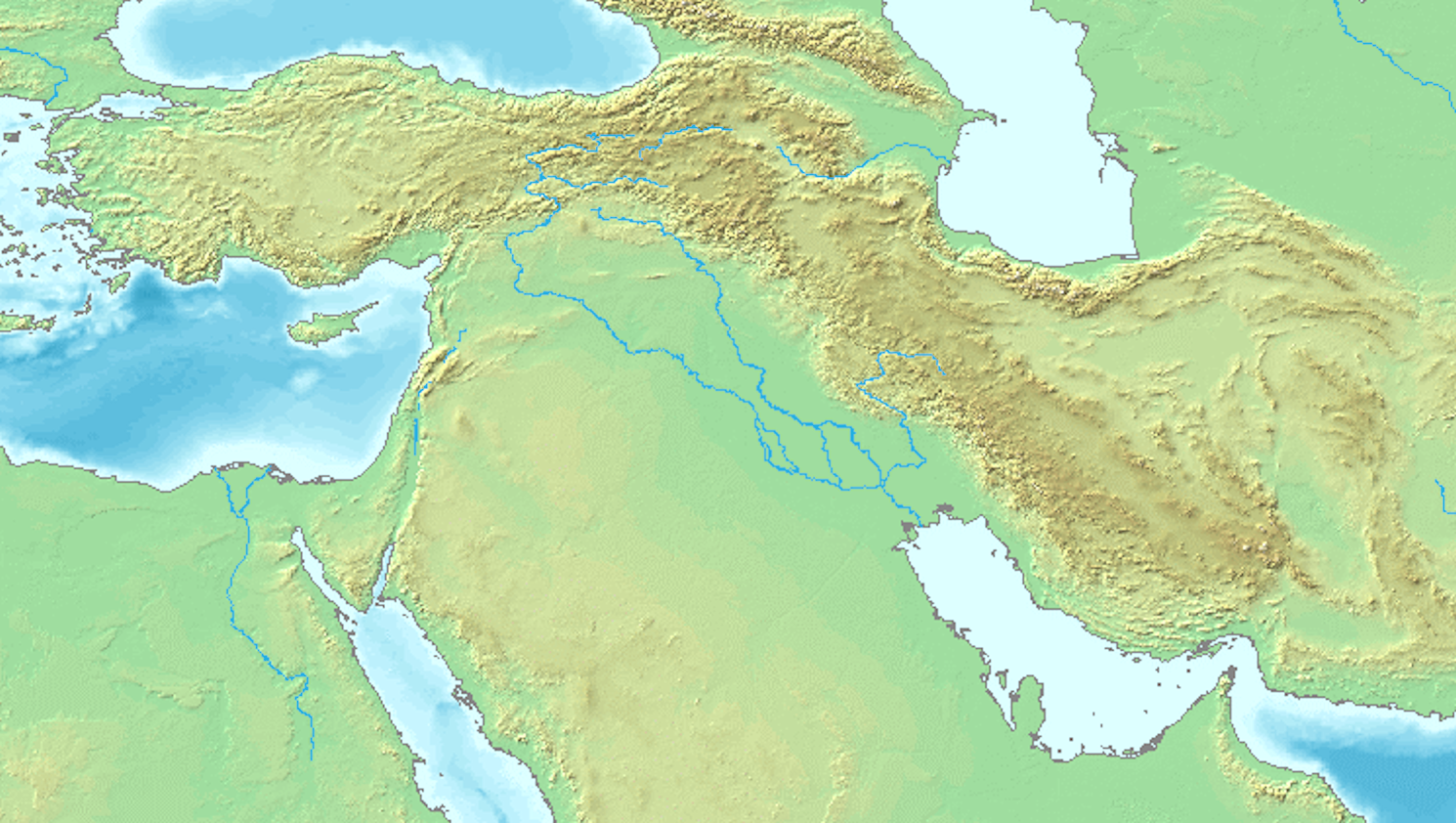
Hajji Firuz Tepe, located in the Zagros Mountains' Gadar River valley of northwest Iran, is a significant archaeological site that unveiled a Neolithic village occupied during the second half of the sixth millennium BCE. The site is renowned for providing some of the earliest evidence of grape-based winemaking, with the discovery of tartaric acid residues in pottery jars dating from 5400 to 5000 BCE. These findings suggest organized winemaking practices, possibly utilizing wild grapes from the region. The site also displays a sequence of occupations, including evidence from the Chalcolithic, Late Bronze Age, Early Iron Age, and Islamic periods, highlighting its long-term habitation and cultural evolution. The archaeological significance of Hajji Firuz Tepe lies in its contribution to understanding early subsistence strategies and the development of viticulture.
Gallery
Explore photographs of ancient structures, artifacts, and archaeological excavations
Historical Timeline
Journey through time and discover key events in this site's history
Dalma Tradition
5000–4500 BCE
Hajji Firuz Winemaking
5400–5000 BCE
Neolithic Occupation
6000–5400 BCE
Archaeological Features
Unique architectural and cultural elements found at this historical site
Storage Structures
Domestic and Habitation Structures
Food Production and Processing Features
Frequently Asked Questions
Plan Your Visit
Tours, travel arrangements, and practical information
More Sites in Iran
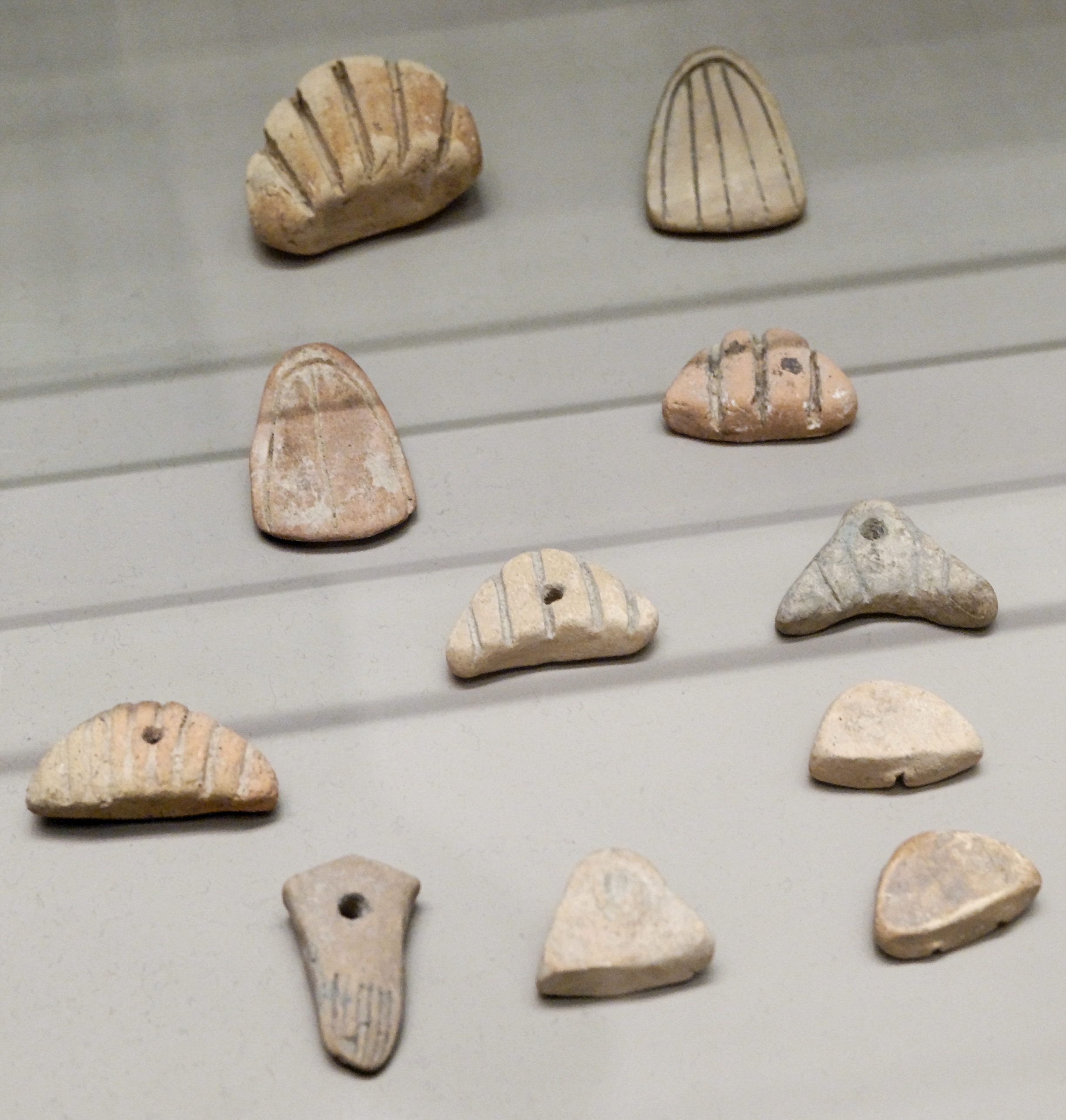
Tepe Sofalin
Ancient mound with Proto-Elamite artifacts
Tappeh Berdankan
Sasanian site with diverse pottery artifacts.
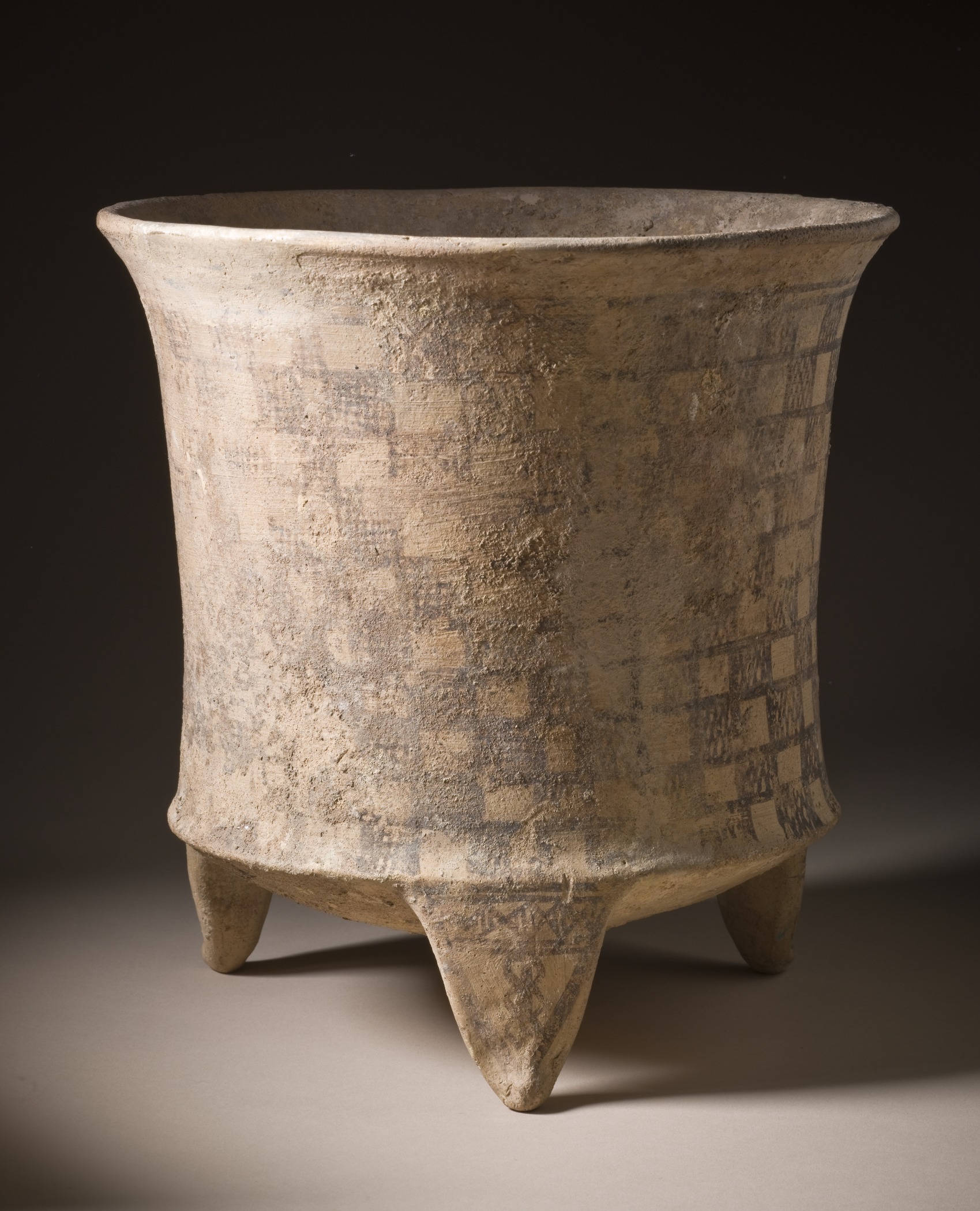
Tepe Giyan
Necropolis with distinctive pottery in Iran.
Teppe Zagheh
Early urban settlement with painted buildings.
Rahmatabad Mound
Ancient Chalcolithic settlement with industrial features
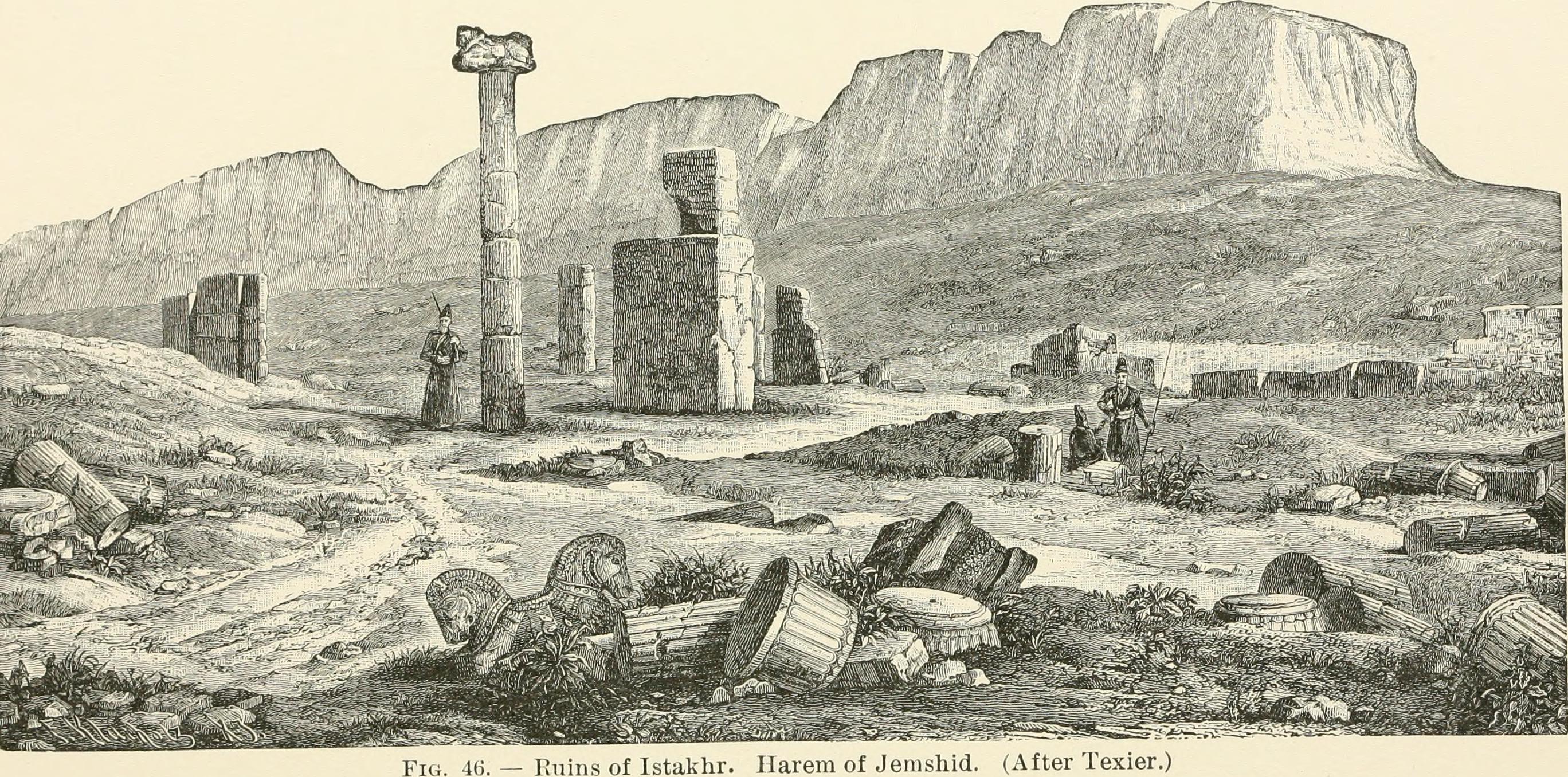
Istakhr
Ancient city with religious and defensive structures.