Time Periods
Paleolithic
Mesolithic
Neolithic
Chalcolithic
Bronze Age
Iron Age
Classical Period
Post-Classical Period
Early Modern Period
Industrial Period
Contemporary Period
Time Periods
Paleolithic
Mesolithic
Neolithic
Chalcolithic
Bronze Age
Iron Age
Classical Period
Post-Classical Period
Early Modern Period
Industrial Period
Contemporary Period
Location
About
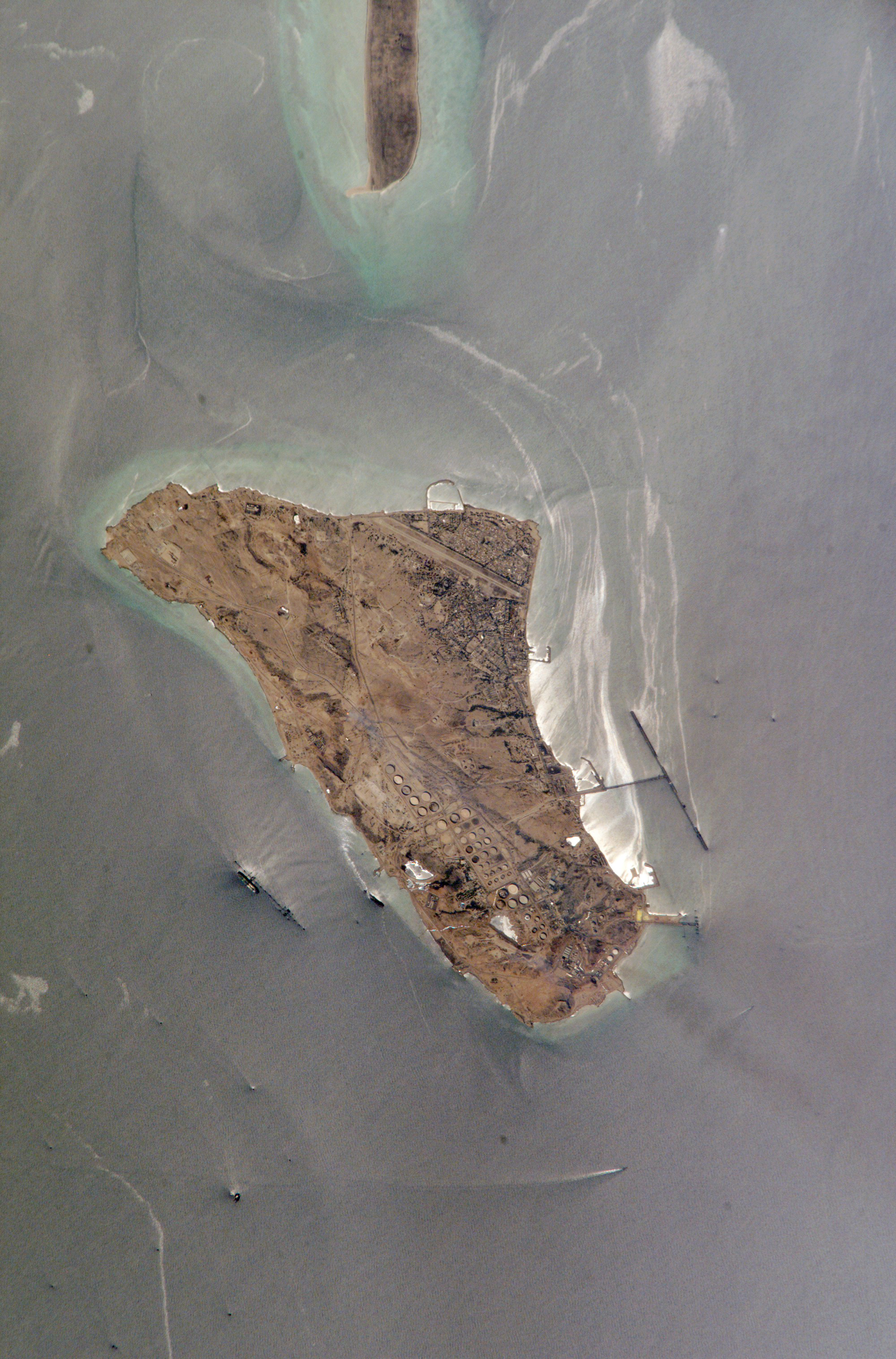
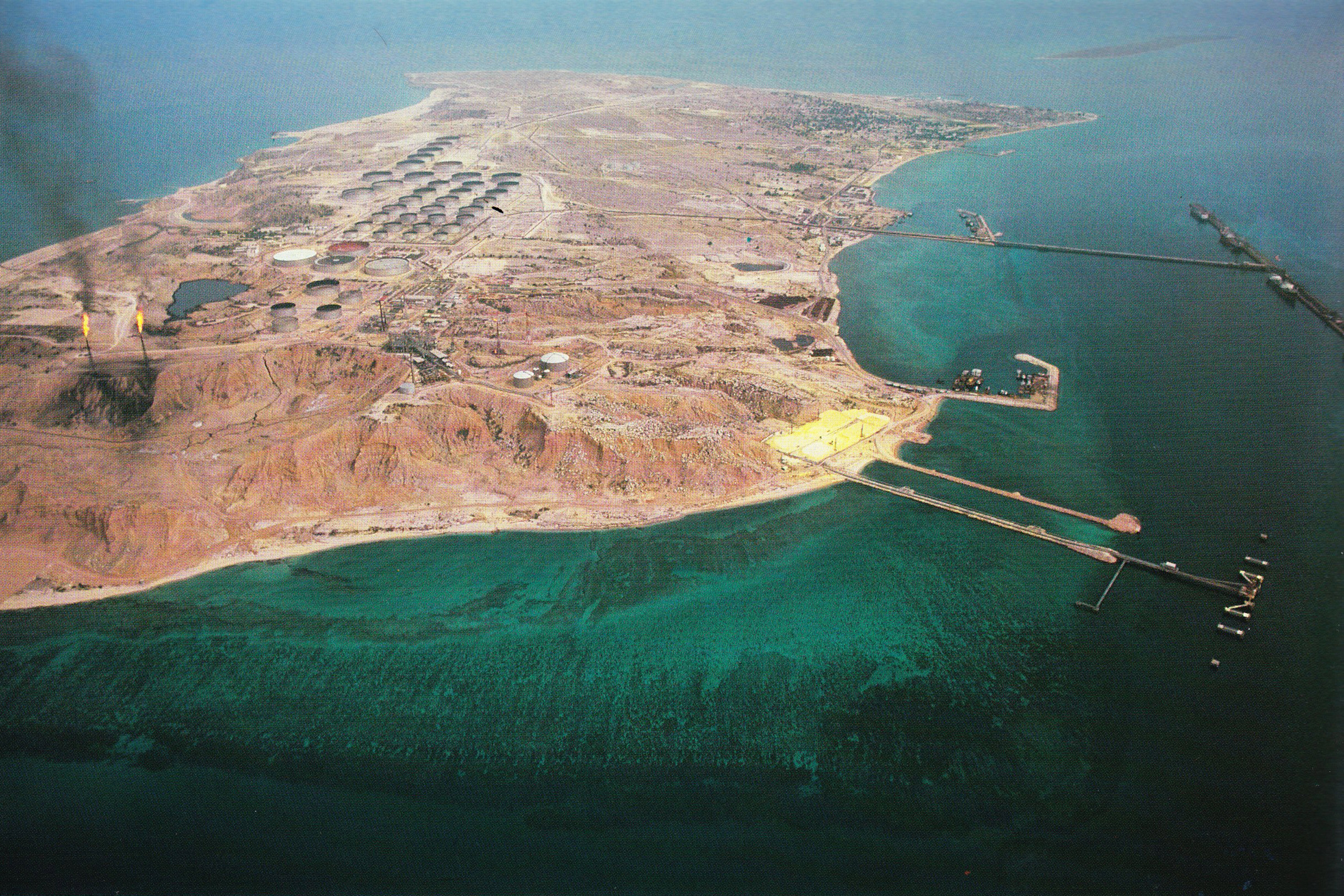
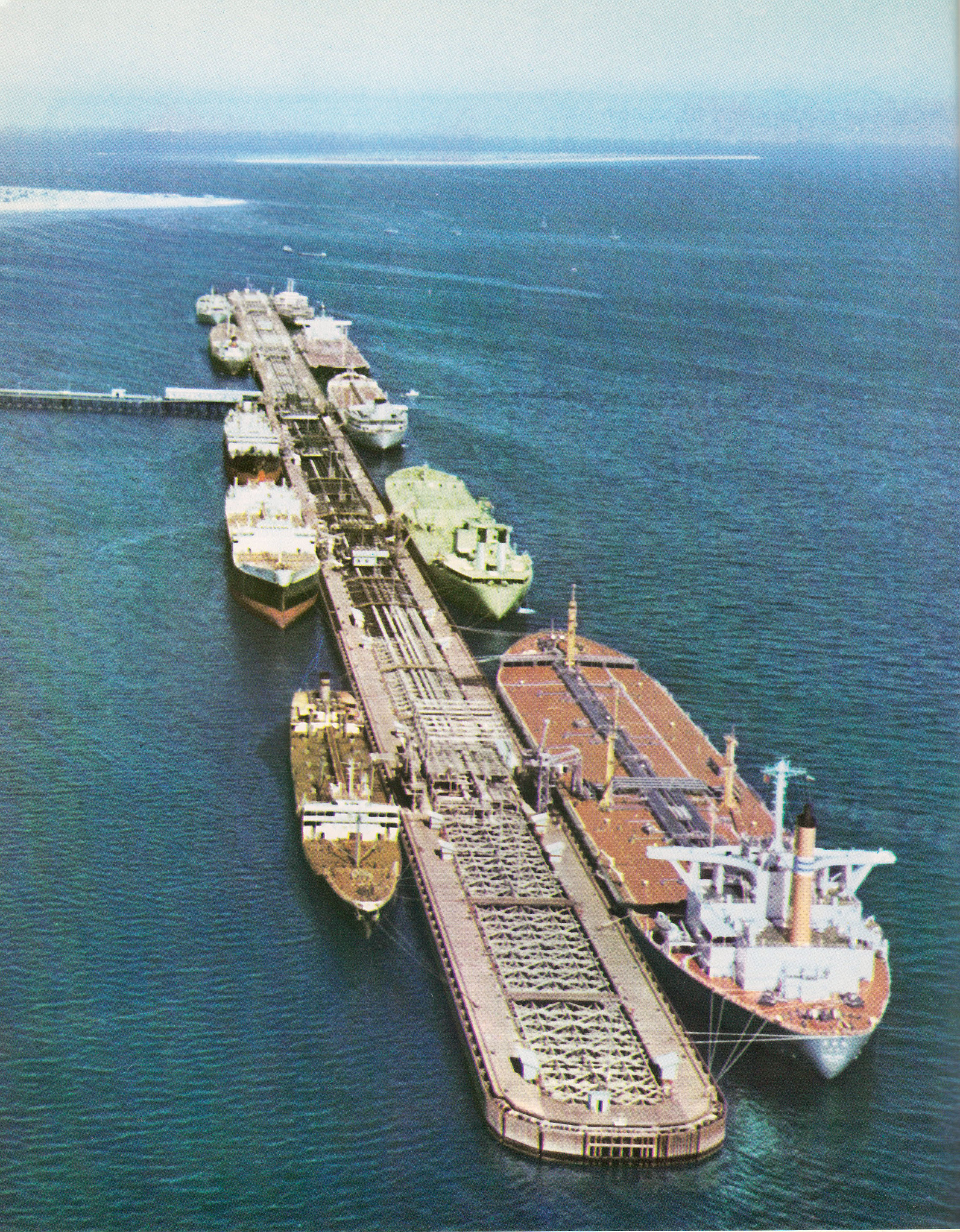
Kharg Island, located in the Persian Gulf, is a site of significant archaeological interest due to its diverse historical features. The island is renowned for its rock-cut tombs, which exhibit architectural styles reminiscent of the Nabataeans and Palmyrenes, and a unique relief of a reclining man in the Seleucid and Parthian styles. Additional archaeological features include a stone temple with a fire altar and an expansive Christian church complex, suggesting varied religious and cultural influences over time. The presence of an Achaemenid-era cuneiform inscription hints at Persian colonization, possibly linked to the island's ancient irrigation systems. Kharg Island's strategic location has influenced its historical significance, evidenced by its role in trade and military occupations, and its crucial position in the Persian Gulf oil fields. Despite modern damage, the site offers valuable insights into the region's historical and cultural dynamics.
Gallery
Explore photographs of ancient structures, artifacts, and archaeological excavations at Kharg Island
Archaeological Features
Explore the unique architectural and cultural elements found at this historical site
Water Management Features
Burial and Funerary Structures
Religious and Ritual Structures
Artistic and Decorative Features
Historical Timeline
Journey through time and discover key events in this site's archaeological history
Plan Your Visit
Details
- Country
- Iran
- Source
- Wikipedia
More Sites in Iran
Sari, Iran
Ancient city with rich archaeological history
Istakhr
Ancient city with religious and defensive structures.
Teppe Hasanlu
Ancient city with well-preserved ruins
Great Wall of Gorgan
Sasanian-era defensive wall in Iran

Aamaj Castle
Trench-enclosed fortified structure on a hill.
Rab'-e Rashidi
Ruined 14th-century academic complex in Tabriz