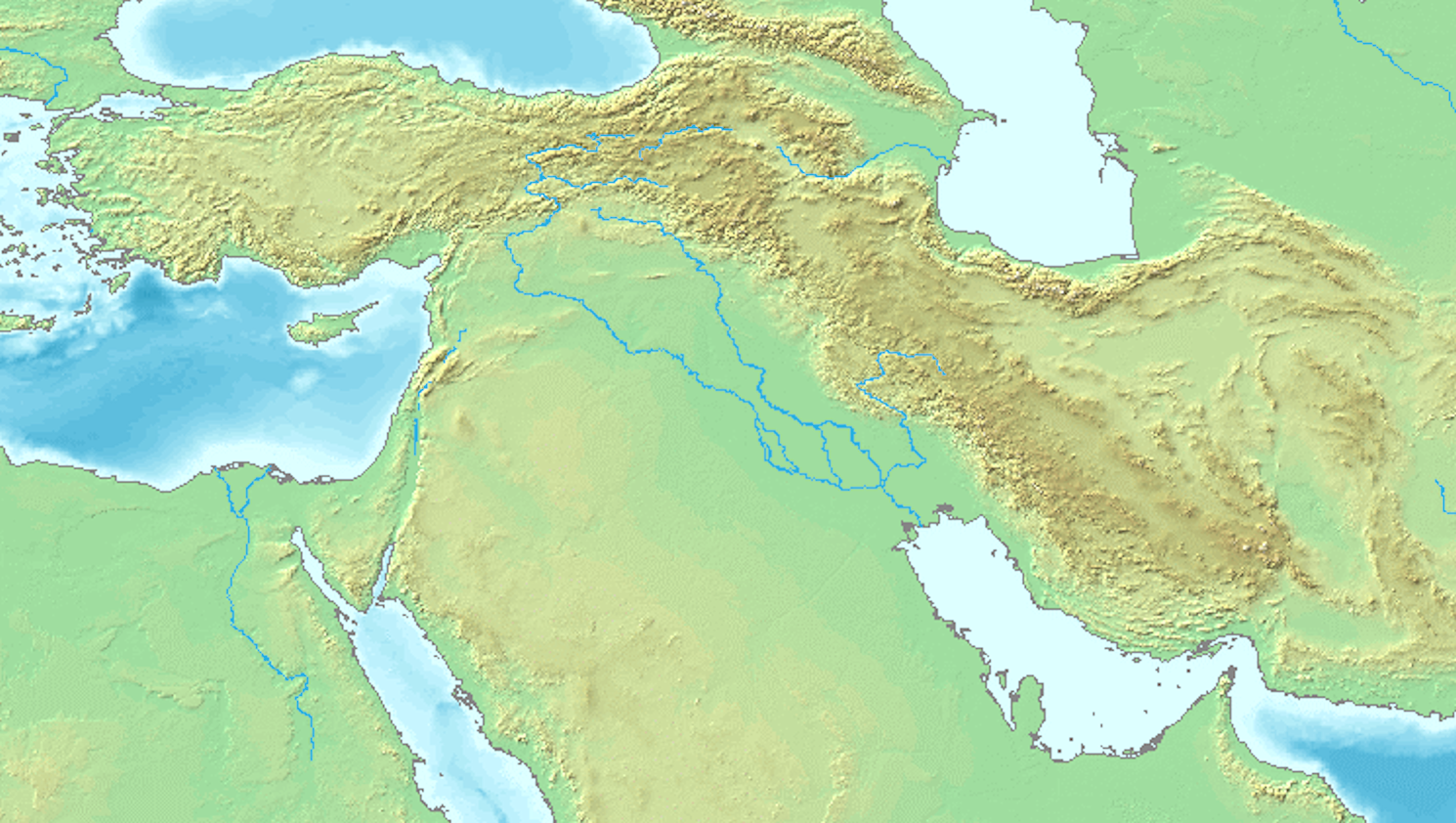
Explore the Map
Kul Tepe Jolfa
38.8380° N, 45.6580° E
About
Kul Tepe Jolfa is a significant archaeological site in Iran, reflecting a rich tapestry of cultural phases spanning from the Chalcolithic to the Iron Age. The site, a 6-hectare multi-period tell, stands 19 meters high and has yielded artifacts from the Dalma culture period, the Kura-Araxes culture, and later Urartian and Achaemenid influences. Located close to the Araxes River, Kul Tepe lies at a cultural crossroads, with pottery sherds and other materials illustrating the site's role in regional trade and cultural exchanges. The presence of chaff-faced pottery and Urmia ware highlights the site's importance in understanding prehistoric and ancient ceramic traditions. The site's varied occupation phases make it a valuable source for studying the development of early civilizations in northwestern Iran and the broader Middle Eastern region.
Gallery
Explore photographs of ancient structures, artifacts, and archaeological excavations
Historical Timeline
Journey through time and discover key events in this site's history
Early Kura-Araxes Culture
3500 BCE
Iron Age
1200–600 BCE
Middle Bronze Age
2100–1600 BCE
Chalcolithic Occupation
5000–4500 BCE
Archaeological Features
Unique architectural and cultural elements found at this historical site
Burial and Funerary Structures
Industrial and Craft Structures
Environmental and Natural Features
Frequently Asked Questions
Plan Your Visit
Tours, travel arrangements, and practical information
More Sites in Iran
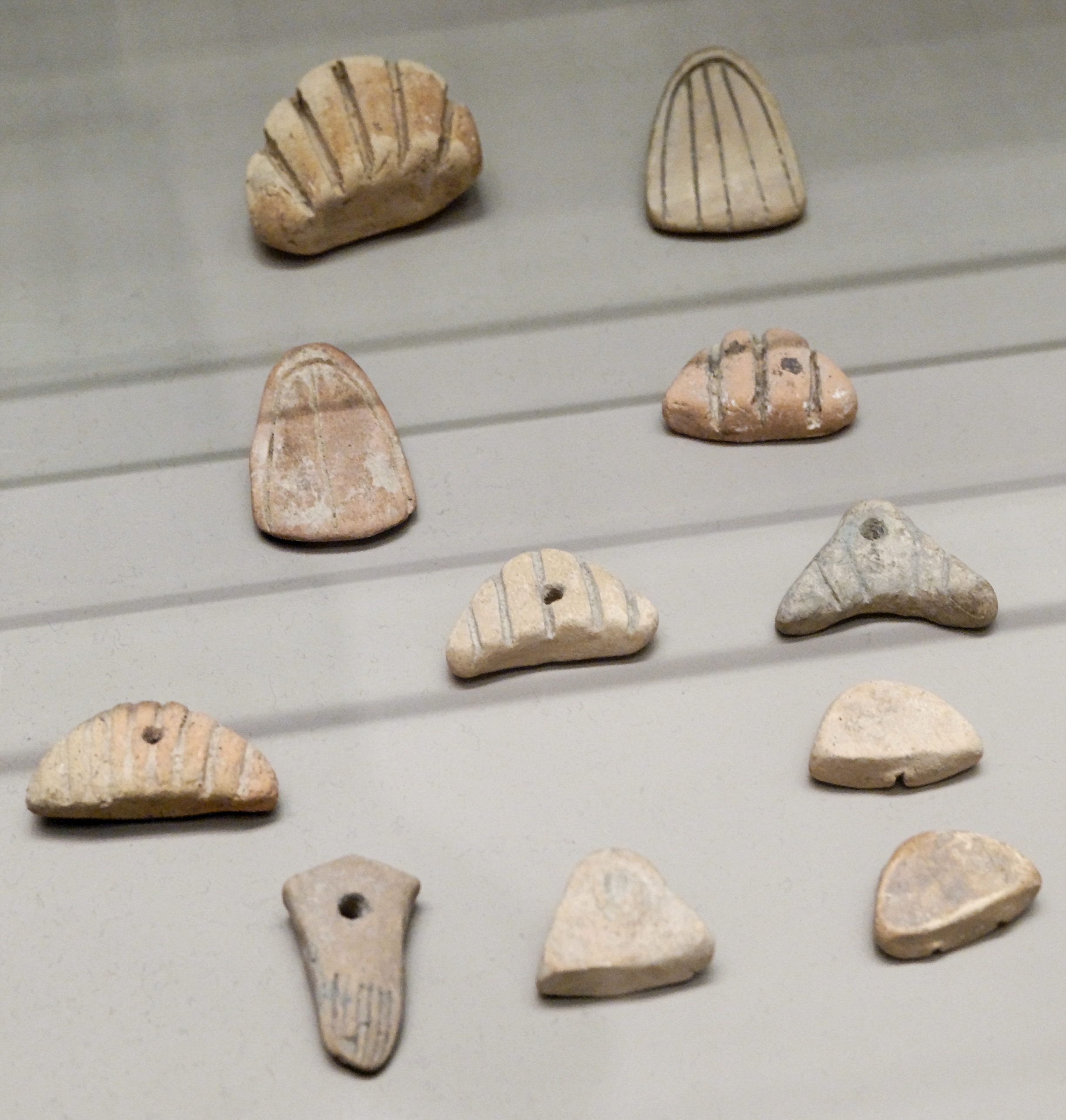
Tepe Sofalin
Ancient mound with Proto-Elamite artifacts
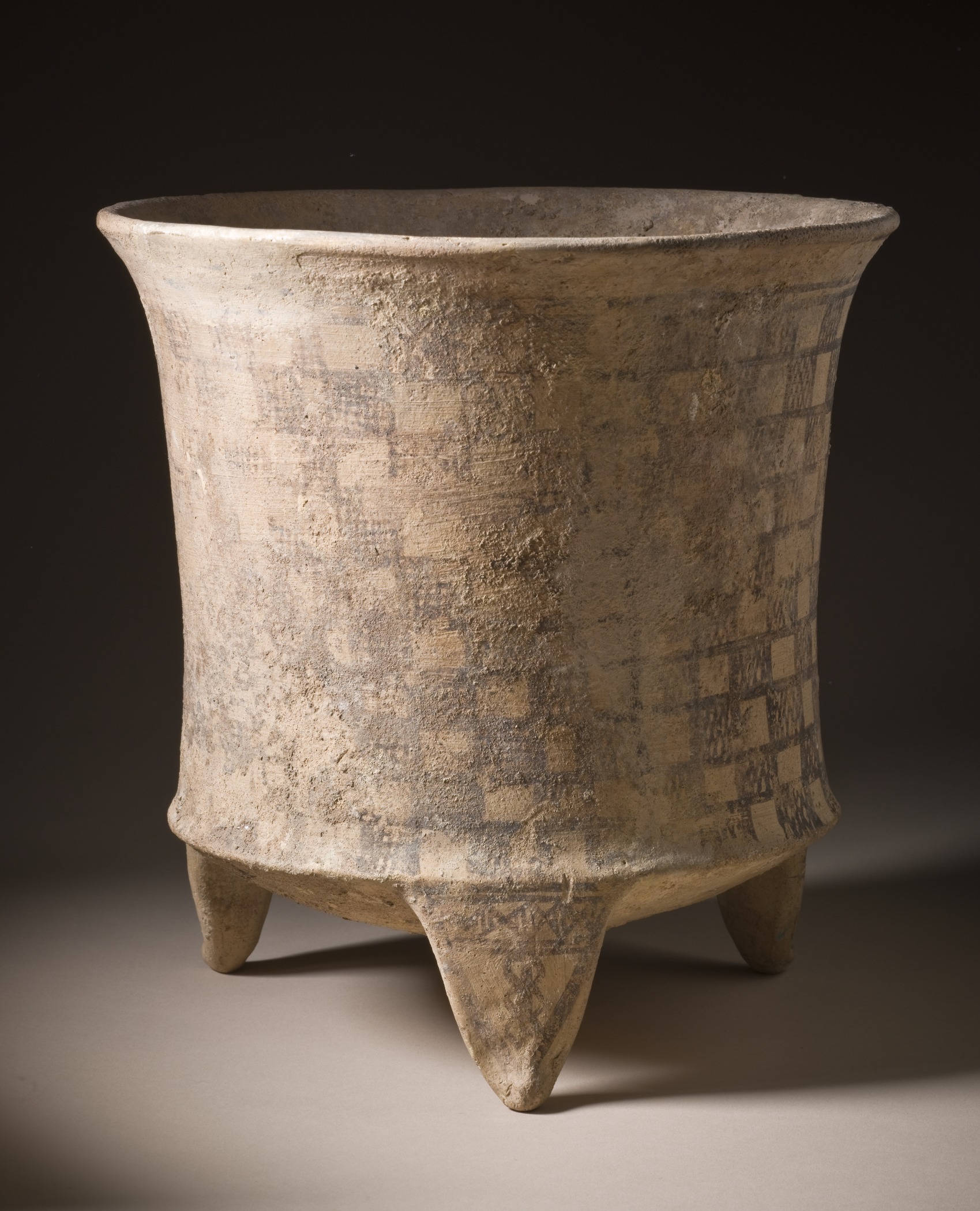
Tepe Giyan
Necropolis with distinctive pottery in Iran.
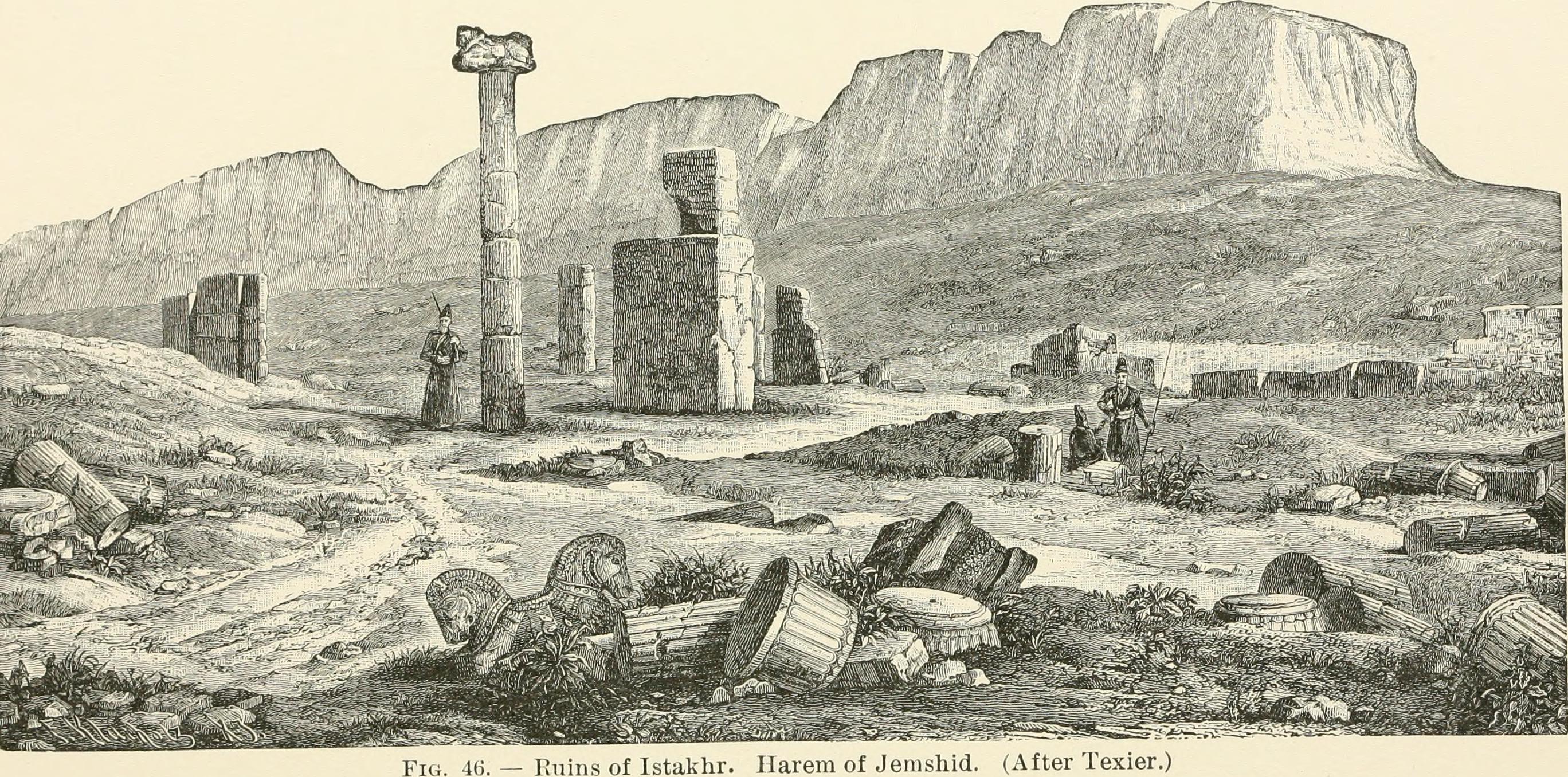
Istakhr
Ancient city with religious and defensive structures.
Tepe Hissar
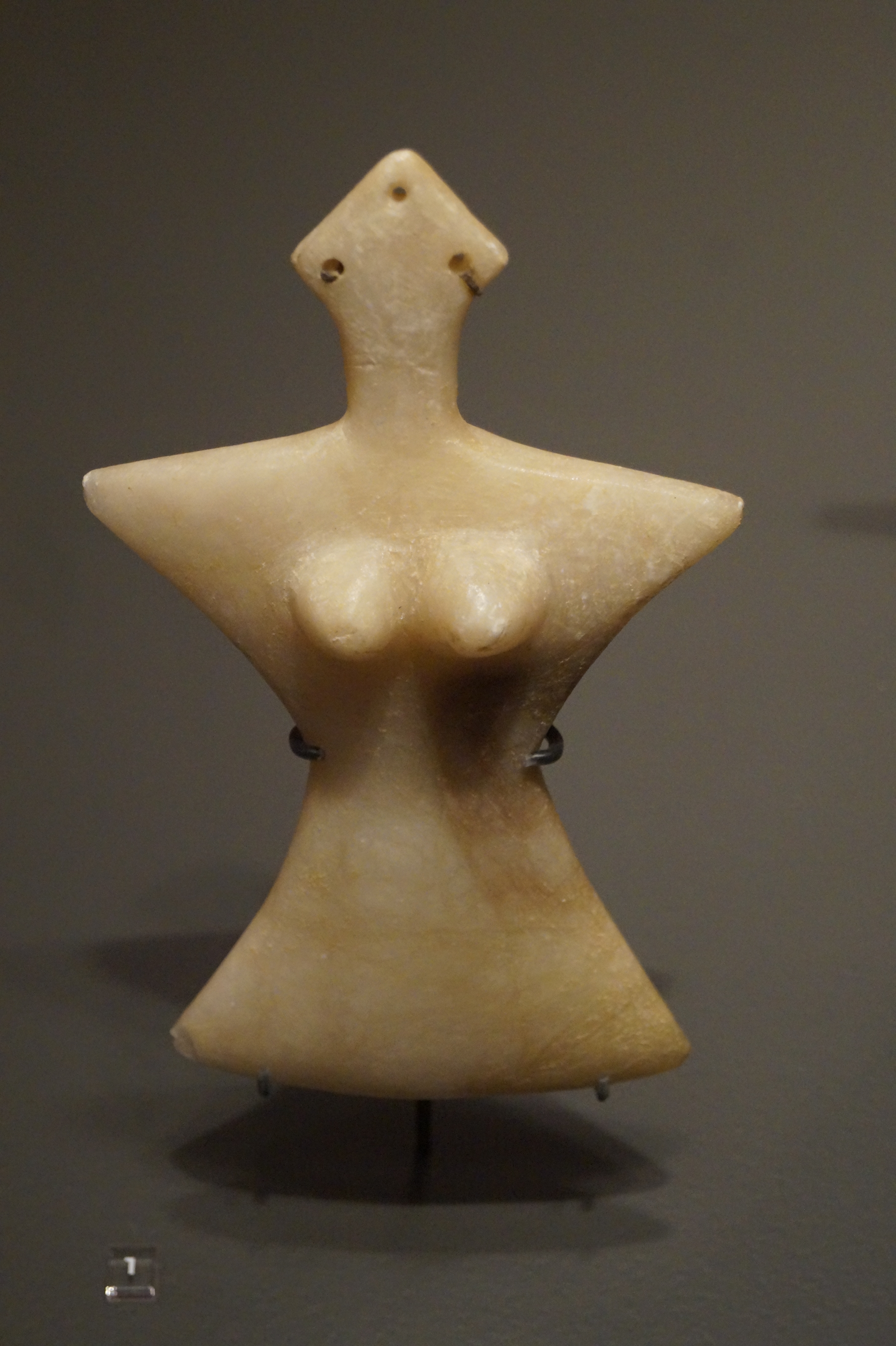
Prehistoric site with rich cultural artifacts
Tappeh Berdankan
Sasanian site with diverse pottery artifacts.
Mount Khajeh
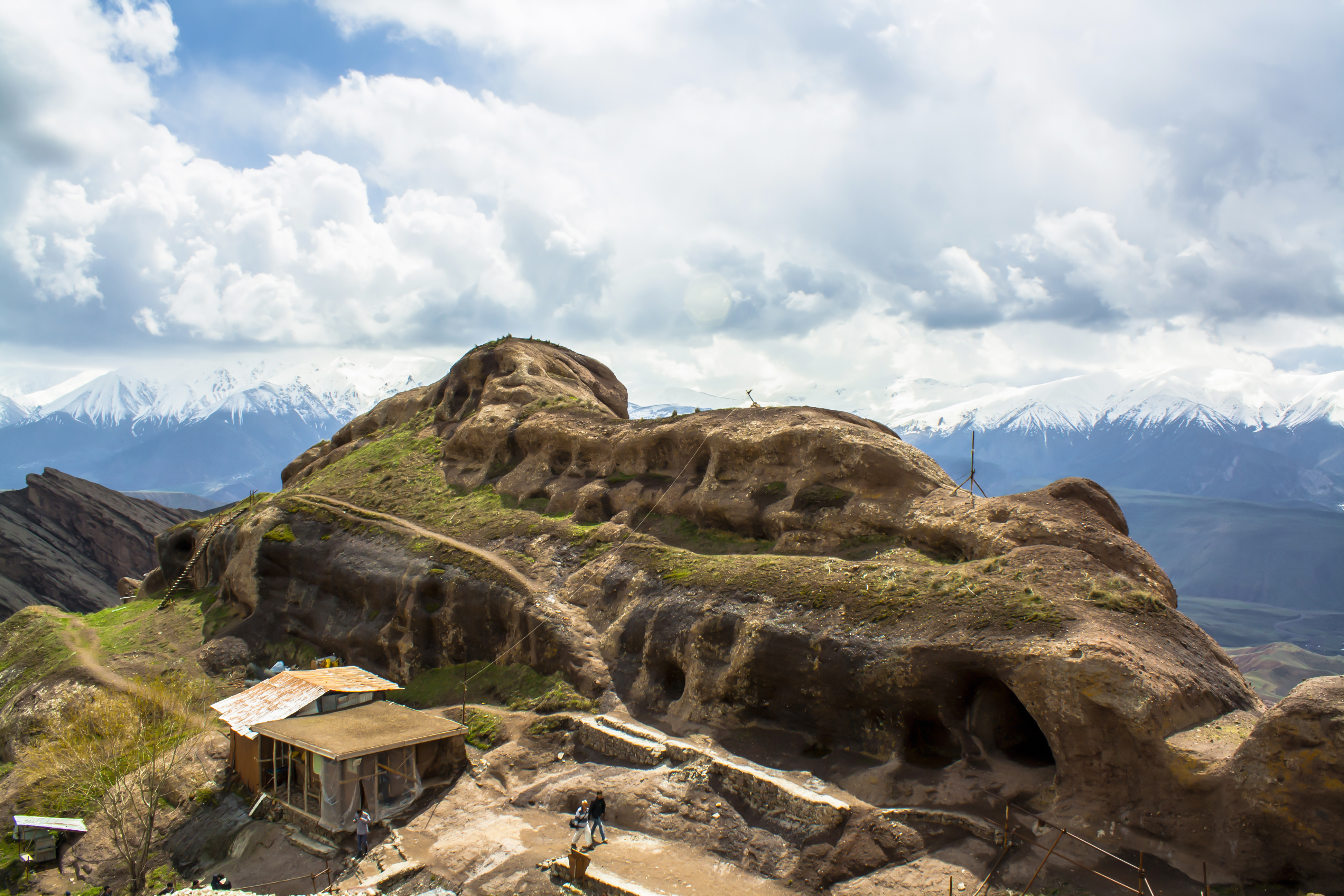
Flat-topped basalt hill with ancient ruins