
Explore the Map
Takht-e Soleymān
36.6032° N, 47.2359° E
About
Takht-e Soleymān (Persian: تخت سلیمان, lit. 'Throne of Solomon') or Adur Gushnasp, is an archaeological site in West Azerbaijan, Iran dating back to Sasanian Empire. It lies midway between Urmia and Hamadan, very near the present-day town of Takab, and 400 km (250 mi) west of Tehran. The fortified site, which is located on a hill created by the outflow of a calcium-rich spring pond, was recognized as a World Heritage Site in July 2003. The citadel includes the remains of Adur Gushnasp, a Zoroastrian fire temple built during the Sassanid period and partially rebuilt (as a mosque) during the Ilkhanid period. This temple housed one of the three "Great Fires" or "Royal Fires" that Sassanid rulers humbled themselves before in order to ascend the throne. The fire at Takht-i Soleiman was called Adur Gushnasp and was dedicated to the arteshtar or warrior class of the Sasanid. A 4th century Armenian manuscript relating to Jesus and Zarathustra, and various historians of the Islamic period, mention this pond. The foundations of the fire temple around the pond is attributed to that legend. Takht-e Soleyman appears on the 4th century Peutinger Map. This site got its biblical name after the Muslim conquest of Persia in the 7th century. Folk legend relates that King Solomon used to imprison monsters inside a nearby 100m deep crater which is called Zendan-e Soleyman "Prison of Solomon". Solomon is also said to have created the flowing pond in the fortress. Archaeological excavations have revealed traces of a 5th-century BC occupation during the Achaemenid period, as well as later Parthian settlements in the citadel. Coins belonging to the reign of Sassanid kings, and that of the Byzantine emperor Theodosius II (AD 408–450), have also been discovered there.
Historical Timeline
Journey through time and discover key events in this site's history
Achaemenid occupation
5th century BCE
Appears on Peutinger Map
4th century CE
Sassanian fire temple foundations
5th century CE
Byzantine coin evidence
AD 408–450
Abaqa Khan reign
r.1265–1282
Ilkhanid construction begins
c. 1271
UNESCO World Heritage inscription
July 2003
Archaeological Features
Unique architectural and cultural elements found at this historical site
Defensive Structures
Water Management Features
Public and Civic Structures
Religious and Ritual Structures
Artistic and Decorative Features
Domestic and Habitation Structures
Environmental and Natural Features
Frequently Asked Questions
Plan Your Visit
Tours, travel arrangements, and practical information
More Sites in Iran
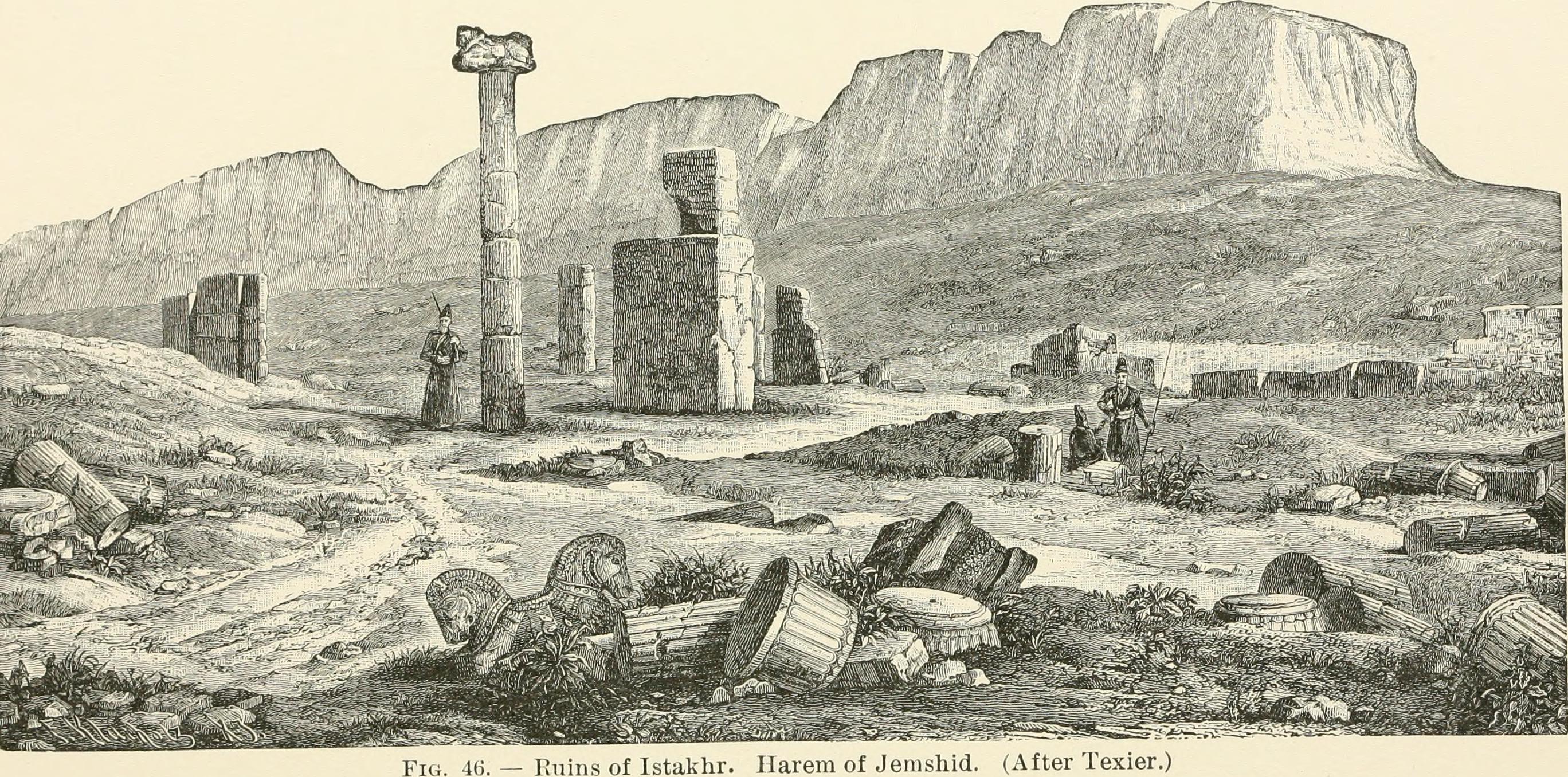
Istakhr
Ancient city with religious and defensive structures.
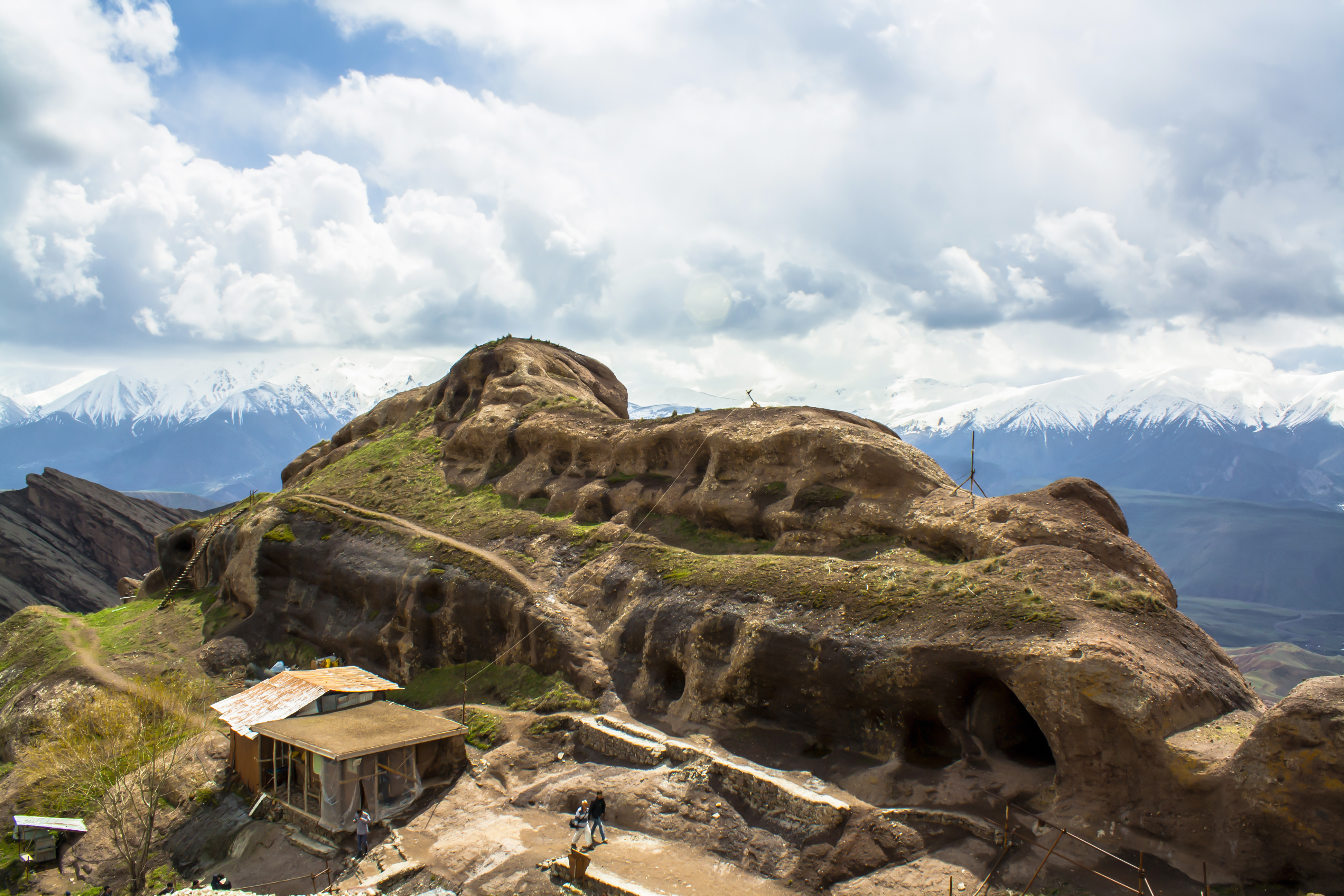
Mount Khajeh
Flat-topped basalt hill with ancient ruins
Tappeh Berdankan
Sasanian site with diverse pottery artifacts.
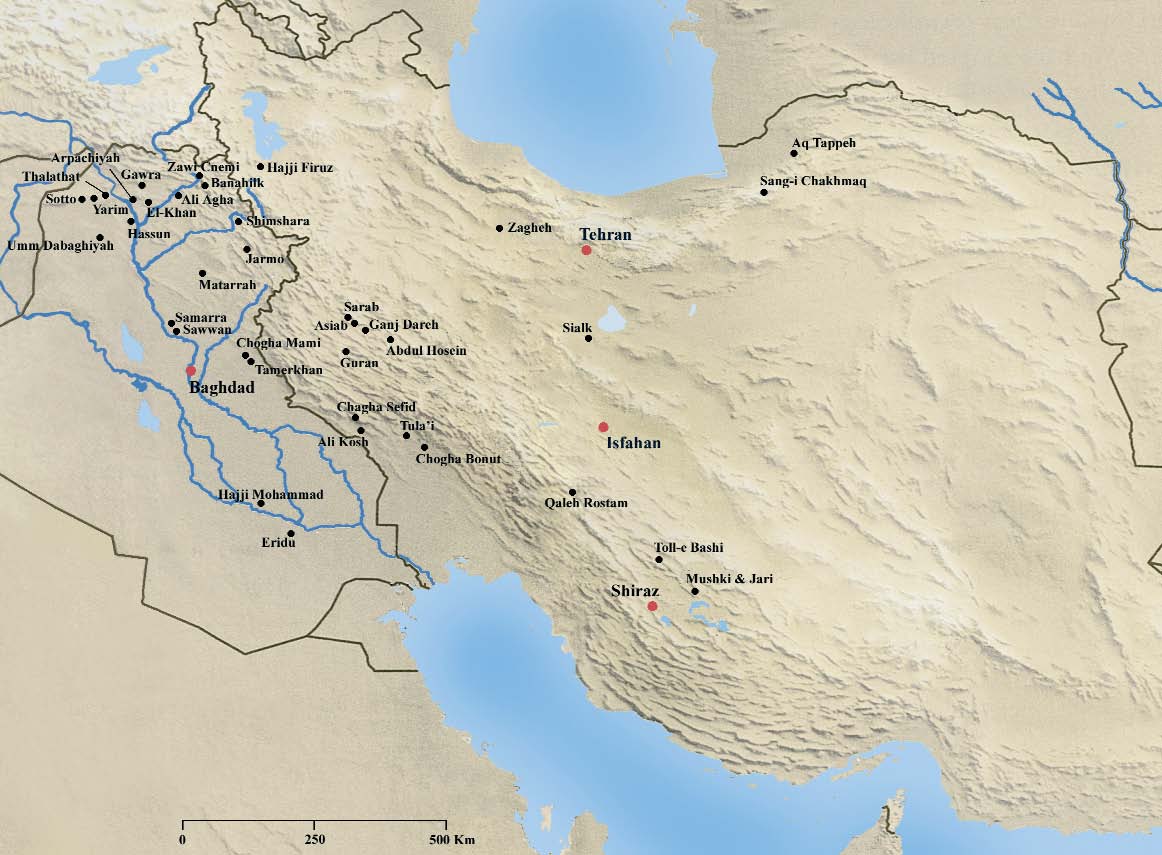
Chia Jani
Neolithic site with obsidian bladelets.
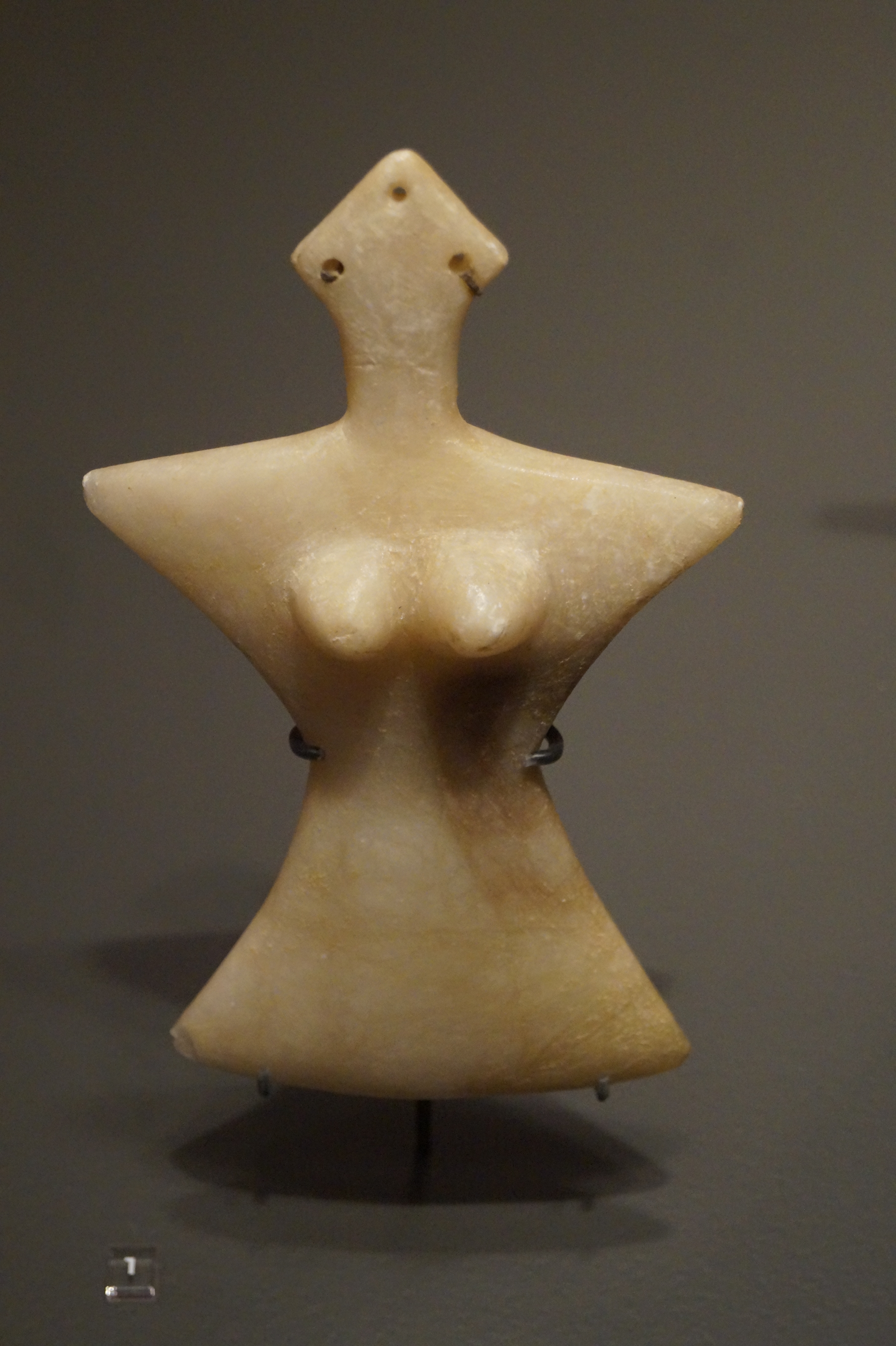
Tepe Hissar
Prehistoric site with rich cultural artifacts
Rahmatabad Mound
Ancient Chalcolithic settlement with industrial features