
Explore the Map
Eridu
30.8158° N, 45.9961° E
About
Eridu, located in Lower Mesopotamia near modern Basra, is one of the earliest known cities, founded around 5400 BCE during the Ubaid period. It is renowned for its religious significance, particularly the temple dedicated to the god Enki, which evolved into a ziggurat in the Ur III period. The site contains evidence of occupation through various periods, including the Early Dynastic and Bronze Age, marked by significant construction such as palaces and temples. Eridu's decline is attributed to environmental factors, notably increased soil salinity, leading to its abandonment around 600 BCE. The city holds immense archaeological value, providing insights into early urban development and religious practices in Mesopotamia.
Gallery
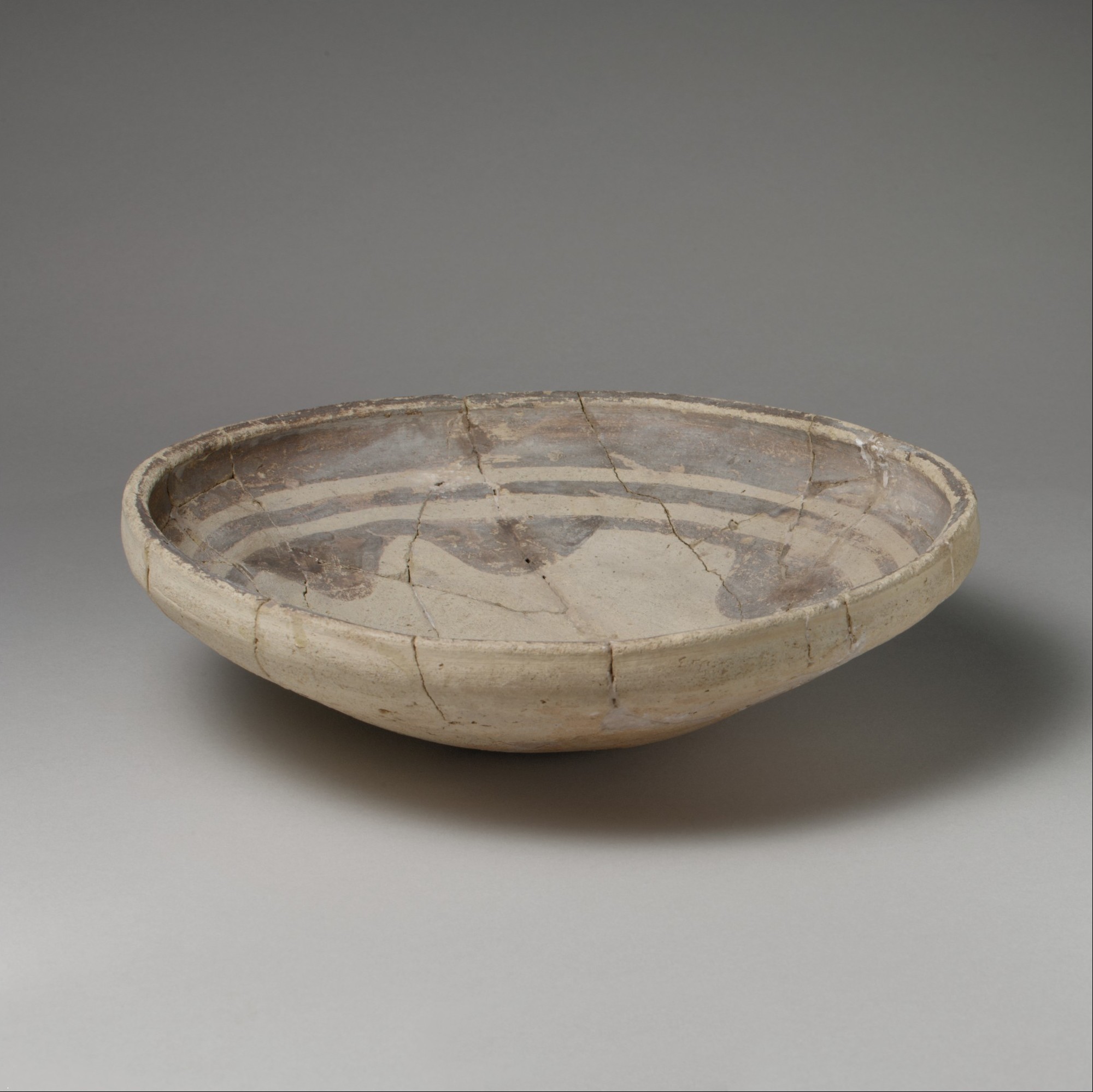
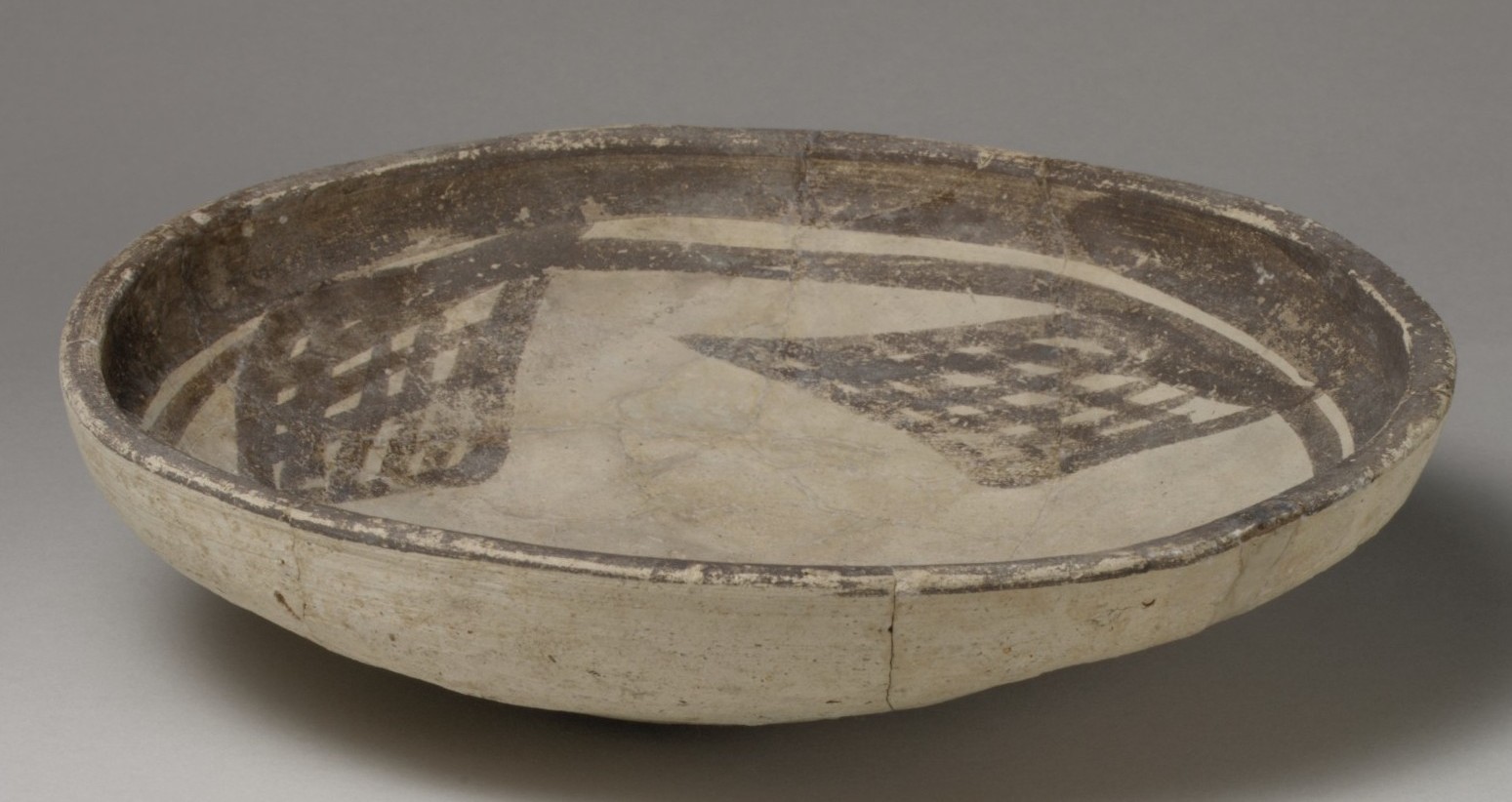
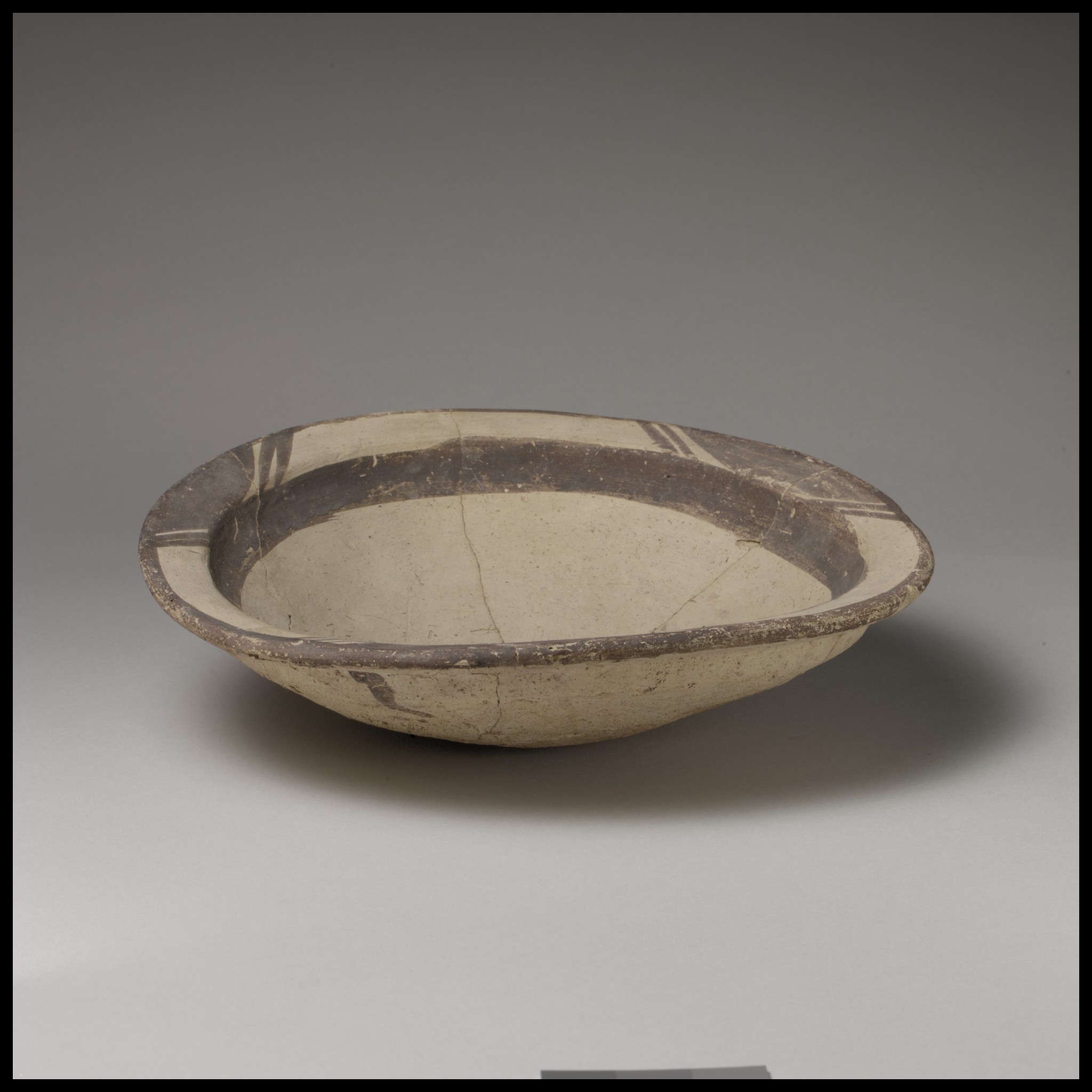
Explore photographs of ancient structures, artifacts, and archaeological excavations
Historical Timeline
Journey through time and discover key events in this site's history
Founded around 5400 BCE
c. 5400 BCE
Early Dynastic Period Influence
c. 2600 BCE
Abandonment around 600 BCE
600 BCE
Ur III Ziggurat Construction
c. 2047–2039 BCE
Archaeological Features
Unique architectural and cultural elements found at this historical site
Water Management Features
Burial and Funerary Structures
Industrial and Craft Structures
Religious and Ritual Structures
Domestic and Habitation Structures
Frequently Asked Questions
Plan Your Visit
Tours, travel arrangements, and practical information
More Sites in Iraq
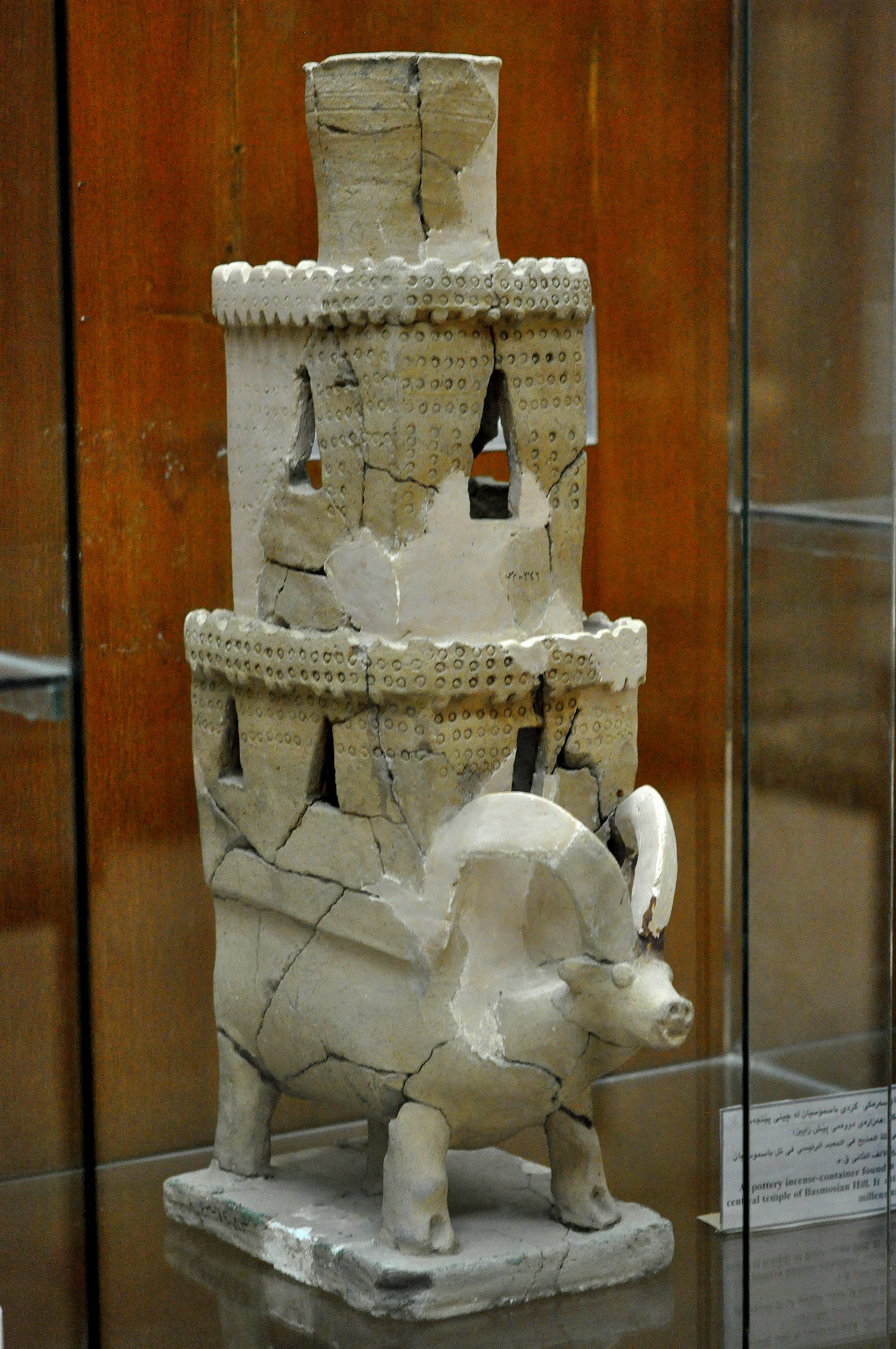
Tell Bazmusian
Large tell site with multi-period occupation.
Tell al-Lahm
Oblong mound with city wall remnants
Tell Taya
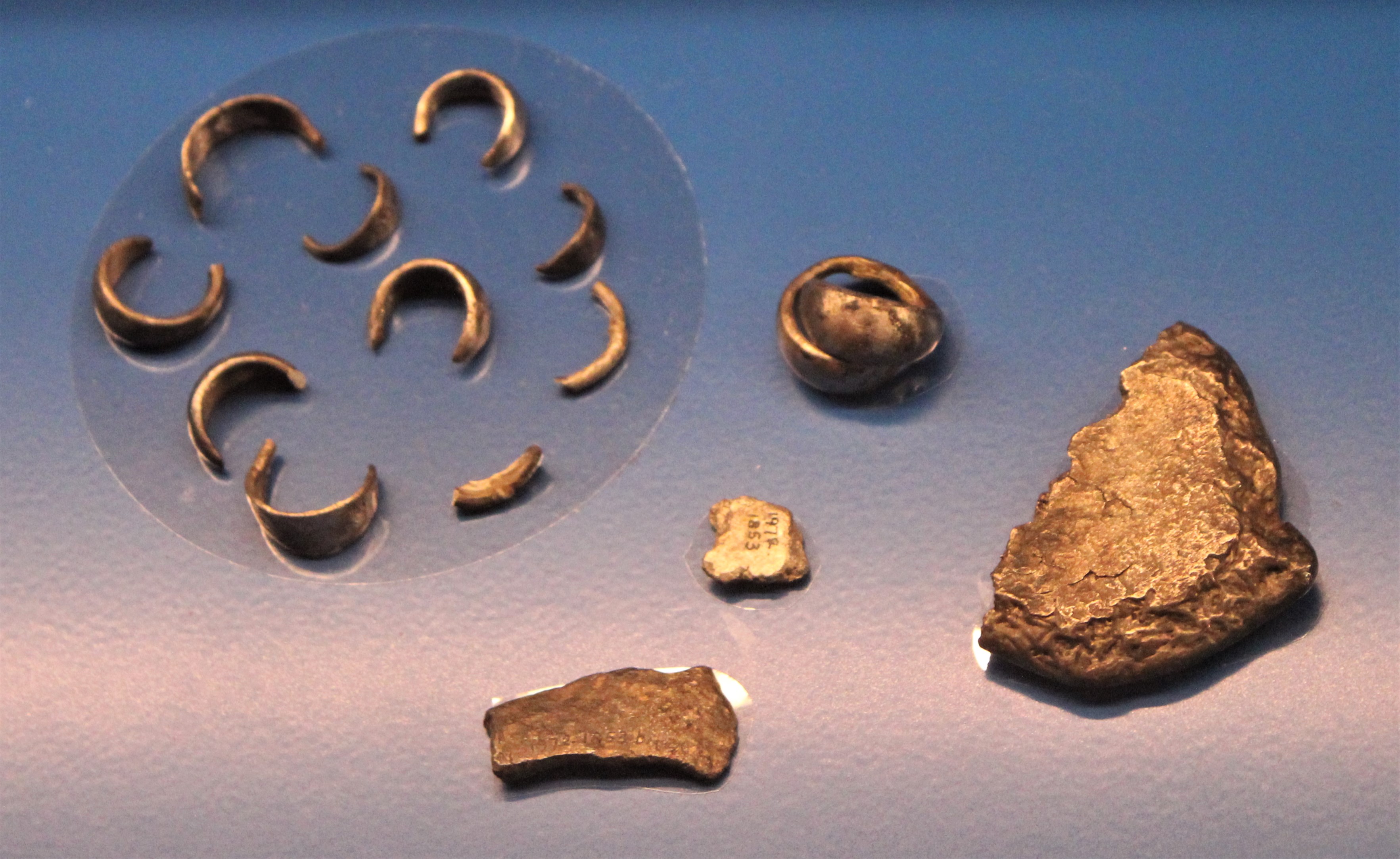
Ancient hill city with fortifications and artifacts.
Larsa
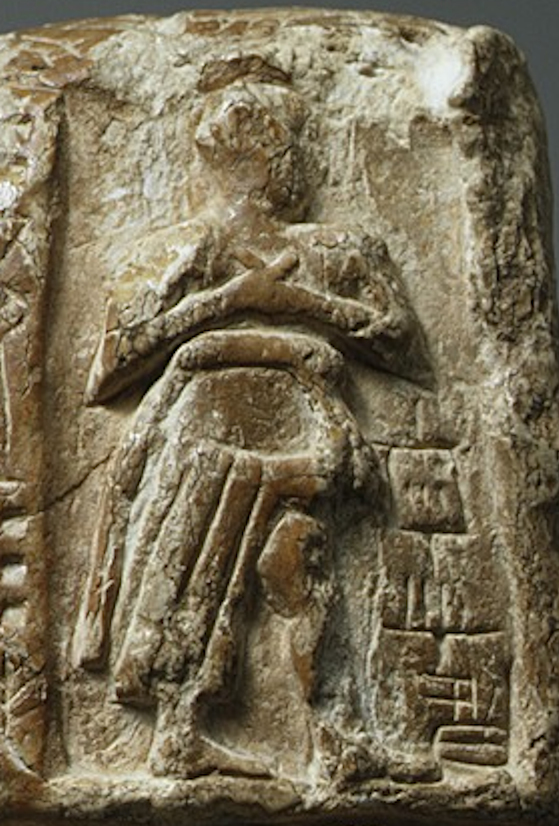
Sumerian city-state and temple complex, Isin–Larsa period
Tell Dehaila
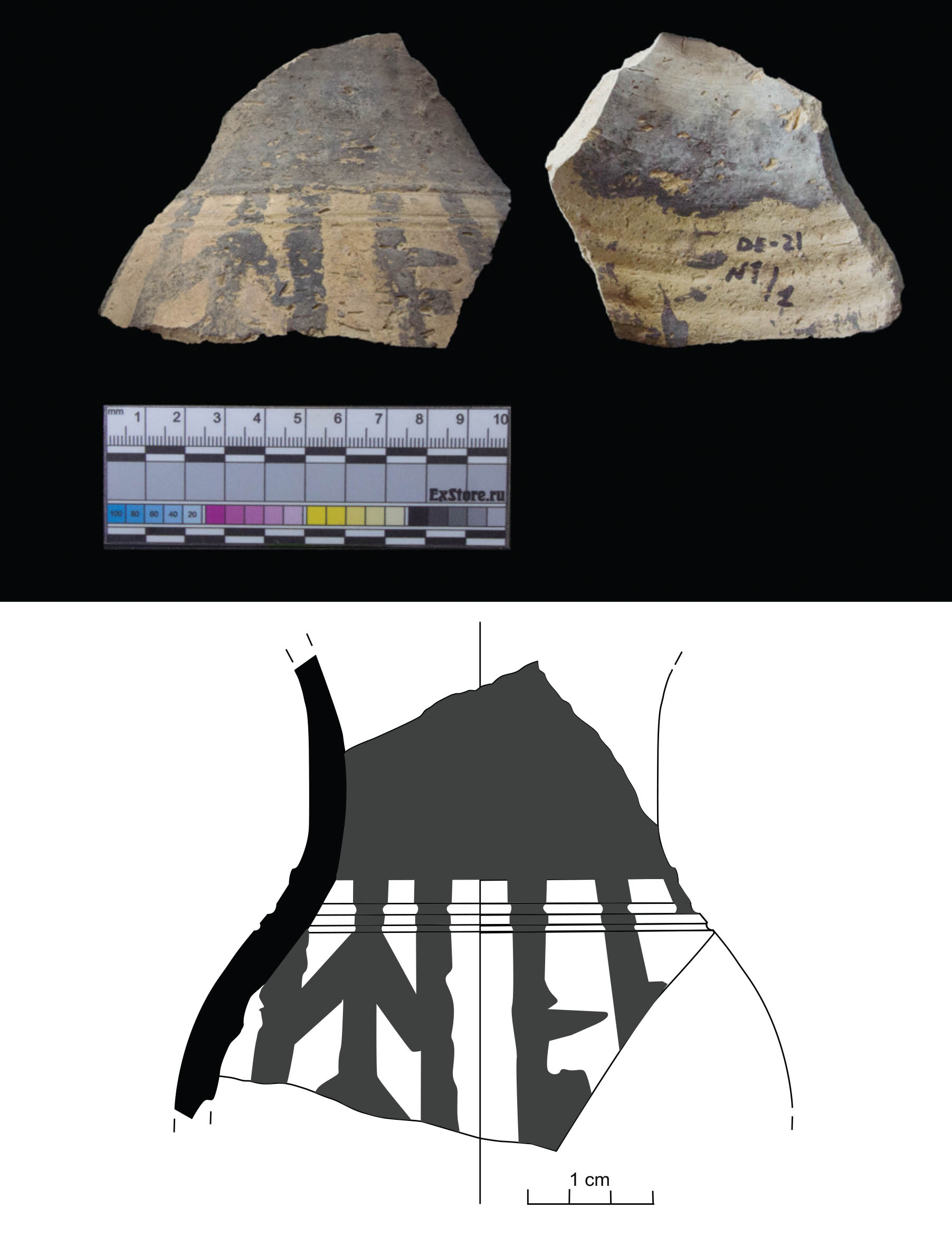
Ancient tell site with mudbrick structures
Tell Yelkhi
Oval mound with Kassite and earlier remains.