Explore the Map
Pashime
32.3958° N, 47.1478° E
About
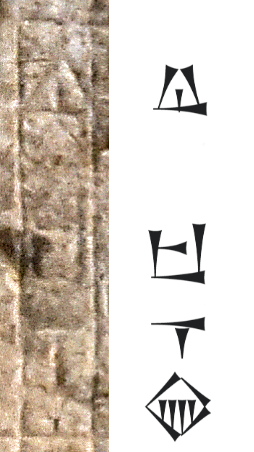
Pashime, identified with Tell Abu Sheeja in Iraq, is an ancient site that played a significant role as a cultural and military hub in southern Mesopotamia. Occupied from the Ubaid and Uruk periods in the 4th Millennium BCE to the Old Babylonian period in the early 2nd Millennium BCE, it served as a vital point of interaction between Mesopotamia and Elam. The site contains various features, including a temple dedicated to the god Šuda and an arched roofed tomb. Archaeological evidence includes terracotta figurines and a stele inscribed with Old Akkadian script. Historically, Pashime was a site of conflict and political activity, notably sacked by Eannatum and later attacked by Gungunum of Larsa. Its strategic location on the ancient coastline of the Persian Gulf underscores its importance in trade and military campaigns.
Gallery
Explore photographs of ancient structures, artifacts, and archaeological excavations
Historical Timeline
Journey through time and discover key events in this site's history
Ubaid and Uruk Occupation
4000 BCE
Eannatum's Sack of Pashime
c. 2500 BCE
Ur III Period: Military Garrison
c. 2094 BCE
Destruction by Gungunum
c. 1800 BCE
Shu-Sin's Reign: Arad-Nanna Governor
c. 2037–2028 BCE
Shulgi's Daughter Married to Pashime Ruler
c. 2094–2046 BCE
Archaeological Features
Unique architectural and cultural elements found at this historical site
Burial and Funerary Structures
Religious and Ritual Structures
Artistic and Decorative Features
Domestic and Habitation Structures
Frequently Asked Questions
Plan Your Visit
Tours, travel arrangements, and practical information
More Sites in Iraq
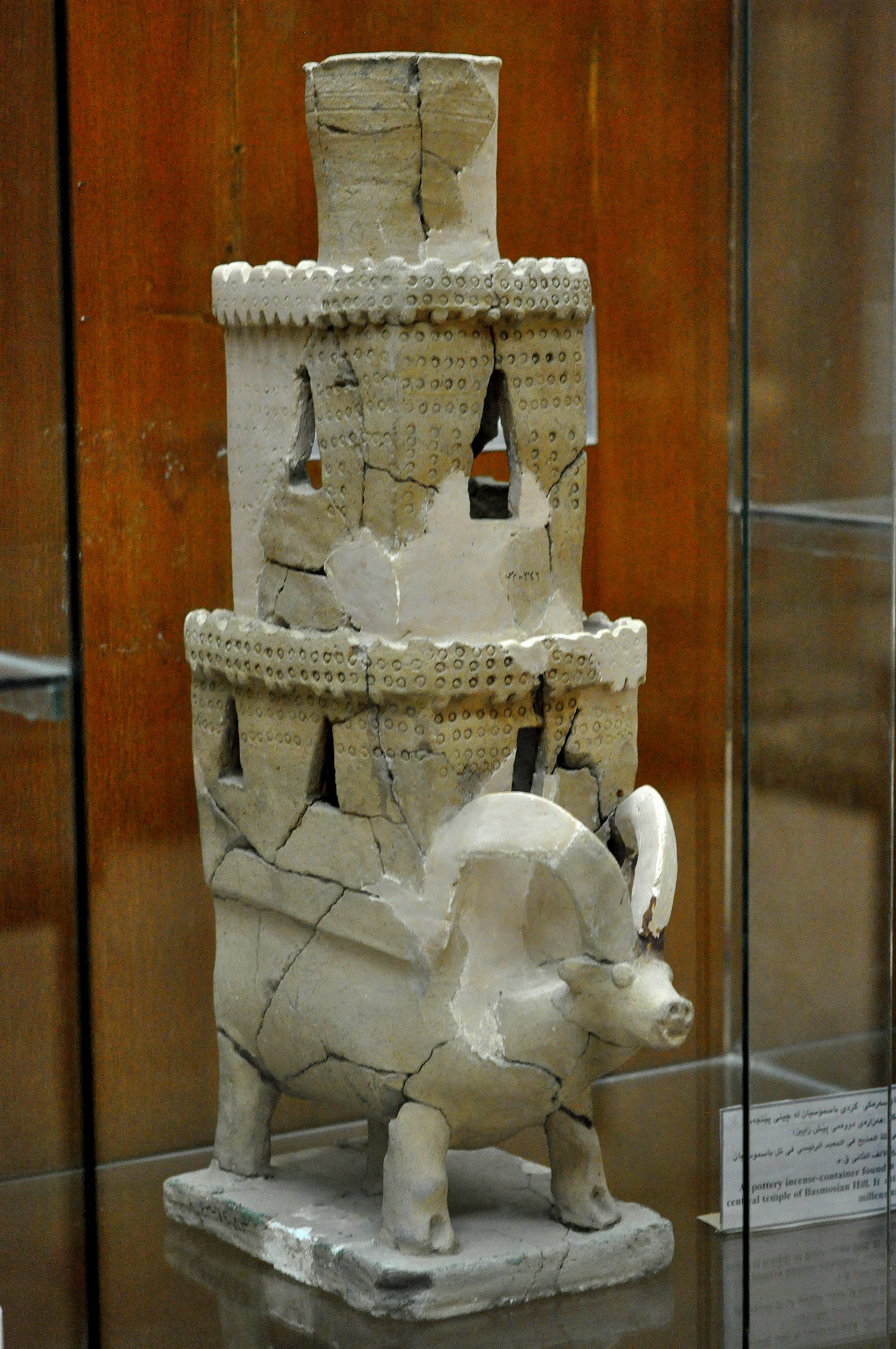
Tell Bazmusian
Large tell site with multi-period occupation.
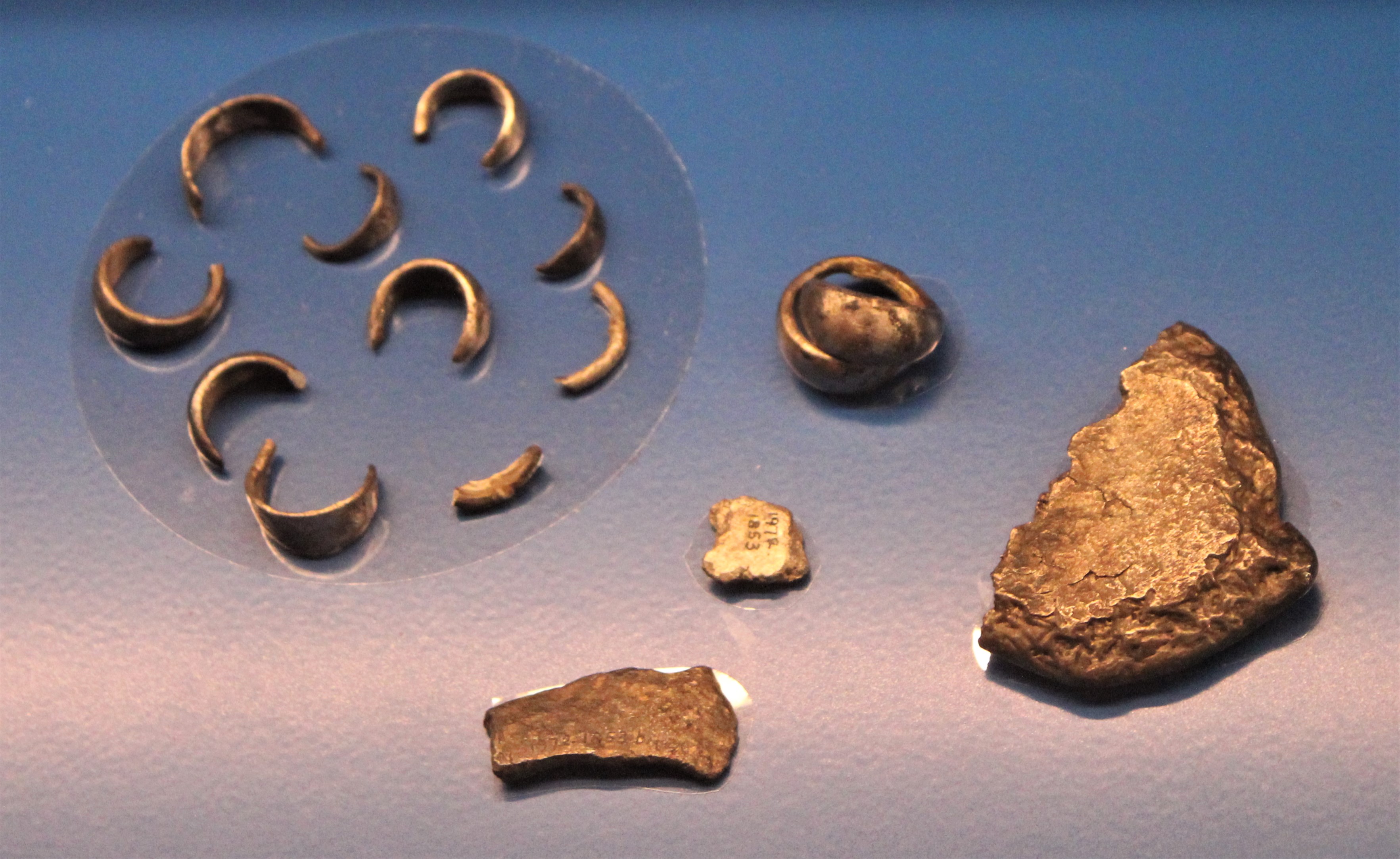
Tell Taya
Ancient hill city with fortifications and artifacts.
Tell al-Lahm
Oblong mound with city wall remnants
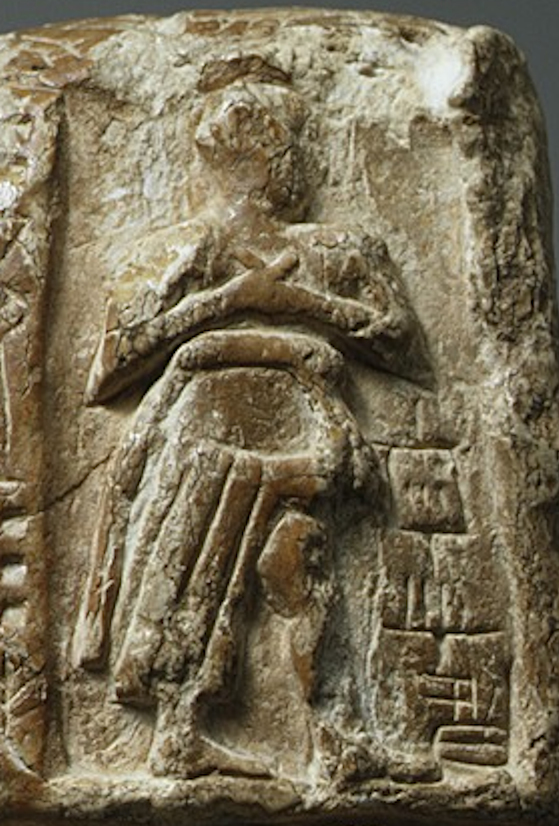
Larsa
Sumerian city-state and temple complex, Isin–Larsa period
Tarbisu
Ancient Assyrian city with palaces and temples
Tell Yelkhi
Oval mound with Kassite and earlier remains.