Explore the Map
Eshnunna
33.4842° N, 44.7283° E
About
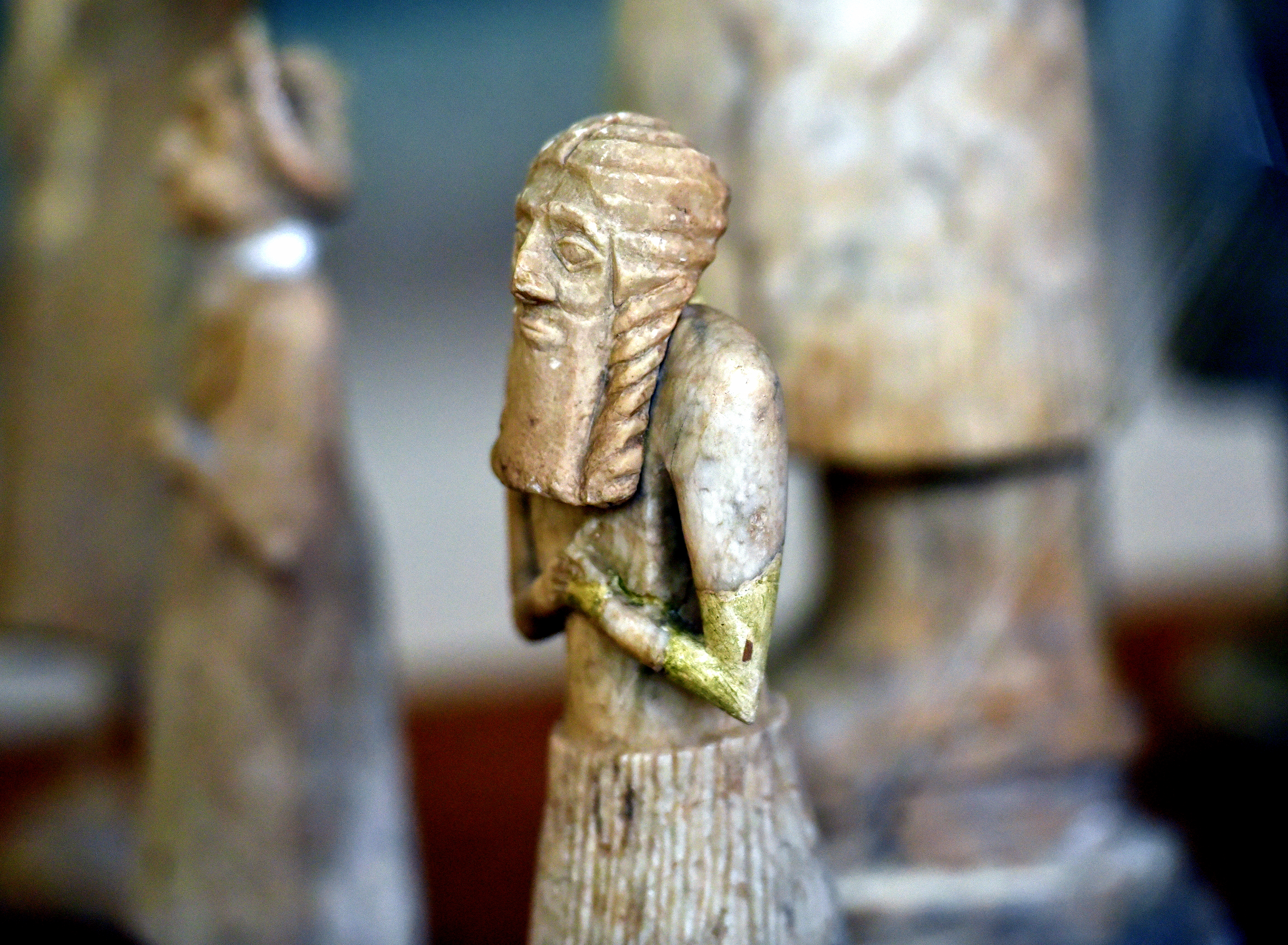
Eshnunna, known today as Tell Asmar, was a prominent ancient city located in central Mesopotamia, within the modern Diyala Governorate of Iraq. The city was a significant cultural and political center during the Early to Late Bronze Age, hosting a diverse range of structures including palaces, temples, and complex water management systems. Eshnunna holds archaeological importance due to its well-preserved architectural features and artifacts such as the Tell Asmar Hoard, a collection of statues depicting gods and worshipers. Eshnunna's strategic location made it a vital trade hub, linking Mesopotamian and Elamite cultures. Its dynamic history, marked by periods of independence, subjugation, and cultural exchange, reflects the broader geopolitical shifts within ancient Mesopotamia.
Gallery
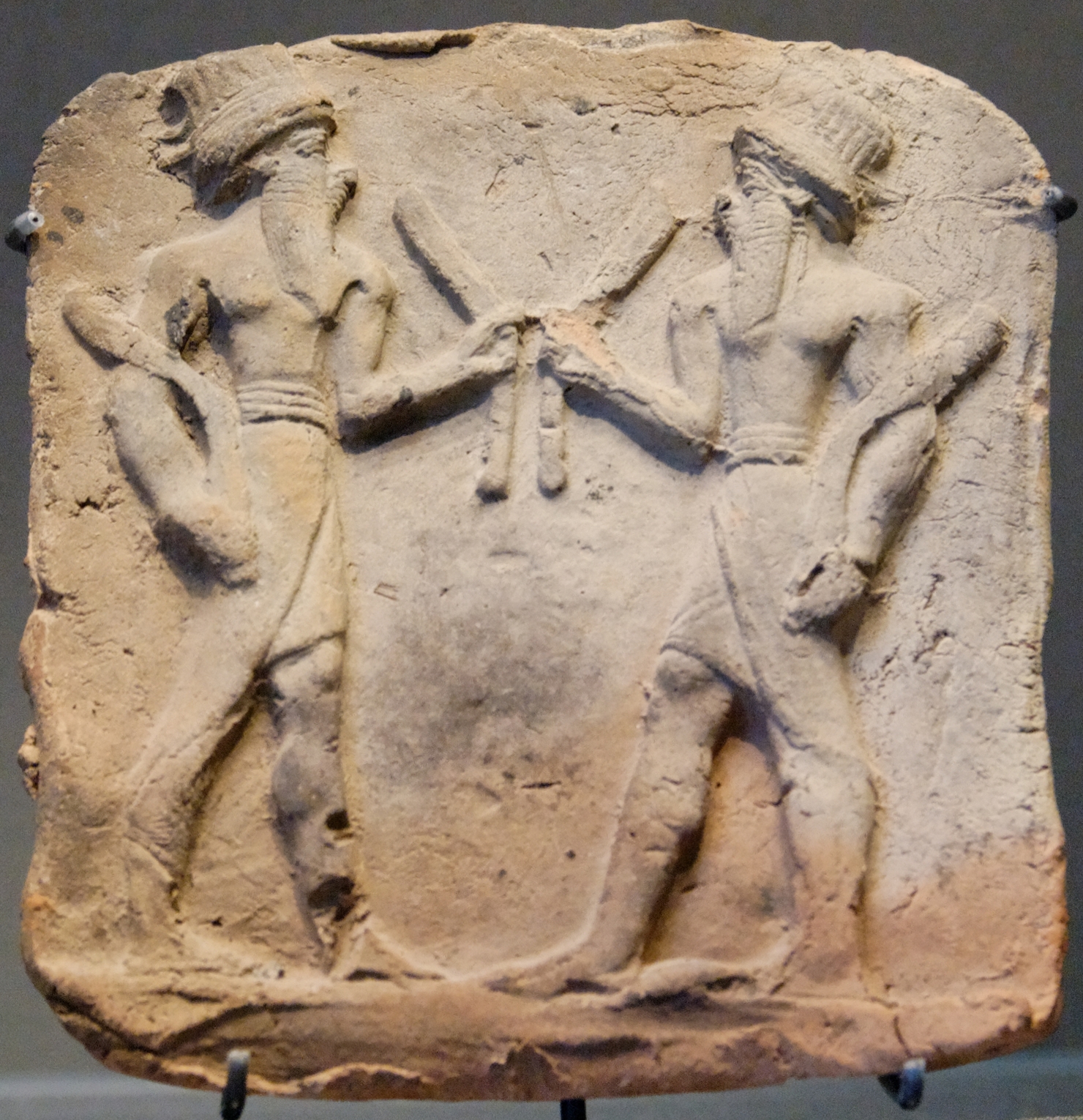
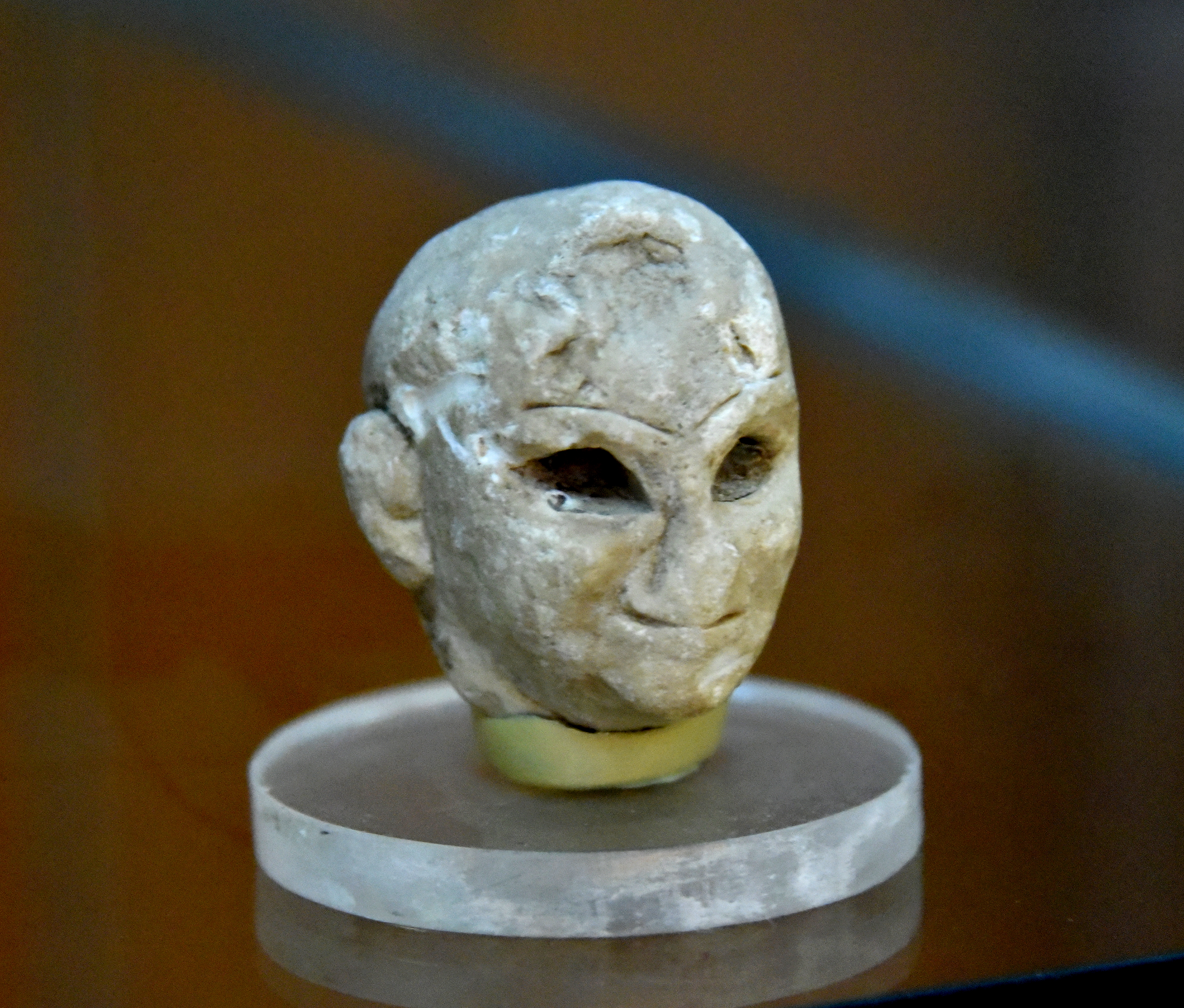
Explore photographs of ancient structures, artifacts, and archaeological excavations
Historical Timeline
Journey through time and discover key events in this site's history
Jemdet Nasr occupation
3000 BCE
Early Dynastic city
2900 BCE
Akkadian period presence
2300 BCE
Ur III governance
2100 BCE
Independence from Ur III
2026 BCE
Chaos after Ur III fall
2004 BCE
Middle Bronze city-state
2000 BCE
Hammurabi occupation
1762 BCE
Flood destruction
1760 BCE
Elamite conquest
1150 BCE
Archaeological Features
Unique architectural and cultural elements found at this historical site
Storage Structures
Water Management Features
Religious and Ritual Structures
Artistic and Decorative Features
Domestic and Habitation Structures
Frequently Asked Questions
Plan Your Visit
Tours, travel arrangements, and practical information
More Sites in Iraq
Tarbisu
Ancient Assyrian city with palaces and temples
Tell Muhammad
Ancient site with fortifications and tablets
Larsa
Sumerian city-state and temple complex, Isin–Larsa period
Tell al-Fakhar
Pottery mound with multi-period occupation.
Tell al-Lahm
Oblong mound with city wall remnants
Tell Dehaila
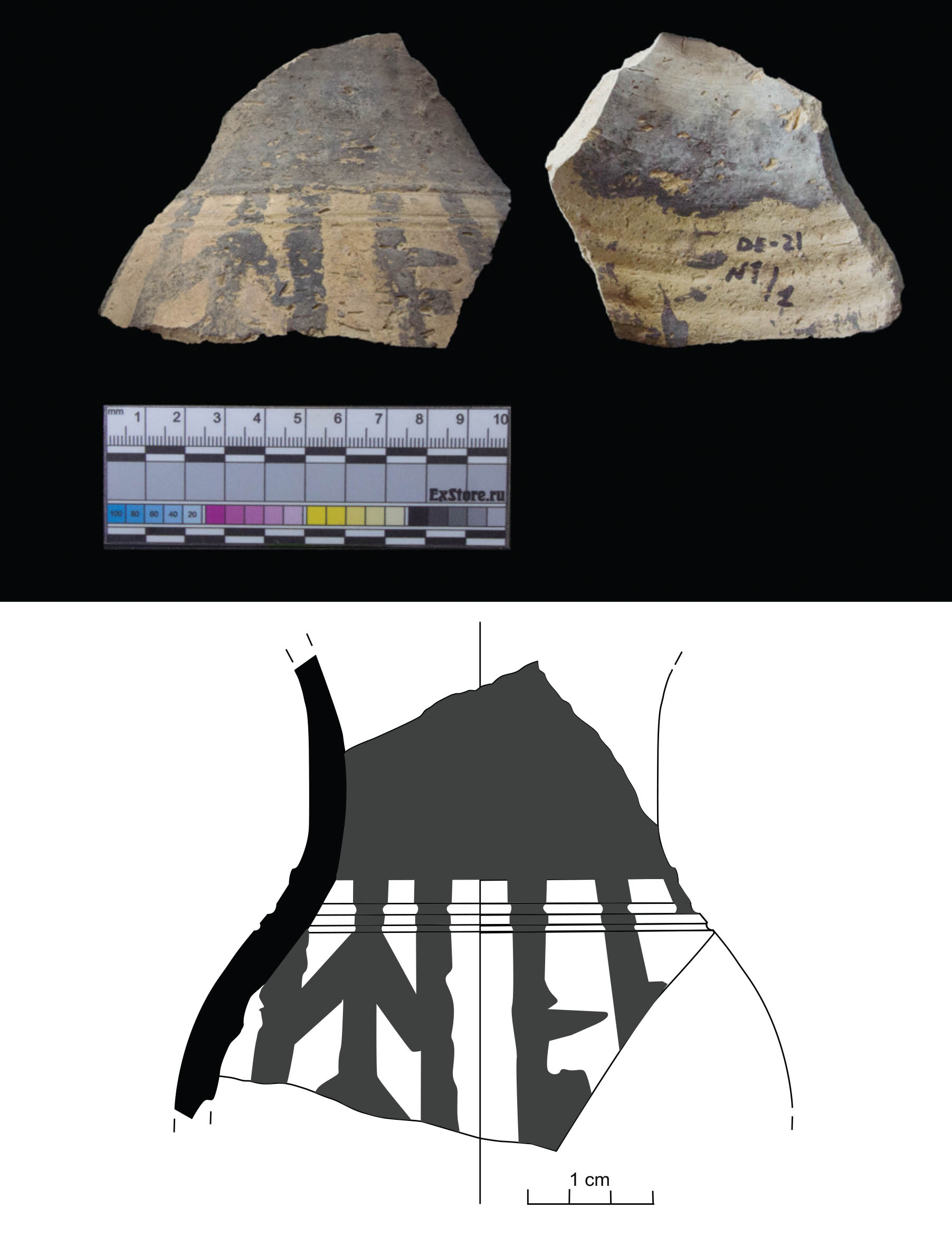
Ancient tell site with mudbrick structures