Explore the Map
Girsu
31.5620° N, 46.1776° E
About
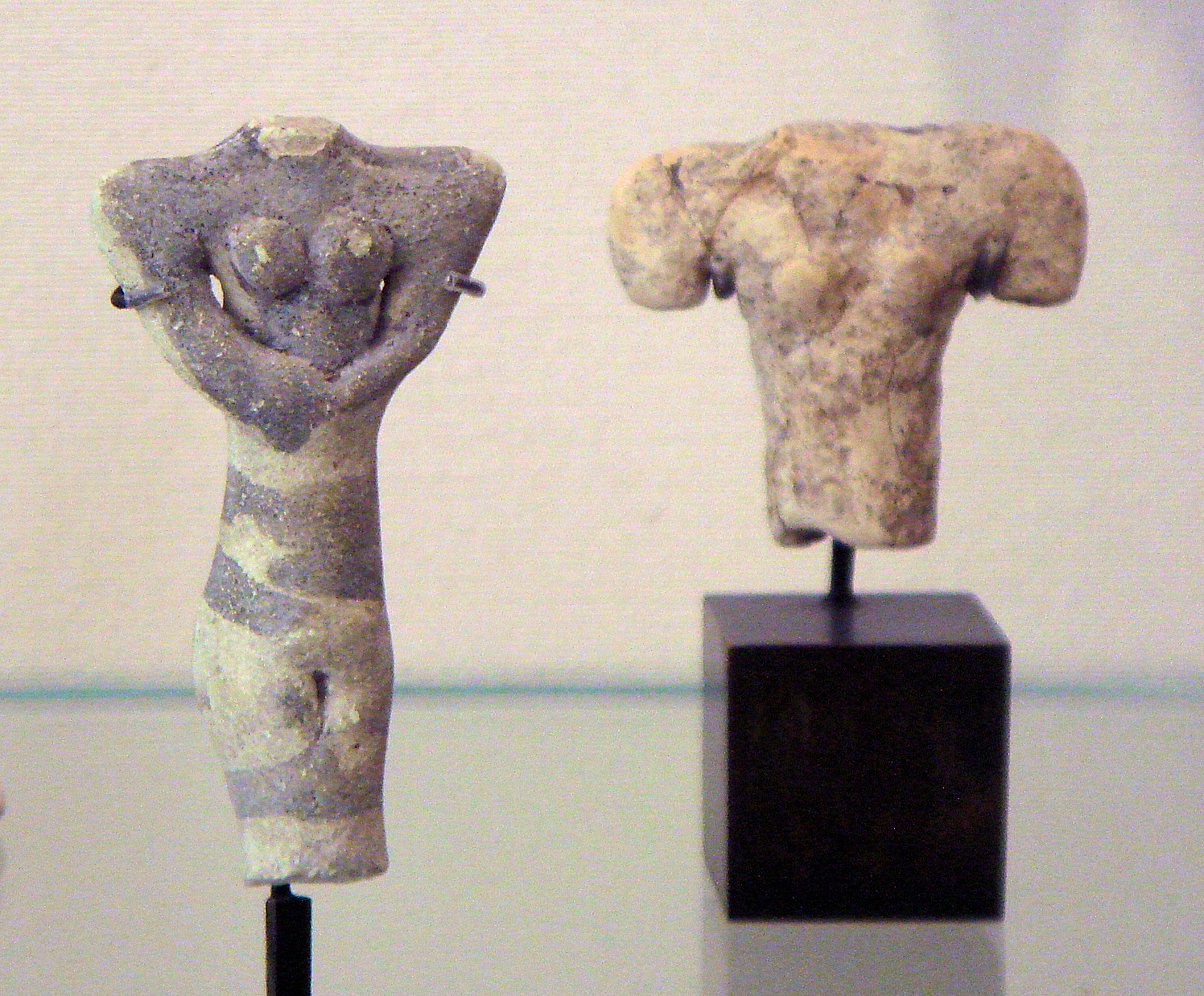
Girsu, located northwest of Lagash in modern-day Iraq, was a prominent city in ancient Sumer. As the religious center of the Lagash kingdom, it housed significant temples dedicated to the god Ningirsu and his consort Bau. Girsu played a crucial role during the Early Dynastic period and became the capital under Gudea in the Second Dynasty of Lagash. It was also a vital administrative hub during the Ur III period. The site features prominent mounds and has yielded around 50,000 cuneiform tablets, as well as notable artifacts such as an alabaster statue and fragments of the Stele of the Vultures. Excavations continue to uncover its rich history, shedding light on its religious, administrative, and cultural significance throughout various periods.
Gallery
Explore photographs of ancient structures, artifacts, and archaeological excavations
Historical Timeline
Journey through time and discover key events in this site's history
Ubaid Period Habitation
5300 BCE
Early Dynastic Activity
2900 BCE
Gudea's Reign
c. 2150 BCE
Ur III Administrative Hub
c. 2100 BCE
Decline After Ur Fall
c. 2000 BCE
Inhabitation Until 200 BC
200 BCE
Archaeological Features
Unique architectural and cultural elements found at this historical site
Storage Structures
Religious and Ritual Structures
Artistic and Decorative Features
Domestic and Habitation Structures
Frequently Asked Questions
Plan Your Visit
Tours, travel arrangements, and practical information
More Sites in Iraq
Tell Taya
Ancient hill city with fortifications and artifacts.
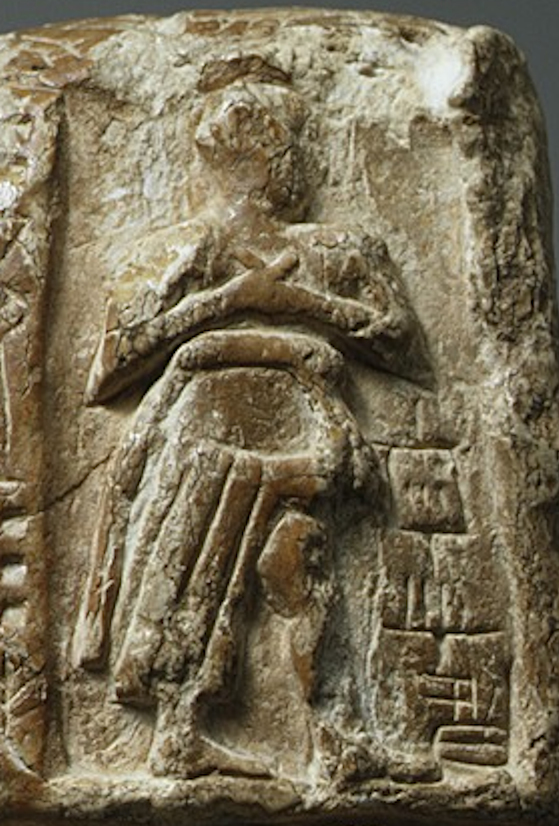
Larsa
Sumerian city-state and temple complex, Isin–Larsa period
Tell al-Lahm
Oblong mound with city wall remnants
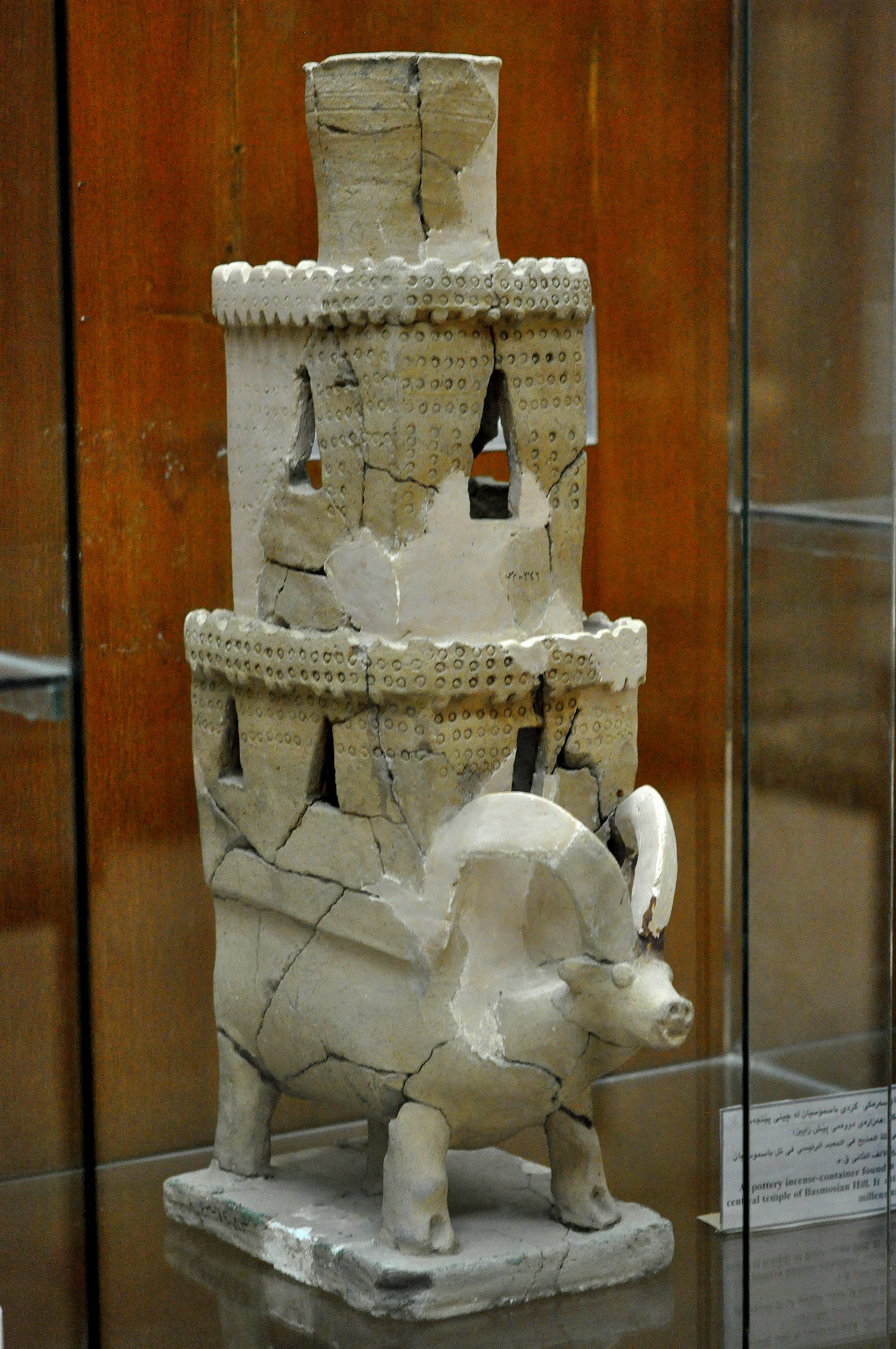
Tell Bazmusian
Large tell site with multi-period occupation.
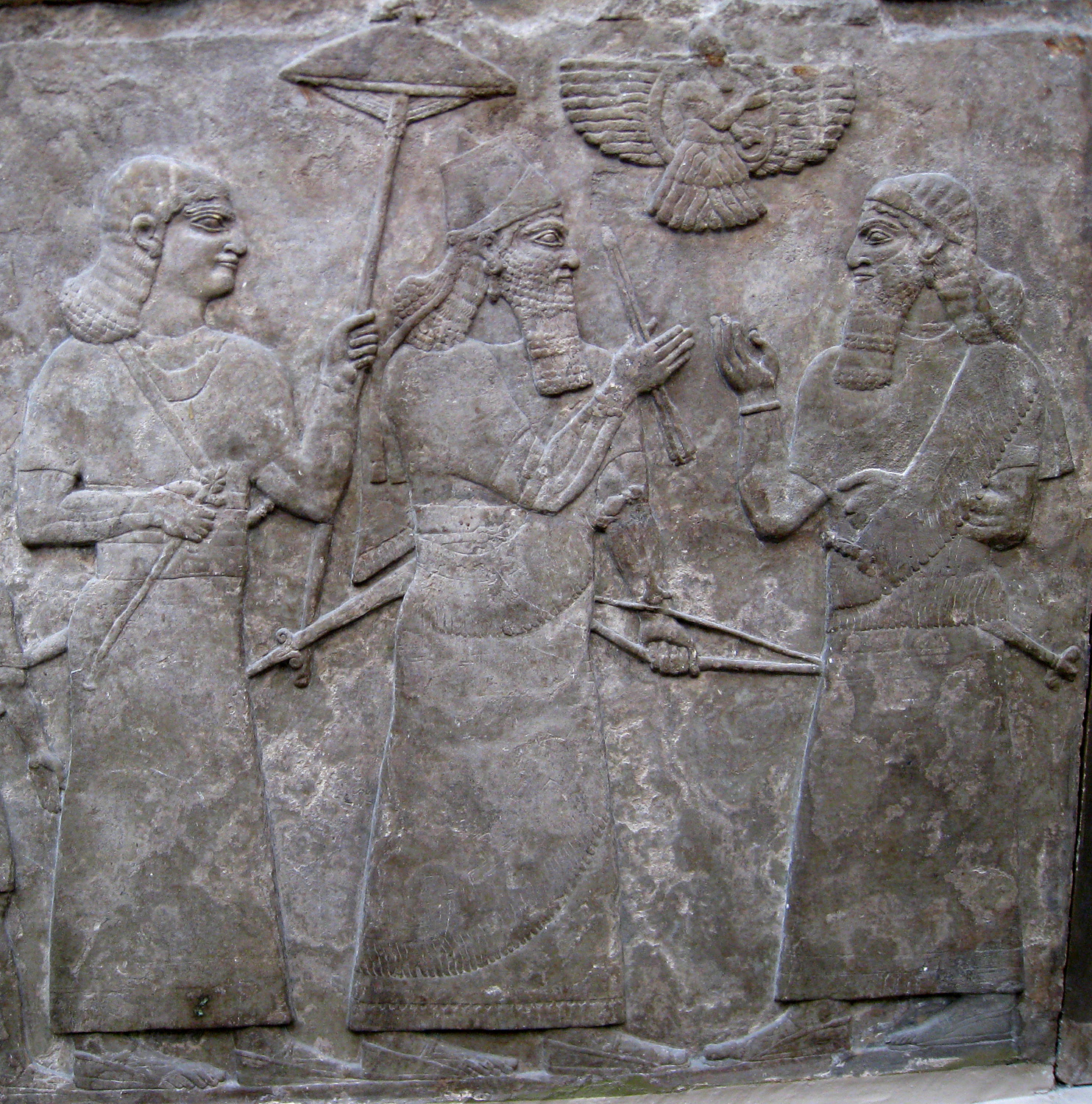
Assur
Ancient Assyrian city on the Tigris River
Tell Muhammad
Ancient site with fortifications and tablets