Explore the Map
Khafajah
33.3547° N, 44.5558° E
About
Khafajah, also known as ancient Tutub, is a significant archaeological site located in modern-day Iraq. The site was occupied from the Jemdet Nasr period through the Old Babylonian Empire, showcasing a rich tapestry of Near Eastern history. It features several mounds, the most notable being the Nintu Temple on mound A and a cemetery to its east. Khafajah was under the control of major empires, including the Akkadian and the Third Dynasty of Ur, and played a crucial role in the city-state of Eshnunna. A trove of clay tablets was found here, documenting transactions and legal matters, offering insights into the socio-economic aspects of the time. The archaeological evidence points to a complex urban center with religious and administrative significance, reflecting the city's strategic and cultural importance in ancient Mesopotamia.
Gallery
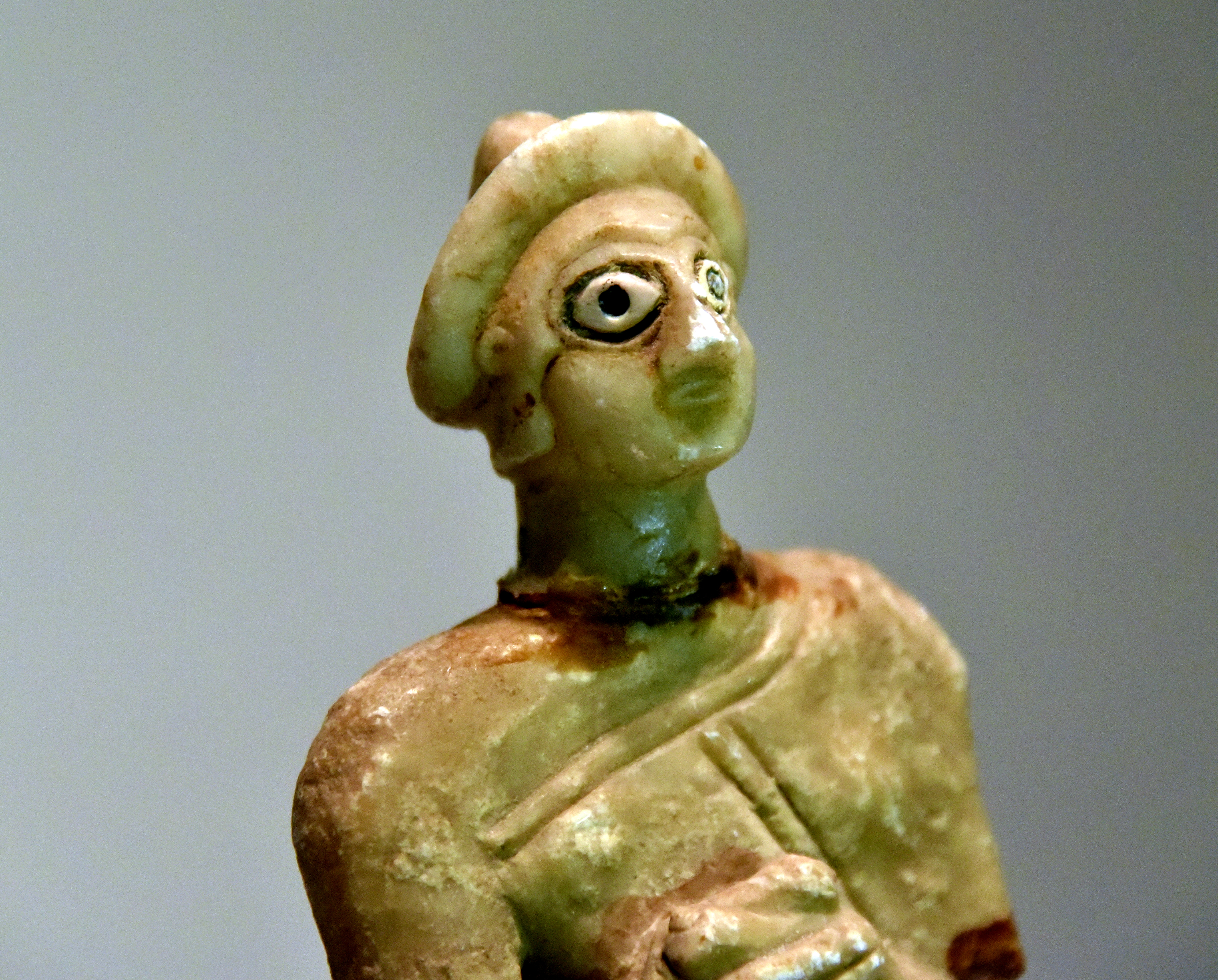
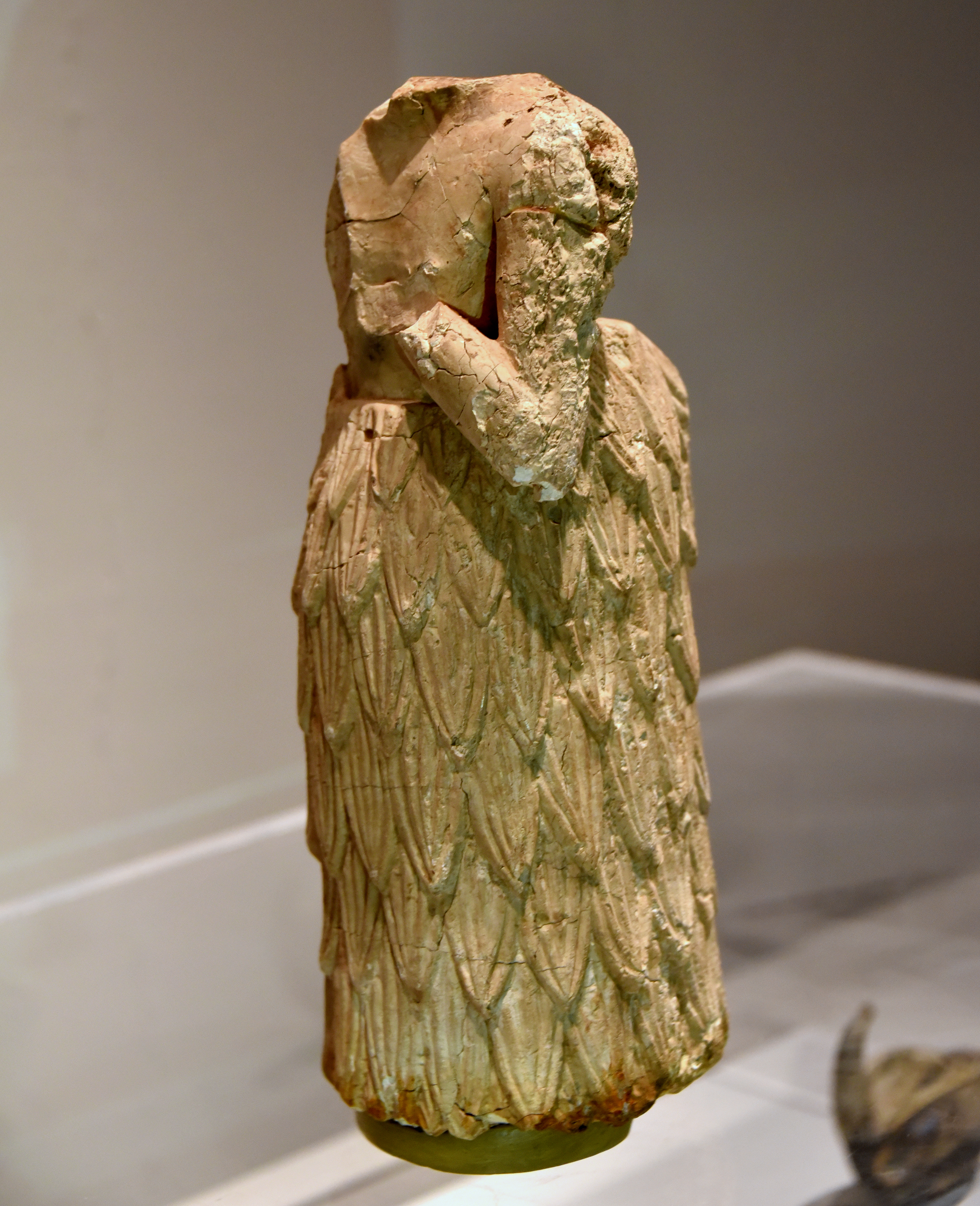
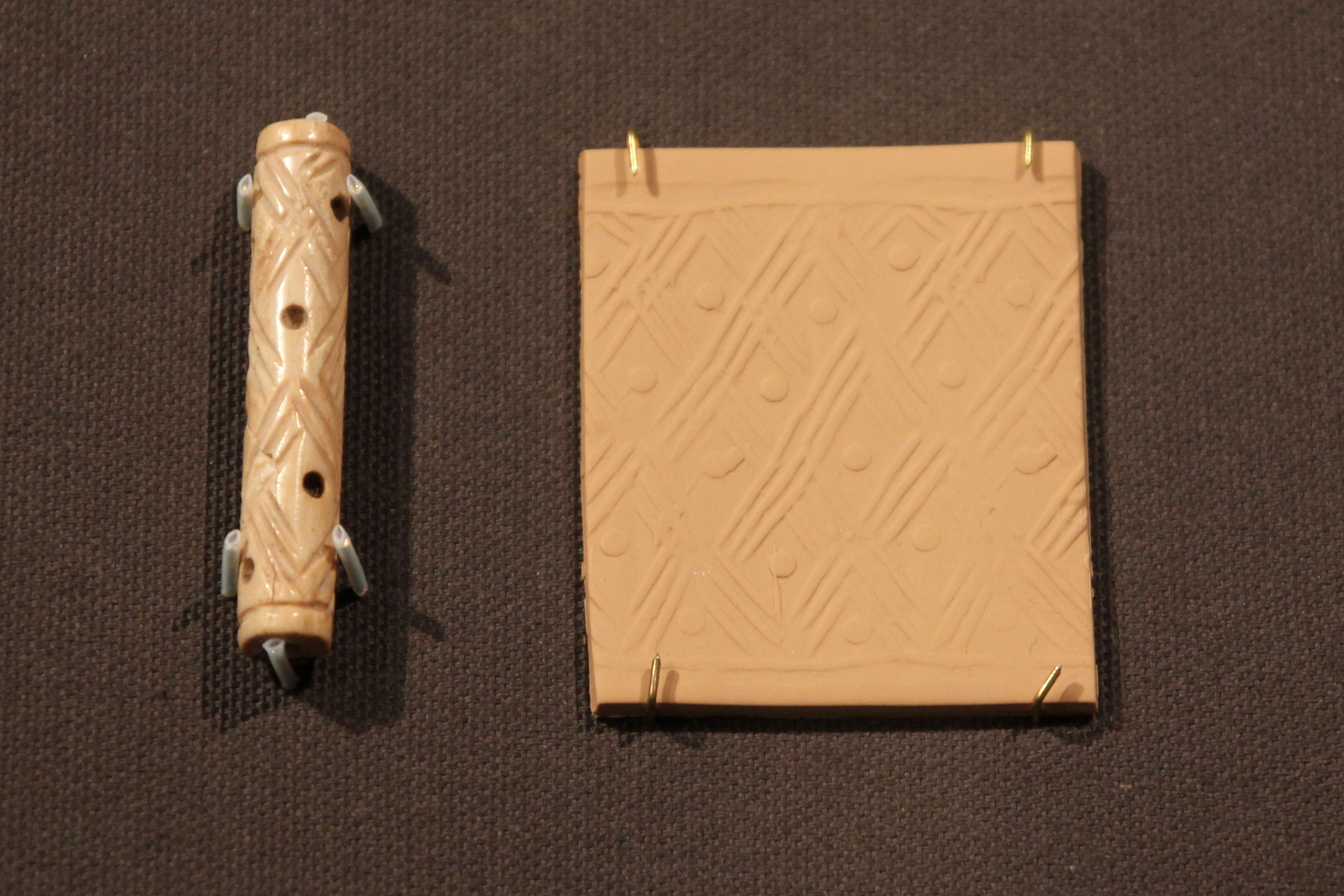
Explore photographs of ancient structures, artifacts, and archaeological excavations
Historical Timeline
Journey through time and discover key events in this site's history
Occupation from Jemdet Nasr
3000 BCE
Akkadian Empire Control
2300 BCE
Third Dynasty of Ur Control
2094 BCE
Eshnunna Control
1820 BCE
Babylonian Fortification
1726 BCE
Archaeological Features
Unique architectural and cultural elements found at this historical site
Storage Structures
Burial and Funerary Structures
Religious and Ritual Structures
Artistic and Decorative Features
Frequently Asked Questions
Plan Your Visit
Tours, travel arrangements, and practical information
More Sites in Iraq
Larsa
Sumerian city-state and temple complex, Isin–Larsa period
Tell al-Lahm
Oblong mound with city wall remnants
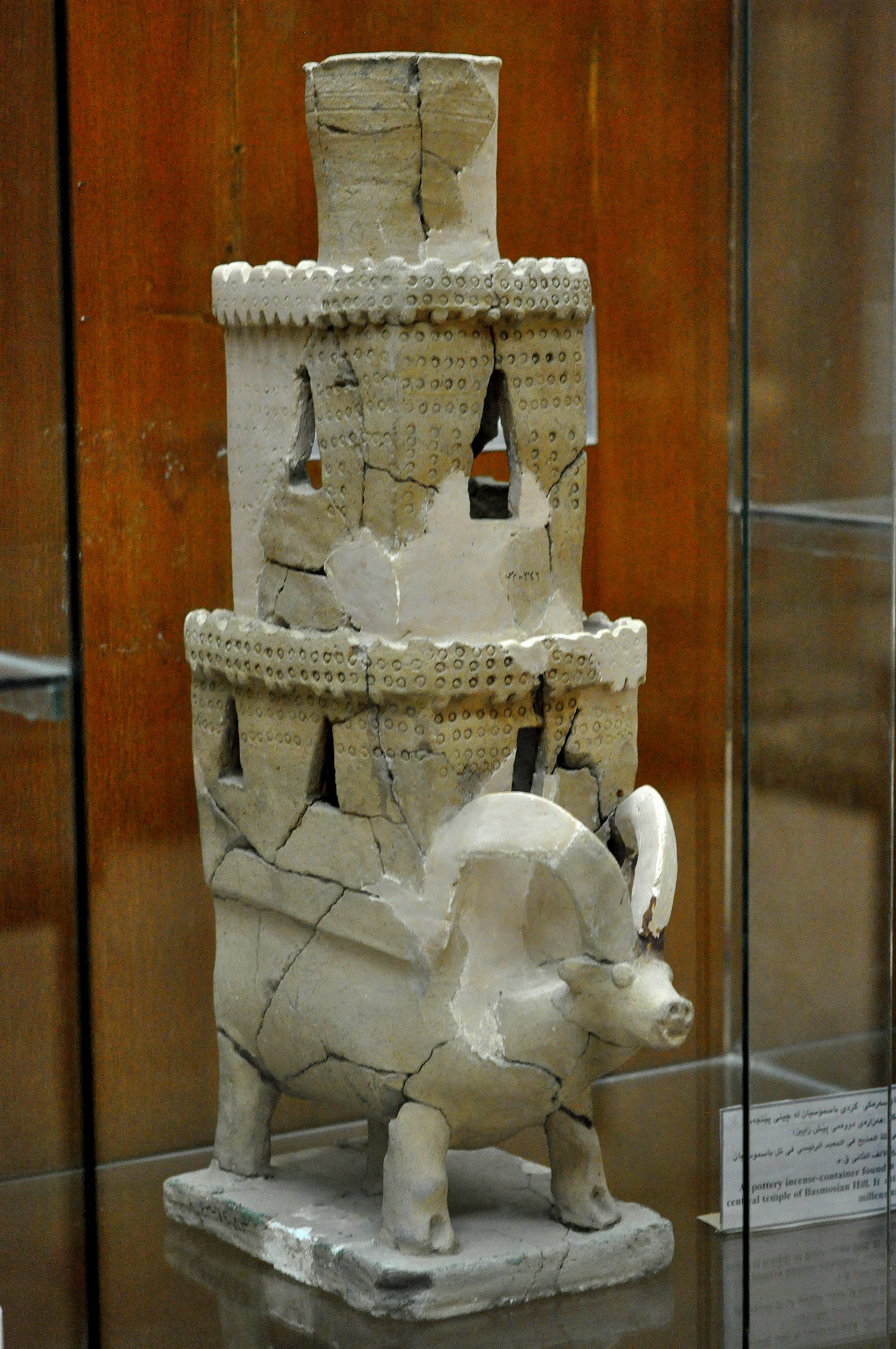
Tell Bazmusian
Large tell site with multi-period occupation.
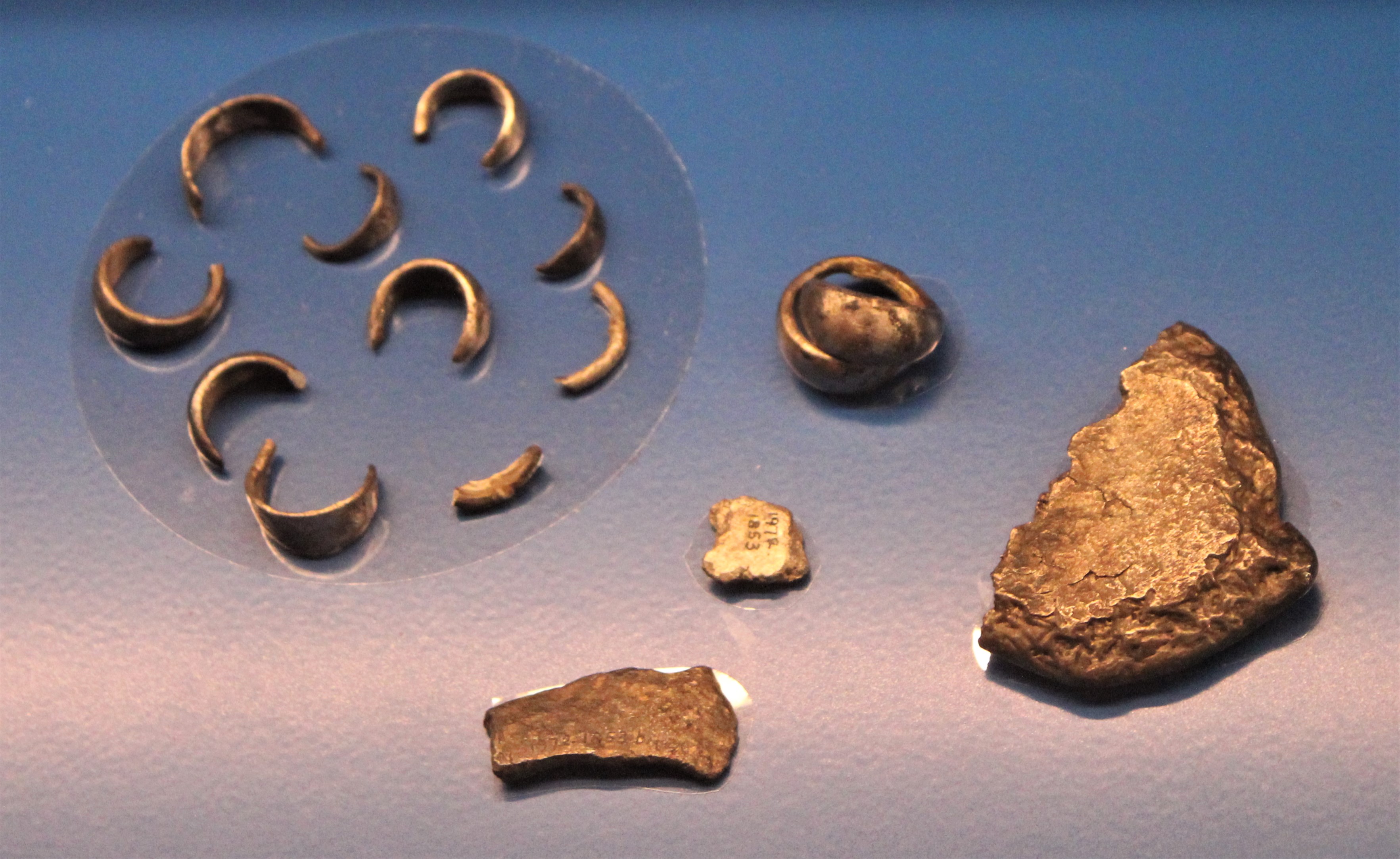
Tell Taya
Ancient hill city with fortifications and artifacts.
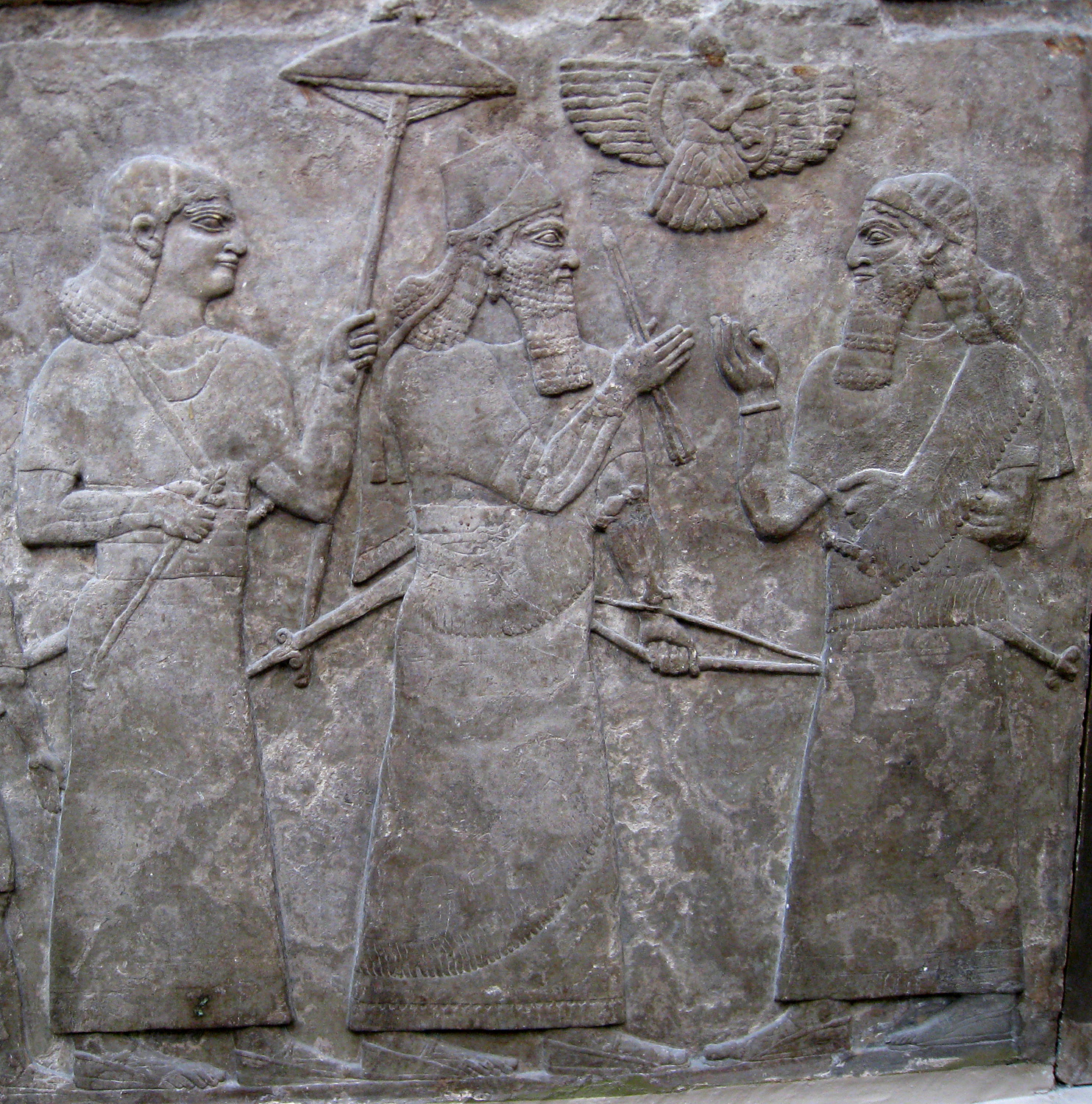
Assur
Ancient Assyrian city on the Tigris River
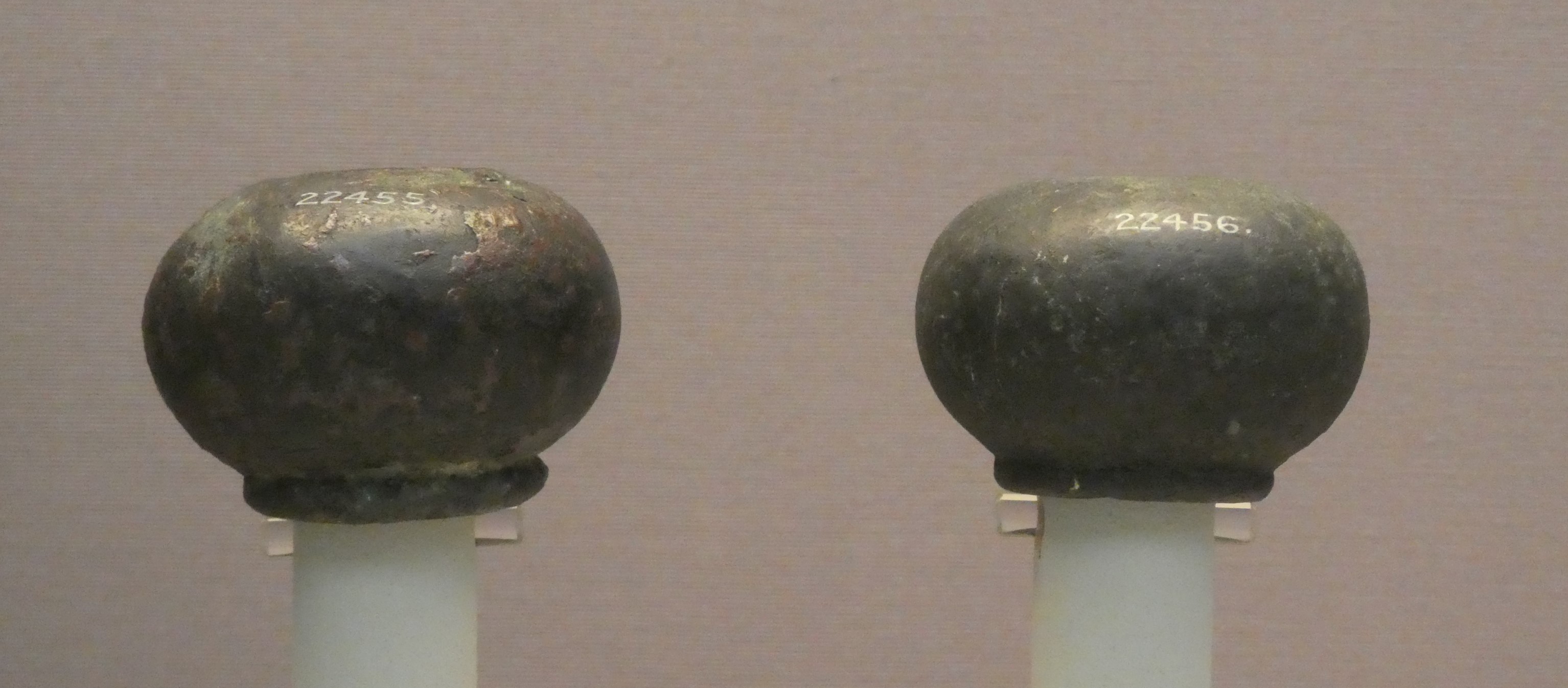
Tell Muhammad
Ancient site with fortifications and tablets