Explore the Map
Hadji Muhammed
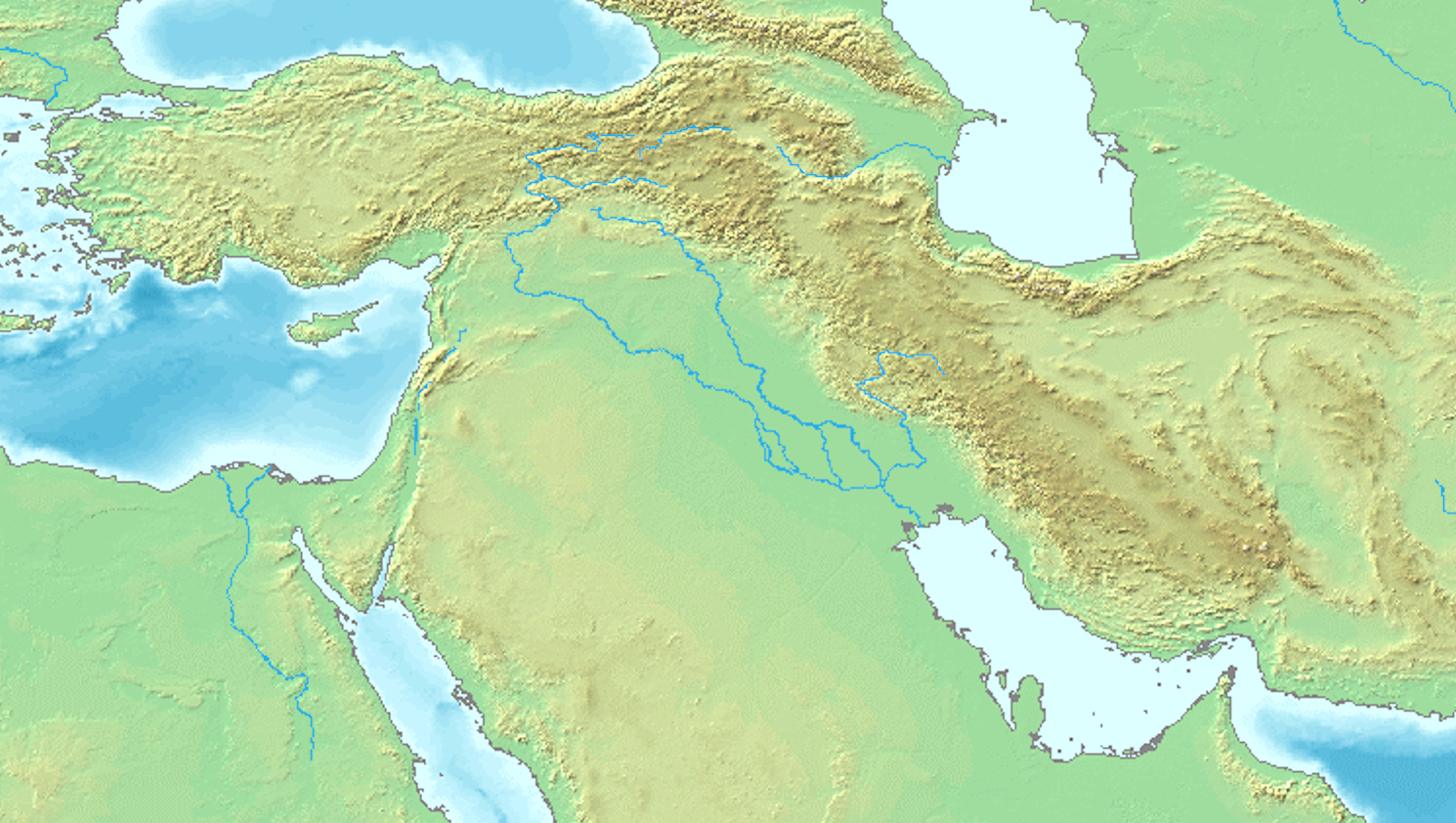
31.3244° N, 45.6365° E
About
The Hadji Muhammed site in Southern Iraq is an important archaeological location associated with the early phases of the Ubaid culture. Known for its distinctive style of painted pottery, the site features geometric designs in dark brown, black, or purple. It lies temporally between the earliest settlement of Eridu and the classical Ubaid style. Significant developments during the Hadji Muhammed period include the establishment of extensive canal networks, indicating advanced irrigation agriculture that required collective labor and centralized coordination. Habitation structures from this period were primarily built using wattle and daub or mud brick. The findings at Hadji Muhammed provide insight into the technological and social advancements of early Mesopotamian societies, marking a crucial phase in the development of complex urban centers in the region.
Gallery
Explore photographs of ancient structures, artifacts, and archaeological excavations
Historical Timeline
Journey through time and discover key events in this site's history
Development of Irrigation Agriculture
4700 BCE
Archaeological Features
Unique architectural and cultural elements found at this historical site
Water Management Features
Domestic and Habitation Structures
Frequently Asked Questions
Plan Your Visit
Tours, travel arrangements, and practical information
More Sites in Iraq
Tell Rashid
Ubaid period settlement mound in Iraq
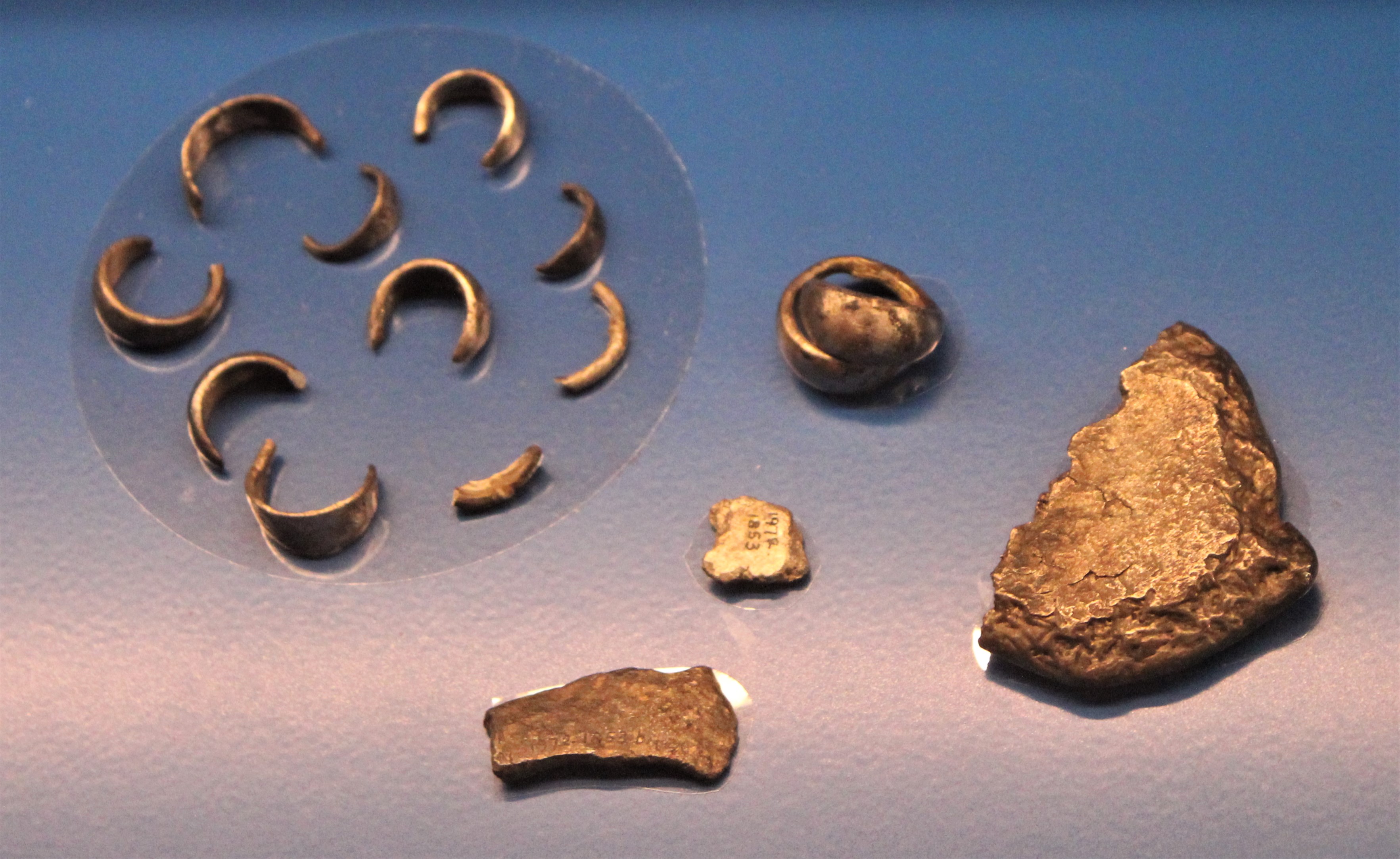
Tell Taya
Ancient hill city with fortifications and artifacts.
Tell al-Lahm
Oblong mound with city wall remnants
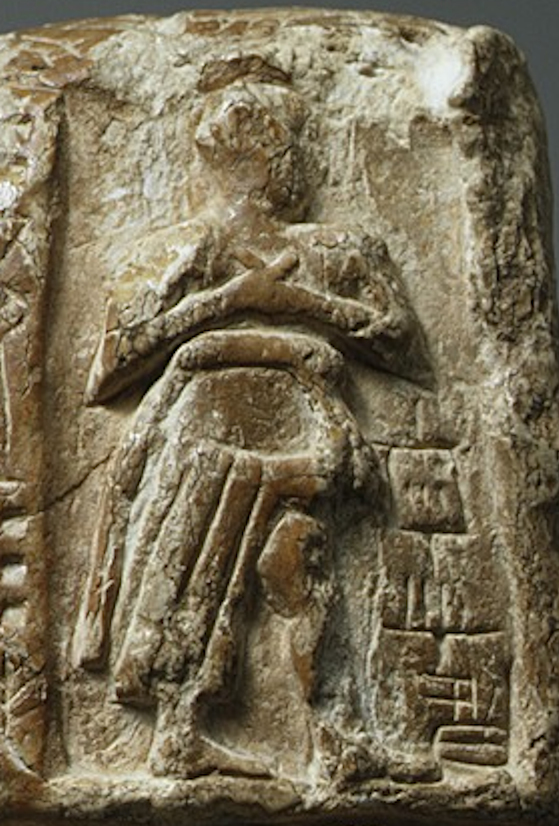
Larsa
Sumerian city-state and temple complex, Isin–Larsa period
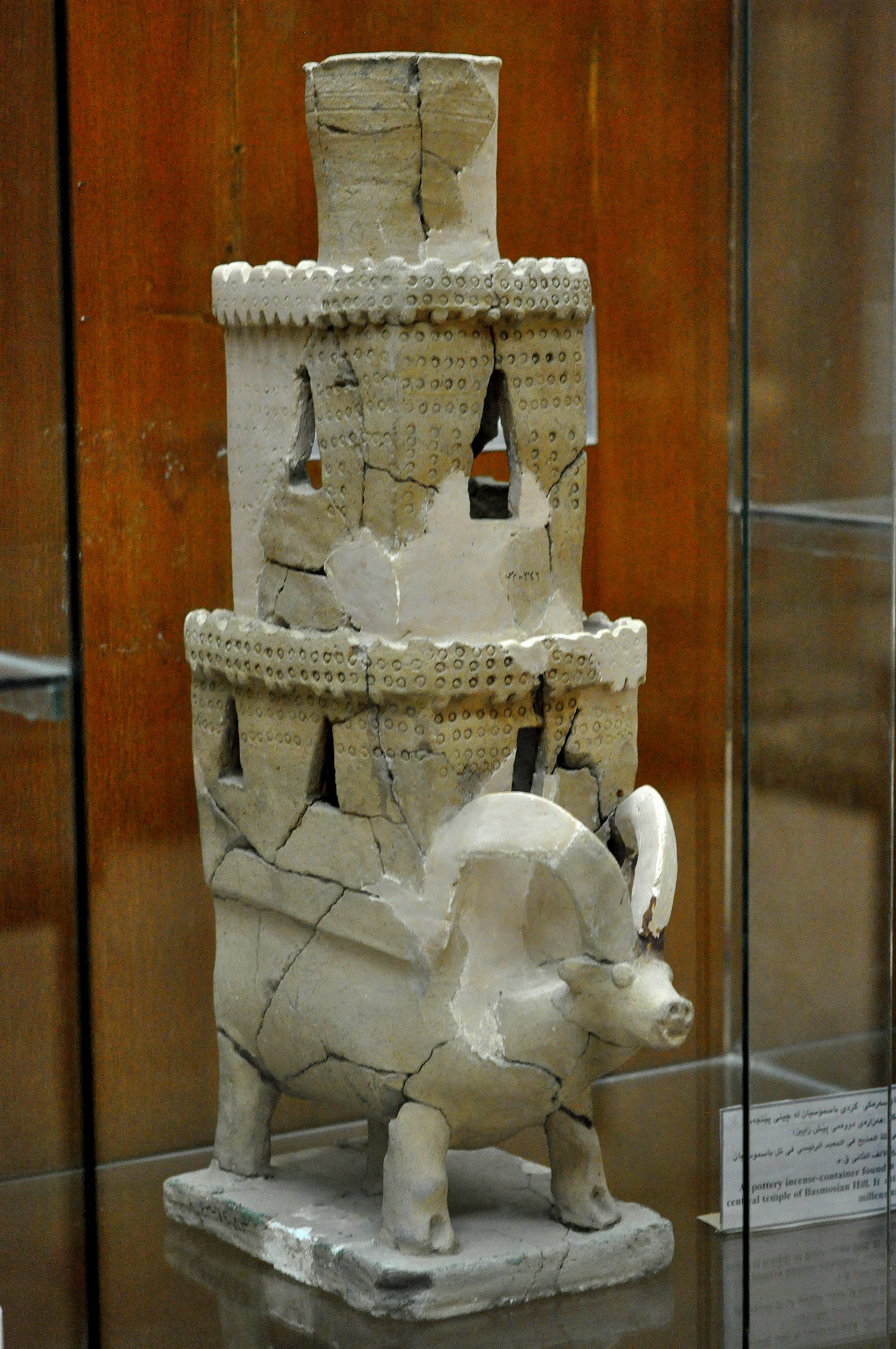
Tell Bazmusian
Large tell site with multi-period occupation.
Tell Yelkhi
Oval mound with Kassite and earlier remains.