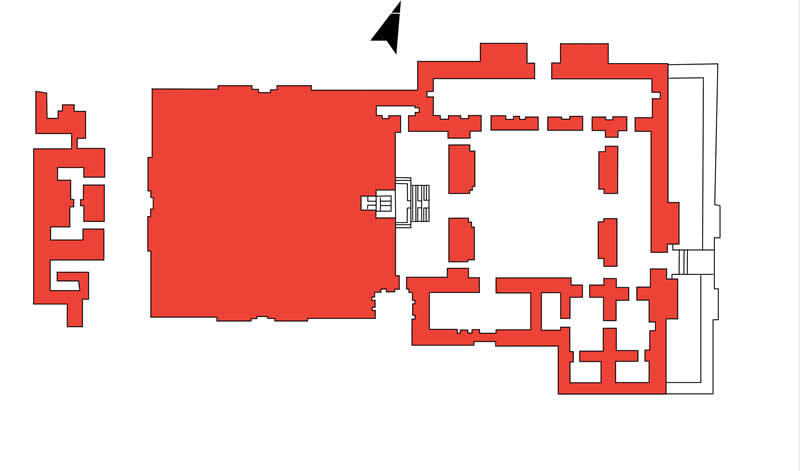
Explore the Map
Kar-Tukulti-Ninurta
35.4947° N, 43.2700° E
About
Kar-Tukulti-Ninurta, located in modern-day Iraq, was an Assyrian city founded by King Tukulti-Ninurta I around the 13th century BCE. As a new cult center and potential capital, it was strategically positioned on the eastern bank of the Tigris River, approximately 3 kilometers north of Assur. The city was distinguished by its 800 by 800-meter walled area, featuring a prominent temple dedicated to the Assyrian deity Ashur, complete with a ziggurat. The temple's significance was underscored by the relocation of Ashur's cult image from Assur. A lavishly adorned royal palace stood on an elevated platform nearby. Following Tukulti-Ninurta I's death, Kar-Tukulti-Ninurta was largely abandoned, although some occupation persisted into the Neo-Assyrian period. Archaeological excavations have provided insights into its urban layout and religious significance.
Gallery
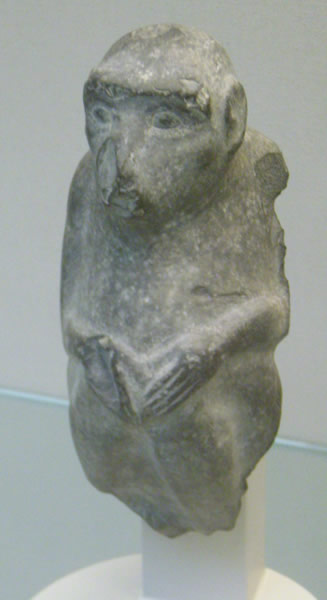
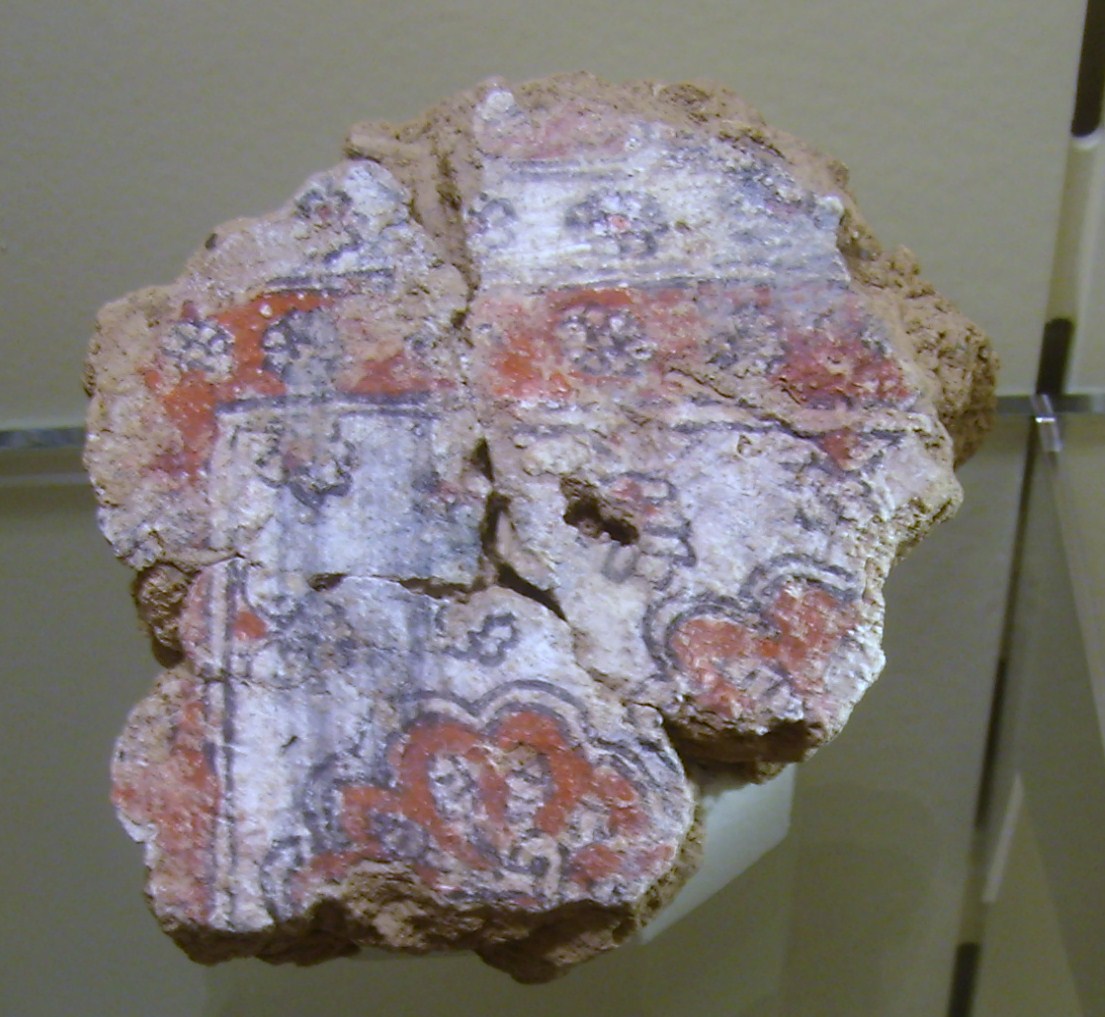
Explore photographs of ancient structures, artifacts, and archaeological excavations
Historical Timeline
Journey through time and discover key events in this site's history
Foundation of Kar-Tukulti-Ninurta
c. 1243 BCE
Death of Tukulti-Ninurta I
c. 1207 BCE
Abandonment and Neo-Assyrian Occupation
post-1207 BCE
Archaeological Features
Unique architectural and cultural elements found at this historical site
Defensive Structures
Religious and Ritual Structures
Domestic and Habitation Structures
Frequently Asked Questions
Plan Your Visit
Tours, travel arrangements, and practical information
More Sites in Iraq
Larsa
Sumerian city-state and temple complex, Isin–Larsa period
Tell al-Lahm
Oblong mound with city wall remnants
Tarbisu
Ancient Assyrian city with palaces and temples
Assur
Ancient Assyrian city on the Tigris River
Tell Bazmusian
Large tell site with multi-period occupation.
Tell Yelkhi
Oval mound with Kassite and earlier remains.