
Explore the Map
Lubdu
35.1950° N, 44.2014° E
About
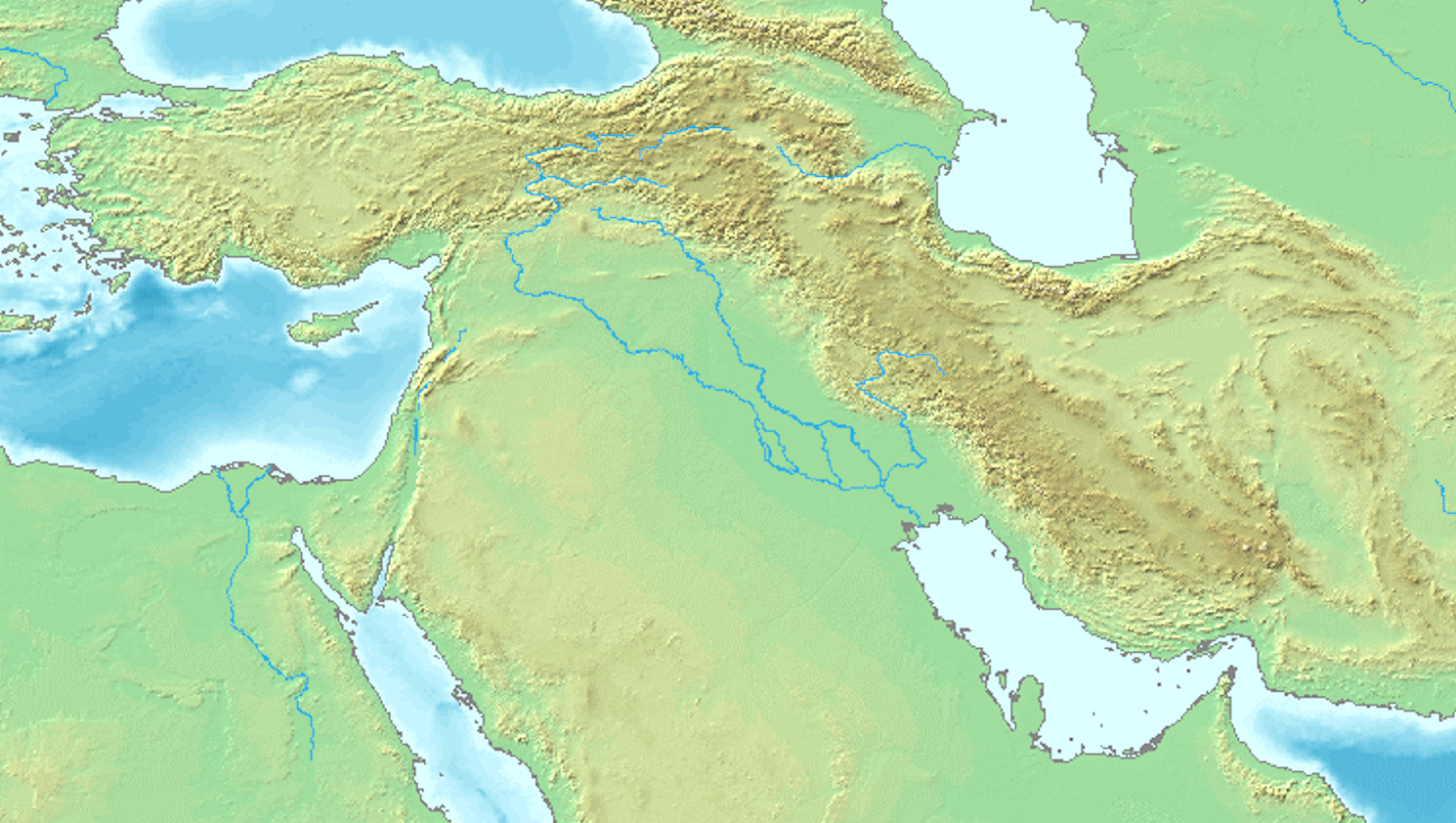
Lubdu was an ancient city in Mesopotamia, playing significant roles across various periods. Initially a provincial center south of Arrapḫa, modern Kirkuk, it is thought to have been located at the mound of Tall Buldāgh. In the 15th century BCE, Lubdu was recognized as a significant cultic center in a Hurrian inscription. The city's strategic importance is highlighted by its conquest by the Kassite kingdom of Babylonia in the 14th century BCE, serving as a frontier city at the northeastern edge of Babylonian control. Subsequently, Lubdu faced destruction by the Assyrian king Adad-nīrārī I in the 13th century BCE and was later conquered by Adad-nīrārī II in the 10th century BCE, marking it as a key defensive fortress during these times. Its historical narrative further extends to the 7th century BCE, where it is mentioned in the records of Ashurbanipal, highlighting continued military engagements in the area.
Gallery
Explore photographs of ancient structures, artifacts, and archaeological excavations
Historical Timeline
Journey through time and discover key events in this site's history
Adad-nīrārī II conquers Lubdu
911 or 910 BCE
Ashurbanipal's record mentions Lubdu
648 BCE
Kassite conquest of Lubdu
Mid-14th century BCE
Hurrian inscription mentions Lubdu
mid-15th century BCE
Adad-nīrārī I destroys Lubdu
1307–1275 BCE
Archaeological Features
Unique architectural and cultural elements found at this historical site
Defensive Structures
Religious and Ritual Structures
Domestic and Habitation Structures
Frequently Asked Questions
Plan Your Visit
Tours, travel arrangements, and practical information
More Sites in Iraq
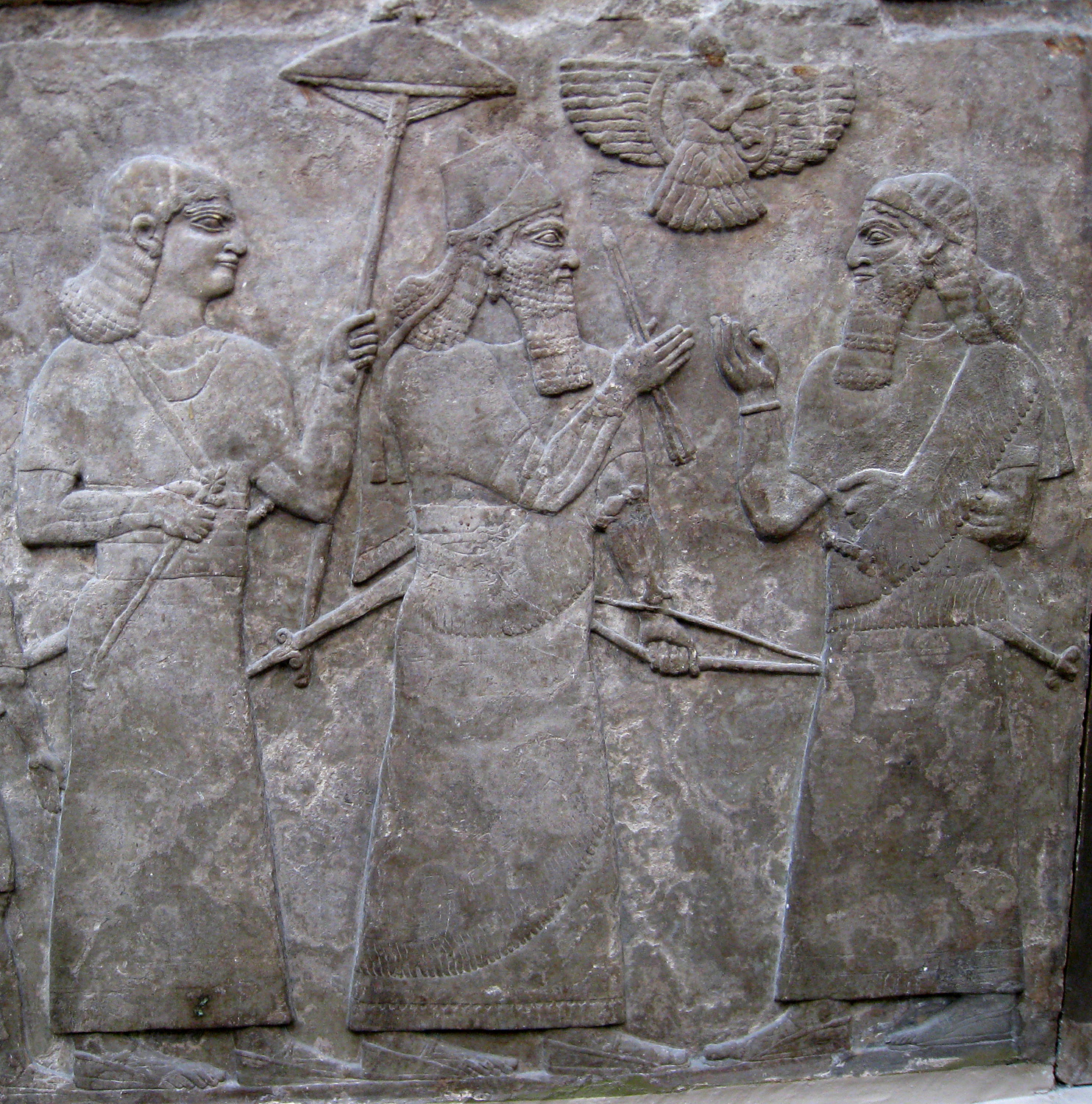
Assur
Ancient Assyrian city on the Tigris River
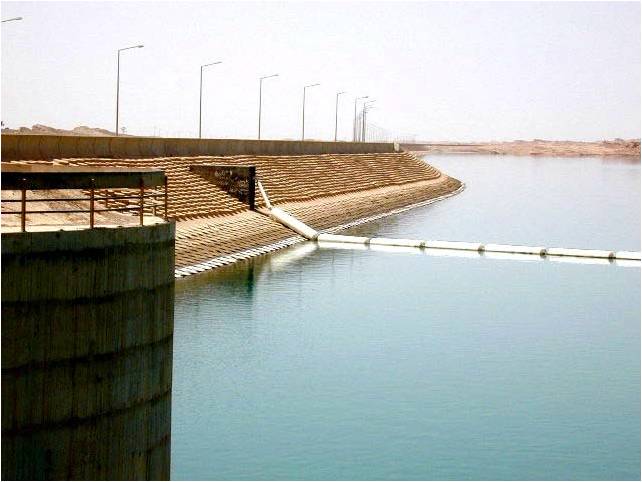
Tell Yelkhi
Oval mound with Kassite and earlier remains.
Tell al-Lahm
Oblong mound with city wall remnants
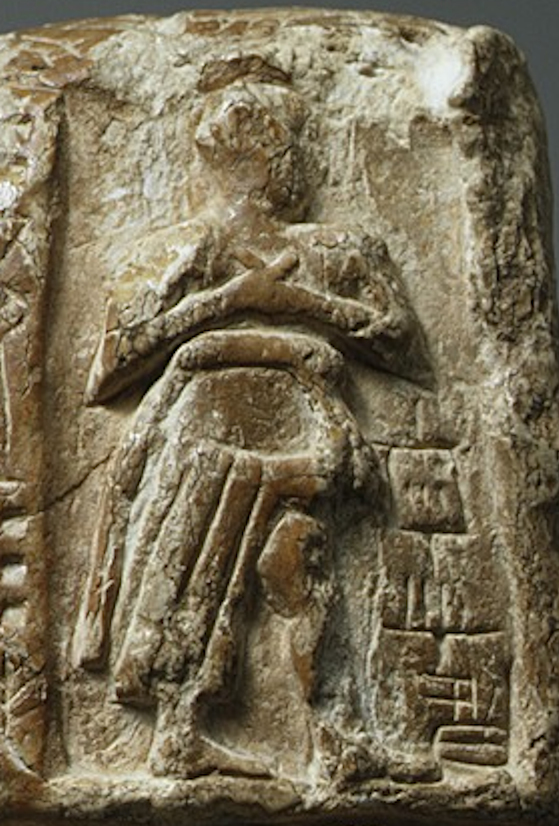
Larsa
Sumerian city-state and temple complex, Isin–Larsa period
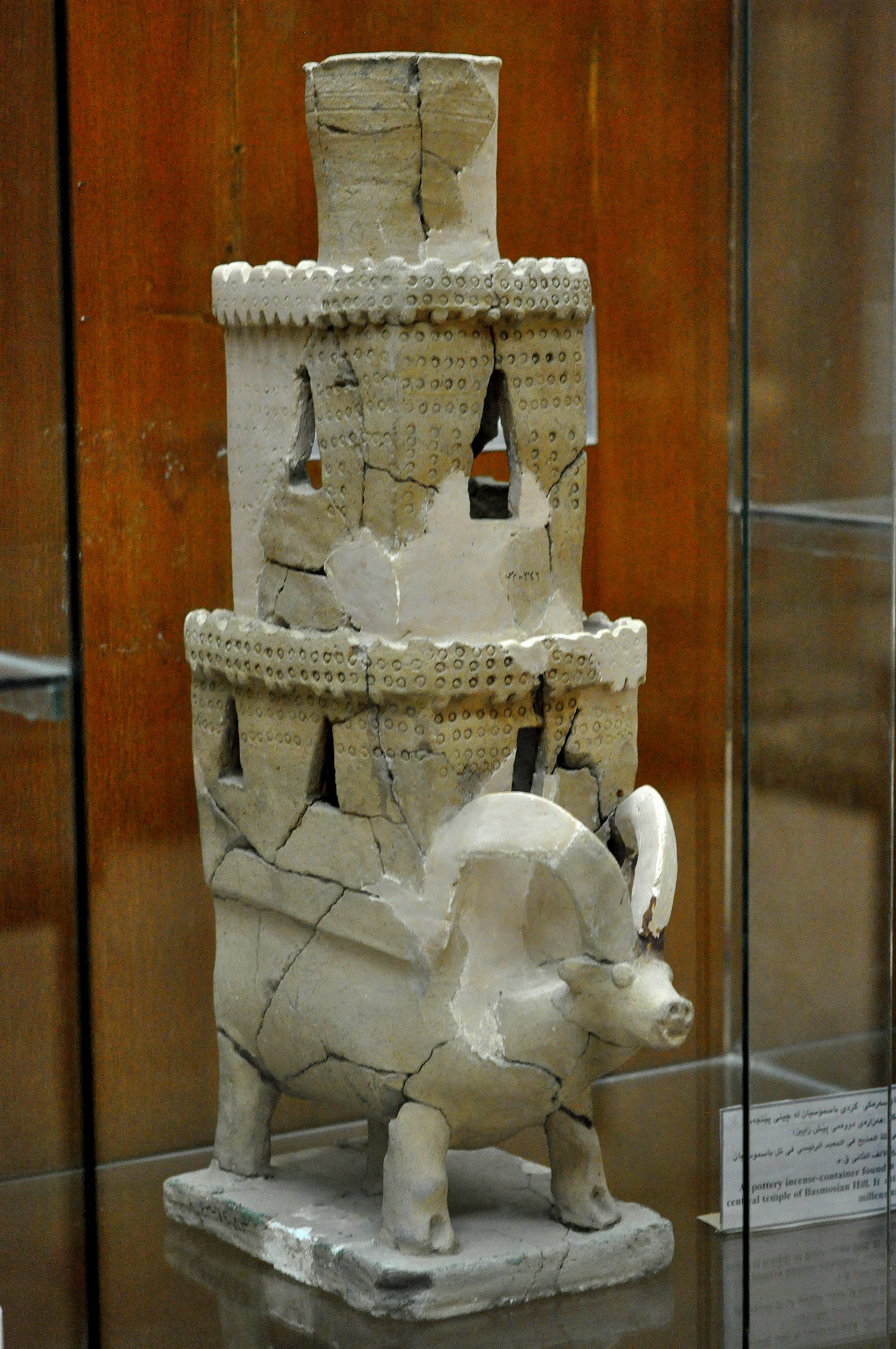
Tell Bazmusian
Large tell site with multi-period occupation.
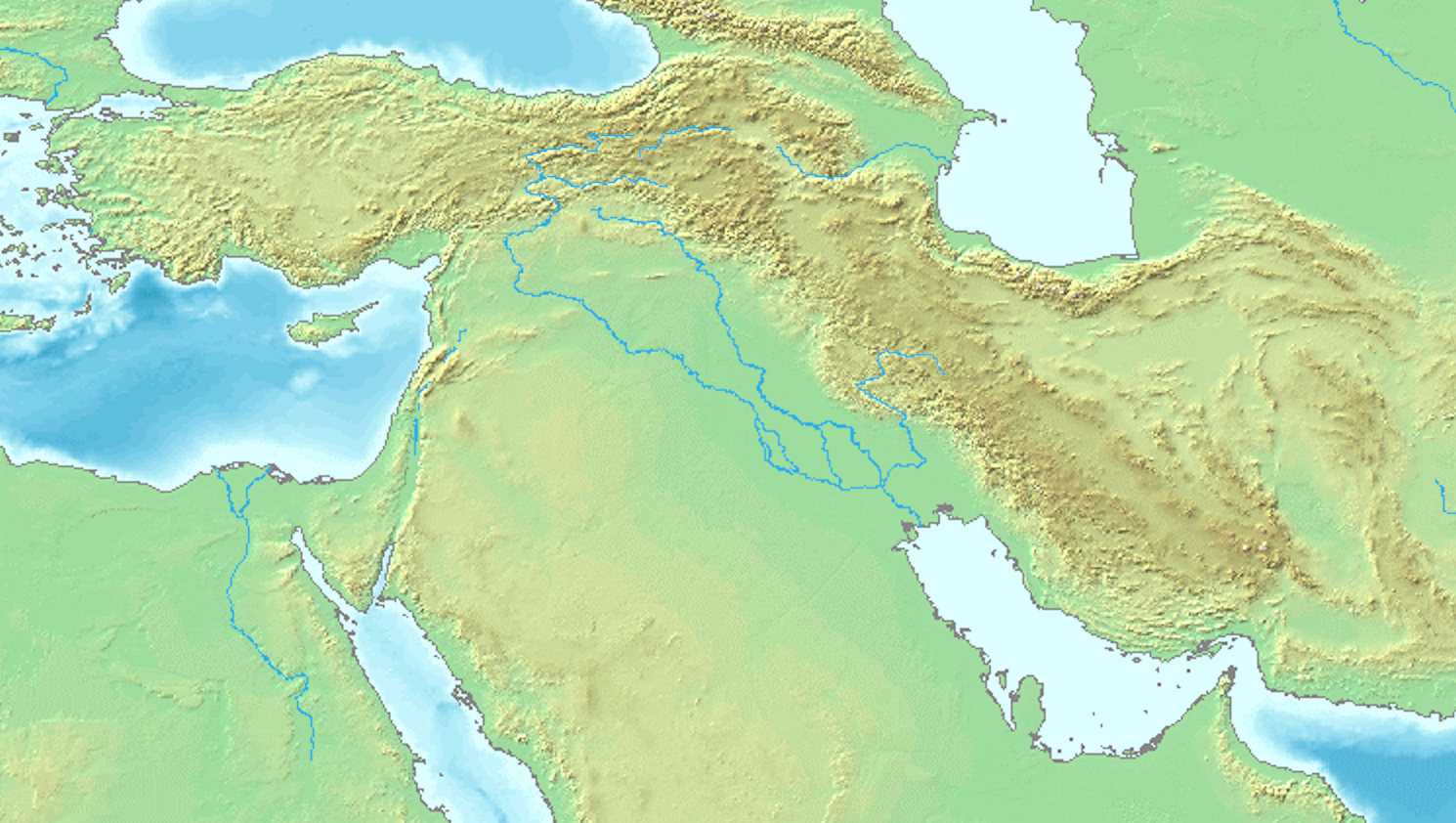
Tell al-Fakhar
Pottery mound with multi-period occupation.