Explore the Map
Qalat-i Dinka
36.1369° N, 45.1325° E
About
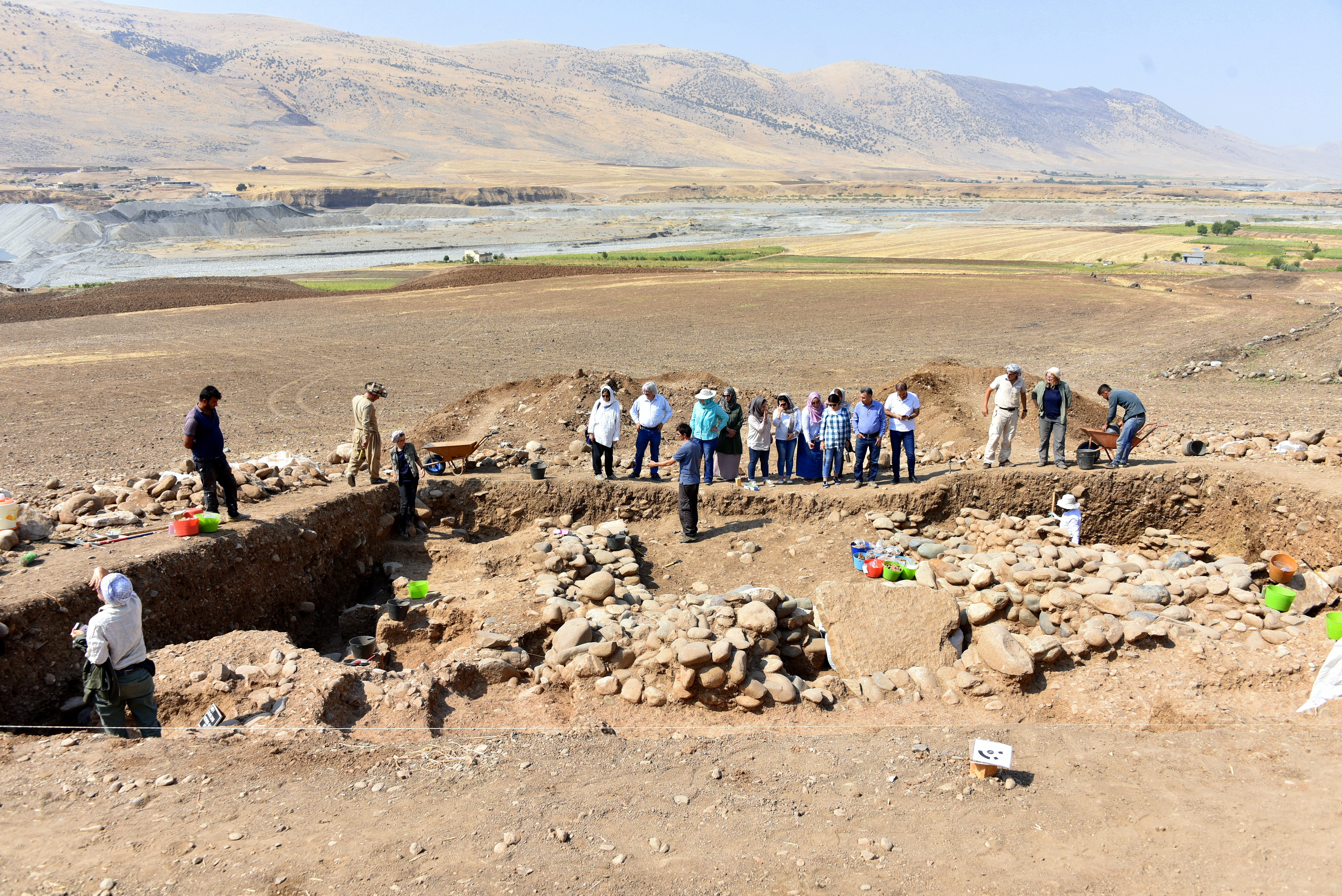
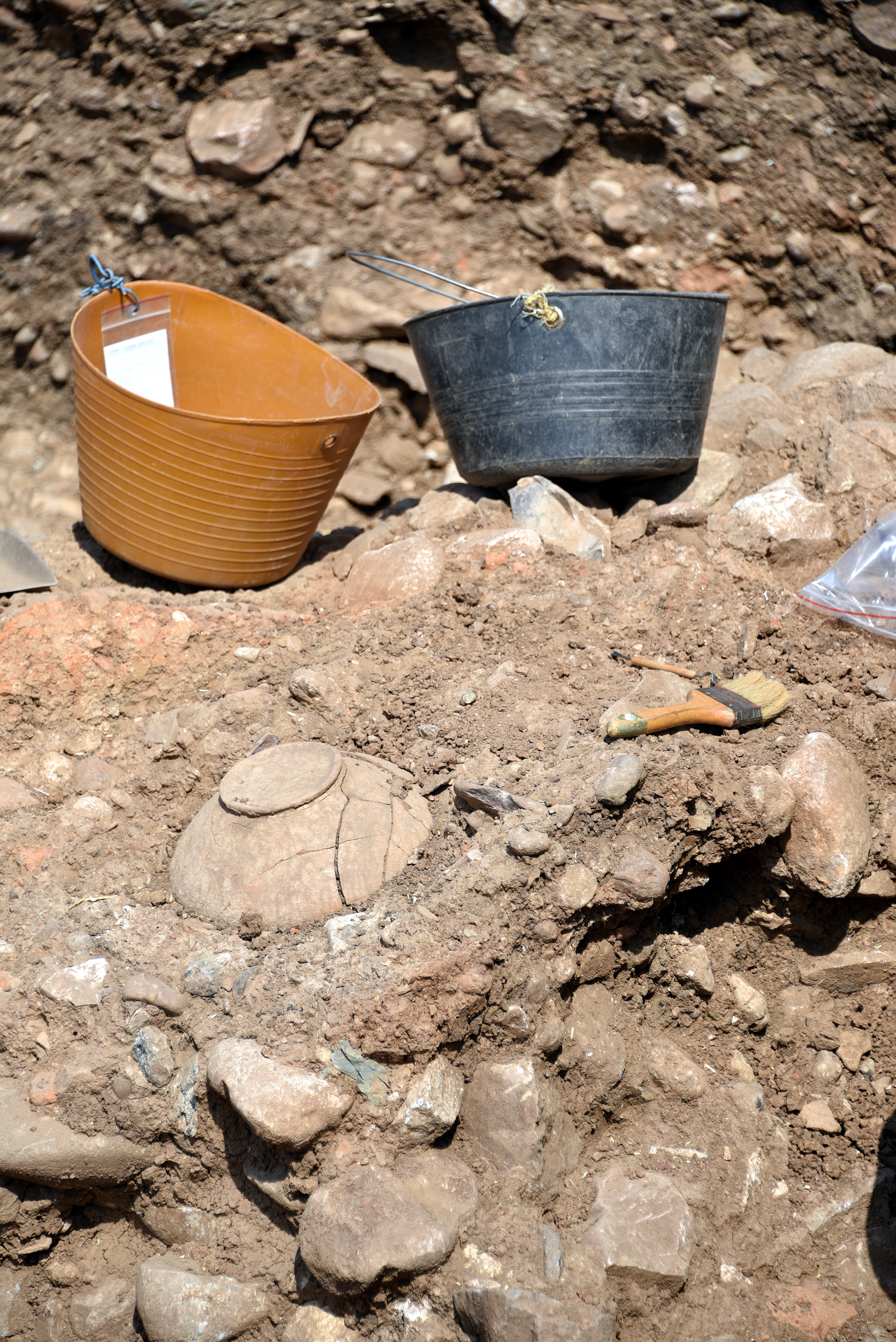
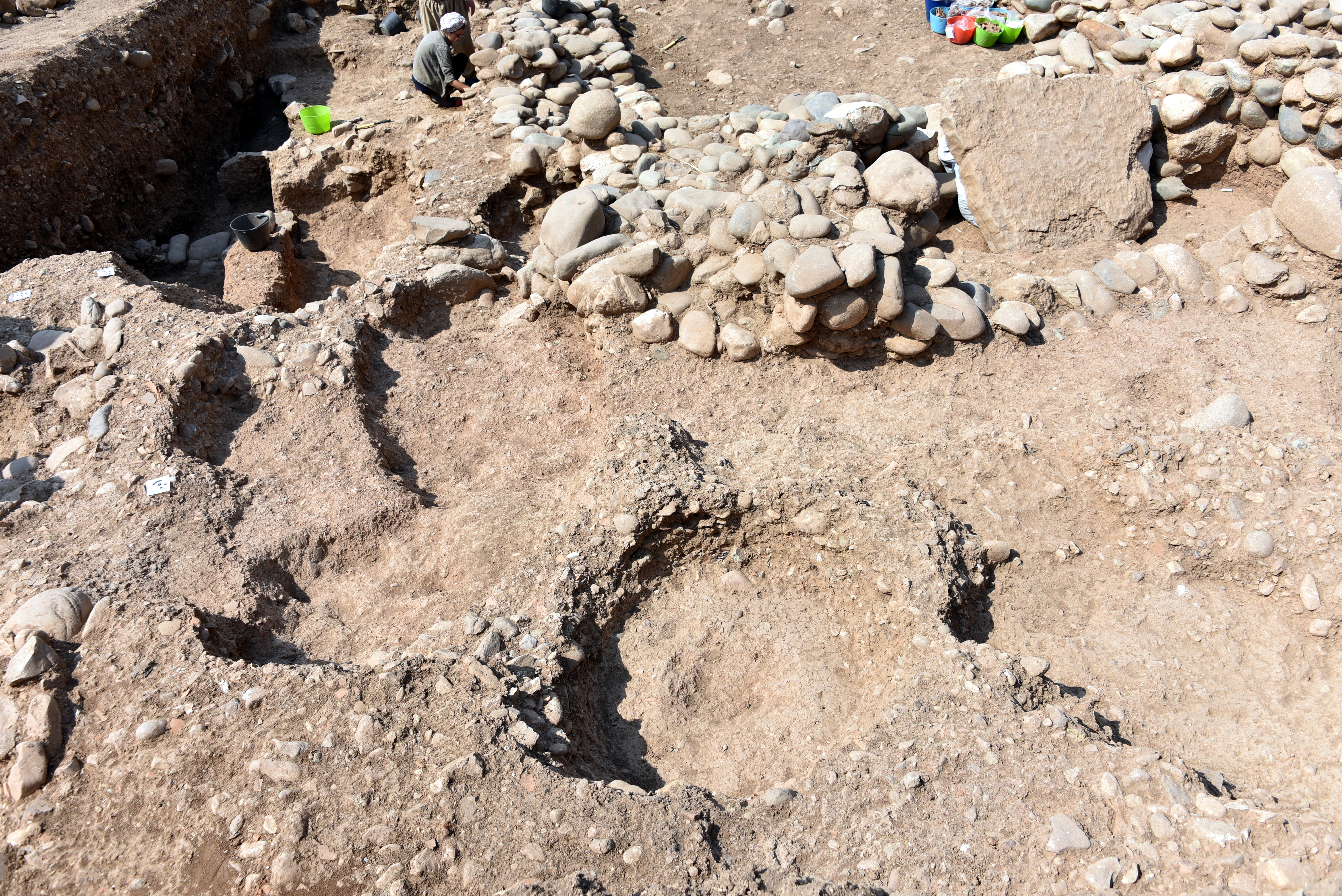
Qalat-i Dinka is an archaeological site in Iraq, situated on the Little Zab River in the Sulaymaniyah Governorate. The site primarily contains the remains of a Neo-Assyrian city occupying about 60 hectares, though its ancient name remains unknown. Modern looting has complicated the excavation efforts. Excavations reveal a multi-period occupation, with evidence dating back to the Copper Age, including a furnace. The city's layout is understood through magnometric surveys, revealing residential buildings made of rubble, a large hall with a brick-paved floor, and a citadel area. The site yielded ceramics, cylinder seals, and bronze items, along with Sassanid period graves containing jewelry. This site offers insights into the region's urban development and cultural transitions from ancient times through the classical periods.
Gallery
Explore photographs of ancient structures, artifacts, and archaeological excavations
Historical Timeline
Journey through time and discover key events in this site's history
Copper Age occupation
3500 BCE - 2500 BCE
Neo-Assyrian city development
900 BCE - 700 BCE
Sassanid period burials
200 CE - 600 CE
Archaeological Features
Unique architectural and cultural elements found at this historical site
Burial and Funerary Structures
Industrial and Craft Structures
Domestic and Habitation Structures
Frequently Asked Questions
Plan Your Visit
Tours, travel arrangements, and practical information
More Sites in Iraq
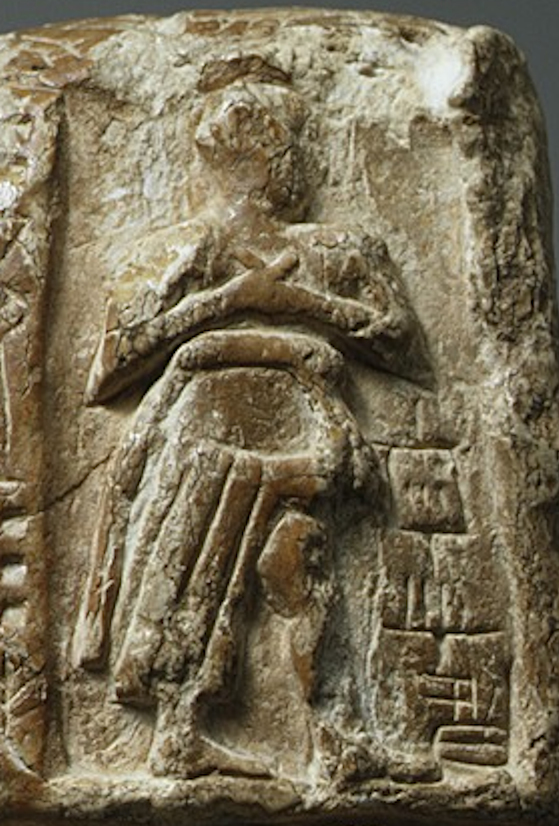
Larsa
Sumerian city-state and temple complex, Isin–Larsa period
Tell al-Lahm
Oblong mound with city wall remnants
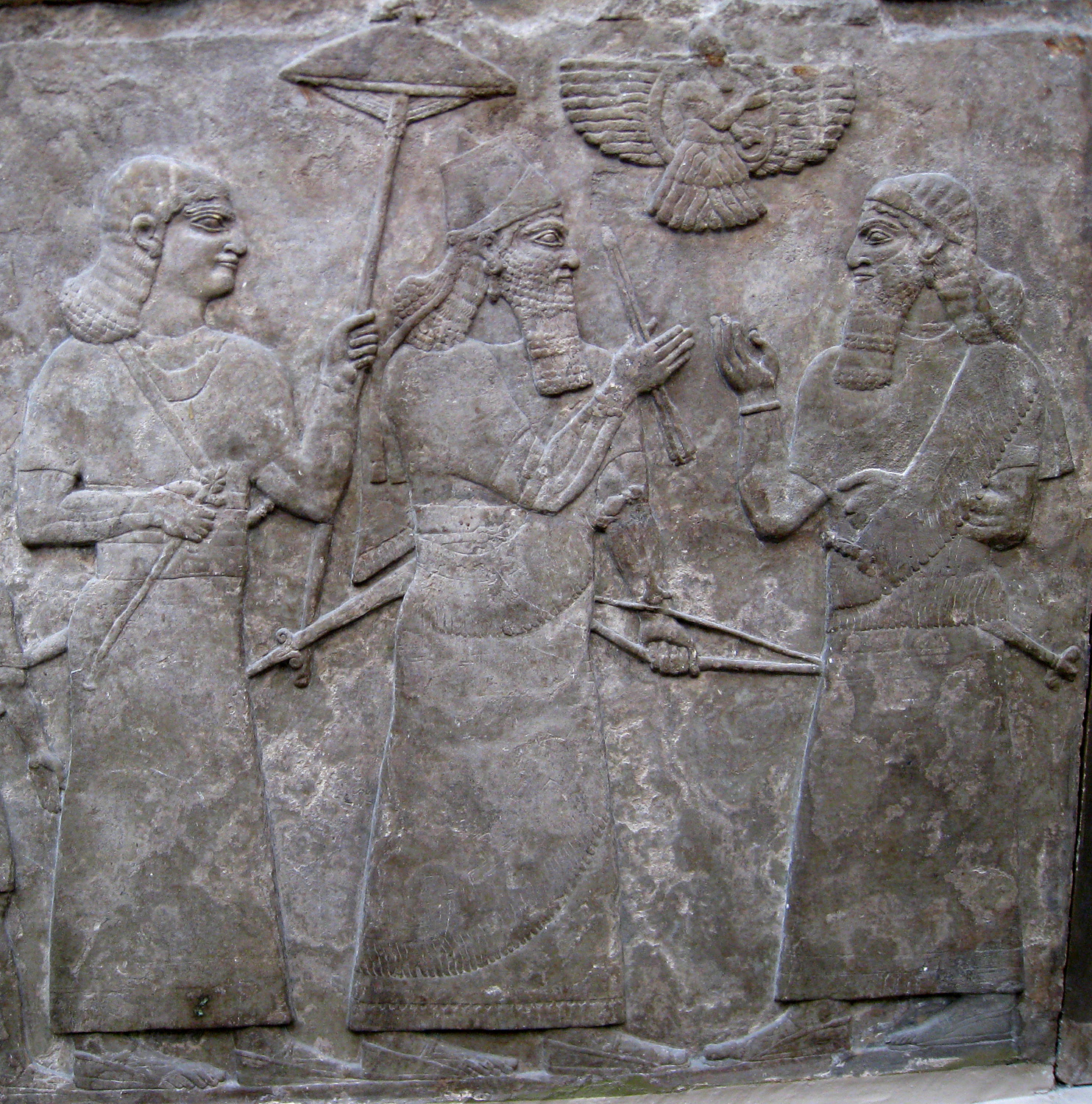
Assur
Ancient Assyrian city on the Tigris River
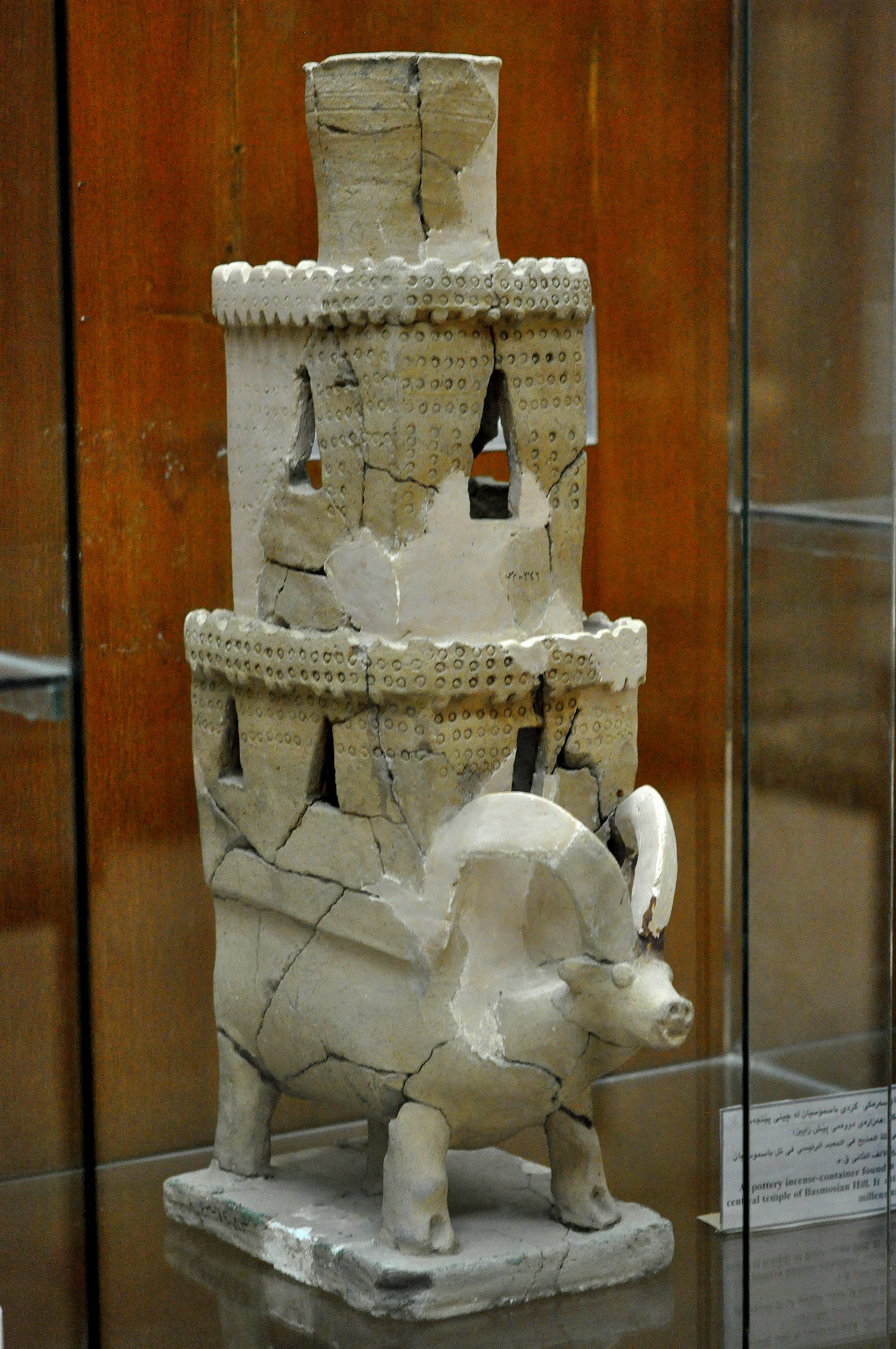
Tell Bazmusian
Large tell site with multi-period occupation.
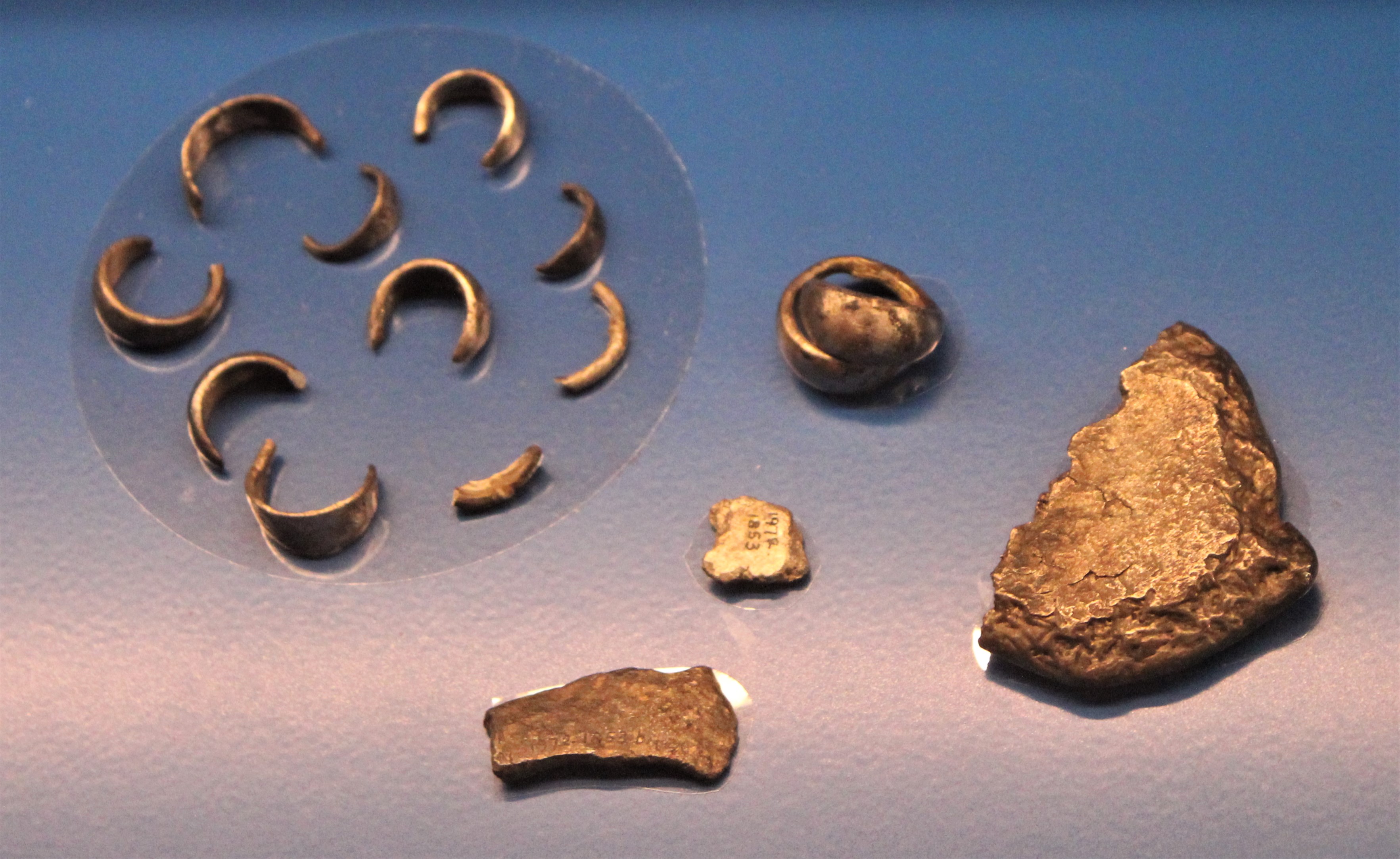
Tell Taya
Ancient hill city with fortifications and artifacts.
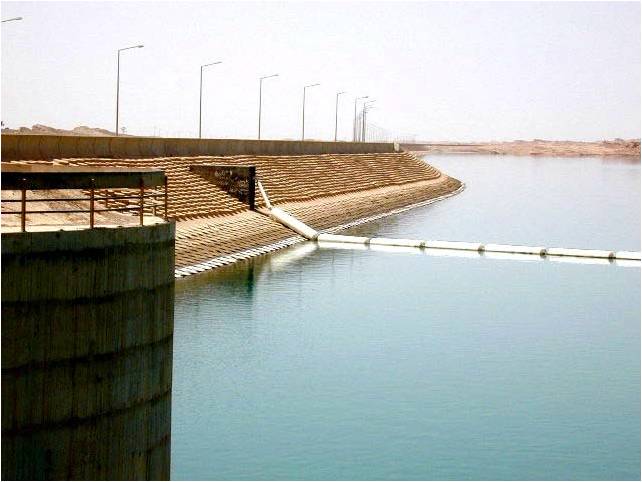
Tell Yelkhi
Oval mound with Kassite and earlier remains.