
Explore the Map
Shanidar Cave
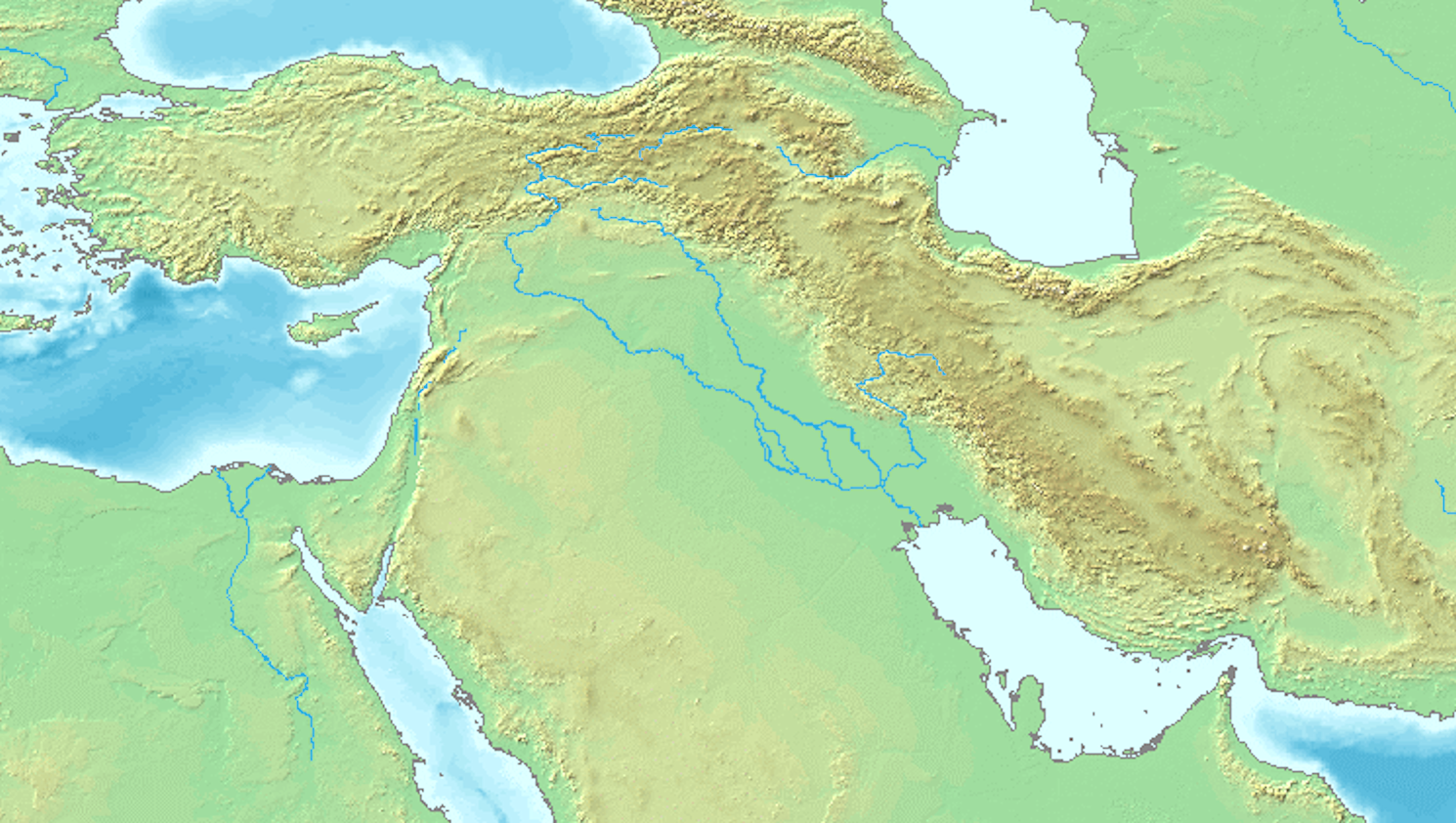
36.8316° N, 44.2211° E
About
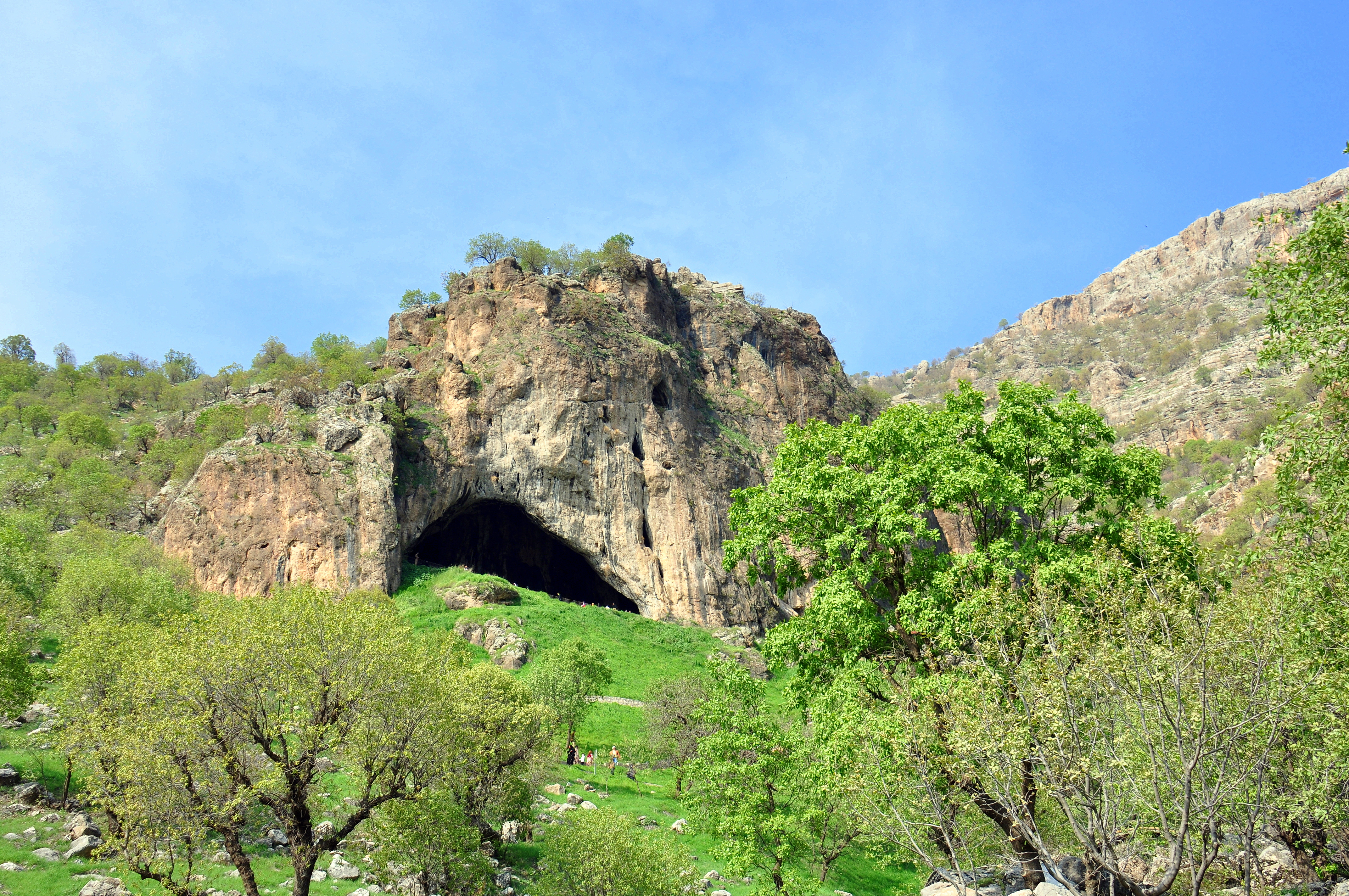
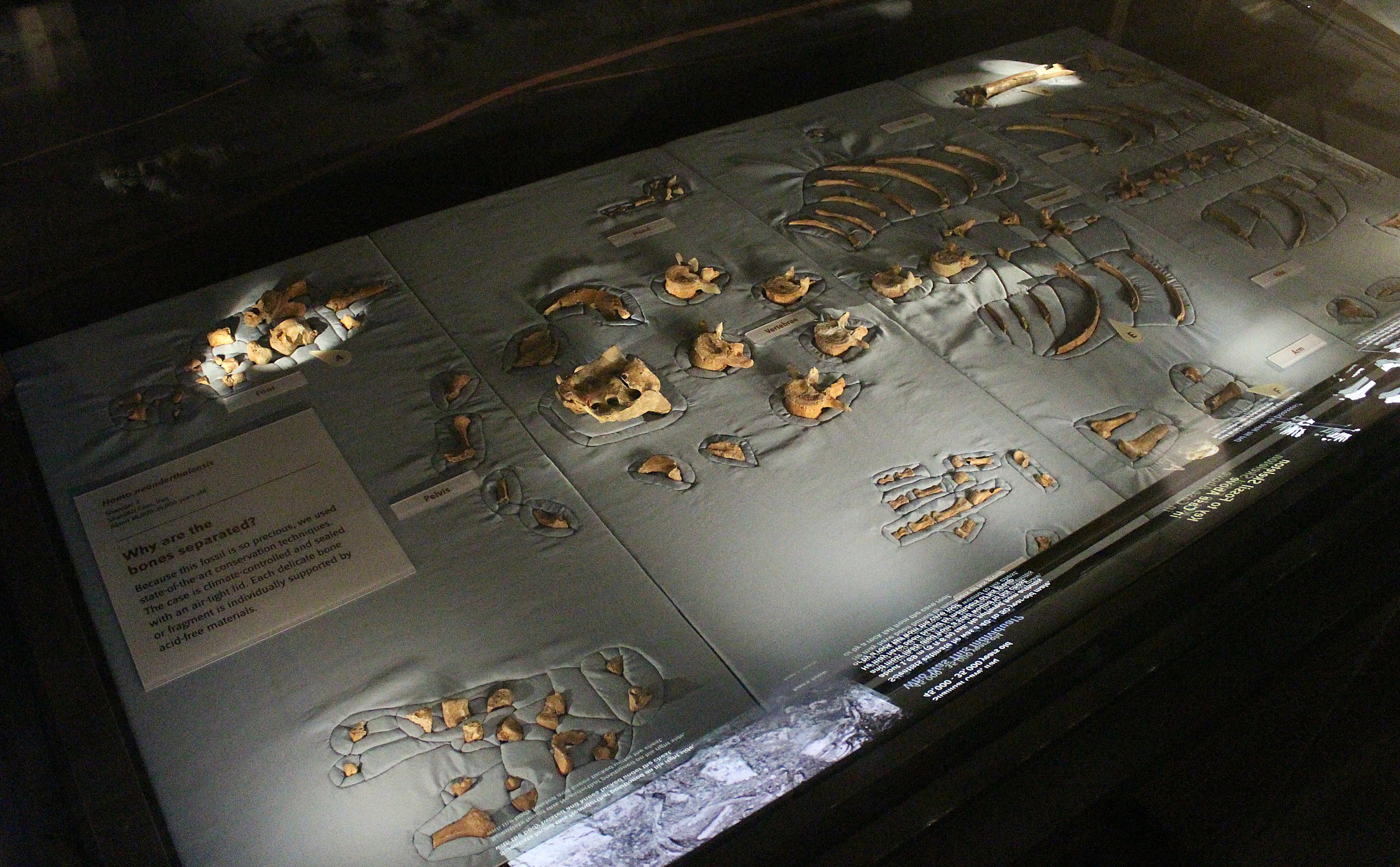
Shanidar Cave, located in the Zagros Mountains of northern Iraq, is a significant archaeological site known for its extensive Neanderthal remains. The site features a large cave that served as a habitation space and burial ground for Neanderthals between approximately 65,000 and 35,000 years ago. Key finds include the well-preserved Shanidar 1, a Neanderthal male who exhibited signs of severe injury and possible care by his community, and Shanidar 4, known for the 'flower burial' which suggested ritualistic behavior. The cave also contains a proto-Neolithic cemetery dating back to around 10,600 BCE. The presence of various cultural layers, including Mousterian and Baradostian, along with Neolithic deposits, highlights the cave's long-term occupation and its role in understanding human and Neanderthal evolution, subsistence practices, and social behaviors.
Gallery
Explore photographs of ancient structures, artifacts, and archaeological excavations
Historical Timeline
Journey through time and discover key events in this site's history
Proto-Neolithic cemetery
10,600 BCE
Neanderthal occupation
65,000-35,000 BCE
Archaeological Features
Unique architectural and cultural elements found at this historical site
Burial and Funerary Structures
Domestic and Habitation Structures
Environmental and Natural Features
Frequently Asked Questions
Plan Your Visit
Tours, travel arrangements, and practical information
More Sites in Iraq
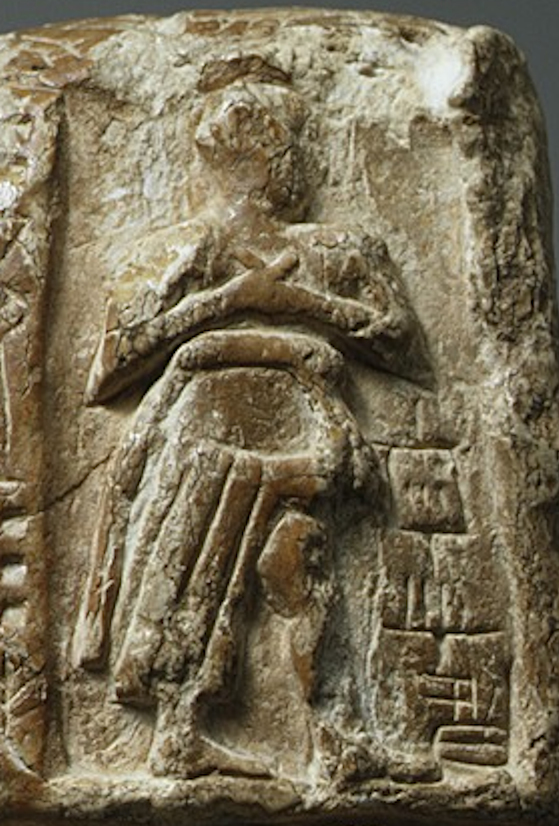
Larsa
Sumerian city-state and temple complex, Isin–Larsa period
Tell al-Lahm
Oblong mound with city wall remnants
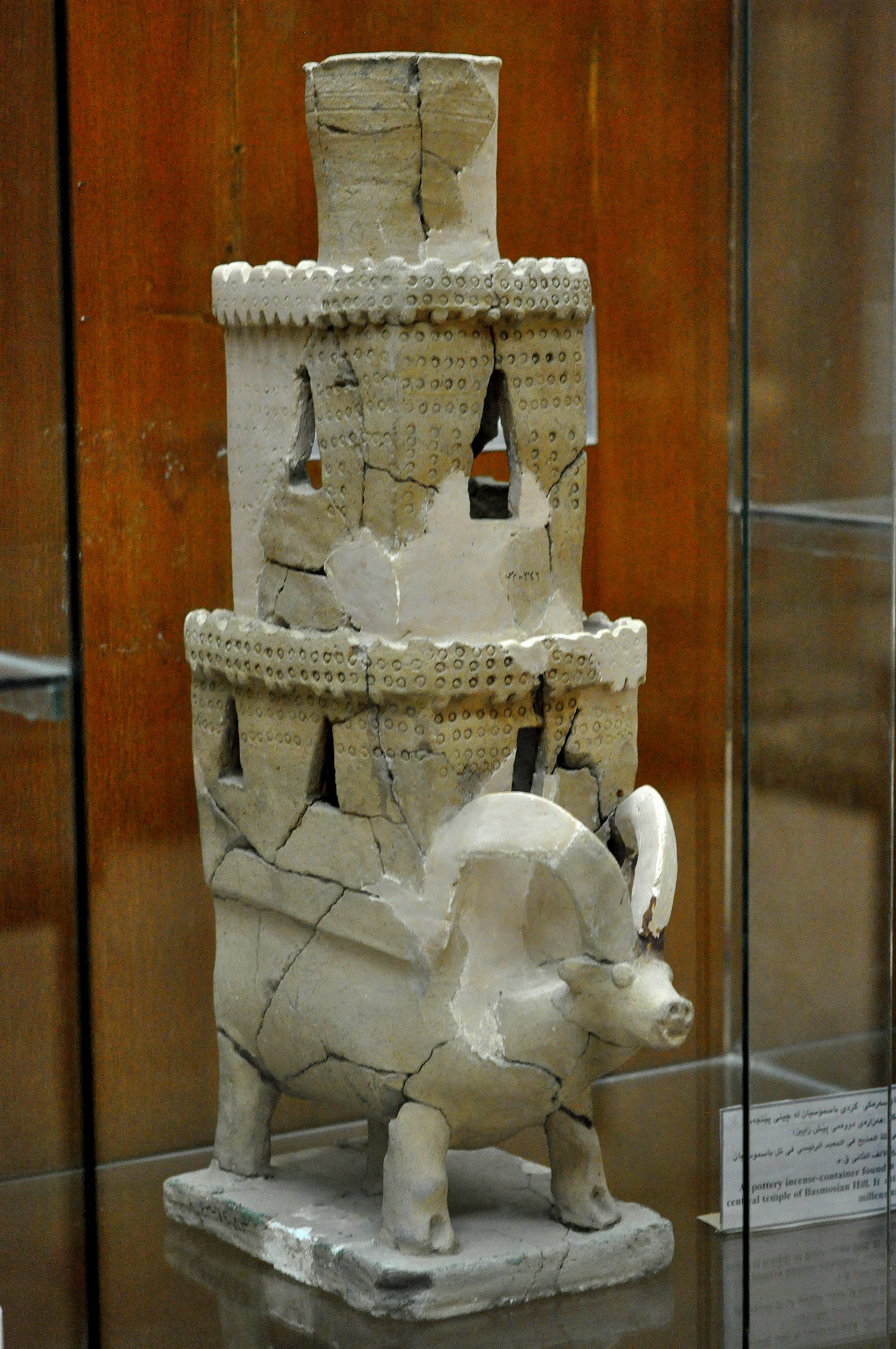
Tell Bazmusian
Large tell site with multi-period occupation.
Tell Rashid
Ubaid period settlement mound in Iraq
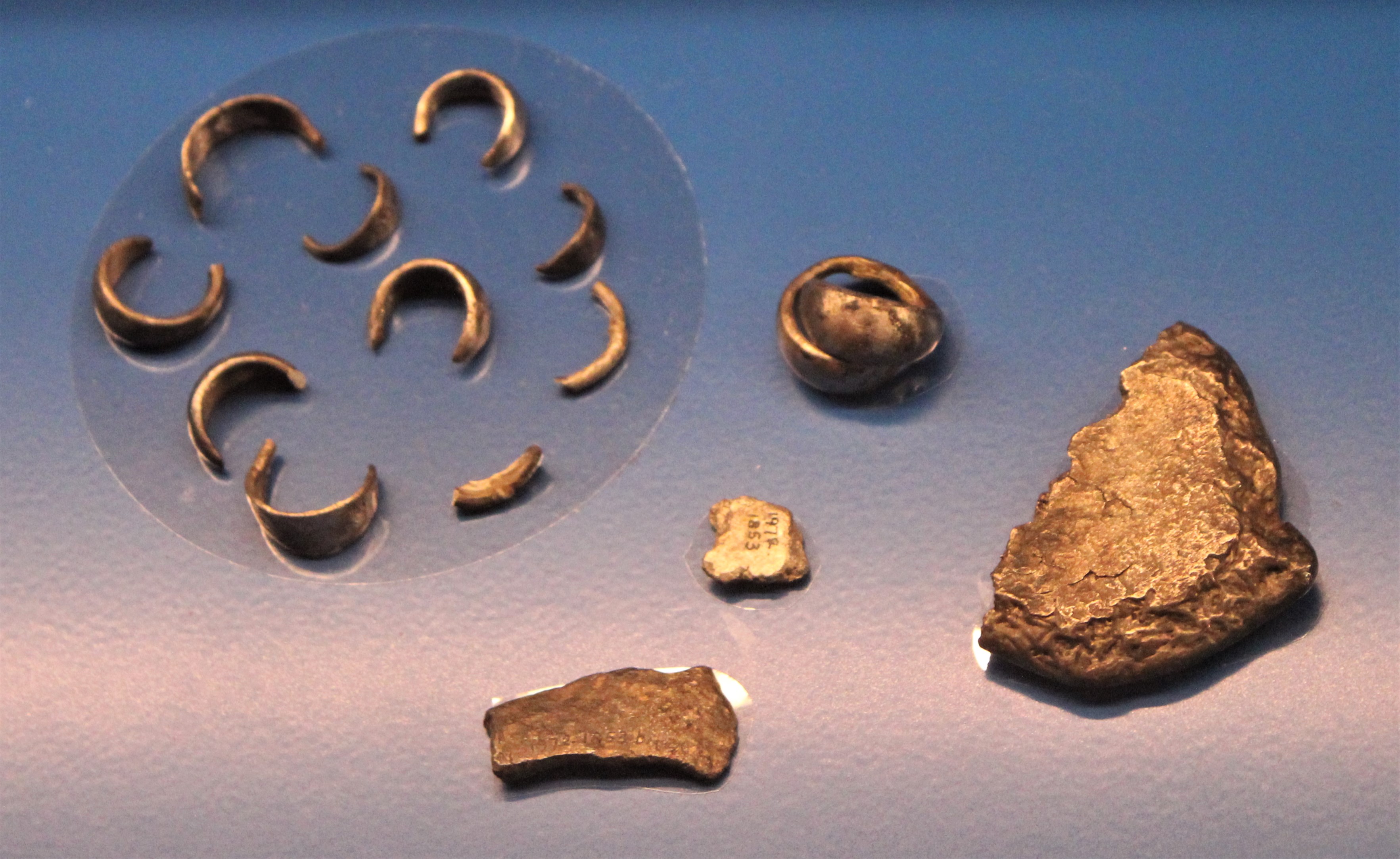
Tell Taya
Ancient hill city with fortifications and artifacts.
Tell al-Wilayah
Destroyed site with Early Dynastic remnants