Explore the Map
Tell el-'Oueili
31.2430° N, 45.8850° E
About
Tell el-'Oueili is an archaeological site located in Dhi Qar Governorate, southern Iraq, recognized as the earliest known human settlement in Lower Mesopotamia. Excavations at the site, directed by French archaeologist Jean-Louis Huot from 1976 to 1989, revealed sequential occupation layers that predate the famed city of Eridu. The site encompasses phases from the Ubaid period, including the unique Ubaid 0 phase, also known as the 'Oueili-phase, and extends into the Uruk Period. With a diameter of 200 meters and standing approximately 5 meters high, Tell el-'Oueili represents a significant prehistoric village settlement. Its discoveries provide valuable insights into the early development of human settlement and culture in Mesopotamia, challenging previous understandings of the region's ancient habitation timeline.
Historical Timeline
Journey through time and discover key events in this site's history
Ubaid 0 occupation
6500 BCE
Ubaid 4 occupation
5400 BCE
Uruk Period occupation
3400 BCE
Archaeological Features
Unique architectural and cultural elements found at this historical site
Domestic and Habitation Structures
Frequently Asked Questions
Plan Your Visit
Tours, travel arrangements, and practical information
More Sites in Iraq
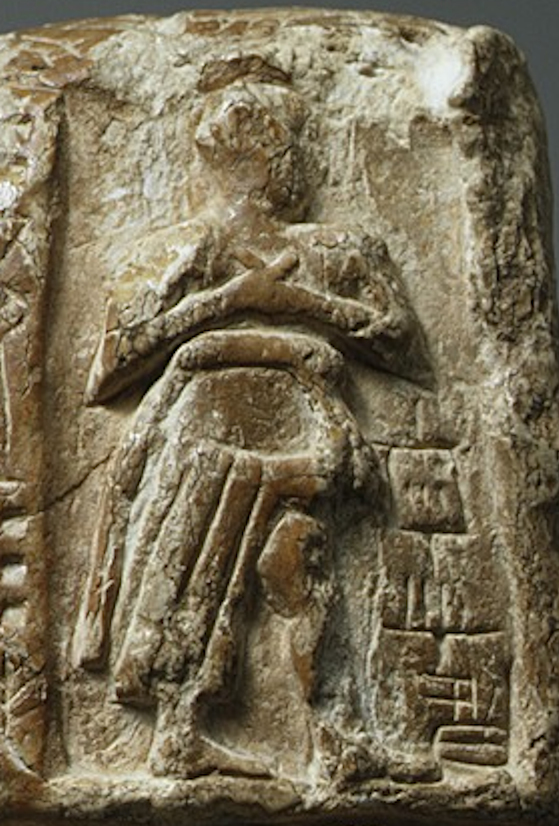
Larsa
Sumerian city-state and temple complex, Isin–Larsa period
Tell Rashid
Ubaid period settlement mound in Iraq
Tell al-Lahm
Oblong mound with city wall remnants
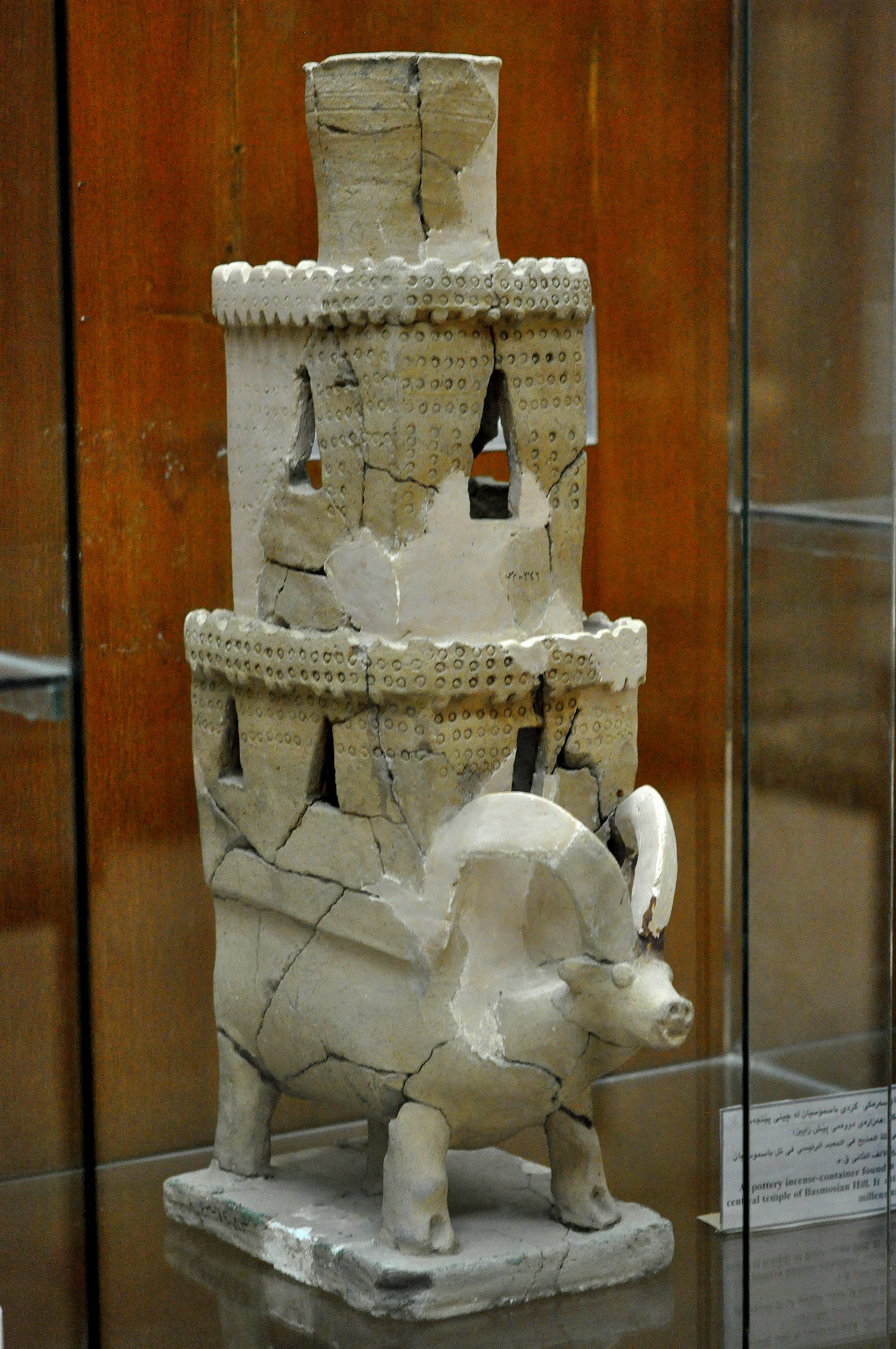
Tell Bazmusian
Large tell site with multi-period occupation.
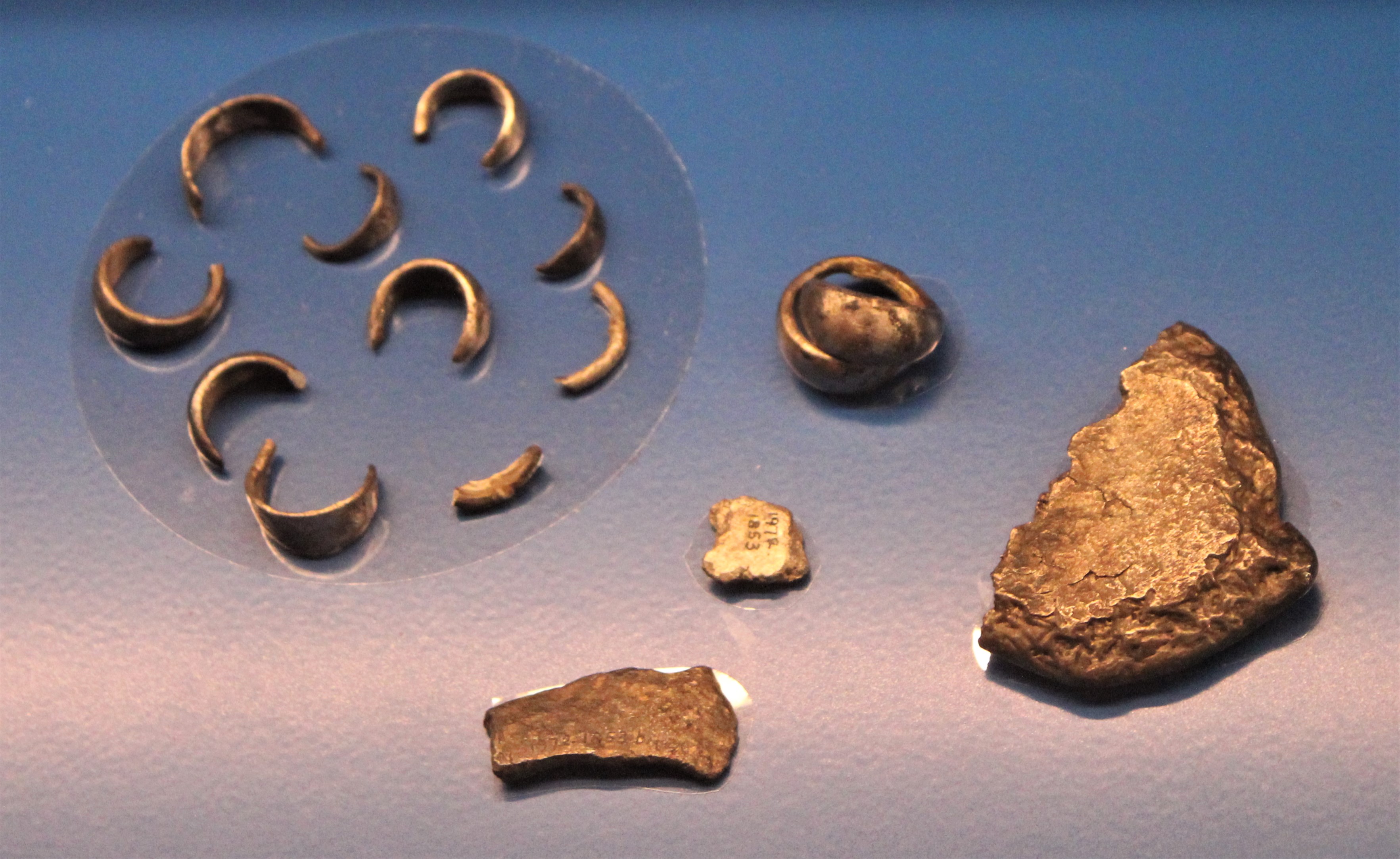
Tell Taya
Ancient hill city with fortifications and artifacts.
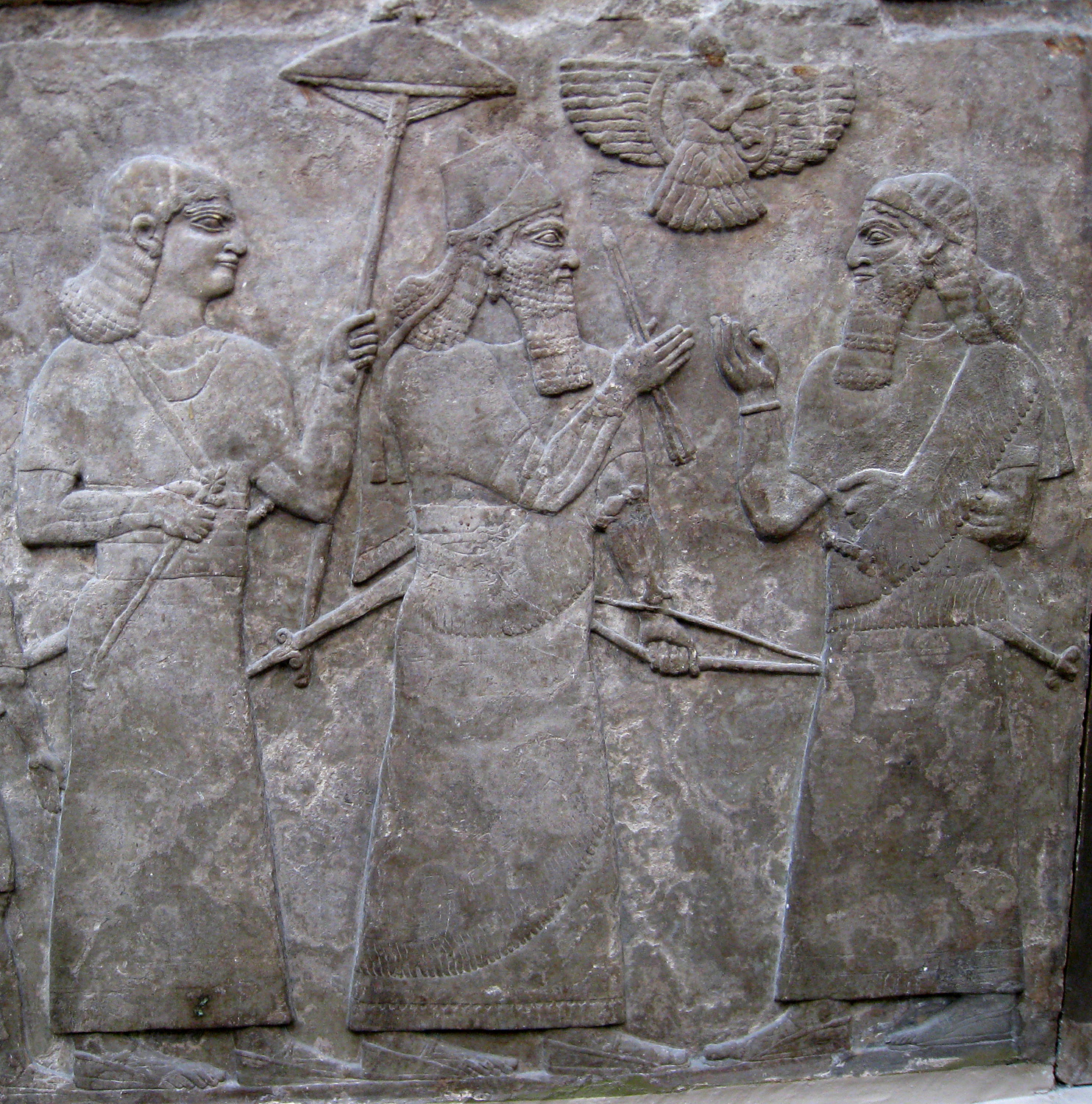
Assur
Ancient Assyrian city on the Tigris River