Explore the Map
Tell es-Sawwan
34.1211° N, 43.9050° E
About
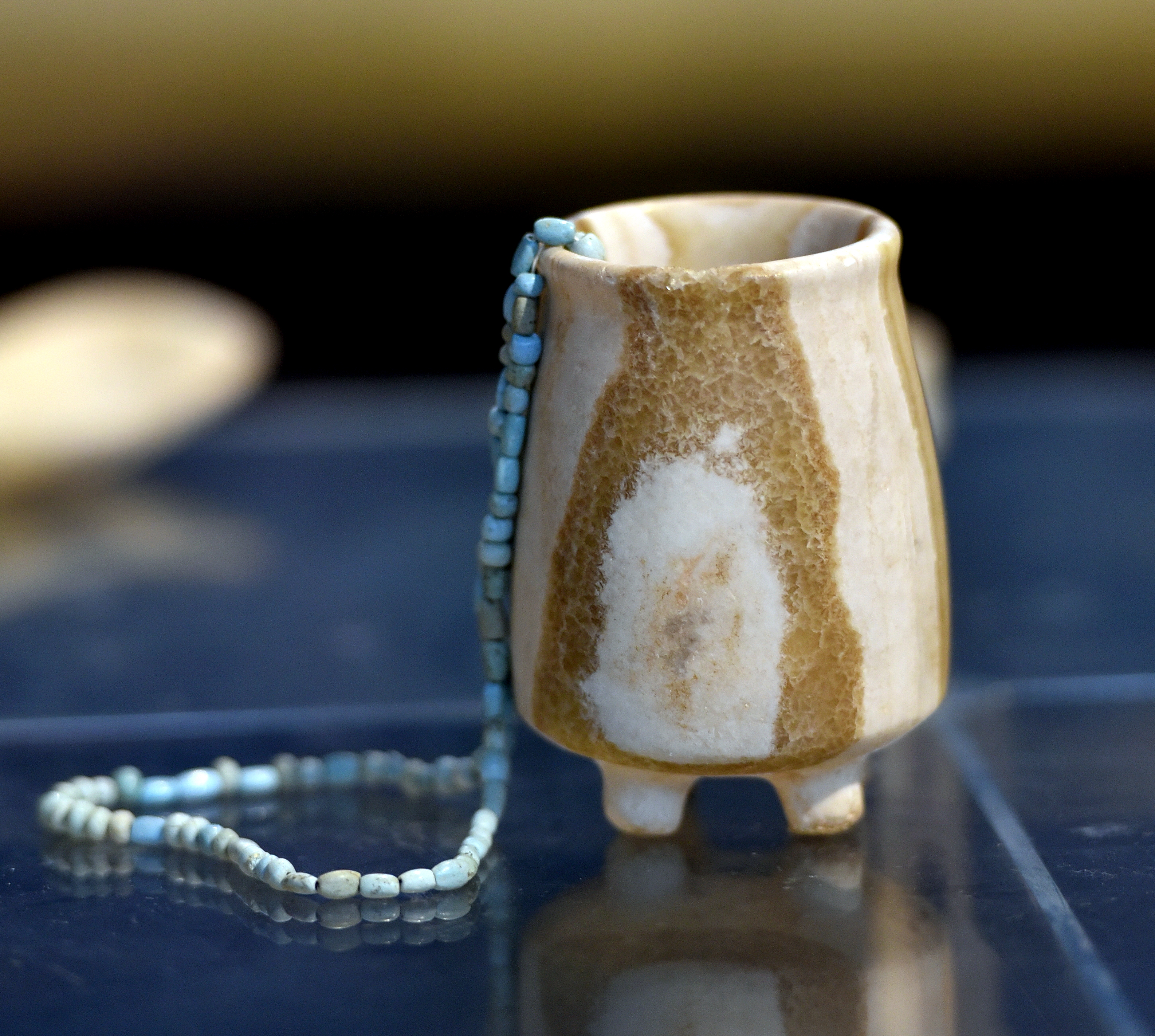
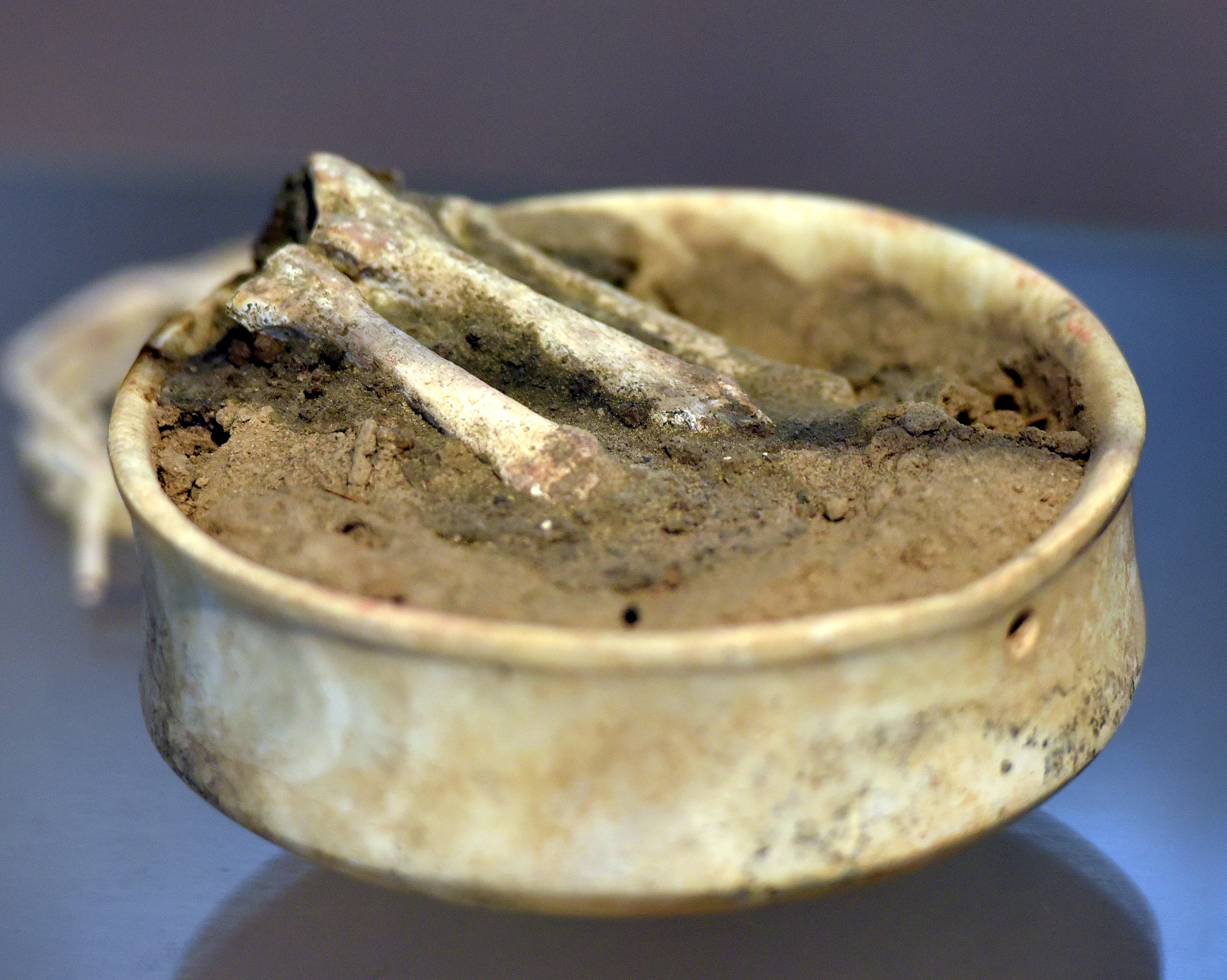
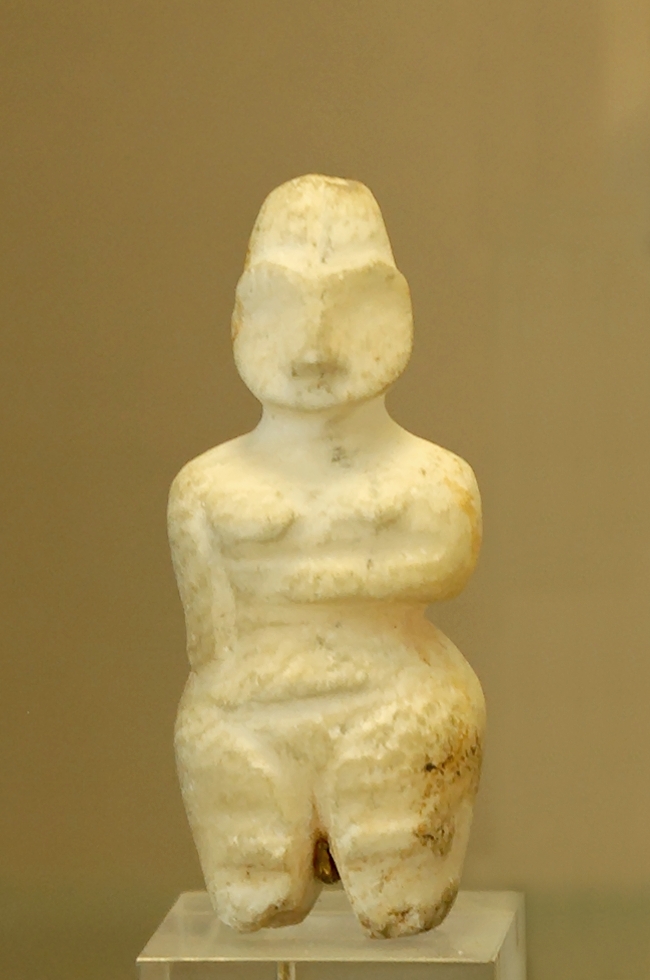
Tell es-Sawwan is a significant Neolithic archaeological site in Saladin Province, Iraq, serving as a type site for the Samarran culture. Situated on a high cliff overlooking the Tigris River, the site encompasses a large oval mound with distinct habitation layers. This site contains evidence of irrigation agriculture, indicative of the settlement's adaptation to unreliable rainfall. Notable features include defensive ditches, large mudbrick houses, granaries, and underfloor graves with terracotta and alabaster statuettes. The presence of fine Samarran ware and marble vessels suggests the settlement's prosperity. Radiocarbon dating places the site in the 6th millennium BCE, highlighting its early and significant role in the development of agriculture and Samarran culture in Mesopotamia.
Gallery
Explore photographs of ancient structures, artifacts, and archaeological excavations
Historical Timeline
Journey through time and discover key events in this site's history
Neolithic settlement established
5730 BCE
Archaeological Features
Unique architectural and cultural elements found at this historical site
Storage Structures
Defensive Structures
Burial and Funerary Structures
Artistic and Decorative Features
Domestic and Habitation Structures
Frequently Asked Questions
Plan Your Visit
Tours, travel arrangements, and practical information
More Sites in Iraq
Tell Rashid
Ubaid period settlement mound in Iraq
Larsa
Sumerian city-state and temple complex, Isin–Larsa period
Tell al-Lahm
Oblong mound with city wall remnants
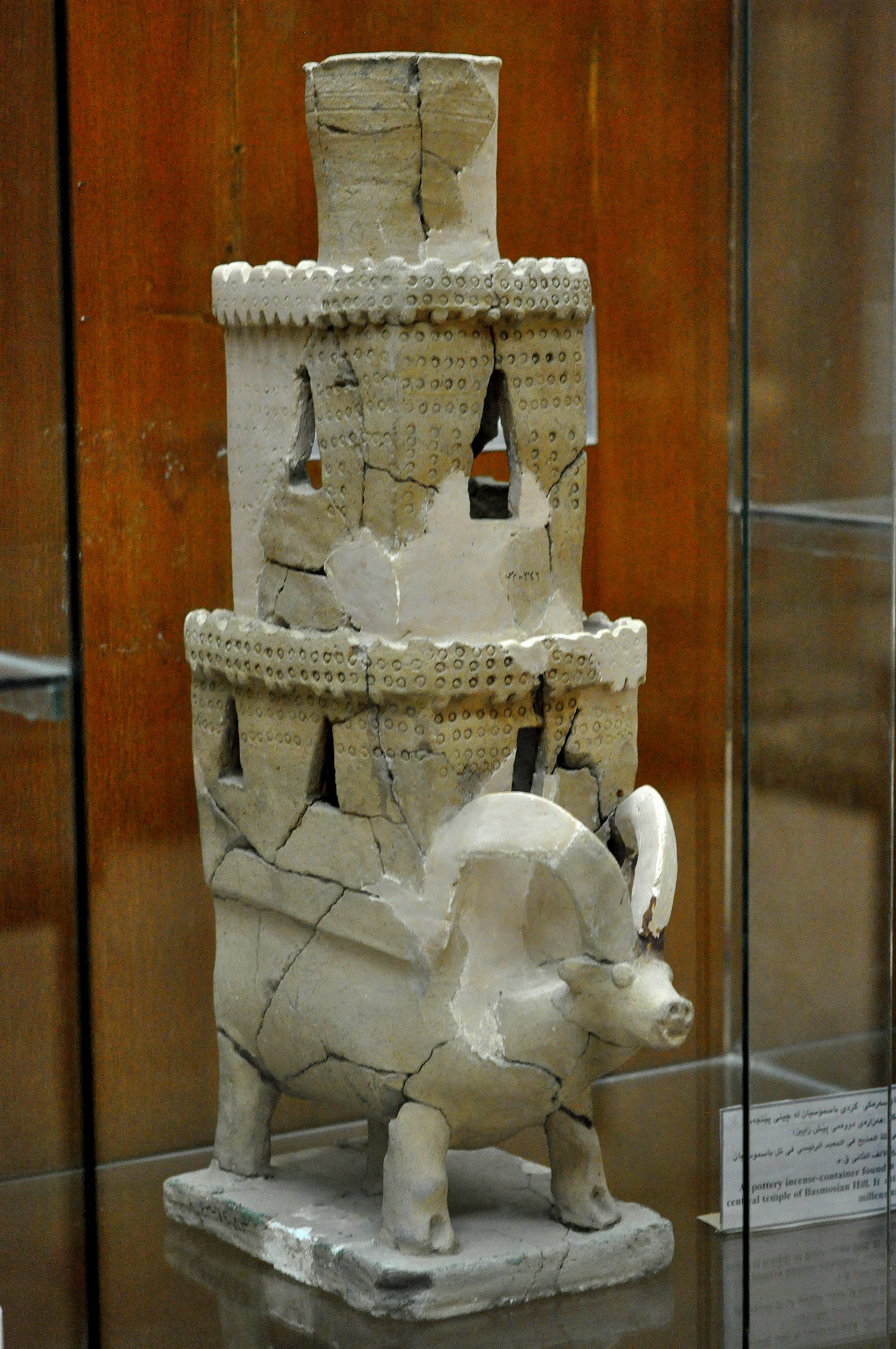
Tell Bazmusian
Large tell site with multi-period occupation.
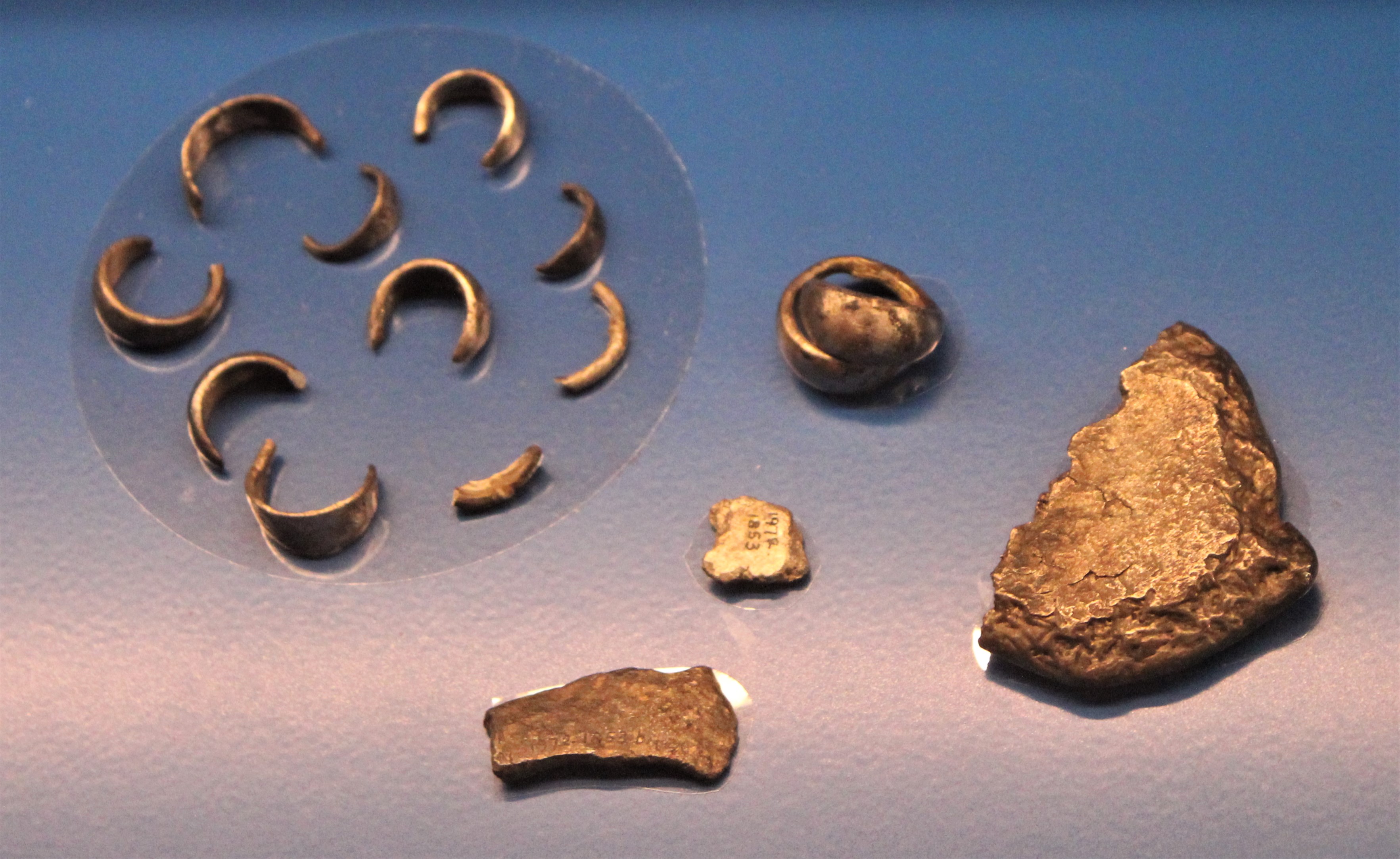
Tell Taya
Ancient hill city with fortifications and artifacts.
Tell Khoshi
Oval walled city with two mounds.