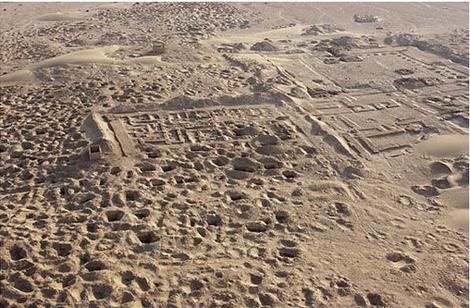
Explore the Map
Umma
31.6672° N, 45.8875° E
About
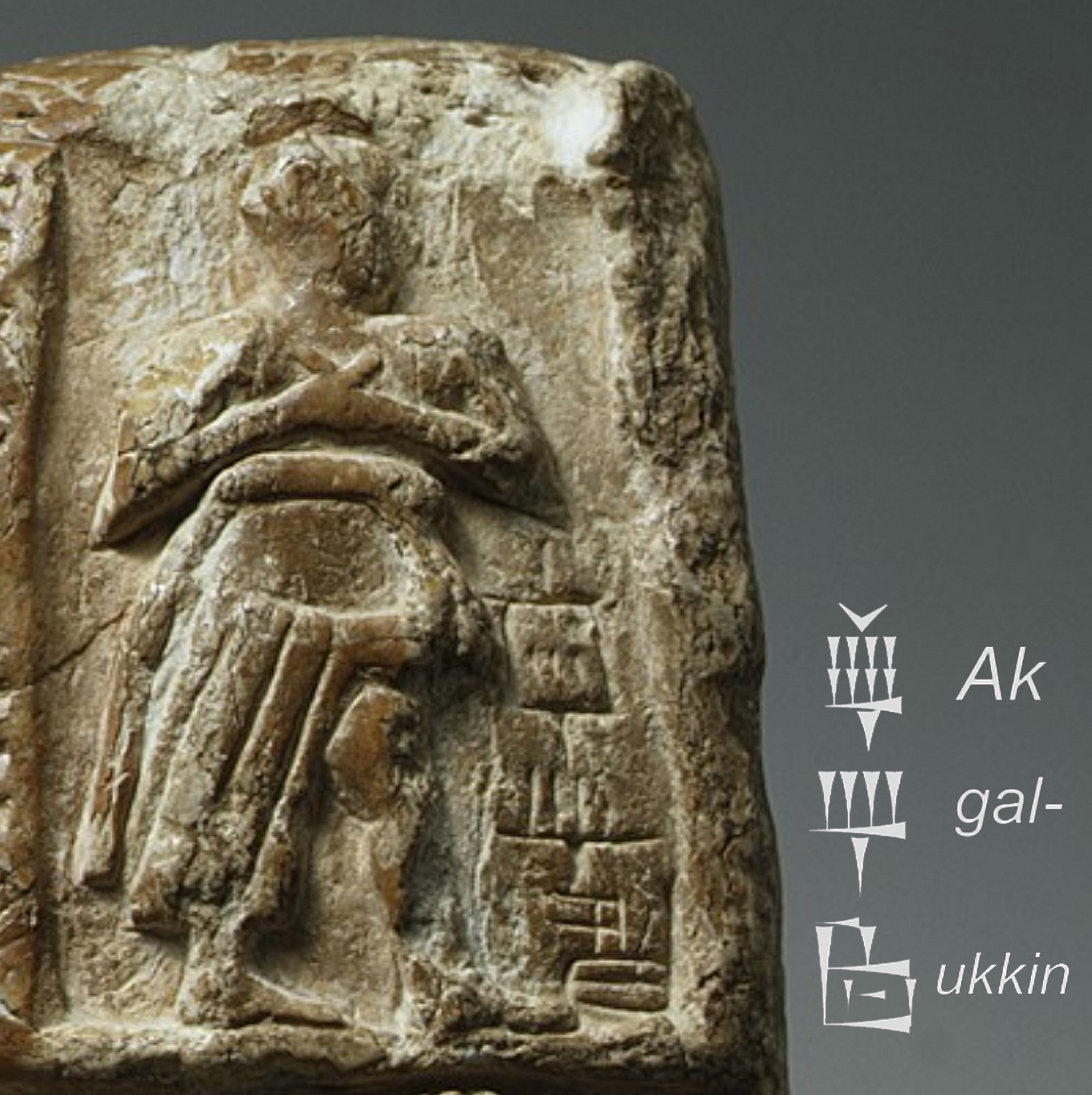
Umma was an ancient city located in what is now Dhi Qar Province, Iraq, and was a significant site in Sumer. The city's history stretches back to the Uruk period, with evidence of proto-cuneiform writing. Umma played a crucial role in the Early Dynastic period and was known for its long-standing conflict with Lagash. Under the rule of Lugal-Zage-Si, the city reached its peak in the 24th century BCE. During the Akkadian Empire, Umma became a major power and economic center. The site continued to be of importance under the Ur III dynasty as a provincial center, producing over 30,000 administrative and economic cuneiform tablets. However, in the 19th century BCE, it was destroyed by Sumuel of Larsa. Archaeologically, Umma is renowned for its temples, tablets, and complex urban structures, offering valuable insights into ancient Sumerian civilization.
Gallery
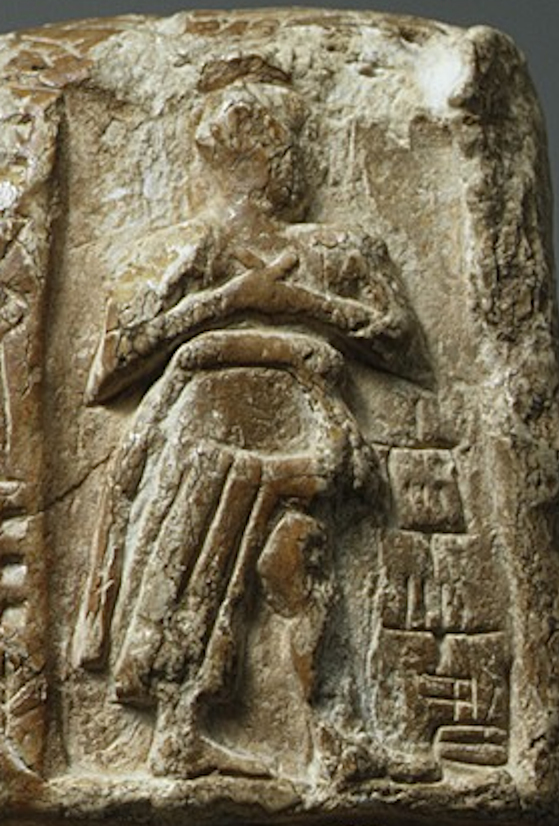
Explore photographs of ancient structures, artifacts, and archaeological excavations
Historical Timeline
Journey through time and discover key events in this site's history
Lugal-Zage-Si's Zenith
2350 BCE
Akkadian Empire Major Power
2200 BCE
Ur III Important Center
2100 BCE
Destruction by Larsa
1894-1866 BCE
Early Dynastic City of Gišša
2900-2300 BCE
Uruk Period Occupation
4000-3100 BCE
Archaeological Features
Unique architectural and cultural elements found at this historical site
Storage Structures
Miscellaneous Features
Religious and Ritual Structures
Domestic and Habitation Structures
Transportation and Communication Structures
Frequently Asked Questions
Plan Your Visit
Tours, travel arrangements, and practical information
More Sites in Iraq
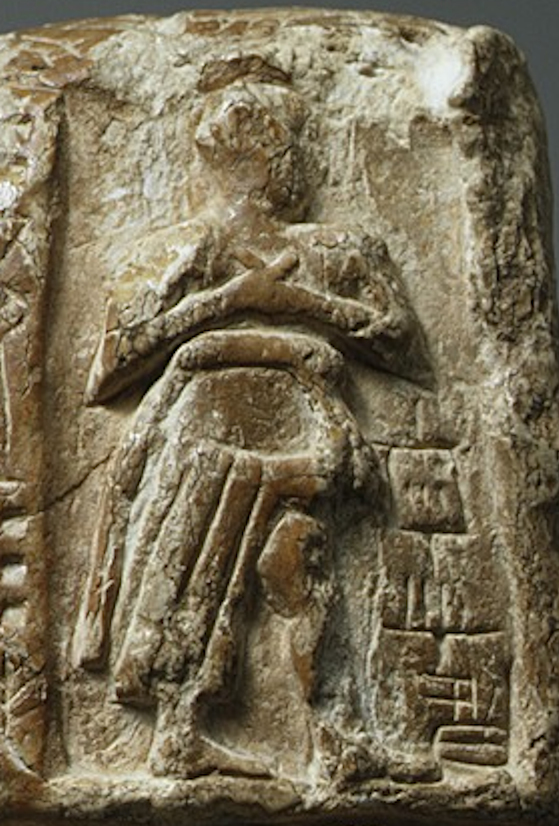
Larsa
Sumerian city-state and temple complex, Isin–Larsa period
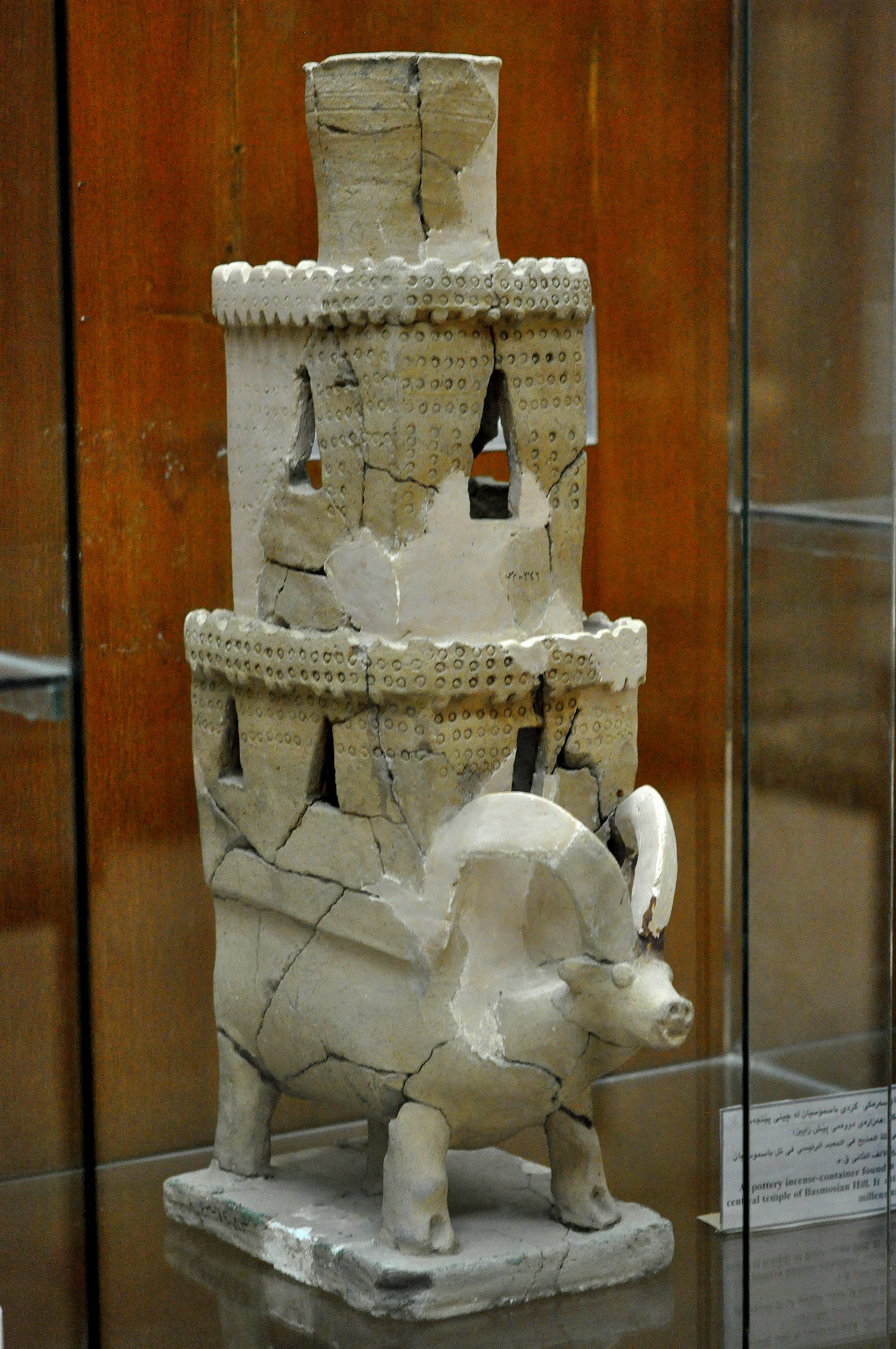
Tell Bazmusian
Large tell site with multi-period occupation.
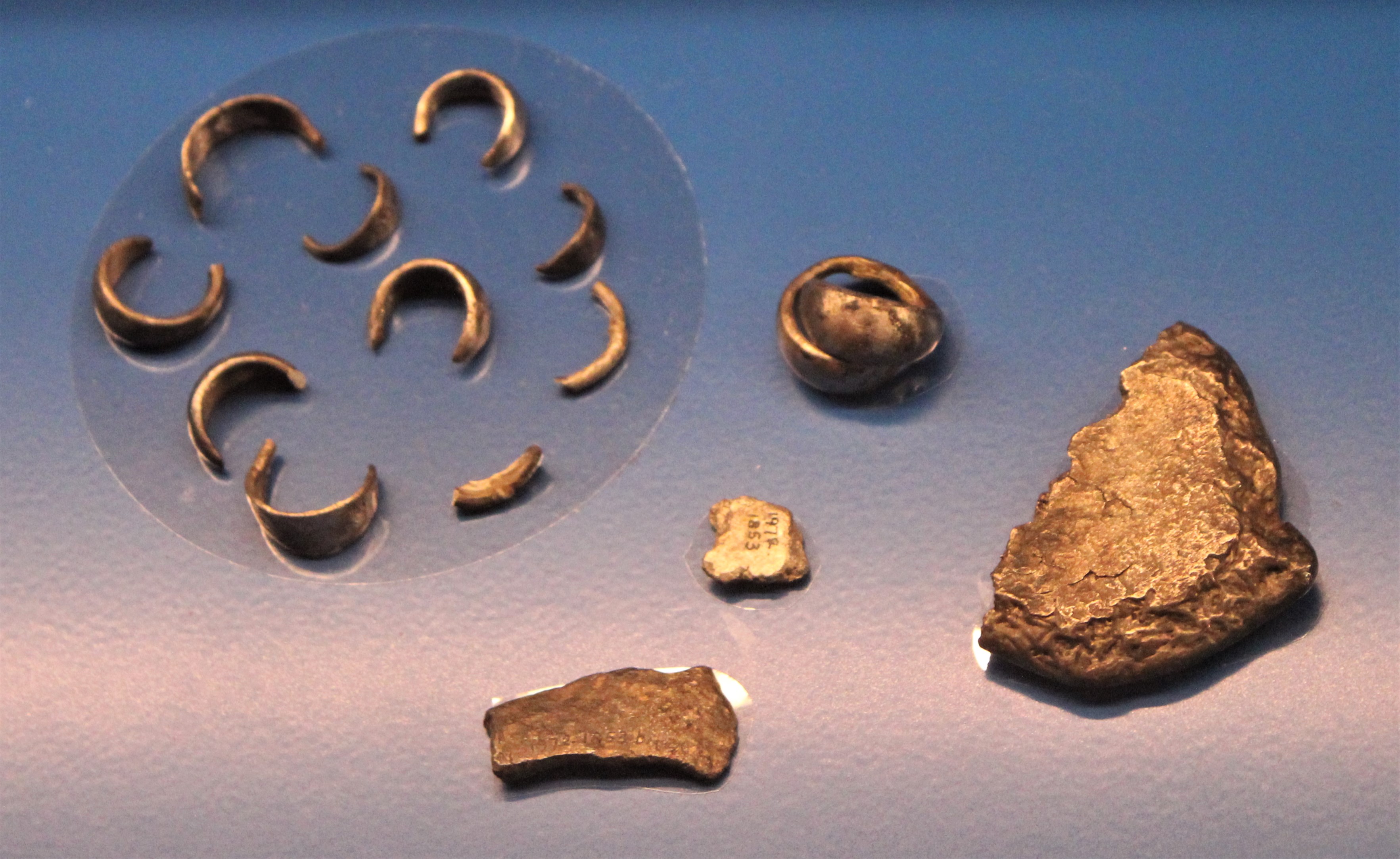
Tell Taya
Ancient hill city with fortifications and artifacts.
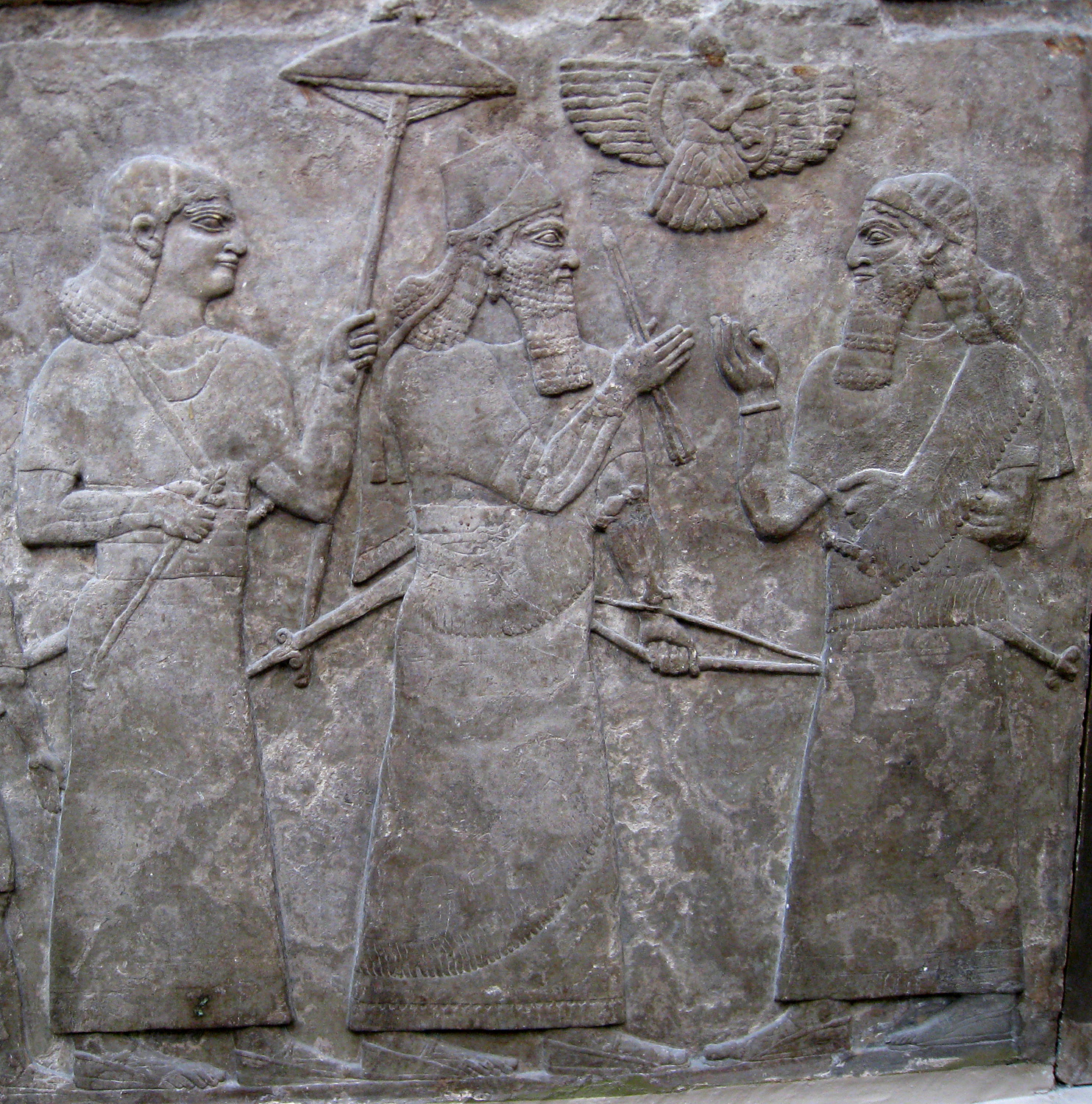
Assur
Ancient Assyrian city on the Tigris River
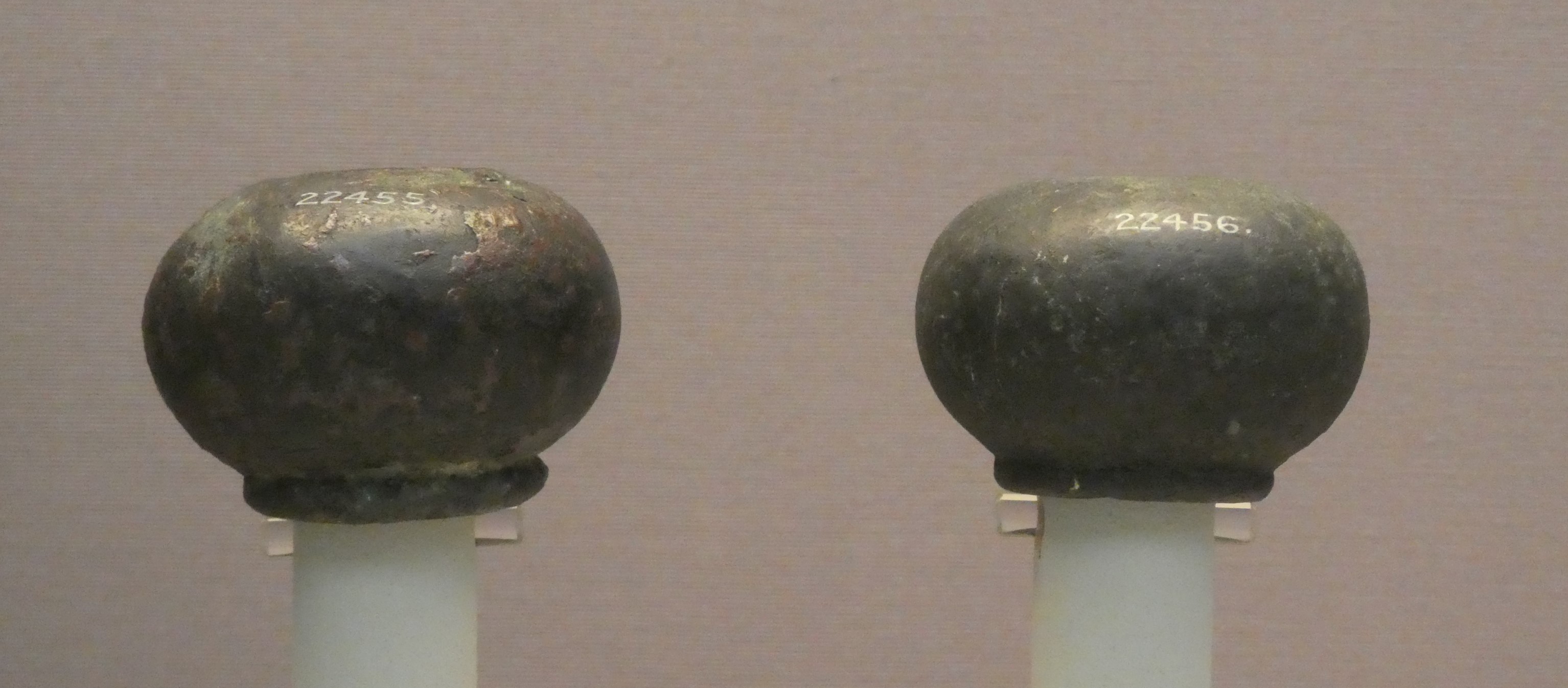
Tell Muhammad
Ancient site with fortifications and tablets
Tell al-Lahm
Oblong mound with city wall remnants