
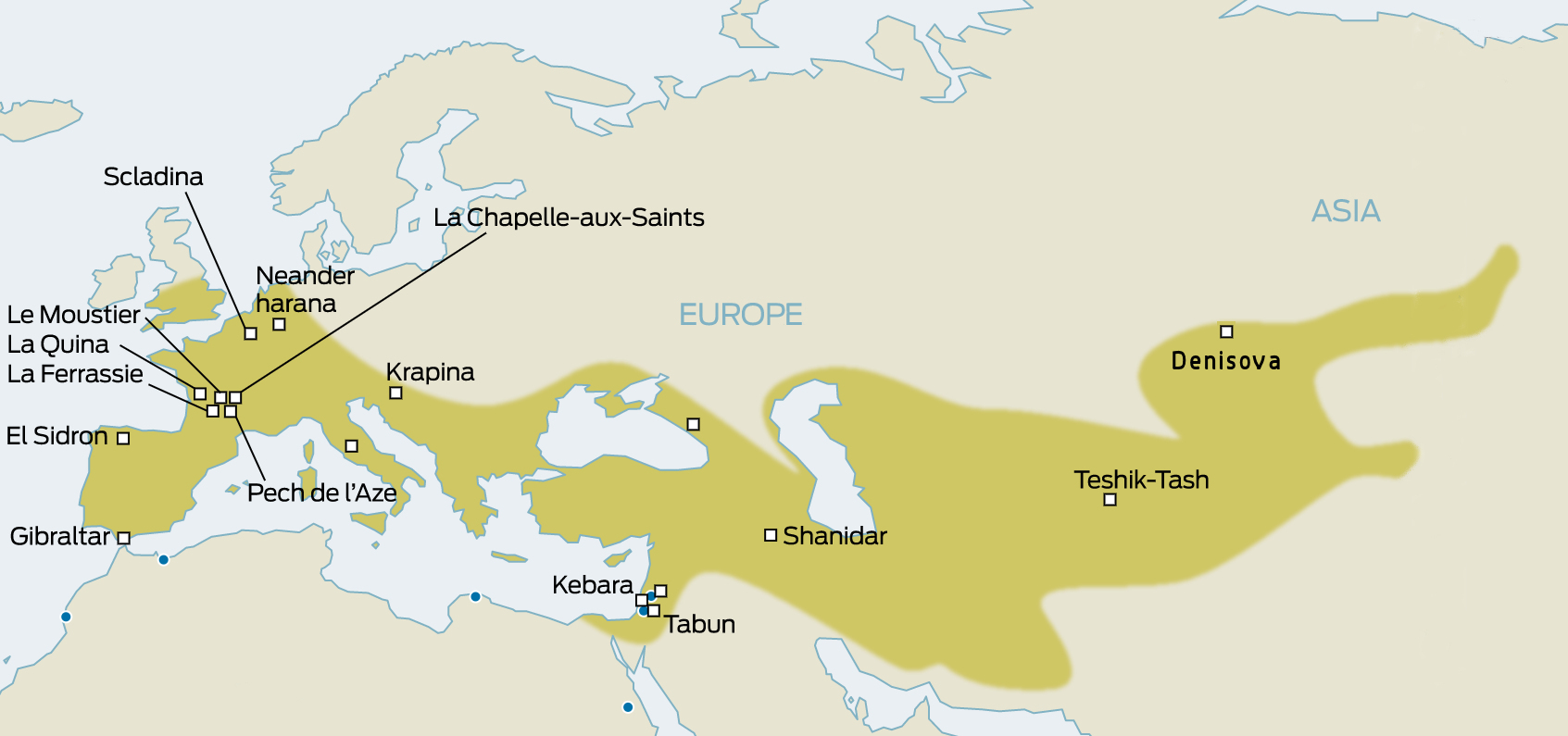
Explore the Map
Tabun Cave
32.6705° N, 34.9655° E
About
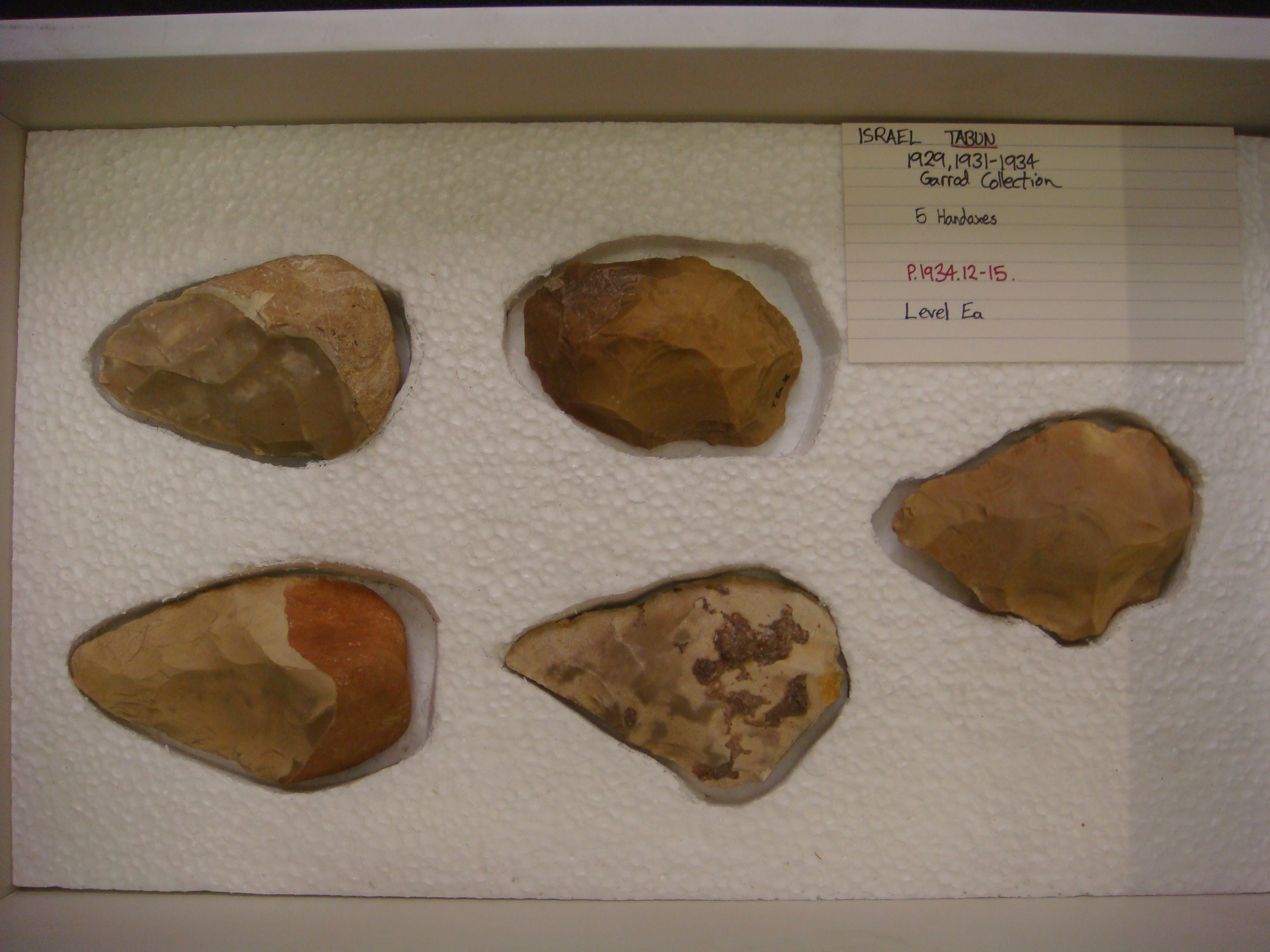
Tabun Cave, part of the Nahal Me'arot Nature Reserve in Israel, is a significant archaeological site that provides valuable insights into human evolution. Occupied intermittently from the Lower to Middle Paleolithic periods, the site offers one of the longest sequences of human occupation in the Levant. Excavations have revealed deposits up to 25 meters thick, showcasing a rich collection of artifacts including flint tools characteristic of the Mousterian culture, such as scrapers and elongated points. The cave's natural structure, with its chimney-like opening, might have been used as a natural trap for hunting. The site also yielded important fossils, including a nearly complete female skeleton. The presence of a 350,000-year-old cobble used for abrading surfaces highlights the technological adaptations of the site's inhabitants.
Gallery
Explore photographs of ancient structures, artifacts, and archaeological excavations
Historical Timeline
Journey through time and discover key events in this site's history
Mousterian Culture Presence
200,000 years ago BCE
Early Occupation and Tool Use
500,000 years ago BCE
Archaeological Features
Unique architectural and cultural elements found at this historical site
Domestic and Habitation Structures
Environmental and Natural Features
Food Production and Processing Features
Frequently Asked Questions
Plan Your Visit
Tours, travel arrangements, and practical information
More Sites in Israel
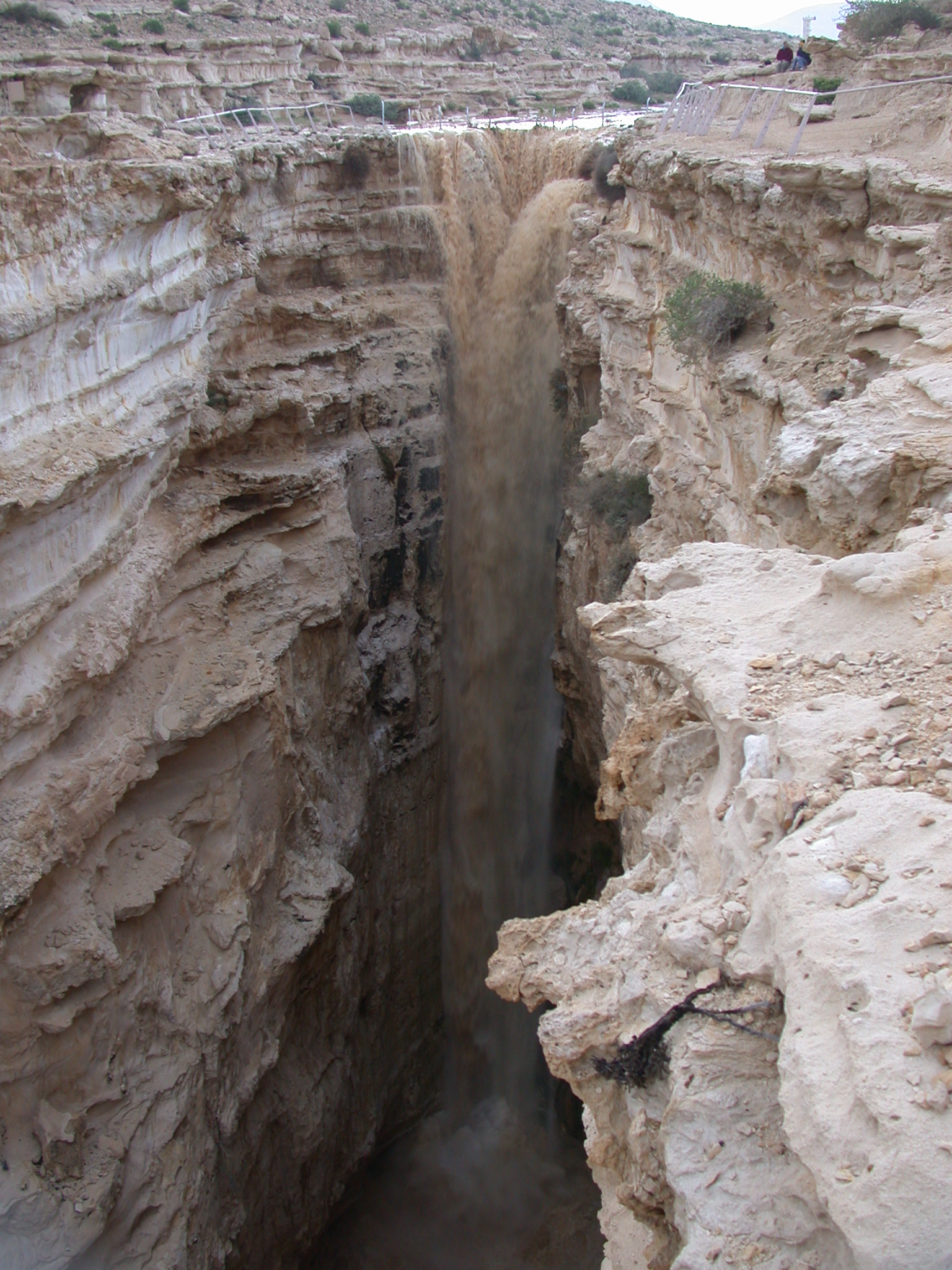
Ein Avdat
Desert canyon with springs and ancient habitations.
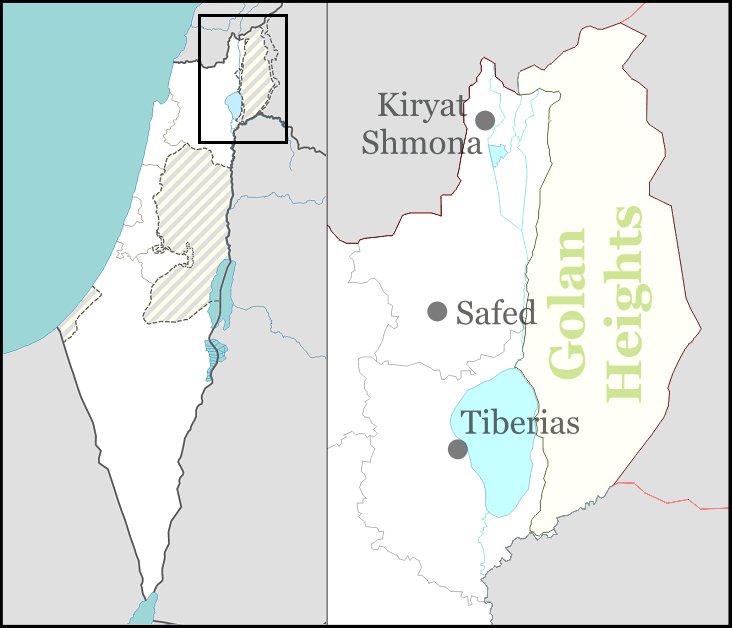
Ubeidiya prehistoric site
Early Pleistocene hominin site with tools
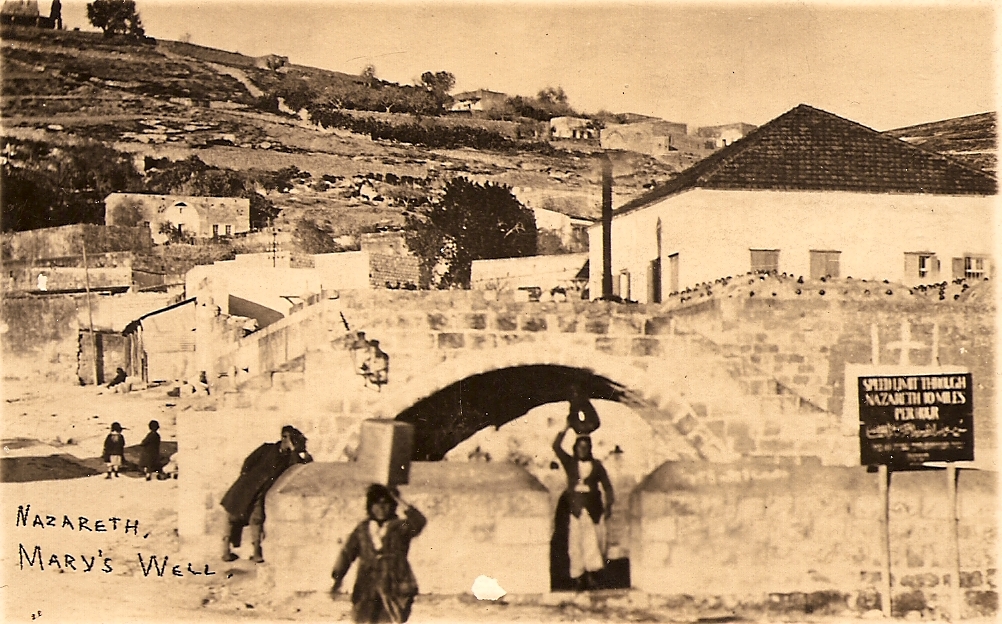
Mary's Well
Ancient water supply with religious significance
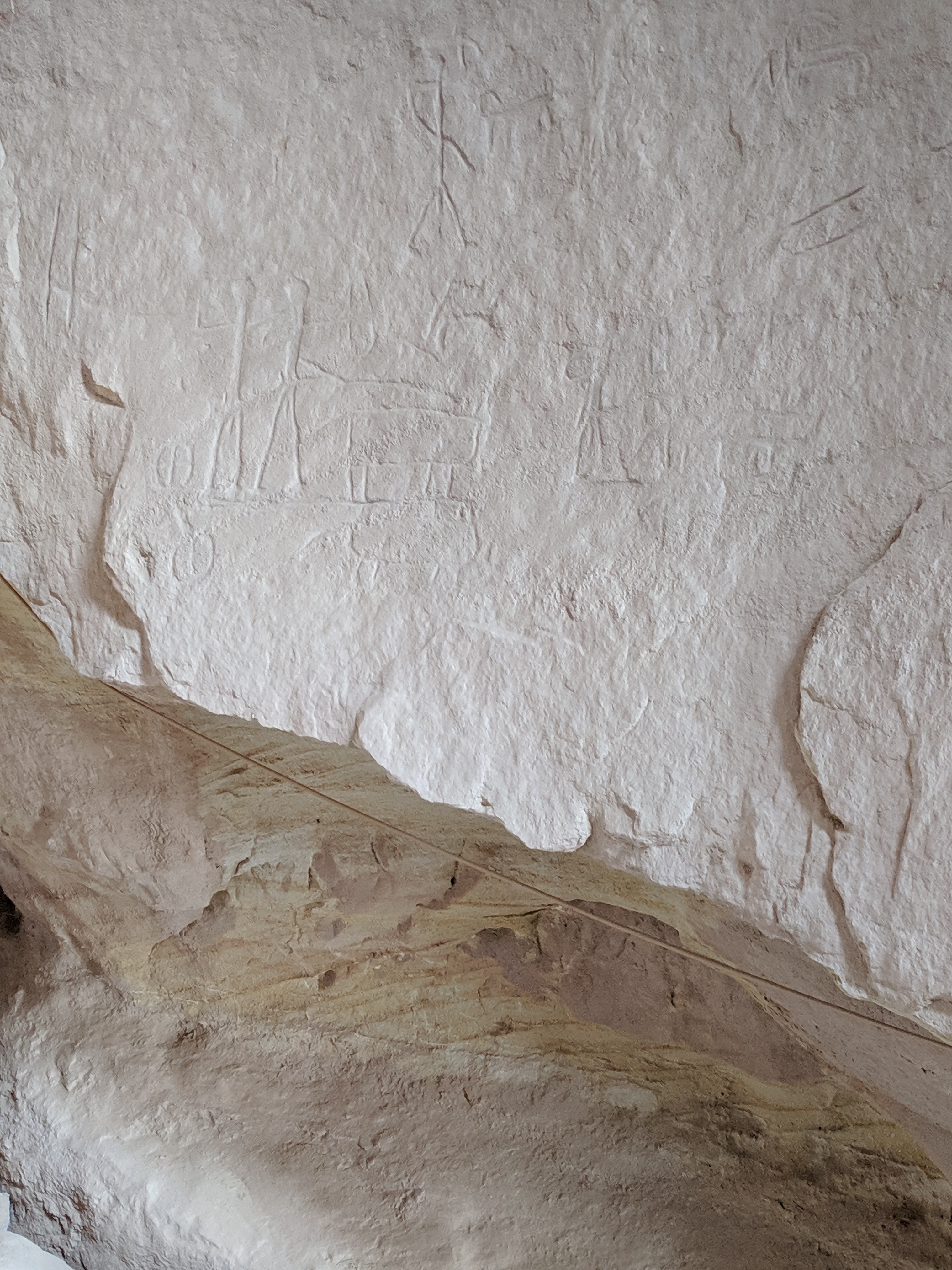
Timna Valley
Copper mining and unique sandstone formations
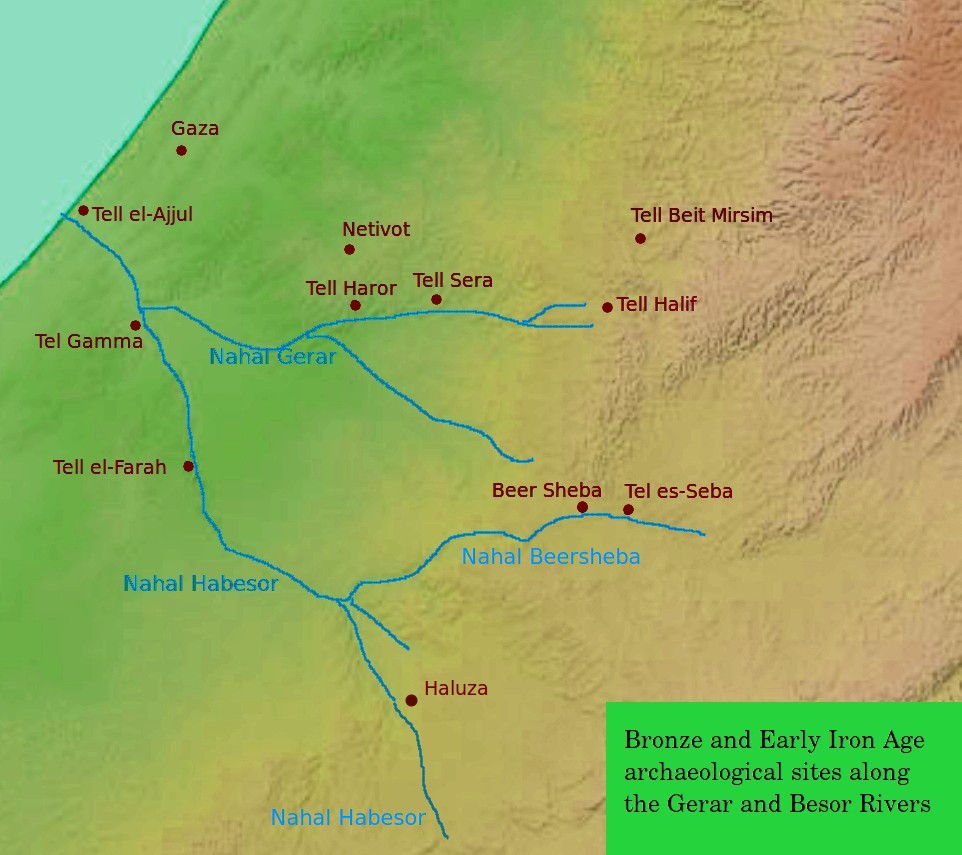
Tel Be'er Sheva
Iron Age city with fortified structures
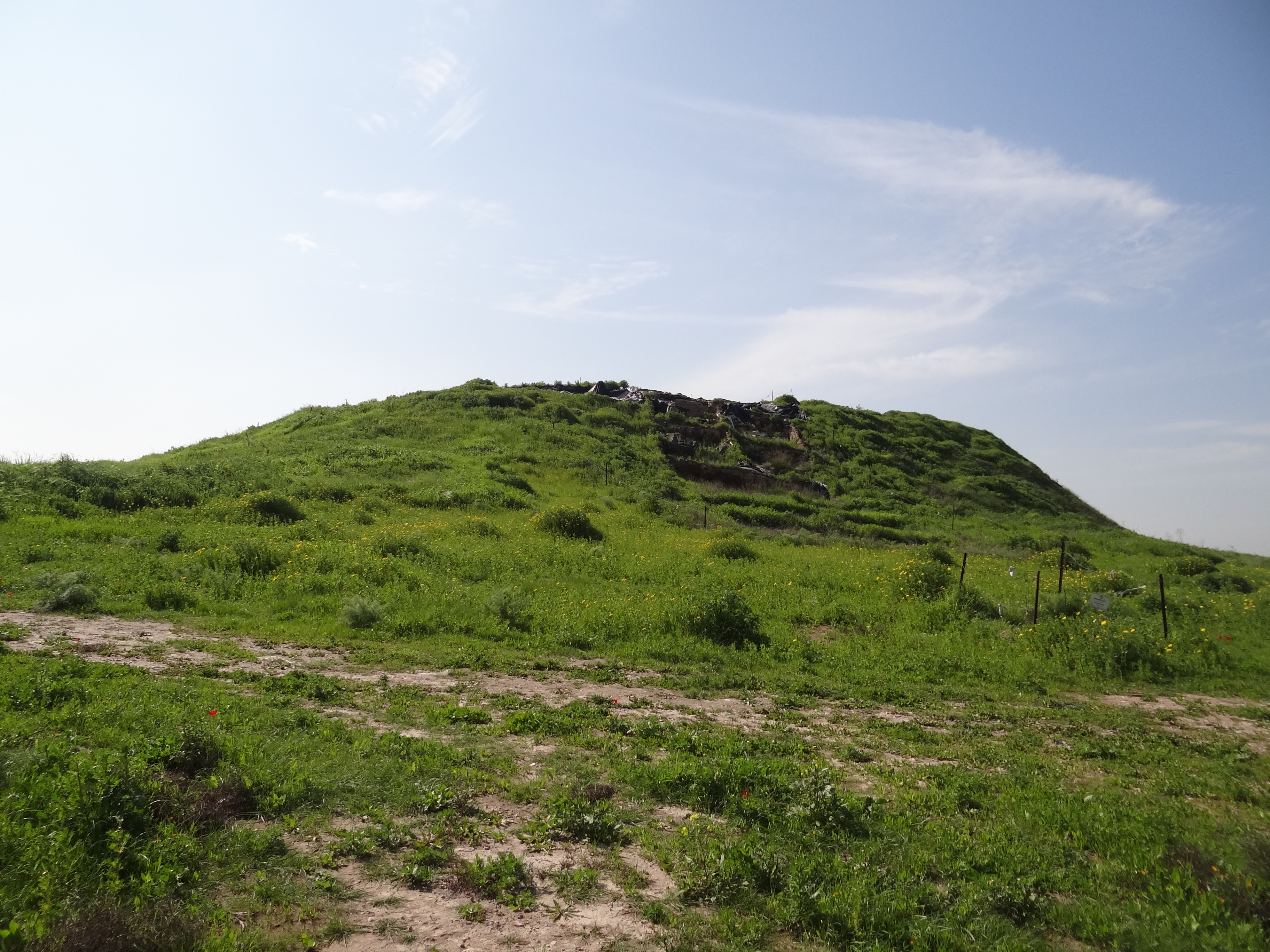
Tel Zayit
Ancient city with alphabetic inscription evidence.