Explore the Map
Dōnomae ruins
38.9619° N, 139.9264° E
About
The Dōnomae ruins, located in Sakata, Yamagata, Japan, are the remains of a fortified settlement from the Heian period, dating to the early 10th century CE. This site, designated a National Historic Site of Japan in 1979, features a moat surrounding a complex of buildings, including a large central structure with substantial pillar foundations. The layout suggests it may have served as the provincial capital of Dewa Province. Artifacts unearthed include Sue ware pottery, leather fragments, and tools used for divination, enhancing our understanding of the period's material culture. After excavation in the 1960s, the site was backfilled and now lies beneath rice paddies, marked only by an informational plaque.
Historical Timeline
Journey through time and discover key events in this site's history
Heian period settlement
900 CE
Archaeological Features
Unique architectural and cultural elements found at this historical site
Defensive Structures
Domestic and Habitation Structures
Frequently Asked Questions
Plan Your Visit
Tours, travel arrangements, and practical information
More Sites in Japan
Bingo Provincial Capital
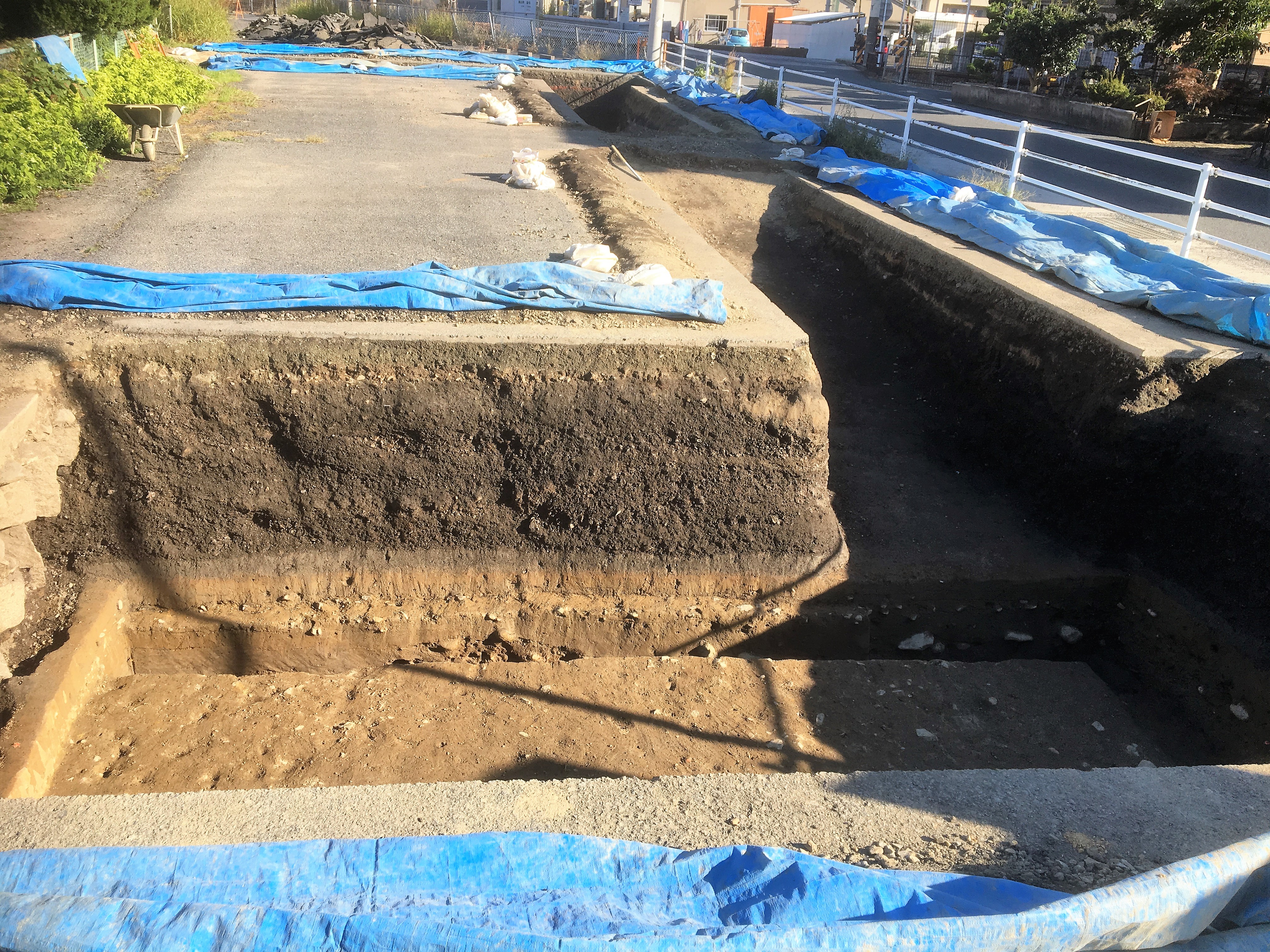
Ruins of ancient provincial capital structures
Binmanji Ishibotokedani Necropolis
Medieval Japanese necropolis with 1600 tombs.
Furushida-Higashi ruins
Heian period fortified residence with moat.
Kusado Sengen
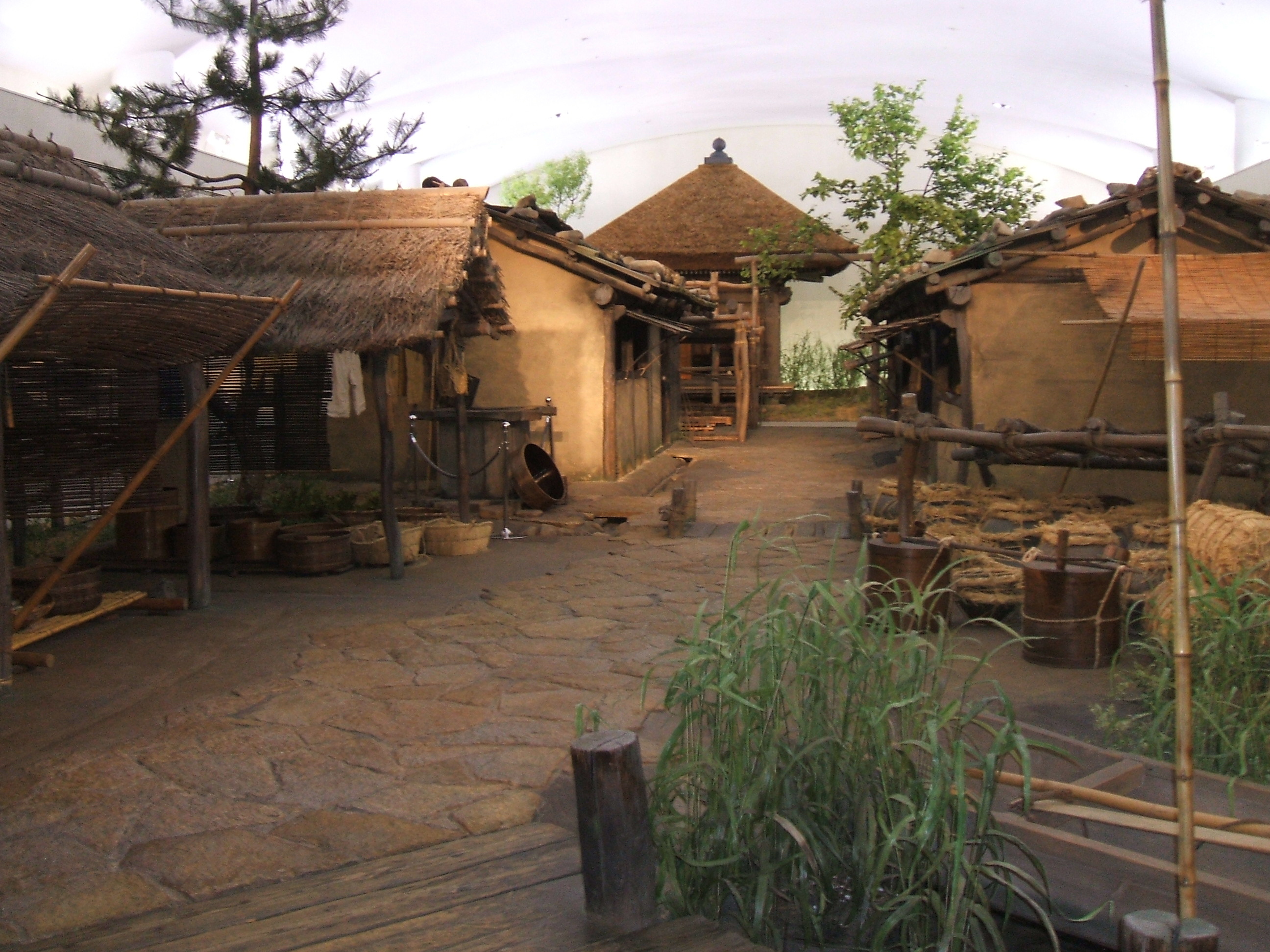
Medieval port town near Ashida River

Komaru Castle
Sengoku period castle with moats and ramparts.
Yoshizaki-Suba Site
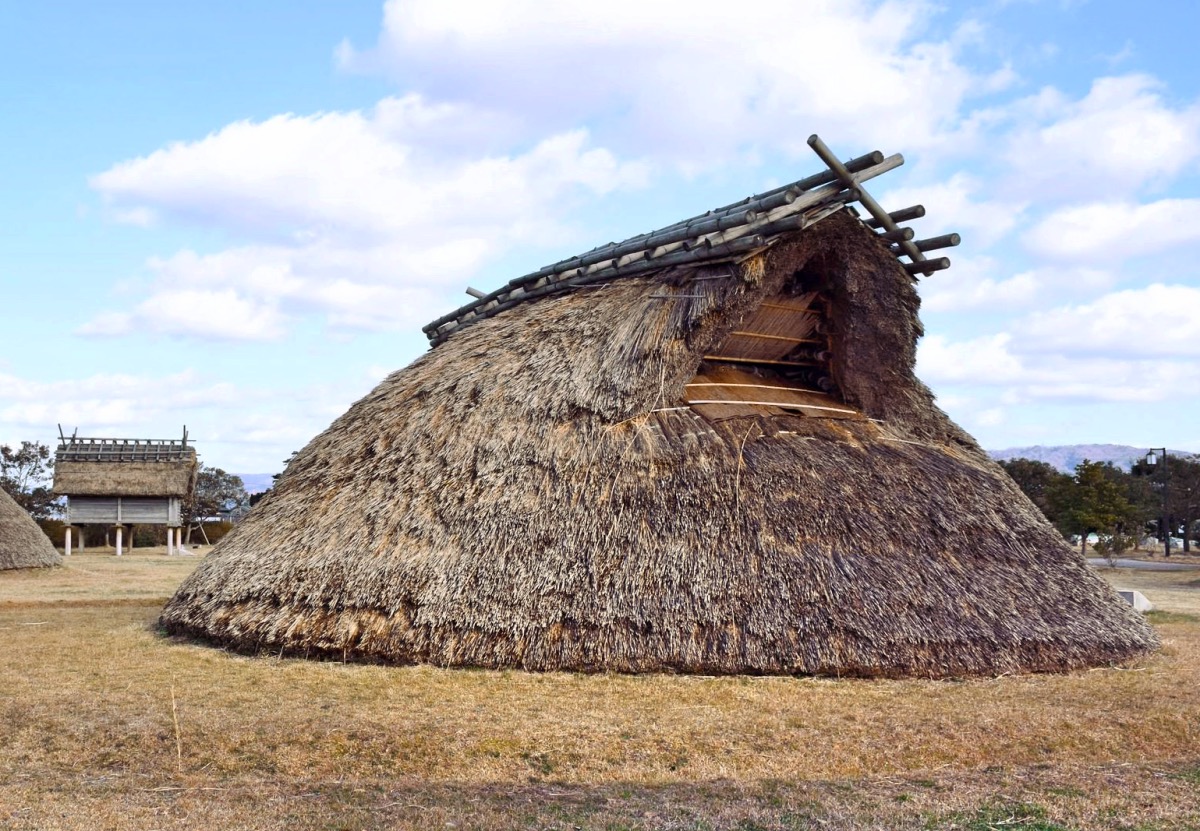
Yayoi period settlement remains, Ishikawa, Japan.