Explore the Map
Funaki Site
34.5431° N, 134.9536° E
About
The Funaki Site, located in Awaji, Hyōgo, Japan, represents a late Yayoi period settlement dating between the 1st and 3rd centuries CE. Discovered in 1996 and extensively excavated since 2016, the site features the foundations of 20 large pit-house dwellings, indicative of a significant habitation area. Notably, the site has yielded a considerable amount of pottery linked to salt production and fishing, as well as fragments of a Chinese-made bronze mirror and painted pottery shards, underscoring the settlement's cultural and economic interactions. The site offers valuable insights into the Yayoi period's domestic architecture and subsistence practices, affirming its designation as a National Historic Site of Japan in 2021.
Historical Timeline
Journey through time and discover key events in this site's history
Settlement Occupation
0 CE, 250 CE
Settlement Establishment
0 CE
Archaeological Features
Unique architectural and cultural elements found at this historical site
Domestic and Habitation Structures
Frequently Asked Questions
Plan Your Visit
Tours, travel arrangements, and practical information
More Sites in Japan
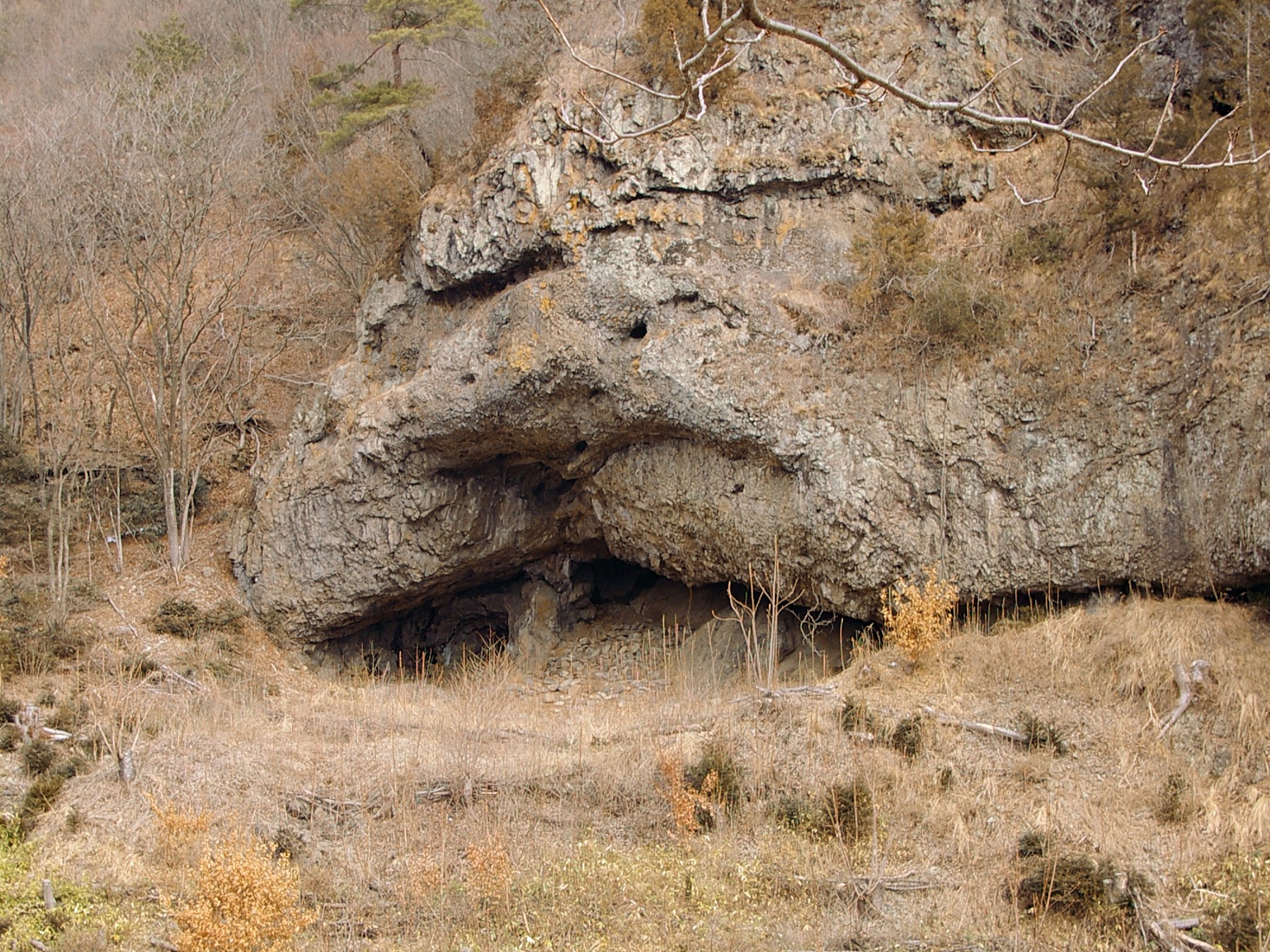
Tobayama Cave
Cave dwelling and tomb with grave goods
Mangyō Site
Late Yayoi–Early Kofun settlement, Nanao (Ishikawa), Japan
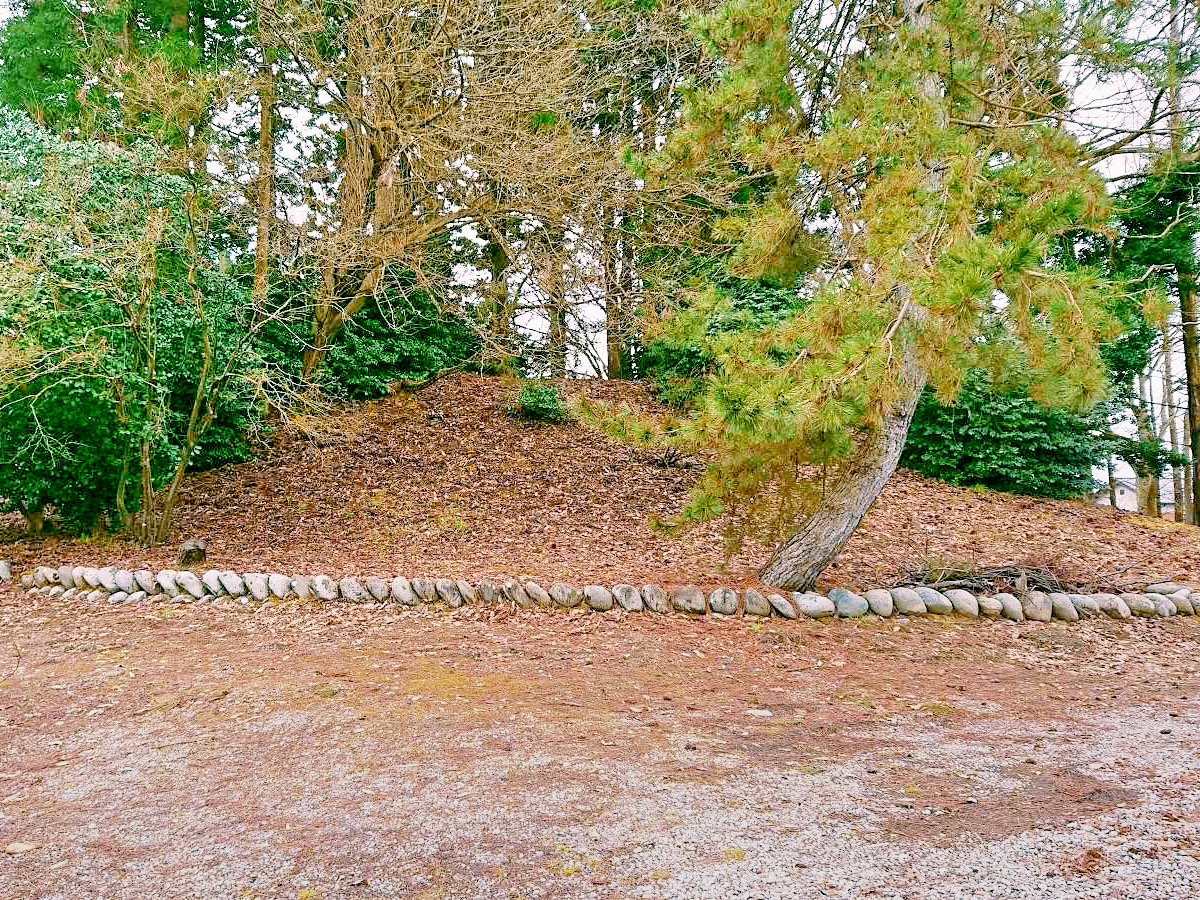
Kushidashin Site
Late Jōmon settlement with Kofun burial mounds.
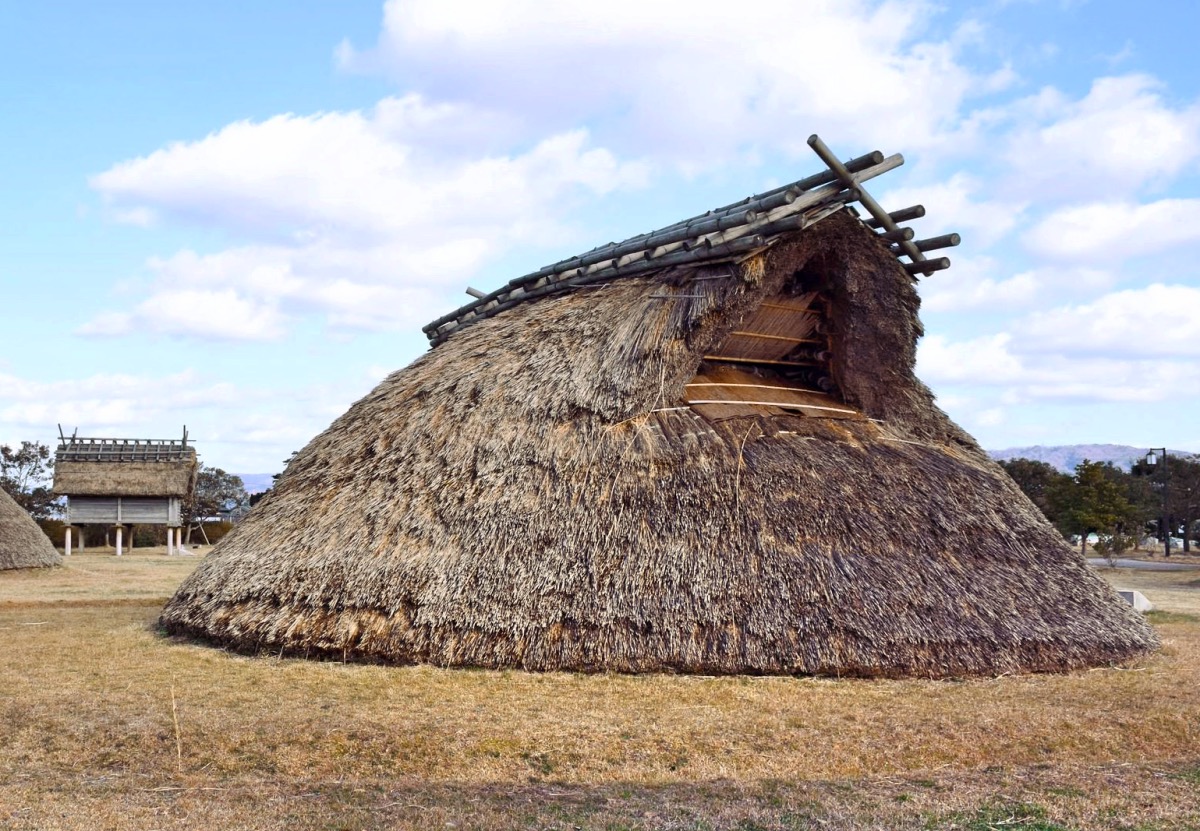
Yoshizaki-Suba Site
Yayoi period settlement remains, Ishikawa, Japan.
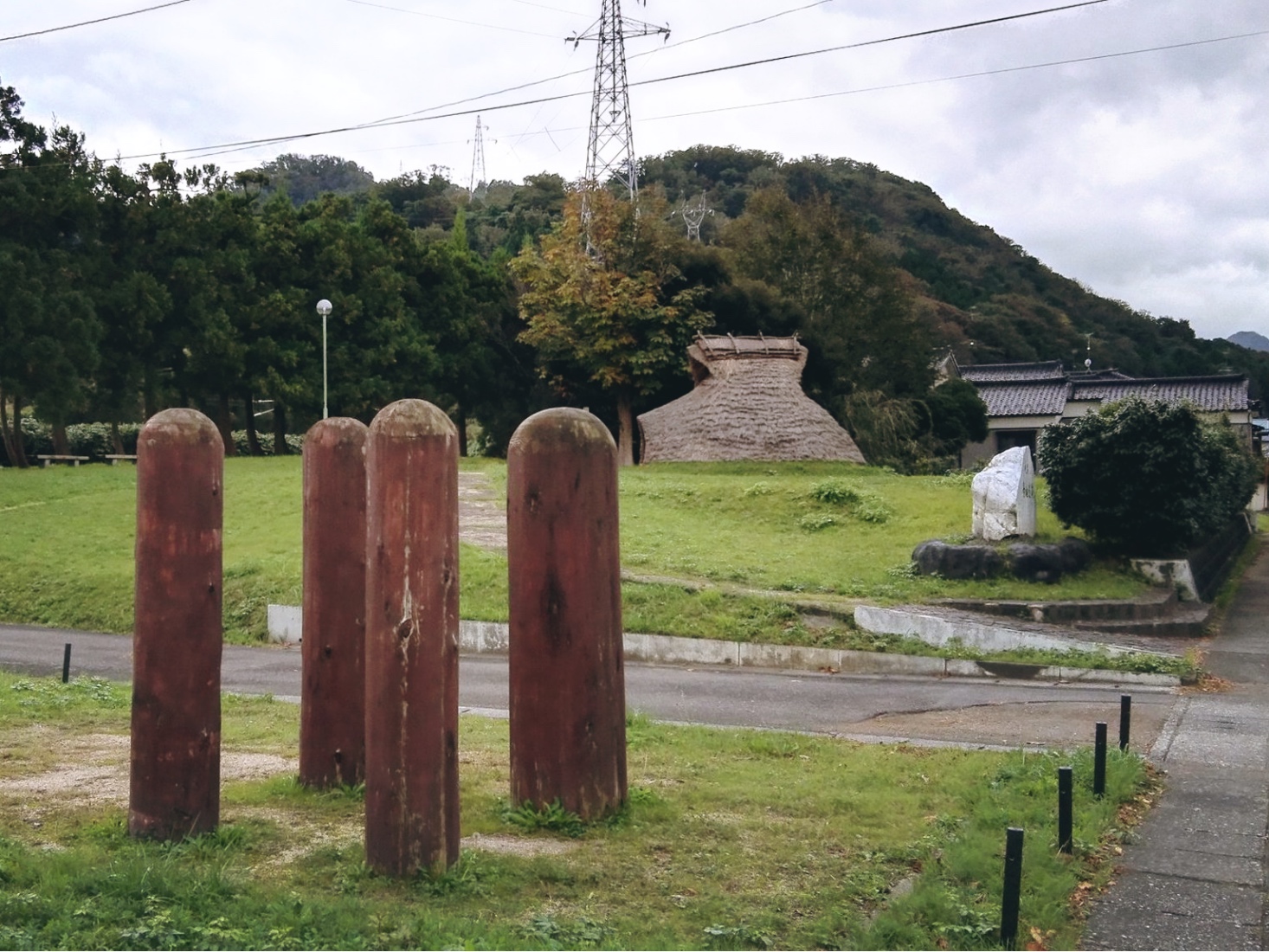
Terachi Site
Middle to late Jōmon period settlement
Tenpaku Site
Jōmon necropolis and ritual site in Japan