Explore the Map
Furuyashiki Site
37.6089° N, 139.8356° E
About
The Furuyashiki Site, located in Kitakata, Fukushima, is an archaeological site representing a significant middle Kofun period settlement. This site, now a National Historic Site of Japan, features remnants of large rectangular buildings and warehouses, surrounded by a protective double moat. The compound includes around 20 pit dwellings and is believed to have been the residence of a powerful local warlord. The settlement is strategically positioned within the Aizu Basin, bordered by the Tagawa and Aga Rivers, and protected by natural wetlands. Pottery shards indicate its occupation from the late 5th to the middle 6th century CE. This site stands out as the largest Kofun period settlement discovered in the Tōhoku region, offering valuable insights into the societal and defensive structures of that era.
Historical Timeline
Journey through time and discover key events in this site's history
Settlement occupation
Late 5th century CE, Middle 6th century CE
Archaeological Features
Unique architectural and cultural elements found at this historical site
Storage Structures
Defensive Structures
Religious and Ritual Structures
Domestic and Habitation Structures
Frequently Asked Questions
Plan Your Visit
Tours, travel arrangements, and practical information
More Sites in Japan
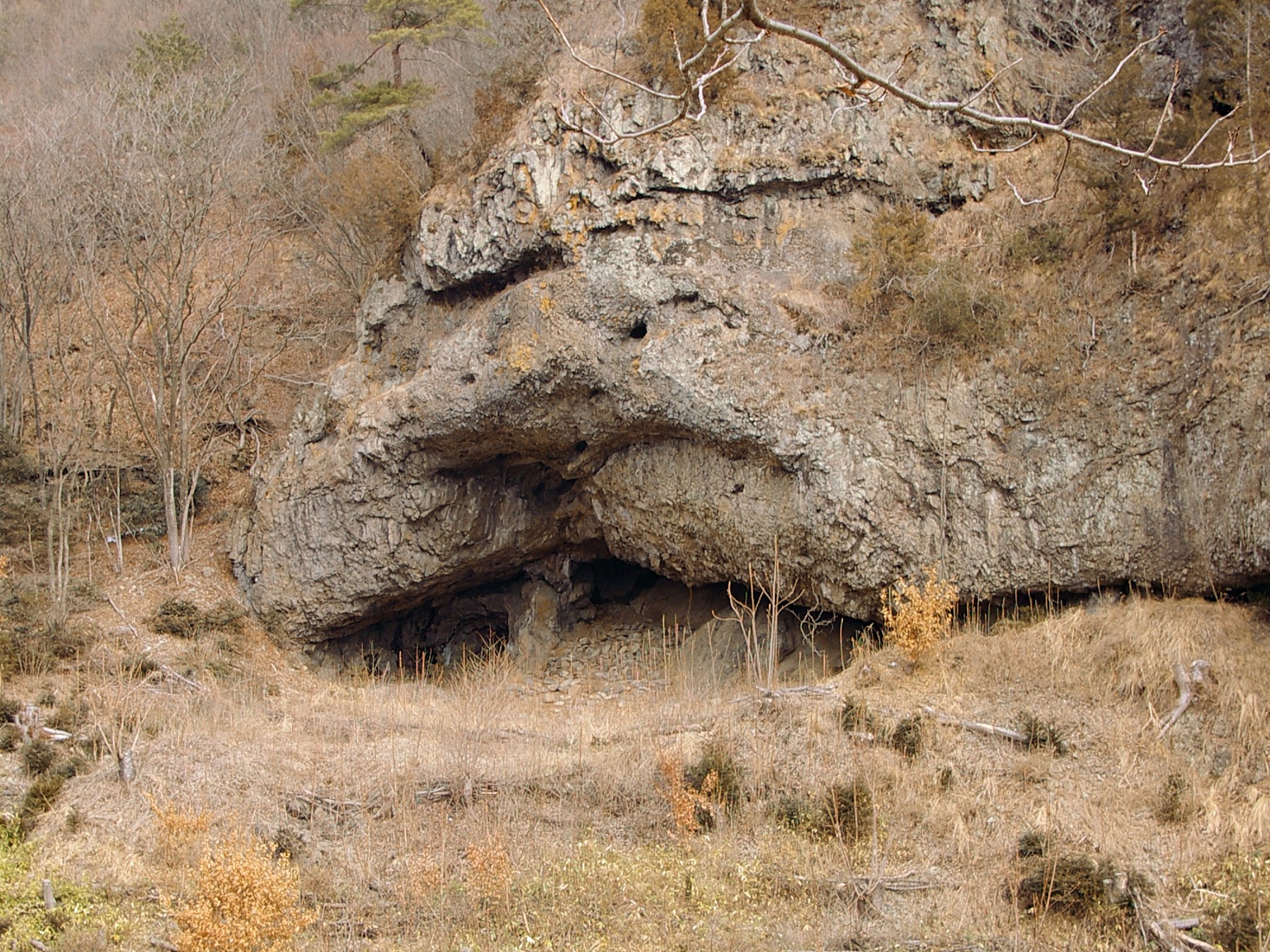
Tobayama Cave
Cave dwelling and tomb with grave goods
Mangyō Site
Late Yayoi–Early Kofun settlement, Nanao (Ishikawa), Japan
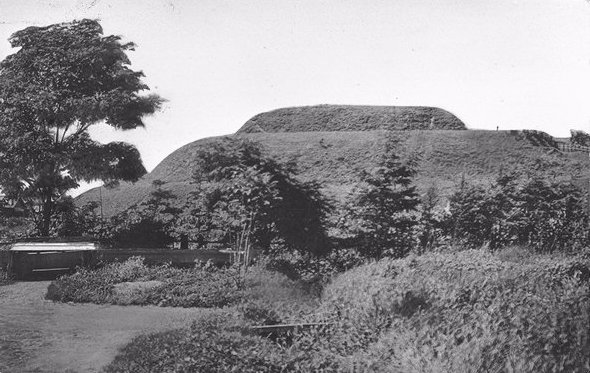
Moshiriya Chashi
Ainu fortified chashi on elevated site
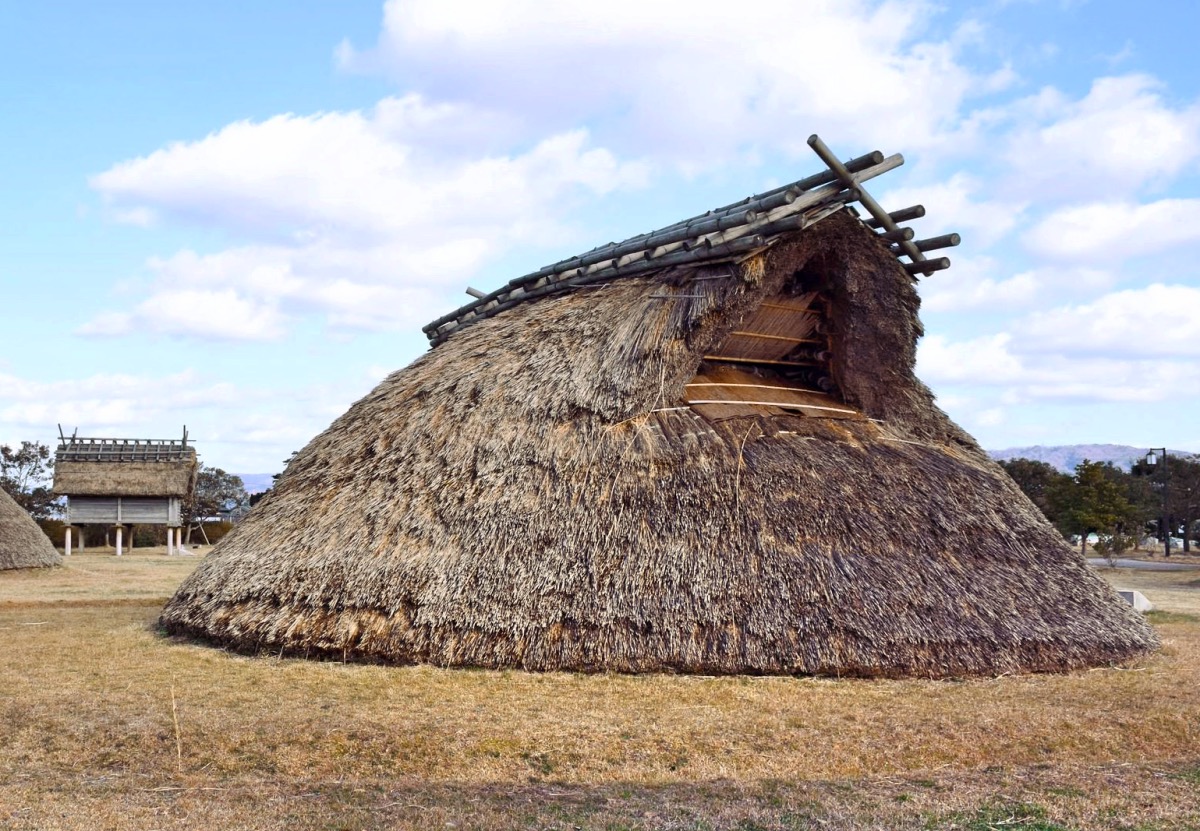
Yoshizaki-Suba Site
Yayoi period settlement remains, Ishikawa, Japan.
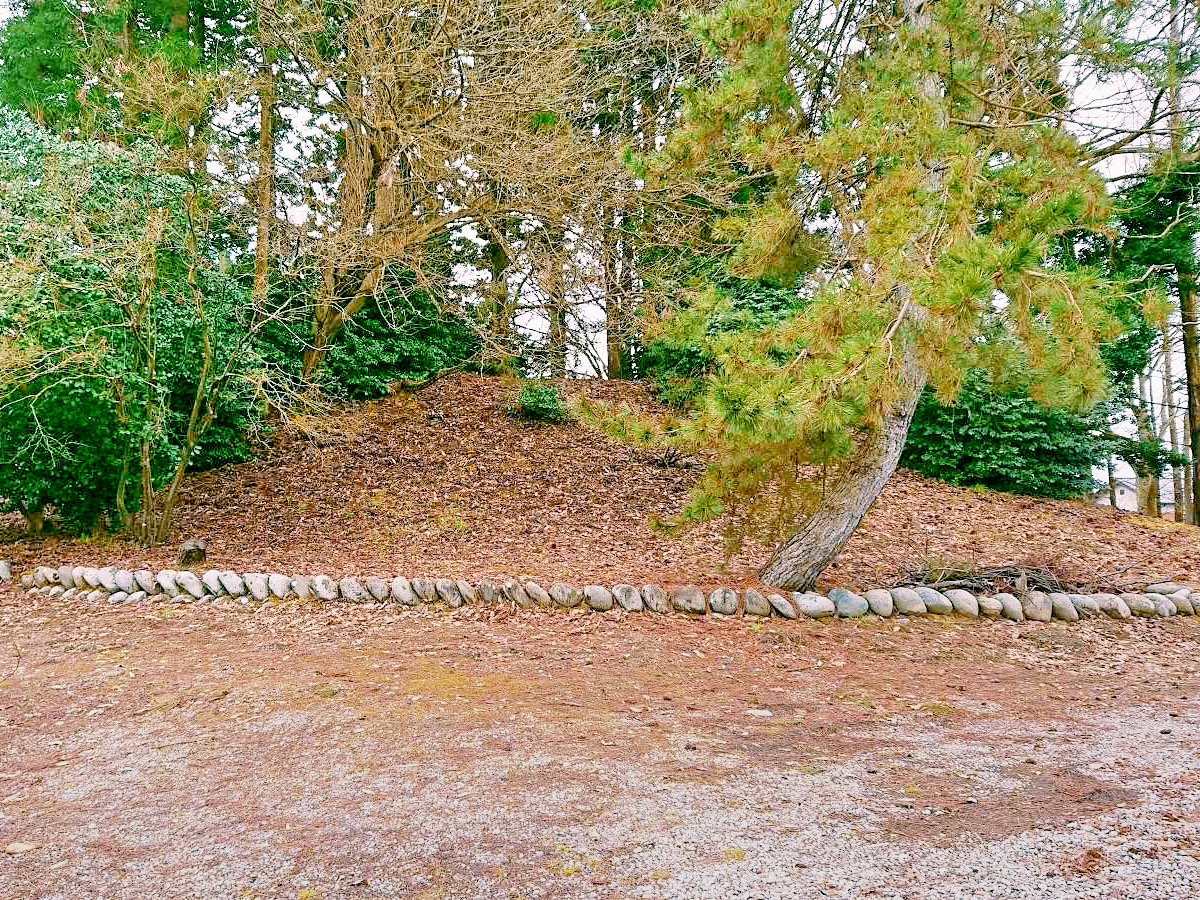
Kushidashin Site
Late Jōmon settlement with Kofun burial mounds.
Tenpaku Site
Jōmon necropolis and ritual site in Japan