Explore the Map
Hida Sites
37.0556° N, 138.2342° E
About
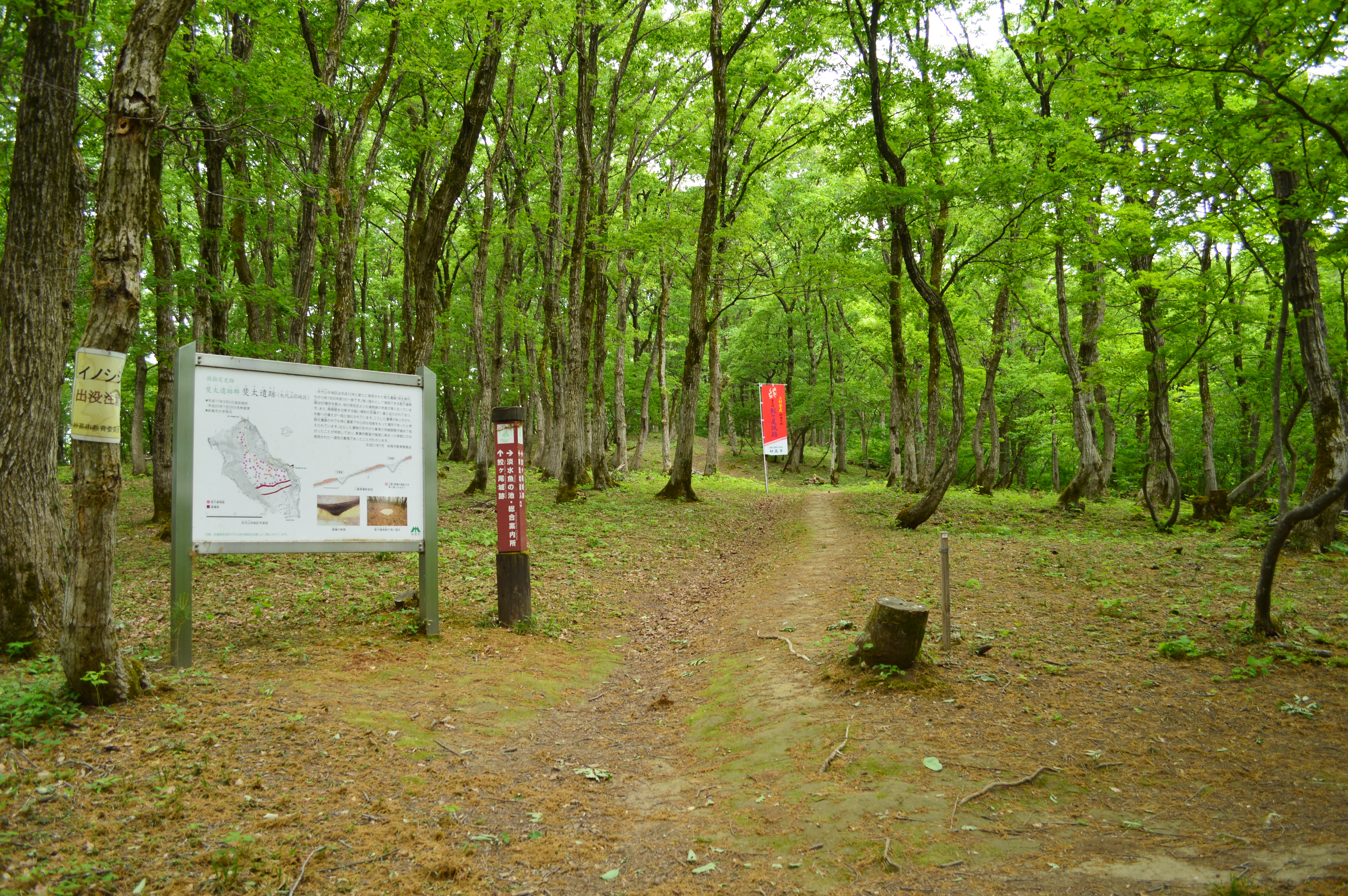
The Hida ruins, located in the Hokuriku region of Japan, encapsulate the transition from the late Yayoi to the early Kofun period, approximately the 3rd century CE. This site is significant for its extensive remains, including over 200 pit dwellings and a U-shaped moat that showcases defensive strategies employed during a time of societal unrest, known as the Civil War of Wa. The site's strategic placement on a hillside ridge, coupled with the presence of moats and ramparts, highlights the shift in settlement patterns due to warfare. Artifacts such as jadeite beads and copper products indicate a vibrant trade network. The archaeological integrity of the site has been preserved due to its historical designation, offering insights into ancient Japanese culture and society.
Gallery
Explore photographs of ancient structures, artifacts, and archaeological excavations
Historical Timeline
Journey through time and discover key events in this site's history
Late Yayoi settlement
3rd century CE
Transition to Kofun period
3rd century CE
Archaeological Features
Unique architectural and cultural elements found at this historical site
Defensive Structures
Miscellaneous Features
Industrial and Craft Structures
Domestic and Habitation Structures
Frequently Asked Questions
Plan Your Visit
Tours, travel arrangements, and practical information
More Sites in Japan
Mangyō Site
Late Yayoi–Early Kofun settlement, Nanao (Ishikawa), Japan
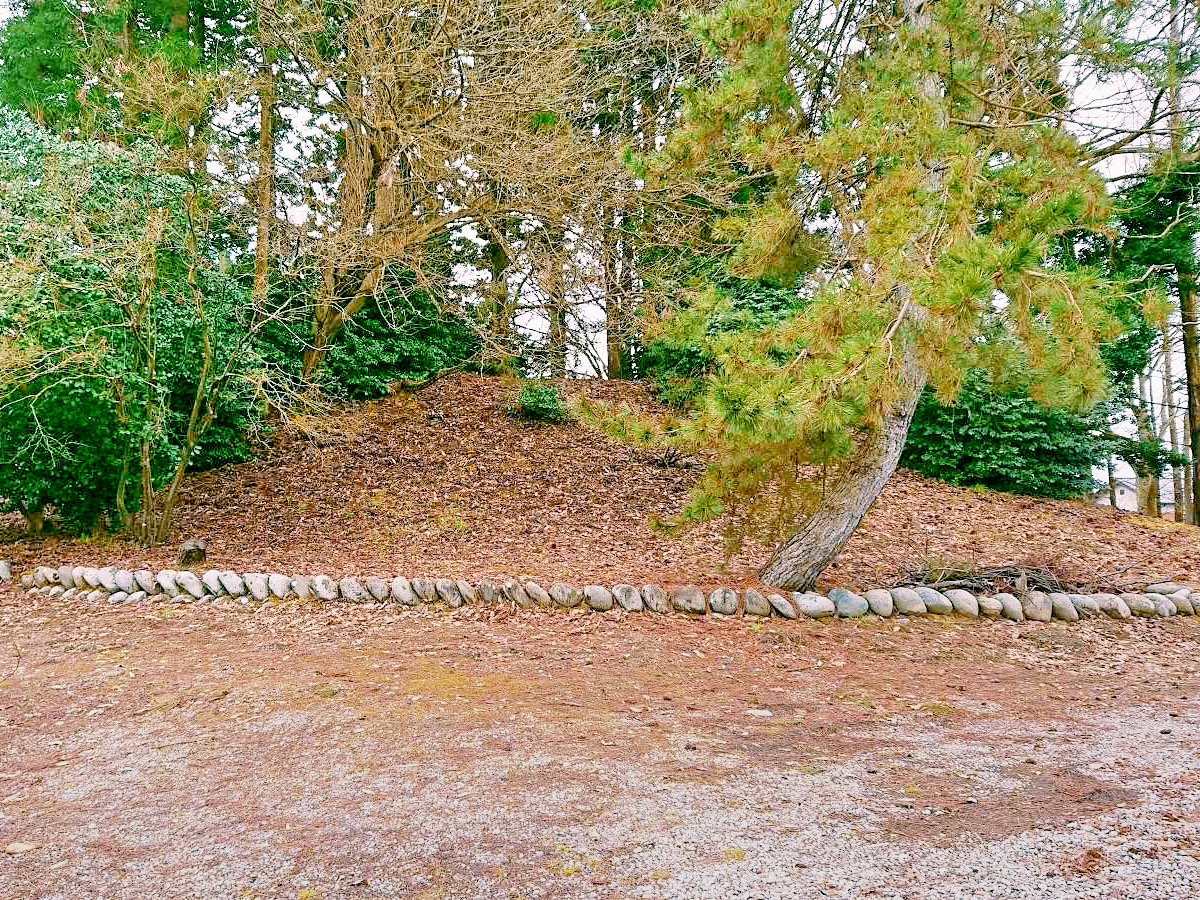
Kushidashin Site
Late Jōmon settlement with Kofun burial mounds.
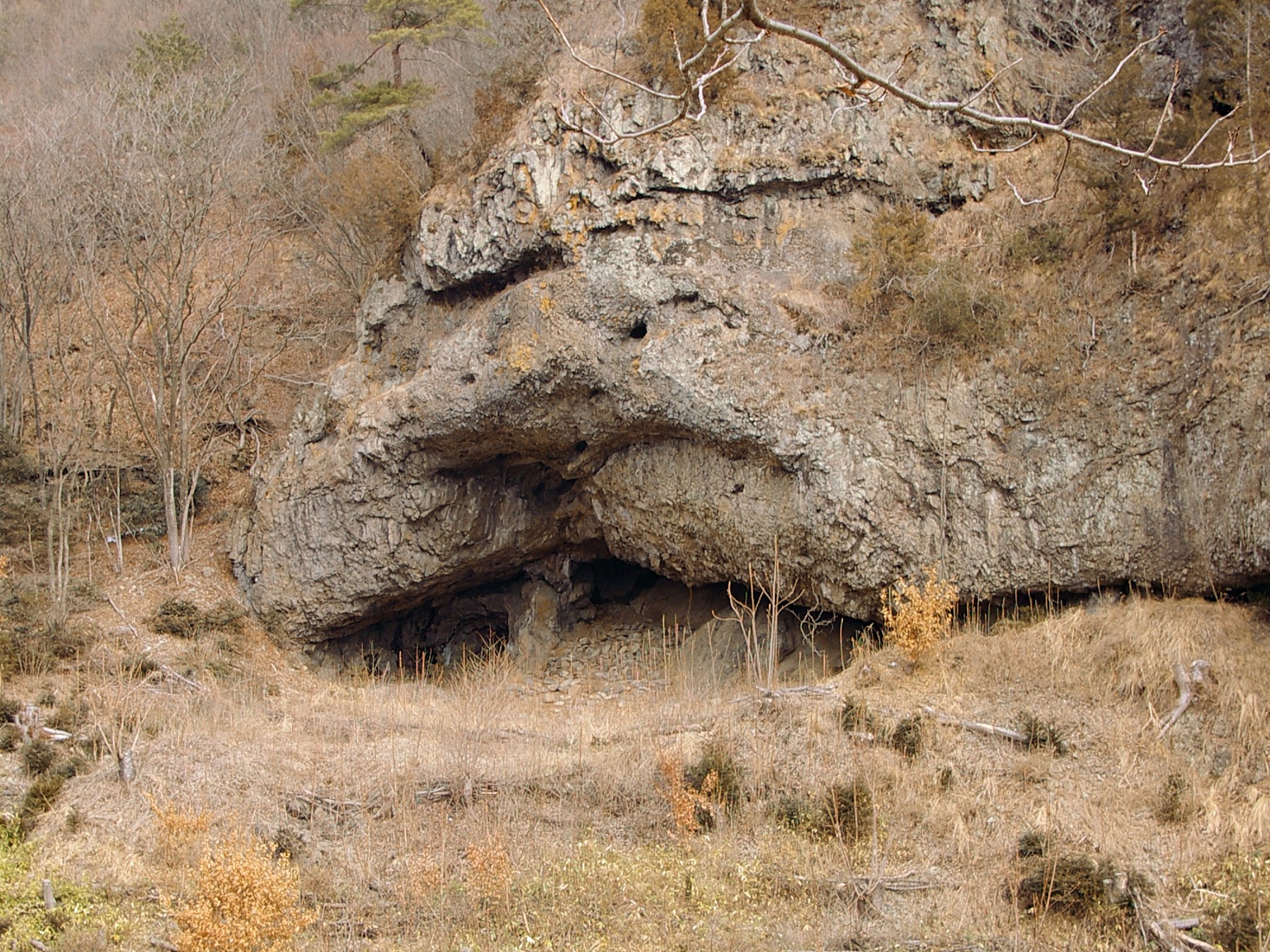
Tobayama Cave
Cave dwelling and tomb with grave goods
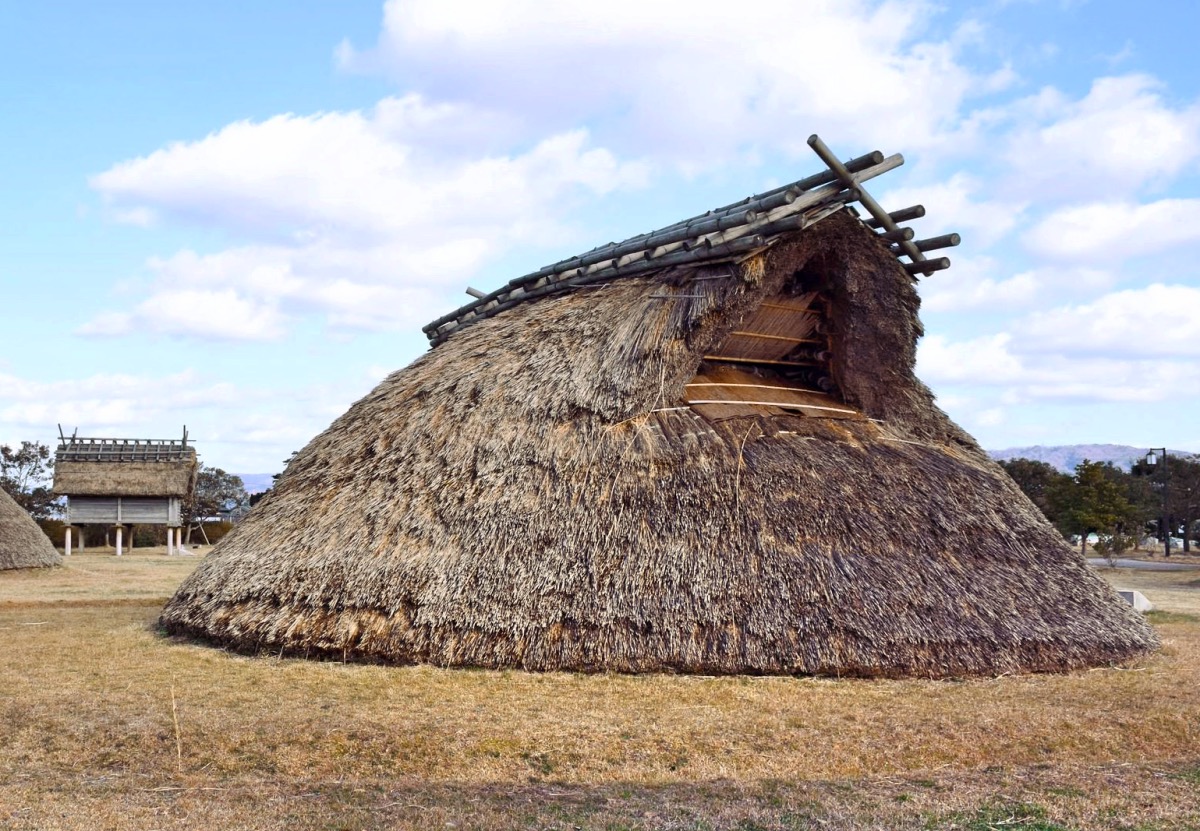
Yoshizaki-Suba Site
Yayoi period settlement remains, Ishikawa, Japan.

Komaru Castle
Sengoku period castle with moats and ramparts.
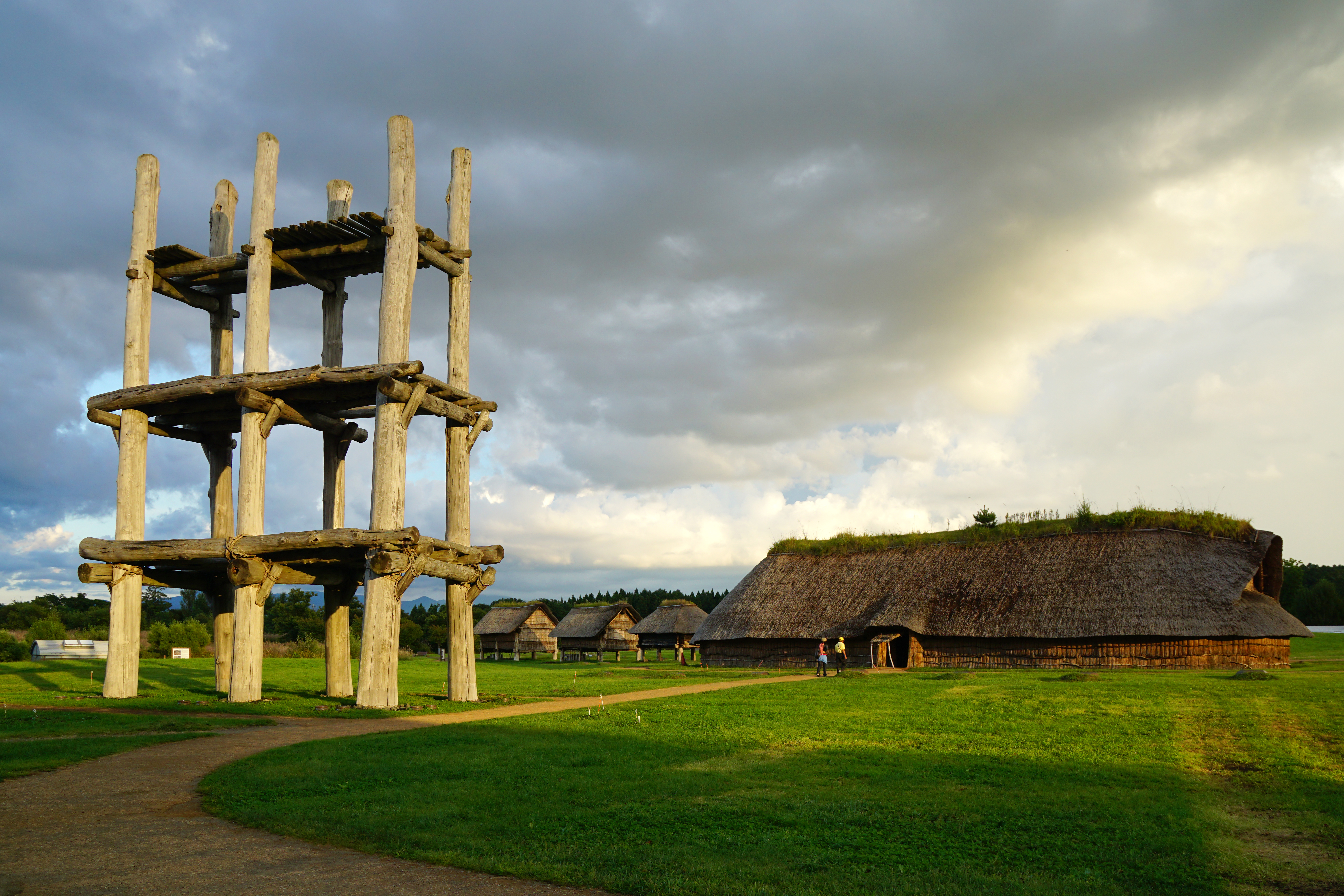
Sannai-Maruyama Site
Large Jōmon period settlement ruins