Explore the Map
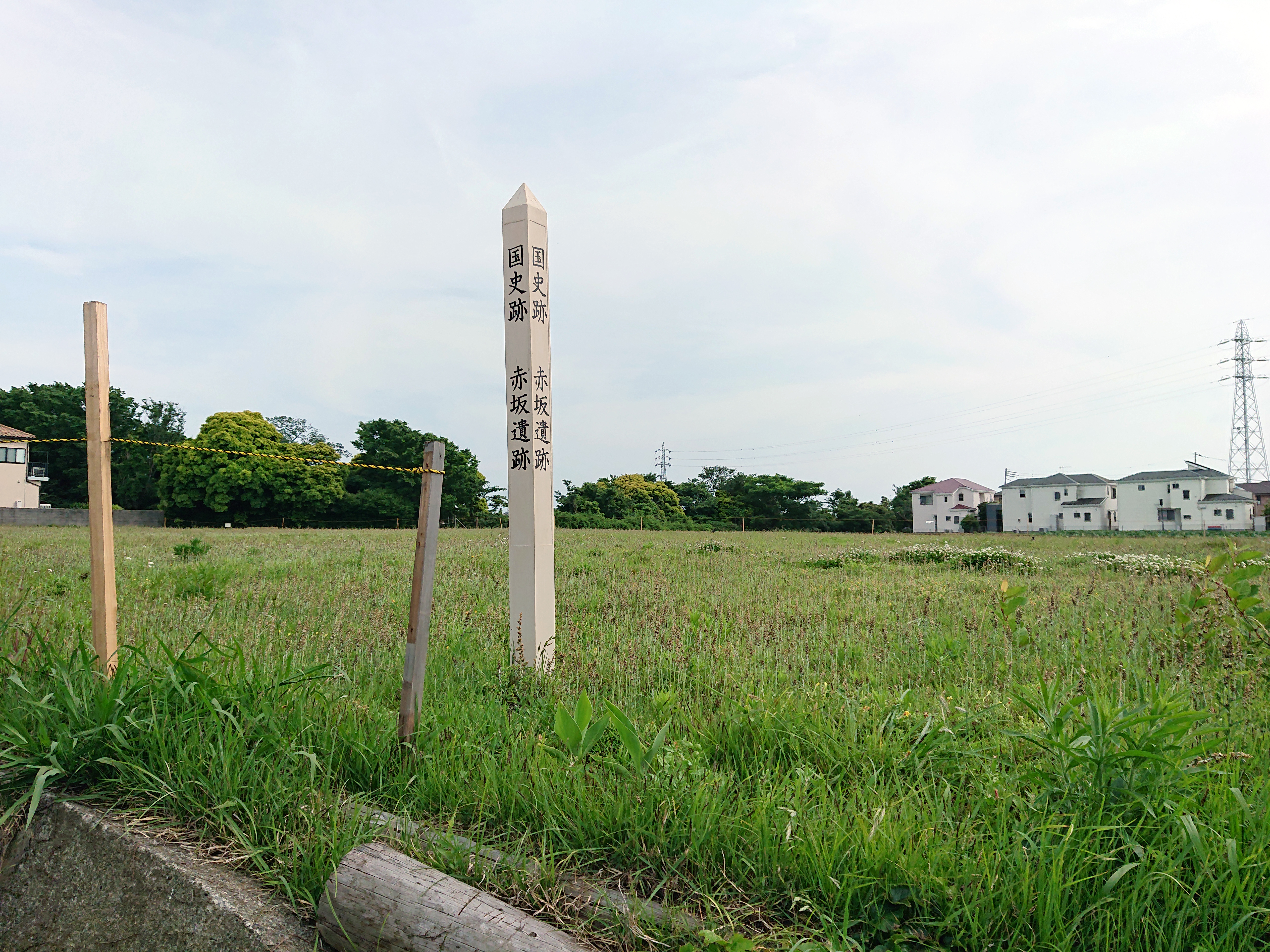
Akasaka Site
35.1744° N, 139.6342° E
About
The Akasaka Archaeological Site, located in Miura, Kanagawa Prefecture, Japan, represents a significant middle to late Yayoi period settlement. Situated on a hill 50 meters above sea level, the site covers an area of approximately 70,000 square meters, with 4,700 square meters designated as a National Historic Site of Japan in 2011. Excavations have uncovered 130 pit dwelling sites, indicative of a vibrant community engaged in complex activities. Artifacts from the site include Yayoi pottery, bronze and iron tools, and organic relics such as carbonized rice. The discovery of stone axes originating from the Hokushin region highlights the extensive trade networks of the period. The Akasaka site offers valuable insights into the domestic, economic, and social aspects of Yayoi culture, emphasizing its role in the broader historical narrative of ancient Japan.
Gallery
Explore photographs of ancient structures, artifacts, and archaeological excavations
Historical Timeline
Journey through time and discover key events in this site's history
Yayoi Settlement
300 BCE - 300 CE
Archaeological Features
Unique architectural and cultural elements found at this historical site
Industrial and Craft Structures
Domestic and Habitation Structures
Environmental and Natural Features
Frequently Asked Questions
Plan Your Visit
Tours, travel arrangements, and practical information
More Sites in Japan
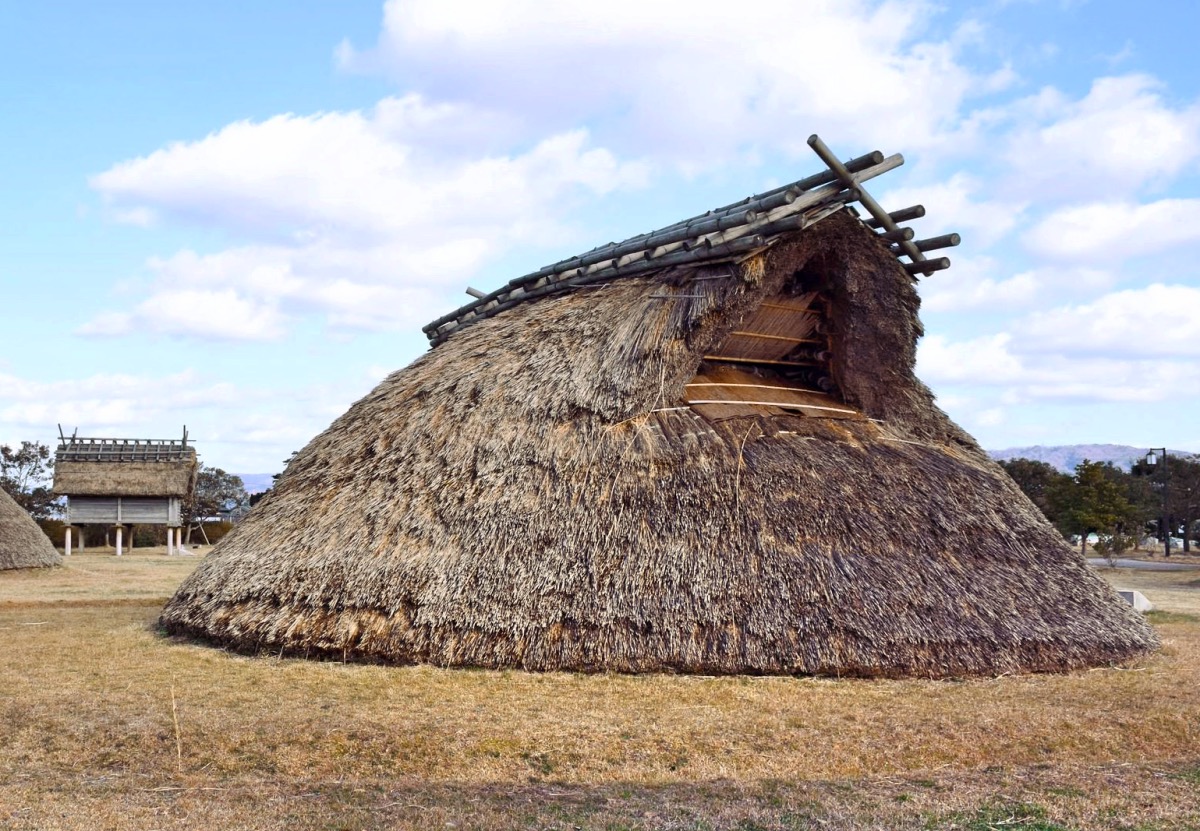
Yoshizaki-Suba Site
Yayoi period settlement remains, Ishikawa, Japan.
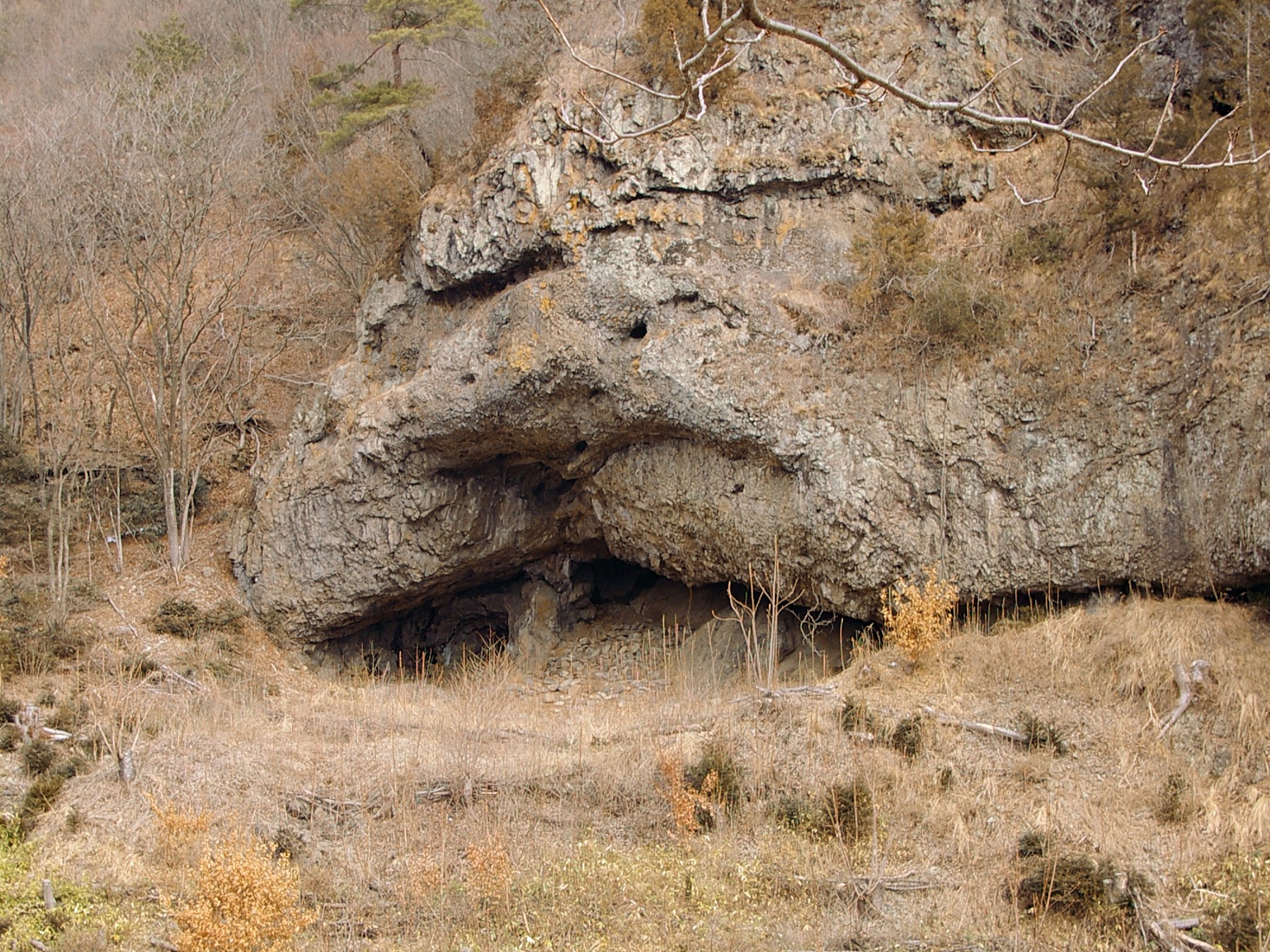
Tobayama Cave
Cave dwelling and tomb with grave goods
Mangyō Site
Late Yayoi–Early Kofun settlement, Nanao (Ishikawa), Japan
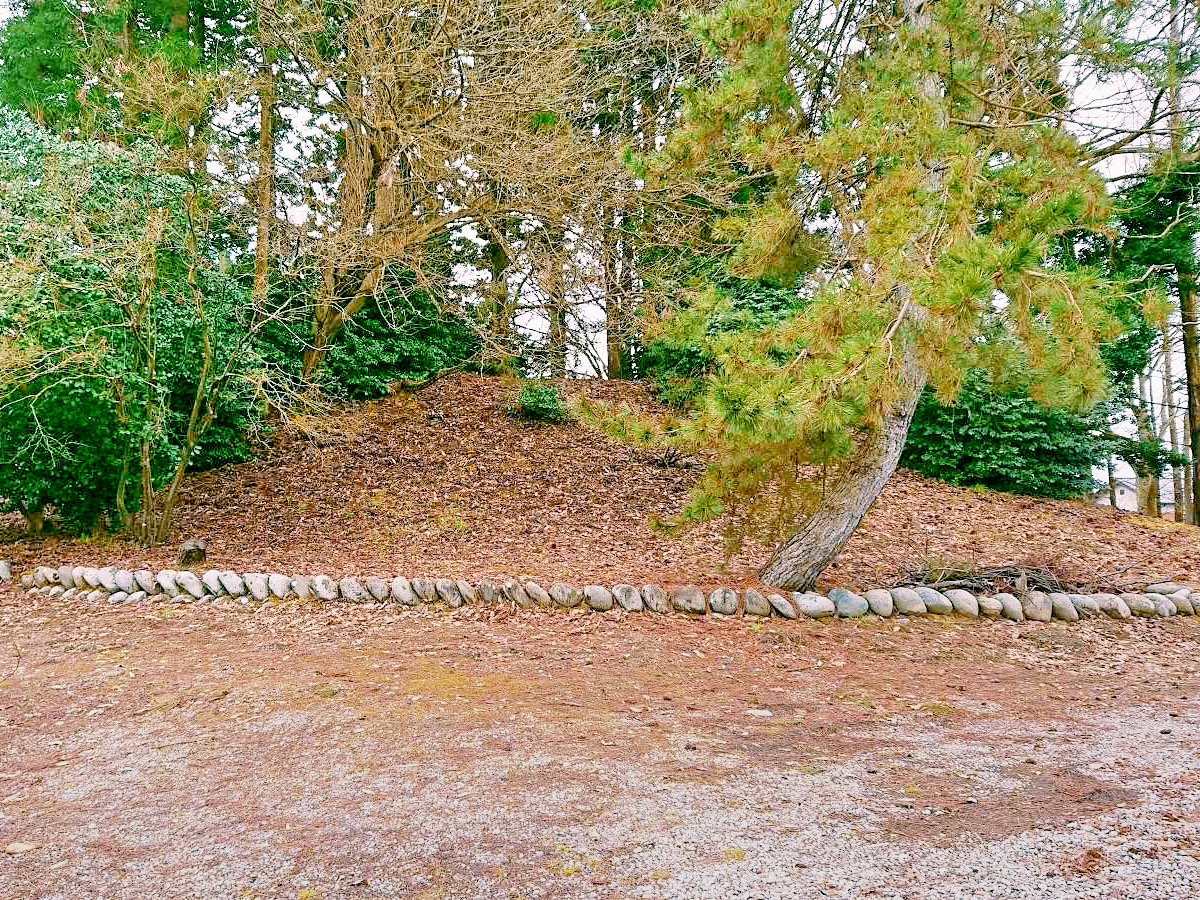
Kushidashin Site
Late Jōmon settlement with Kofun burial mounds.
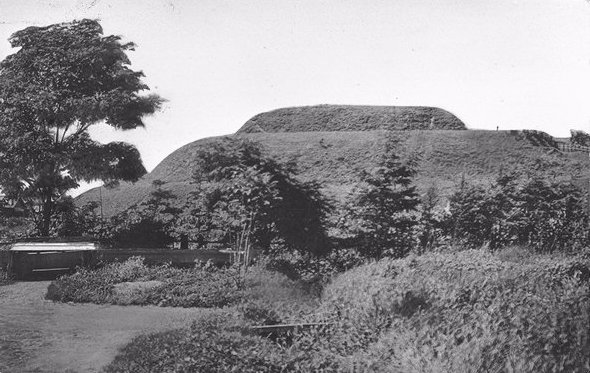
Moshiriya Chashi
Ainu fortified chashi on elevated site
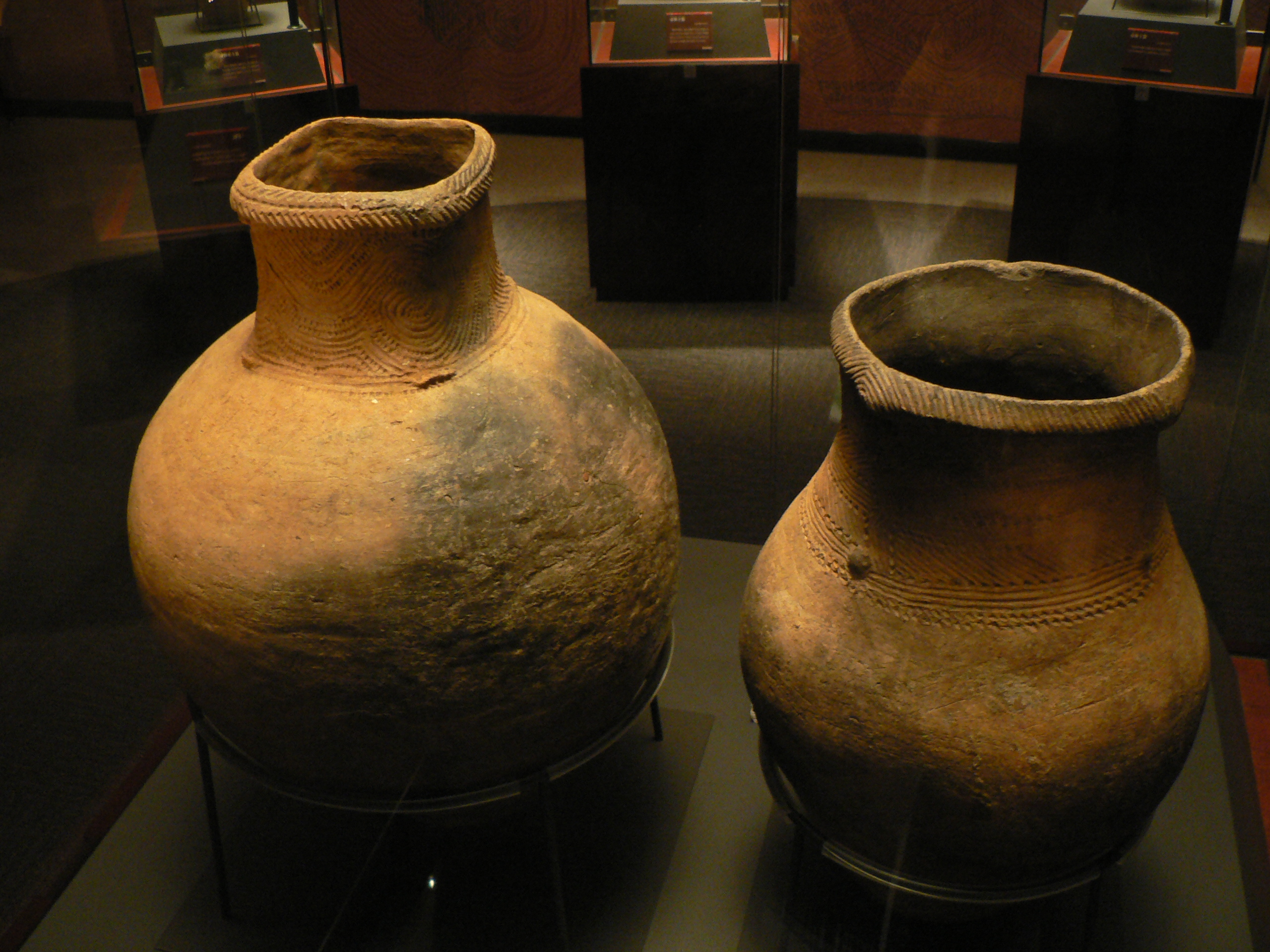
Uenohara site
Early Jōmon period settlement in Japan.