Explore the Map
Hirasawa Kanga ruins
36.1781° N, 140.1033° E
About
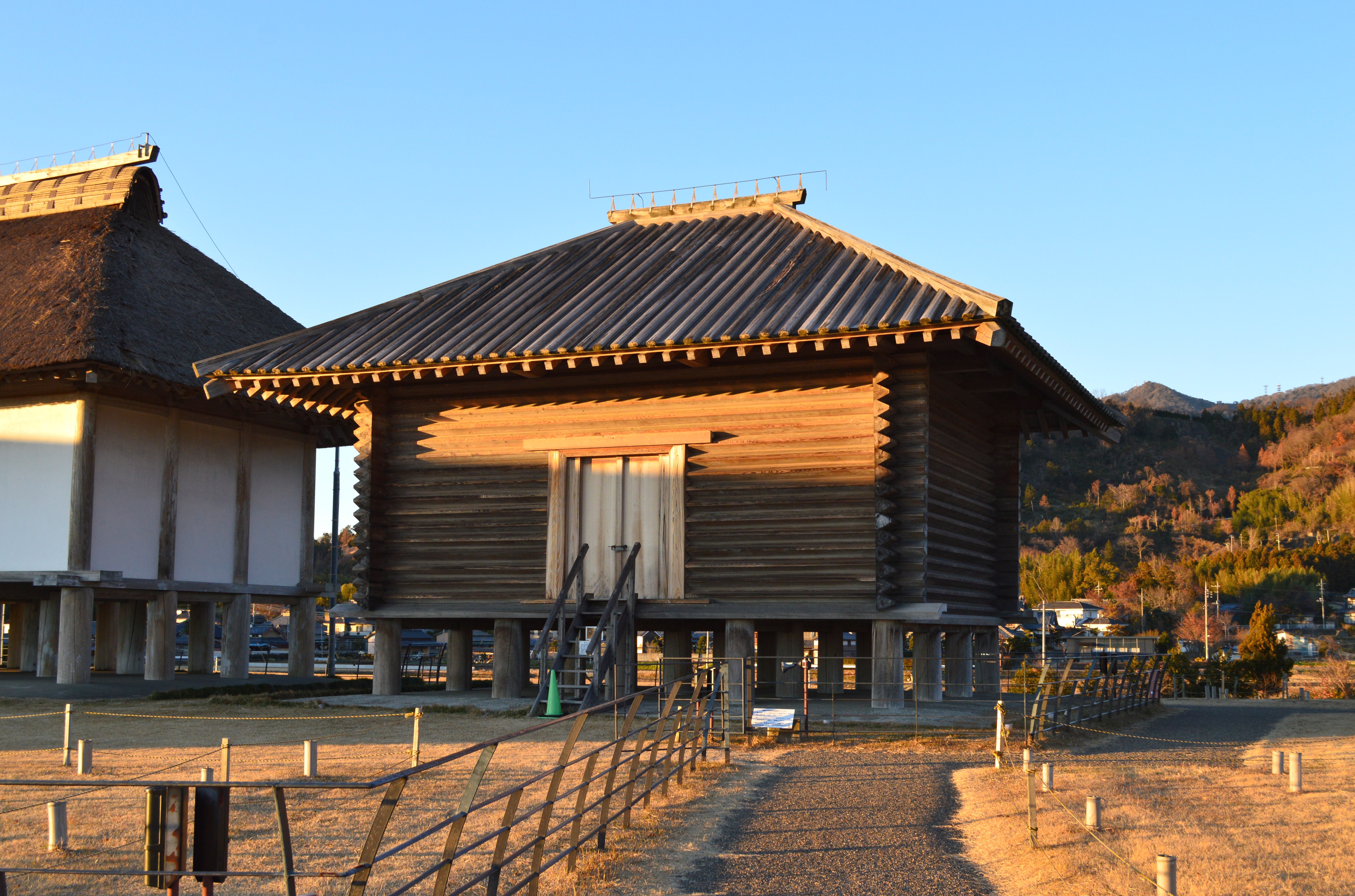
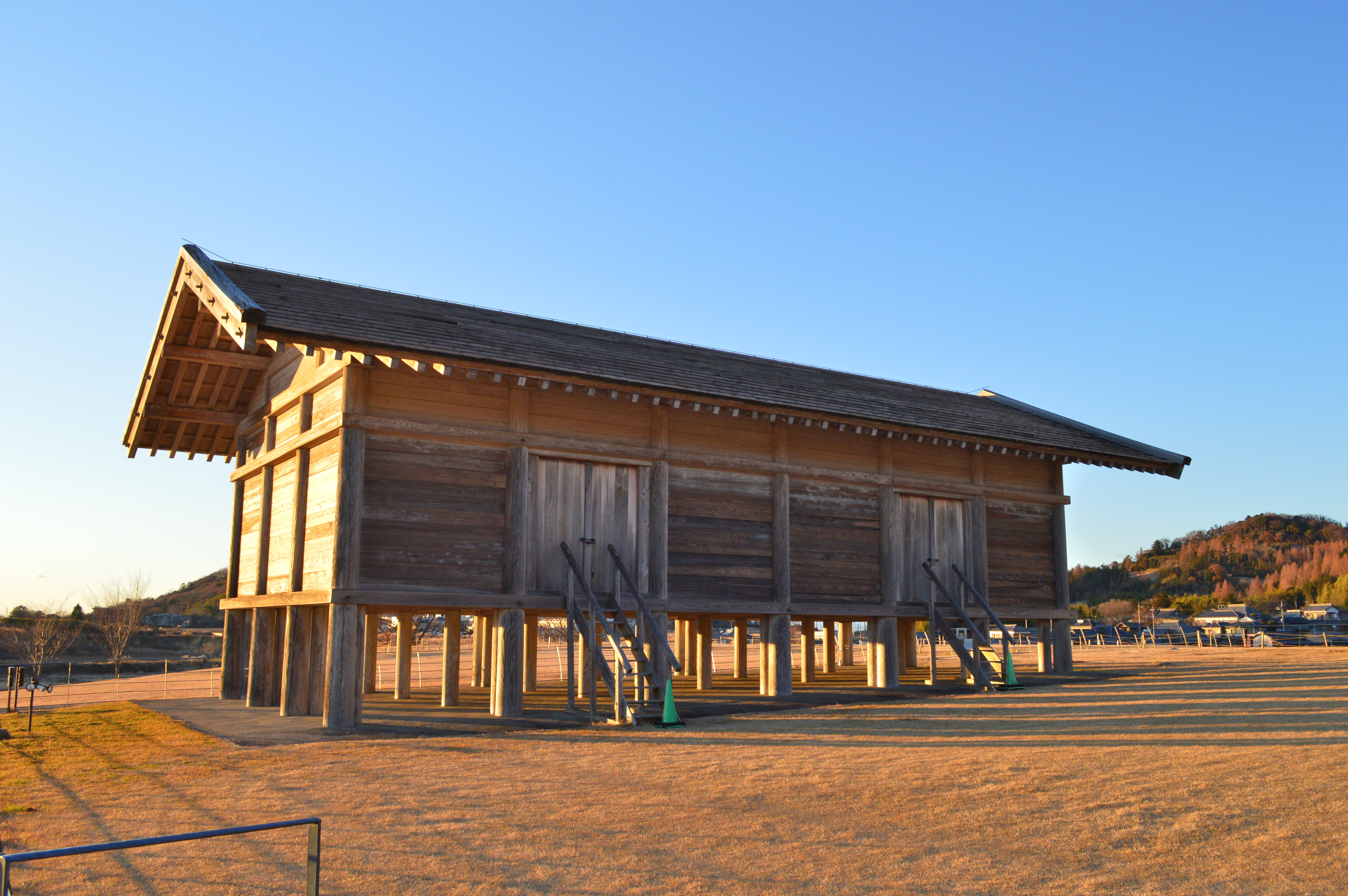
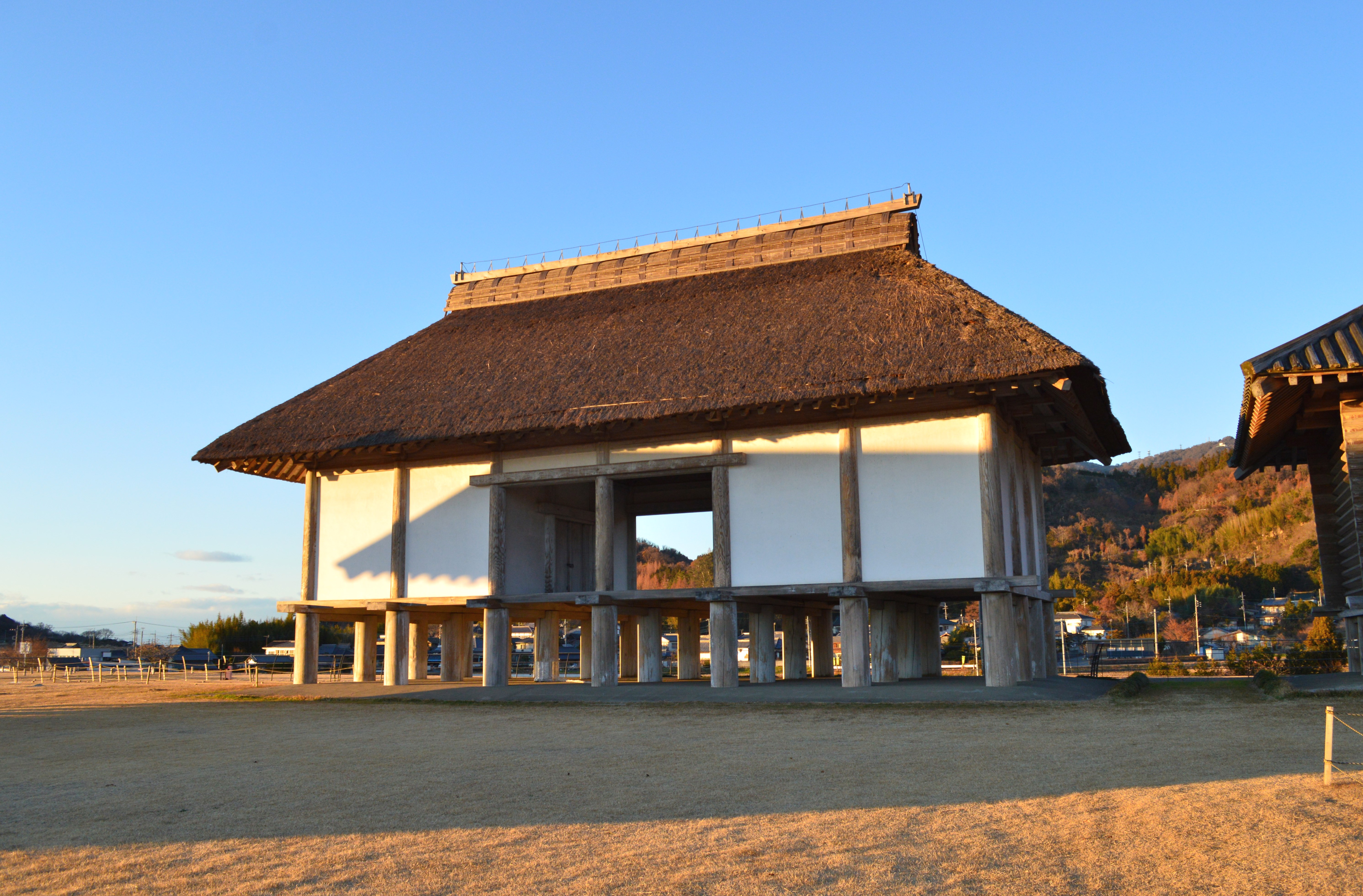
The Hirasawa Kanga ruins in Tsukuba, Ibaraki Prefecture, Japan, are a significant archaeological site from the Nara to Heian periods. This site, protected as a National Historic Site since 1980, reveals the layout of a provincial administrative complex under the Ritsuryō system, with features such as a moat, palisade, and granaries. Excavations uncovered foundations for various buildings, including raised-floor granaries likely used for storing taxation rice. Additionally, evidence of earlier settlement during the late Jōmon period was found, indicating long-term habitation. The site provides insights into the administrative and social structures of the time, reflecting a blend of Chinese architectural influence and local adaptations. Restoration efforts have made the site accessible to the public, emphasizing its historical importance.
Gallery
Explore photographs of ancient structures, artifacts, and archaeological excavations
Historical Timeline
Journey through time and discover key events in this site's history
Late Jomon Settlement
1000 BCE - 300 BCE
Site Destruction by Fire
Nara to Heian Period
Nara Period Administration
715 CE
Archaeological Features
Unique architectural and cultural elements found at this historical site
Storage Structures
Defensive Structures
Public and Civic Structures
Domestic and Habitation Structures
Frequently Asked Questions
Plan Your Visit
Tours, travel arrangements, and practical information


More Sites in Japan
Bingo Provincial Capital
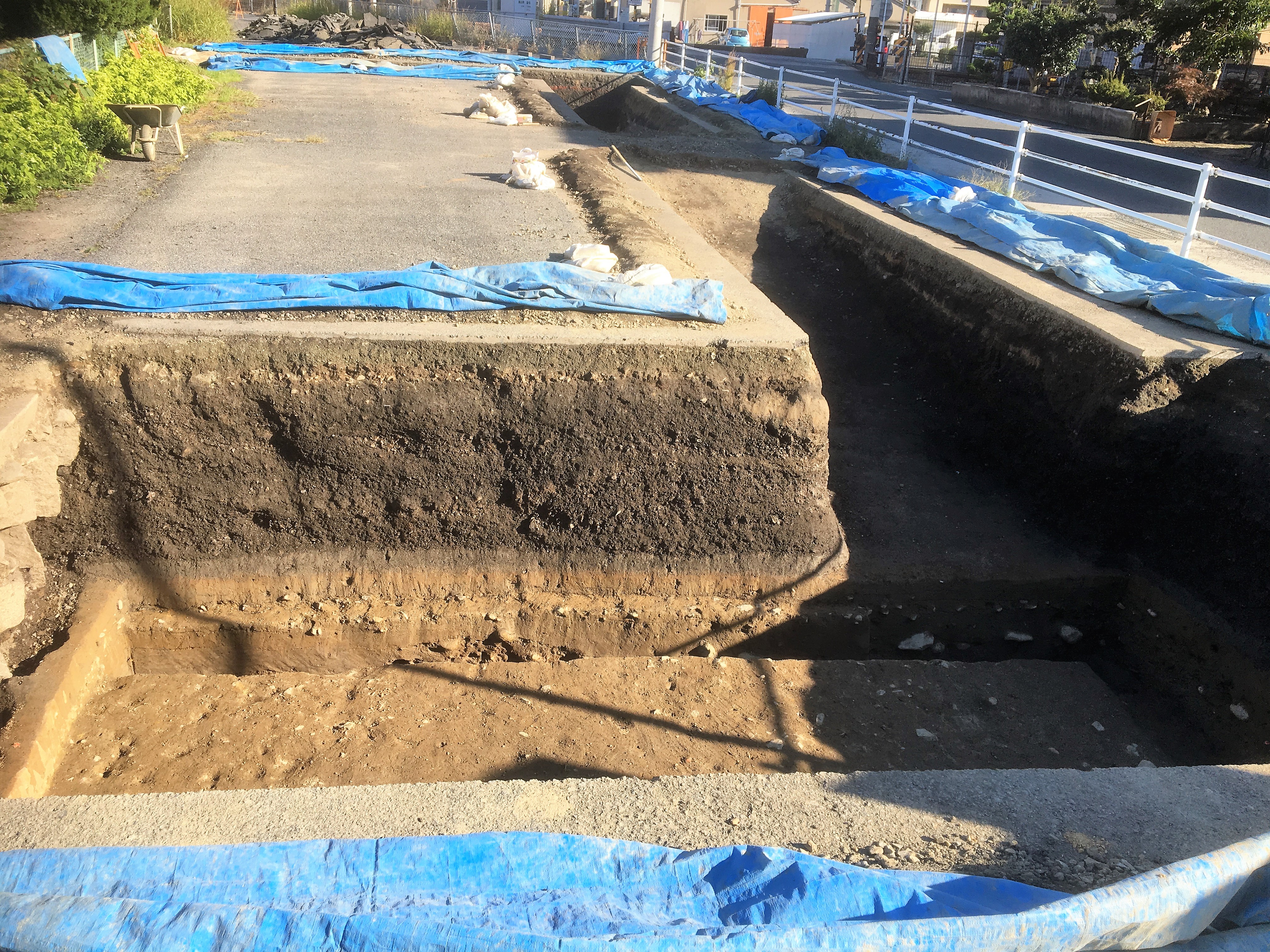
Ruins of ancient provincial capital structures
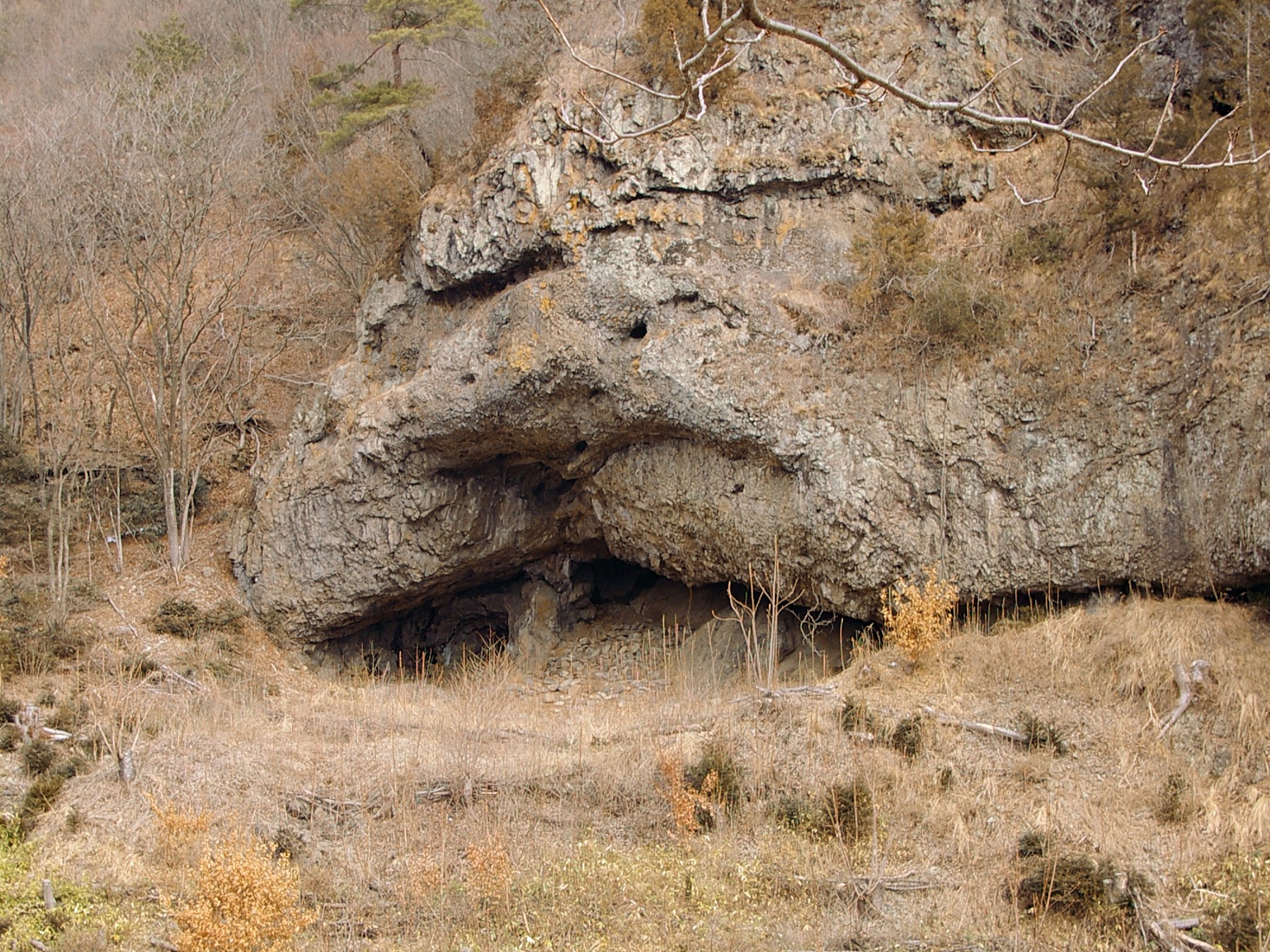
Tobayama Cave
Cave dwelling and tomb with grave goods
Binmanji Ishibotokedani Necropolis
Medieval Japanese necropolis with 1600 tombs.
Mangyō Site
Late Yayoi–Early Kofun settlement, Nanao (Ishikawa), Japan
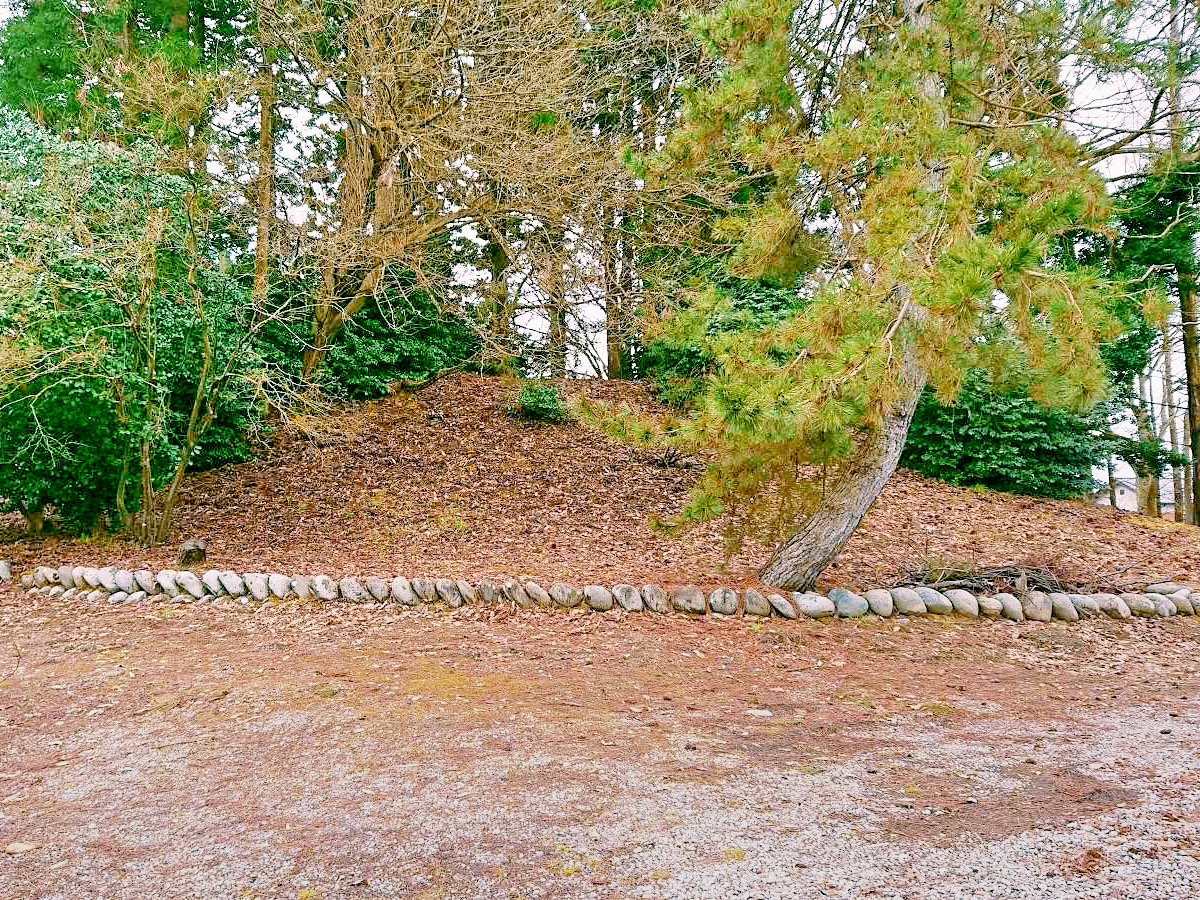
Kushidashin Site
Late Jōmon settlement with Kofun burial mounds.
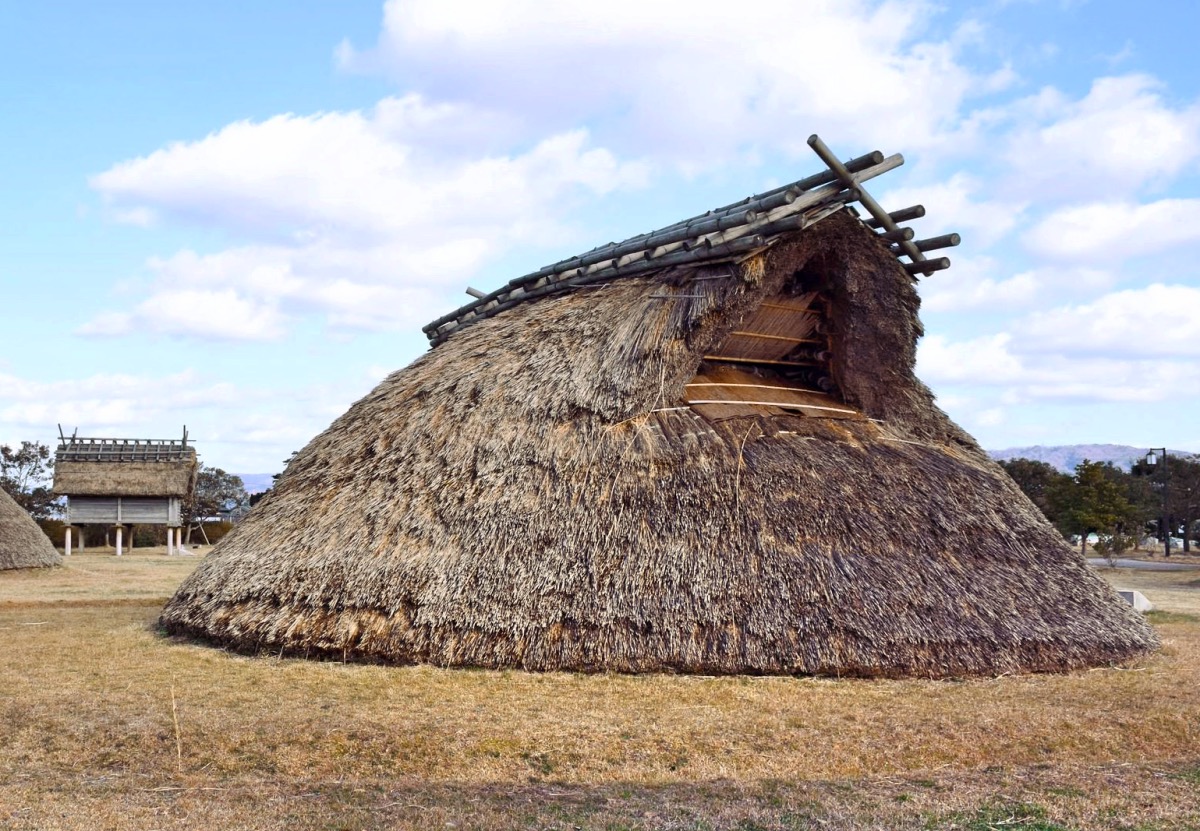
Yoshizaki-Suba Site
Yayoi period settlement remains, Ishikawa, Japan.