Explore the Map
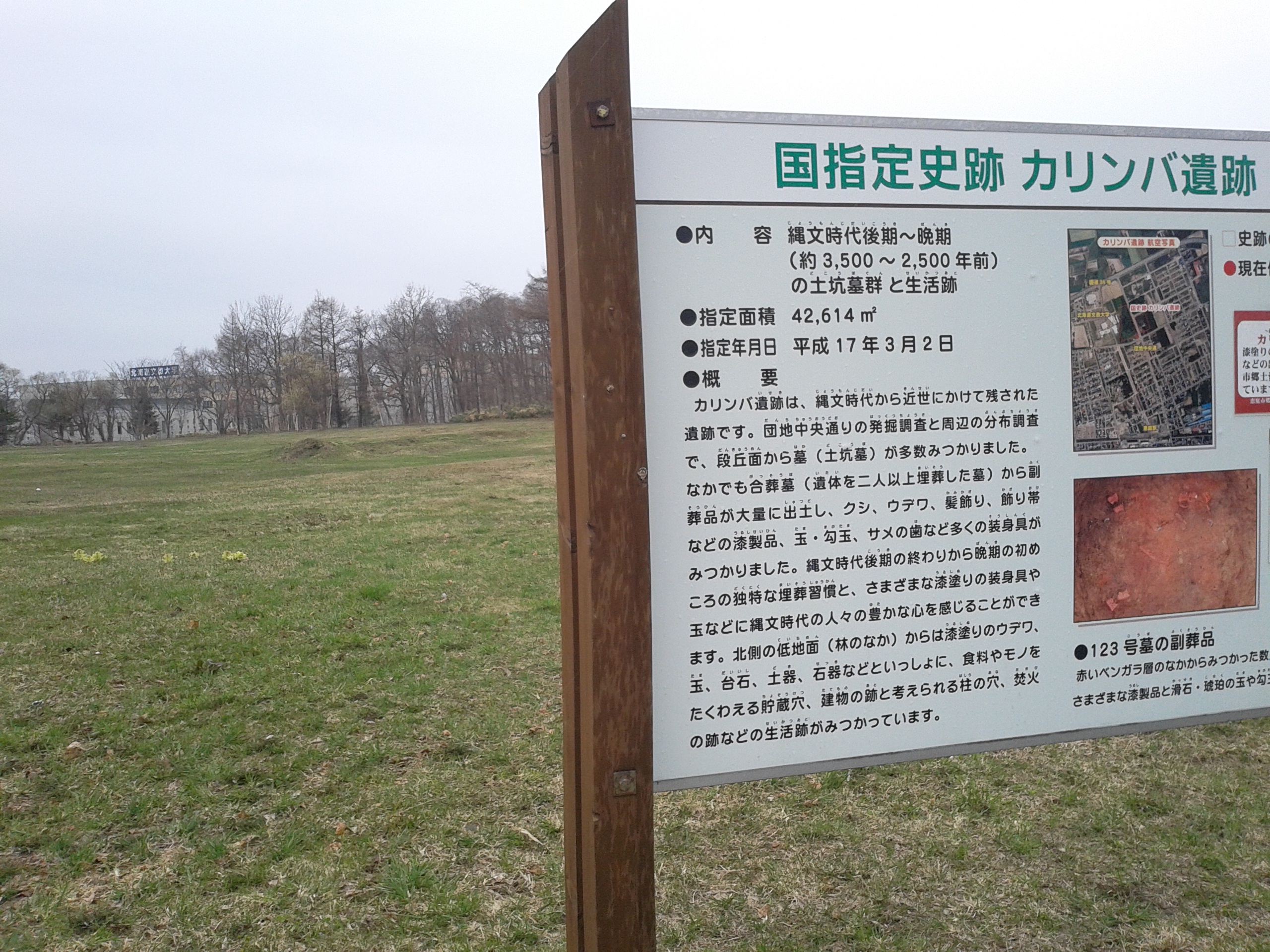
Karinba site
42.8886° N, 141.5947° E
About
The Karinba site, located in Eniwa, Hokkaido, Japan, is a significant archaeological site that offers insights into early human settlement and cultural transitions in the region. First settled during the Initial Jōmon period around 7000 BCE, the site witnessed a notable influx of inhabitants by 2000 BCE. Archaeologists have uncovered a variety of artifacts, such as lacquered combs, beads, and stone accessories, indicating the community's material culture. The site also contains graves from the Satsumon culture, dating to around 700 CE, showcasing the region's evolving burial practices. Additionally, evidence of Ainu settlements from 1200 CE highlights the continuity of habitation up to the Meiji era. Designated as a National Historic Site in 2005, the Karinba site is an invaluable resource for understanding the complex cultural history of northern Japan.
Gallery
Explore photographs of ancient structures, artifacts, and archaeological excavations
Historical Timeline
Journey through time and discover key events in this site's history
Initial Jōmon Settlement
7000 BCE
Population Surge
2000 BCE
Satsumon Graves
700 CE
Ainu Settlement Period
1200 CE
Archaeological Features
Unique architectural and cultural elements found at this historical site
Burial and Funerary Structures
Frequently Asked Questions
Plan Your Visit
Tours, travel arrangements, and practical information
More Sites in Japan
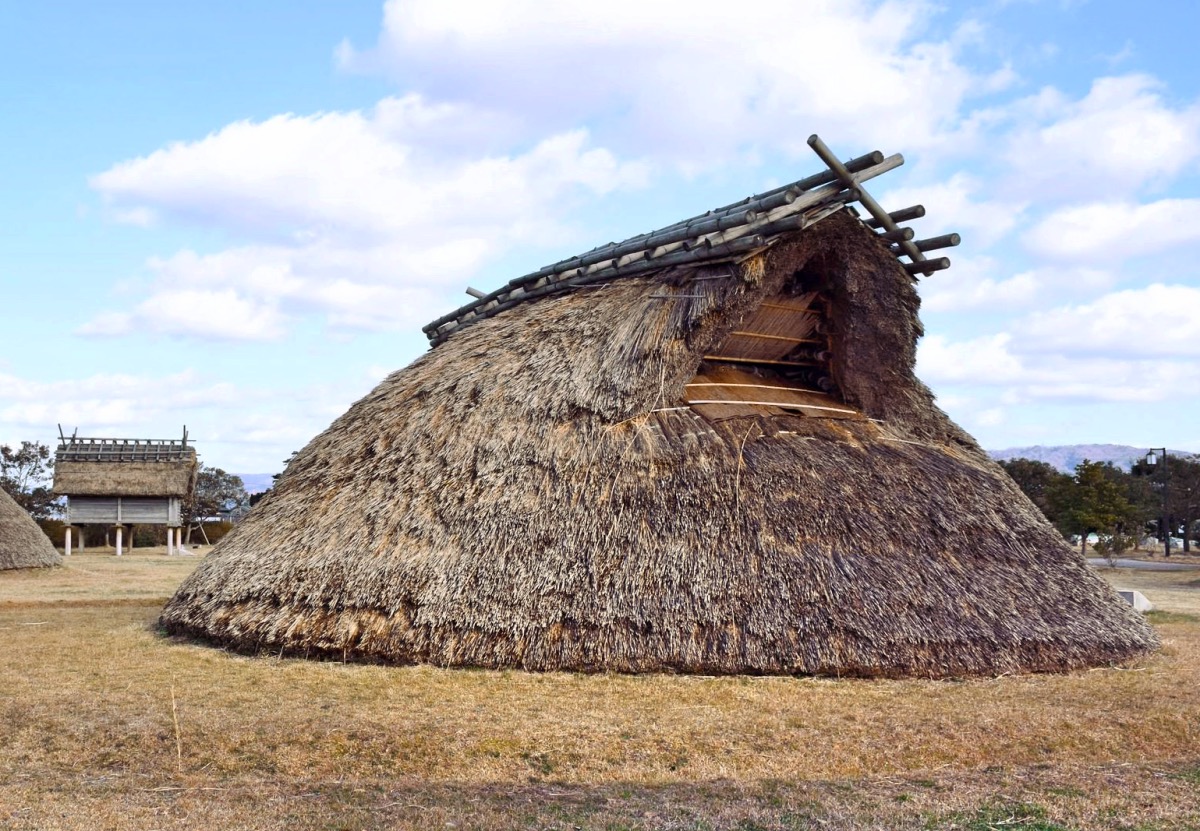
Yoshizaki-Suba Site
Yayoi period settlement remains, Ishikawa, Japan.
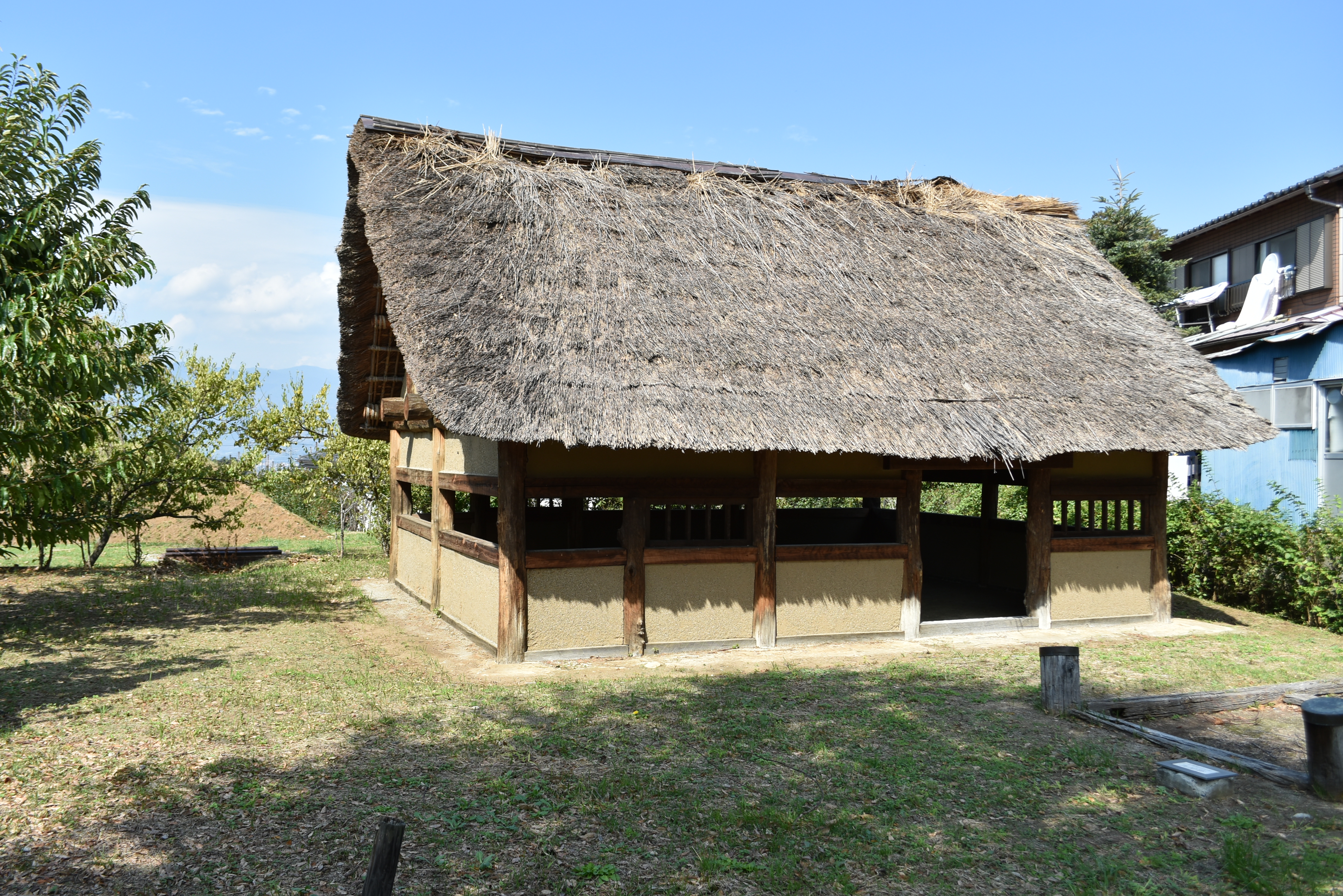
Katsunuma clan residence ruins
Sengoku period fortified residence ruins.
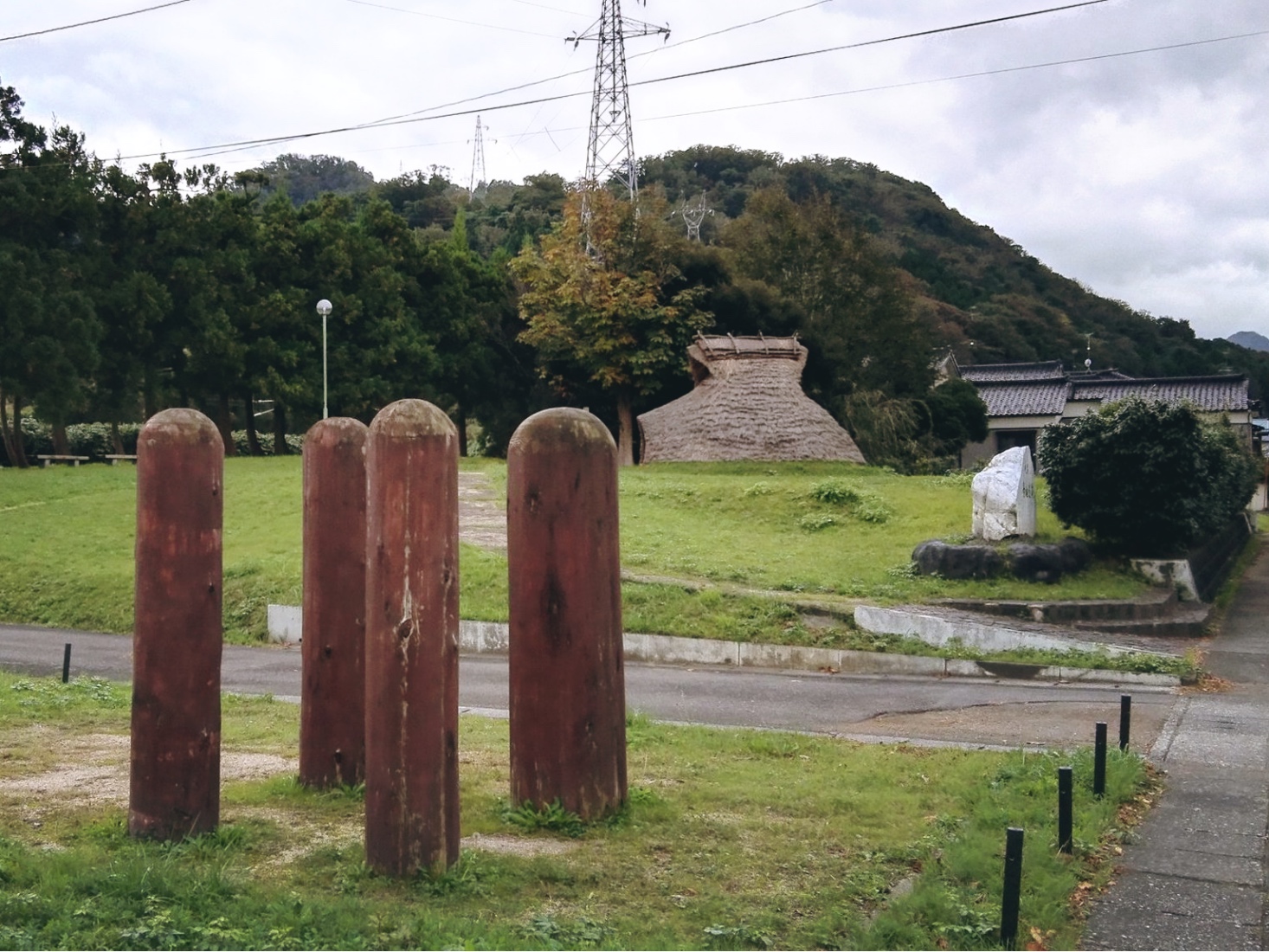
Terachi Site
Middle to late Jōmon period settlement
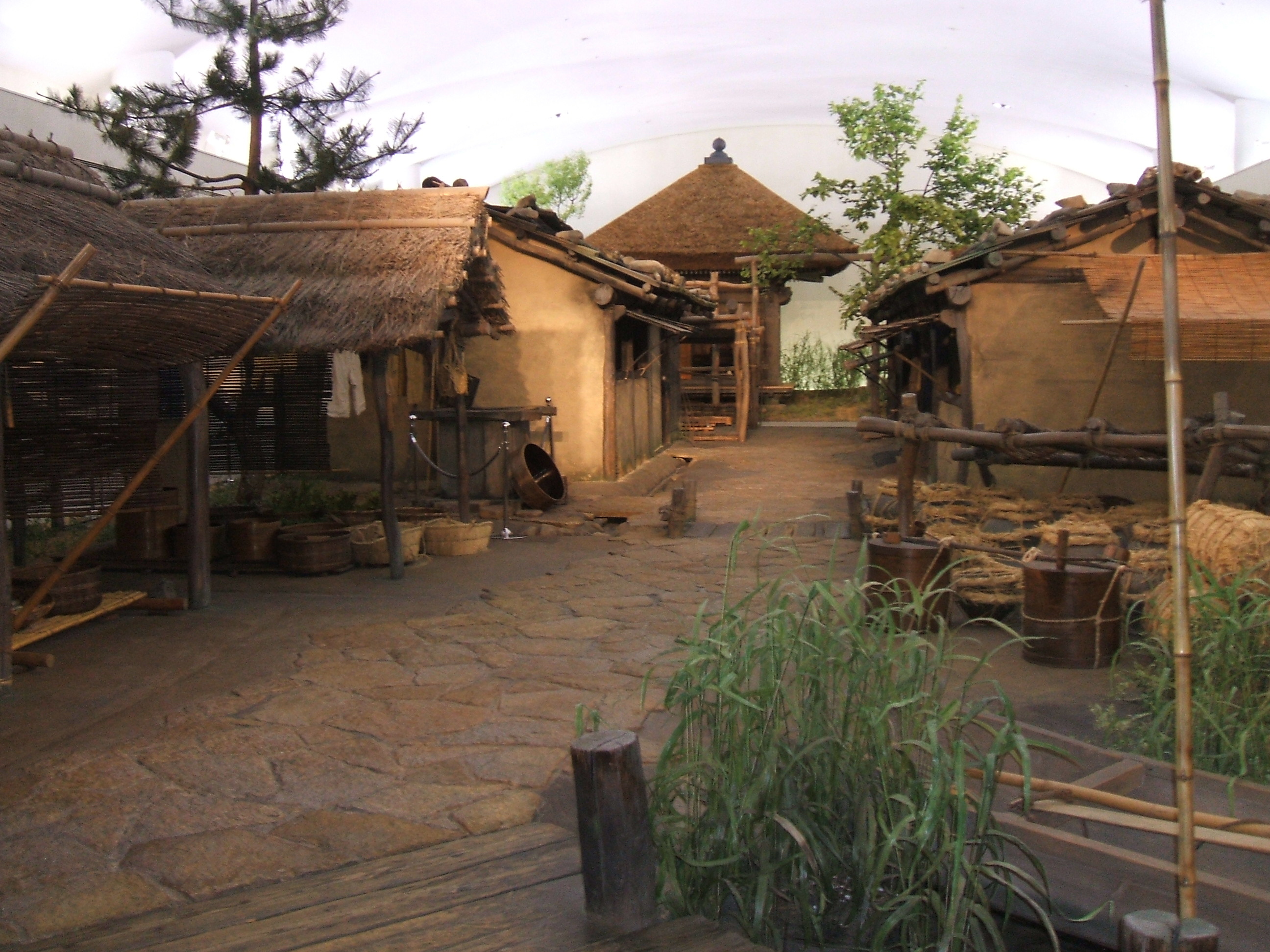
Kusado Sengen
Medieval port town near Ashida River
Binmanji Ishibotokedani Necropolis
Medieval Japanese necropolis with 1600 tombs.
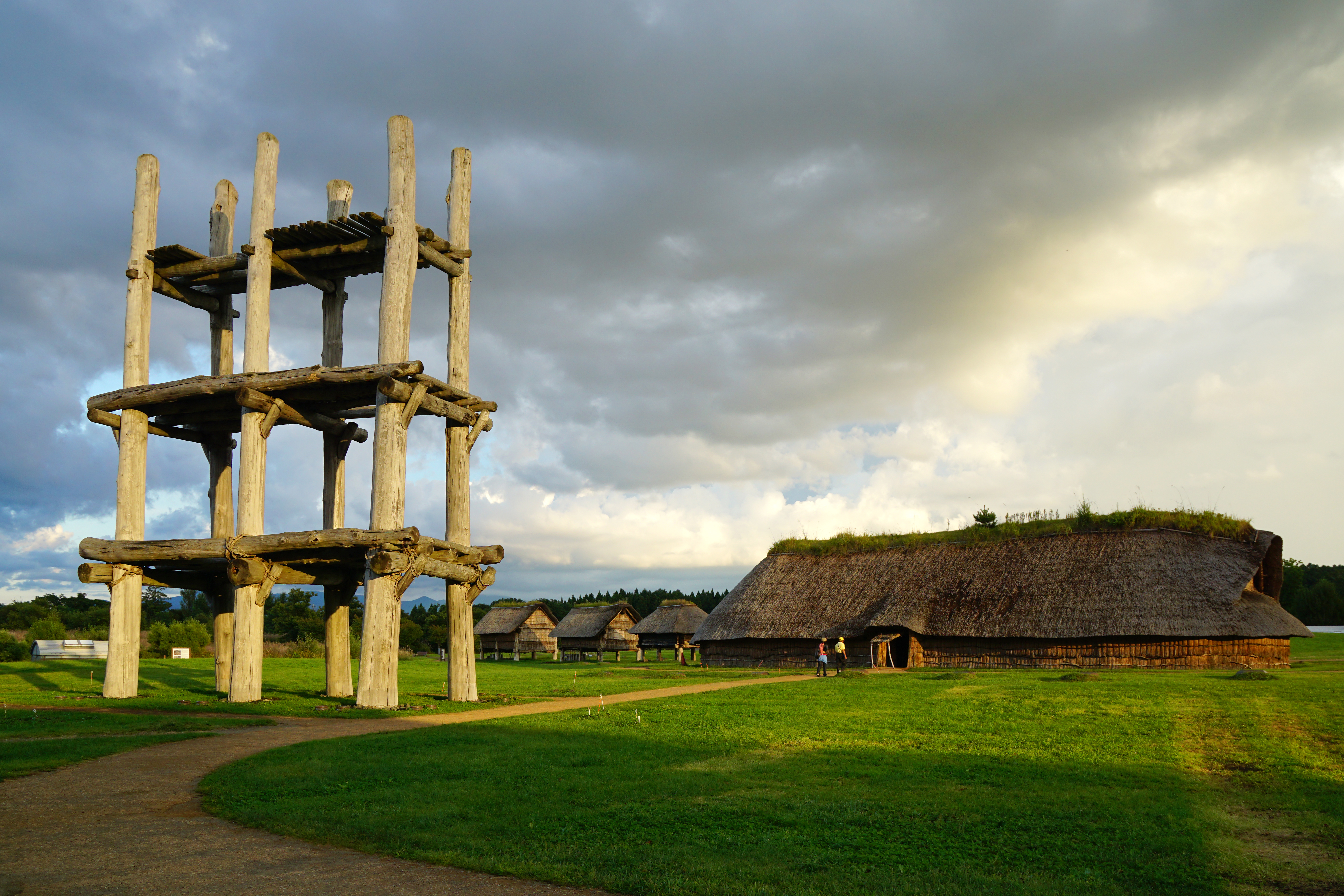
Sannai-Maruyama Site
Large Jōmon period settlement ruins