Explore the Map
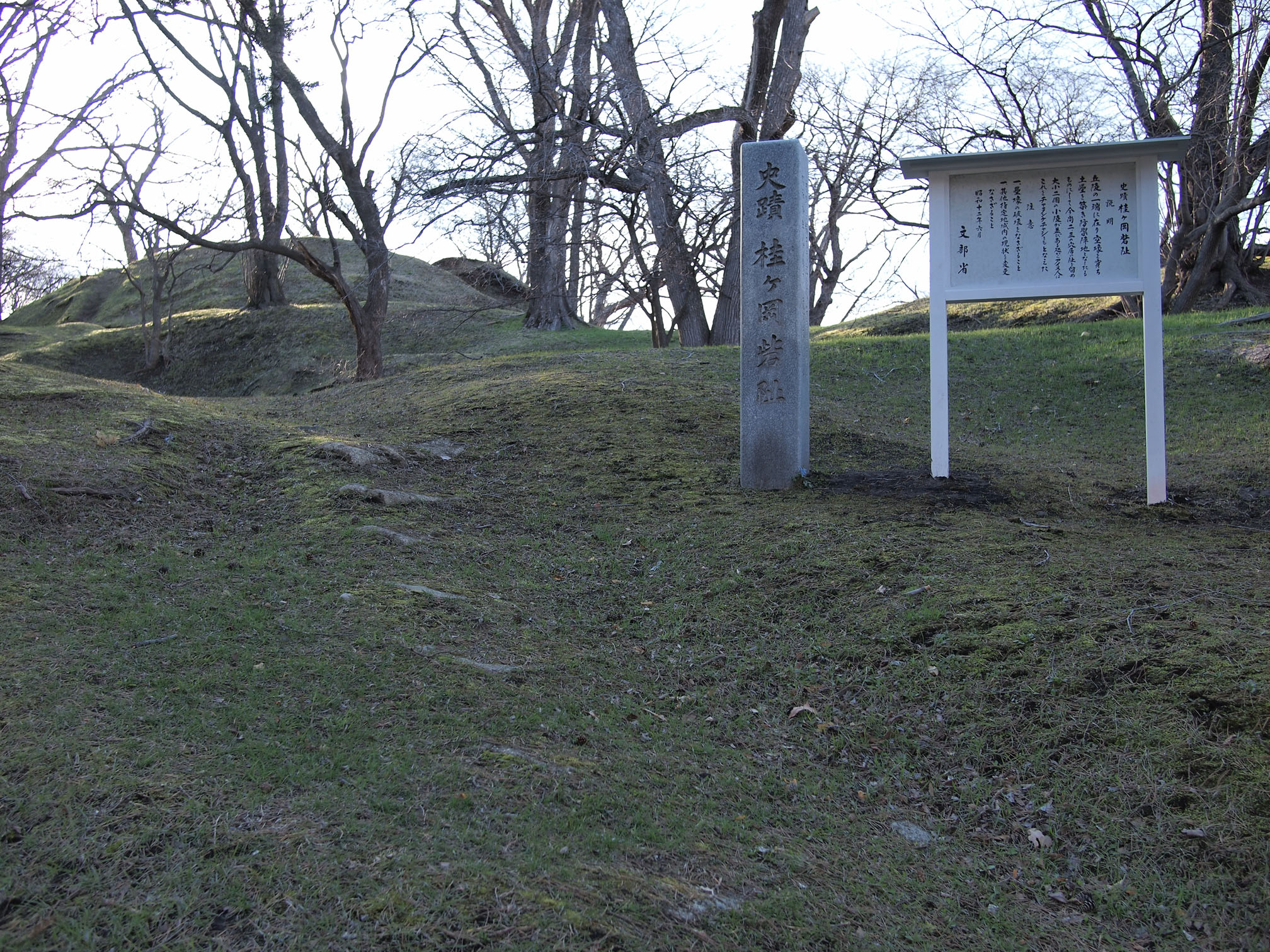
Katsuragaoka Chashi
44.0180° N, 144.2698° E
About
Katsuragaoka Chashi, located in Abashiri, Hokkaidō, Japan, is a notable archaeological site representing Ainu cultural heritage. This fortified settlement, known as a chashi, was strategically built on an elevated plateau overlooking the Sea of Okhotsk, providing natural defensive advantages. The site features artificial mounds and moats, which further enhanced its defensive capabilities against potential threats. While the exact construction date is uncertain, it is believed to have been established during the Late Post-Classical Period, around the 15th century CE. Today, the site is recognized as a national Historic Site in Japan, offering insights into the Ainu people's architectural practices and social structures. Its preservation allows for public engagement and educational opportunities regarding the rich history of the indigenous Ainu culture.
Gallery
Explore photographs of ancient structures, artifacts, and archaeological excavations
Historical Timeline
Journey through time and discover key events in this site's history
Construction of Katsuragaoka Chashi
1400 CE
Archaeological Features
Unique architectural and cultural elements found at this historical site
Defensive Structures
Environmental and Natural Features
Frequently Asked Questions
Plan Your Visit
Tours, travel arrangements, and practical information
More Sites in Japan
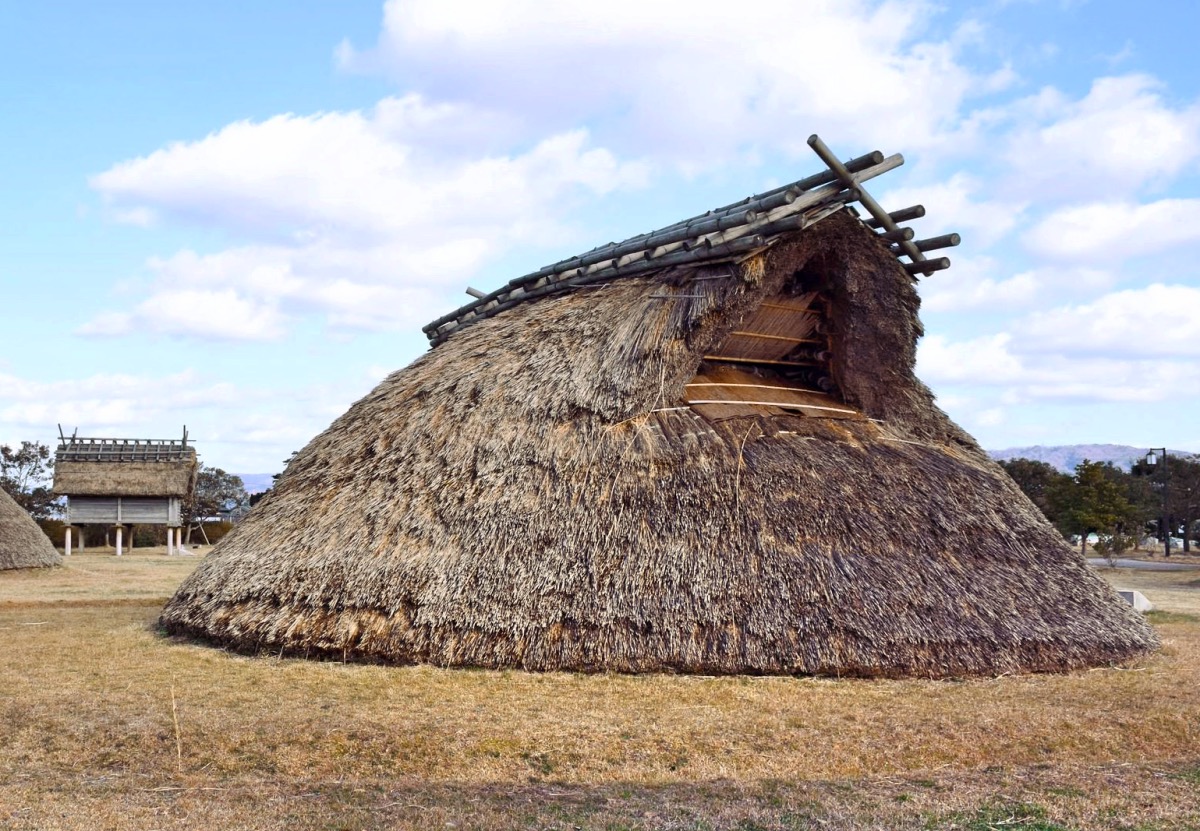
Yoshizaki-Suba Site
Yayoi period settlement remains, Ishikawa, Japan.
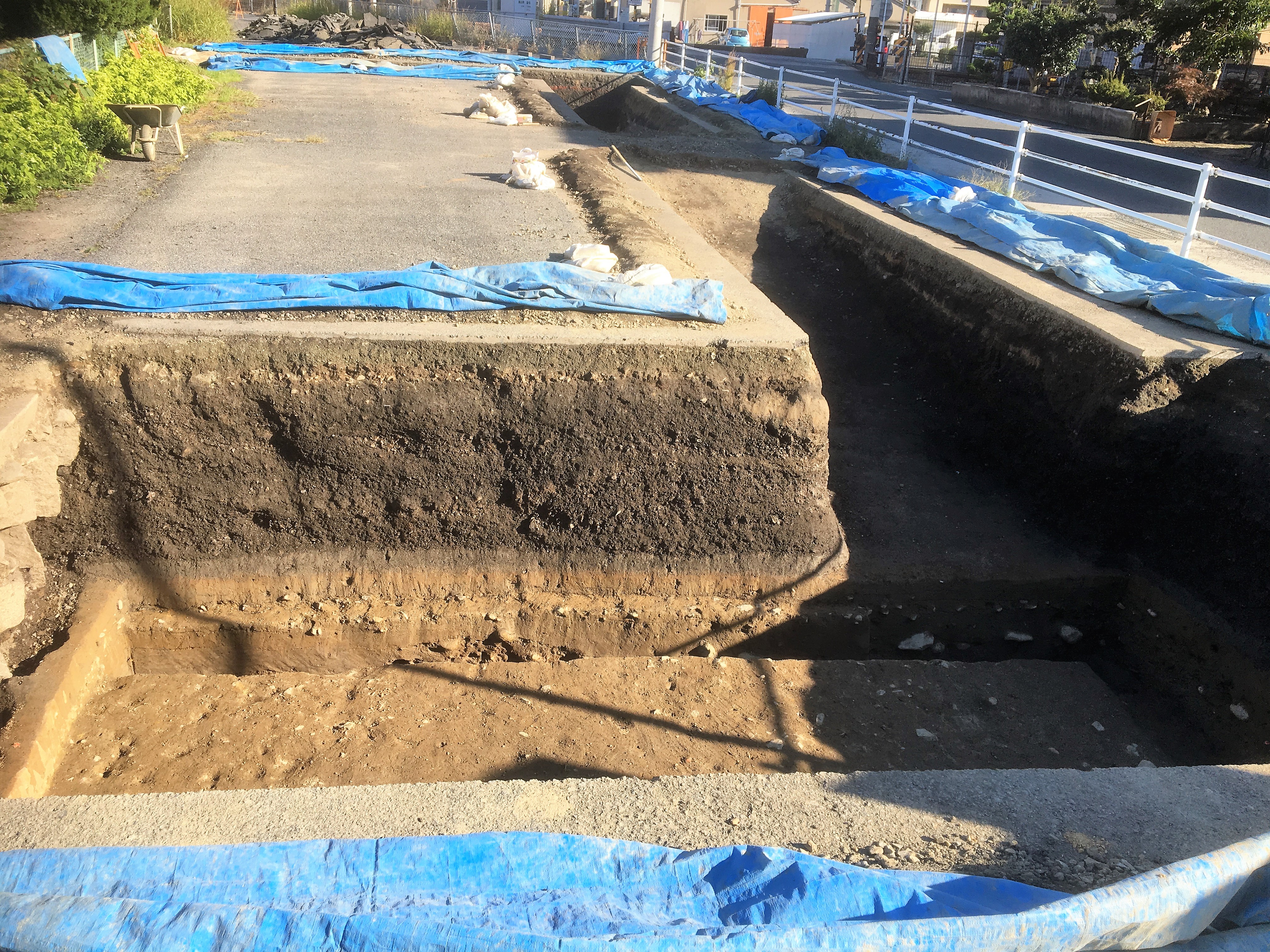
Bingo Provincial Capital
Ruins of ancient provincial capital structures

Komaru Castle
Sengoku period castle with moats and ramparts.
Binmanji Ishibotokedani Necropolis
Medieval Japanese necropolis with 1600 tombs.
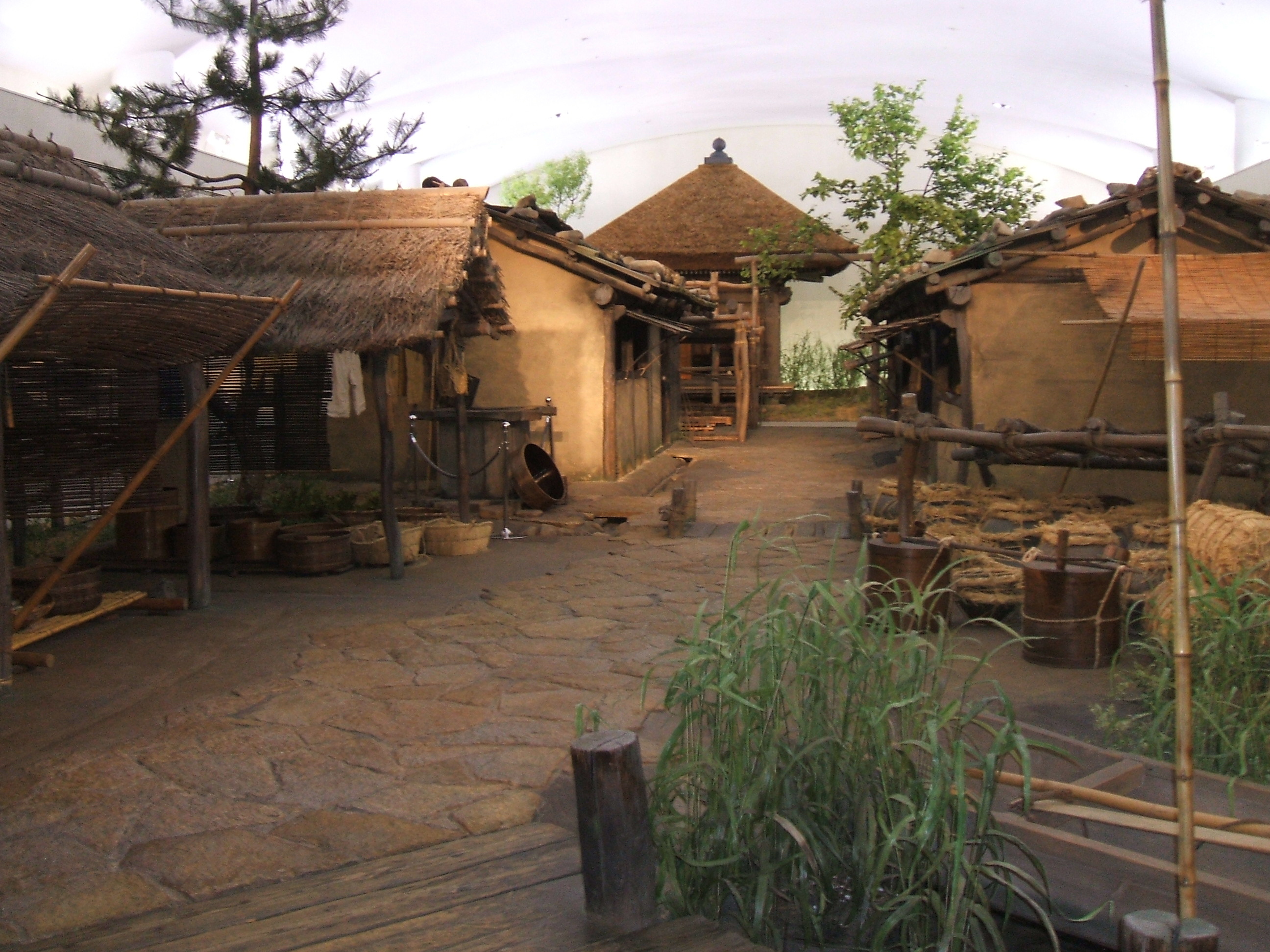
Kusado Sengen
Medieval port town near Ashida River
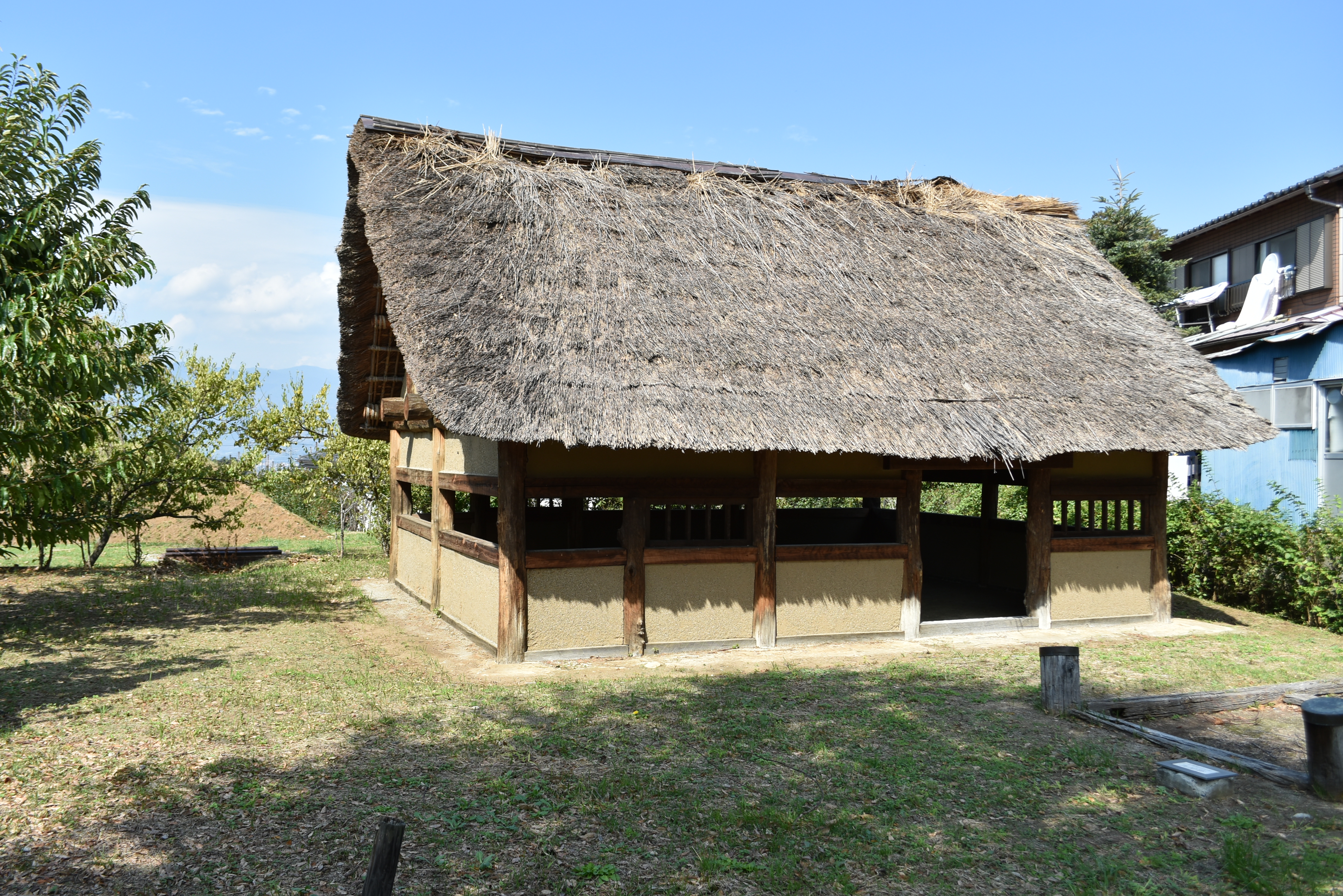
Katsunuma clan residence ruins
Sengoku period fortified residence ruins.