Explore the Map
Motonobaru Site
31.8231° N, 131.2825° E
About
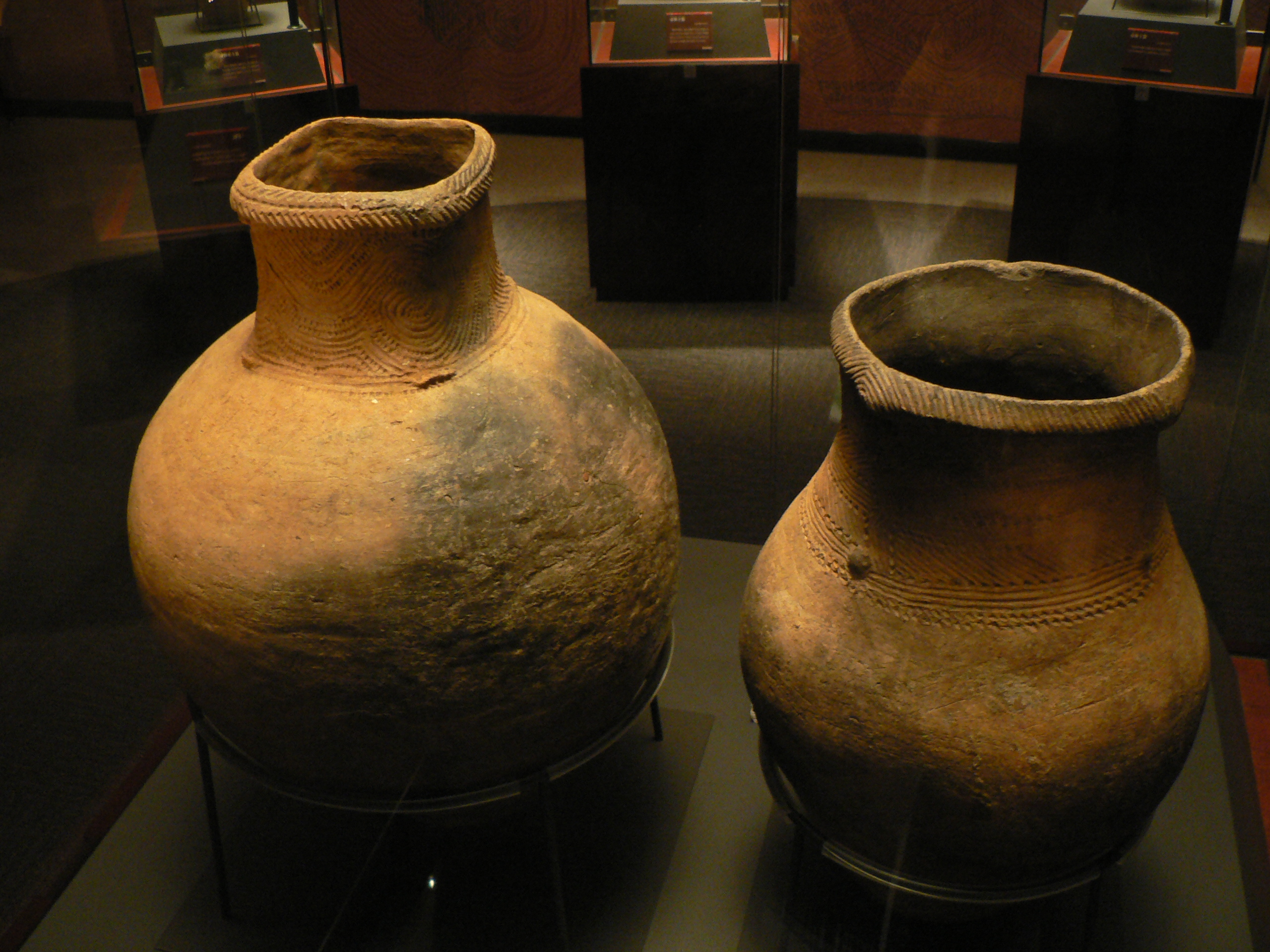
The Motonobaru Site is a significant archaeological site located in Miyazaki Prefecture, Japan, known for its large Jōmon period ring settlement. This site features over 100 pit dwellings and is one of the largest ring settlements found in western Japan. Situated on a plateau at approximately 180 meters elevation, the site dates back to the Japanese Paleolithic period and extended into the Jōmon period. It includes a central plaza, storage pits, and ceremonial platforms, indicating its complex social structure. The discovery of Jōmon pottery, food processing tools, and unique ecofacts such as cockroach egg sacs suggests long-term habitation and trade connections. The site provides significant insights into prehistoric life and cultural interactions in Japan.
Historical Timeline
Journey through time and discover key events in this site's history
Use of pit dwellings
Unknown
Jōmon pottery and artifacts
Unknown
Construction of ring settlement
Unknown
Archaeological Features
Unique architectural and cultural elements found at this historical site
Storage Structures
Burial and Funerary Structures
Religious and Ritual Structures
Domestic and Habitation Structures
Food Production and Processing Features
Transportation and Communication Structures
Frequently Asked Questions
Plan Your Visit
Tours, travel arrangements, and practical information
More Sites in Japan
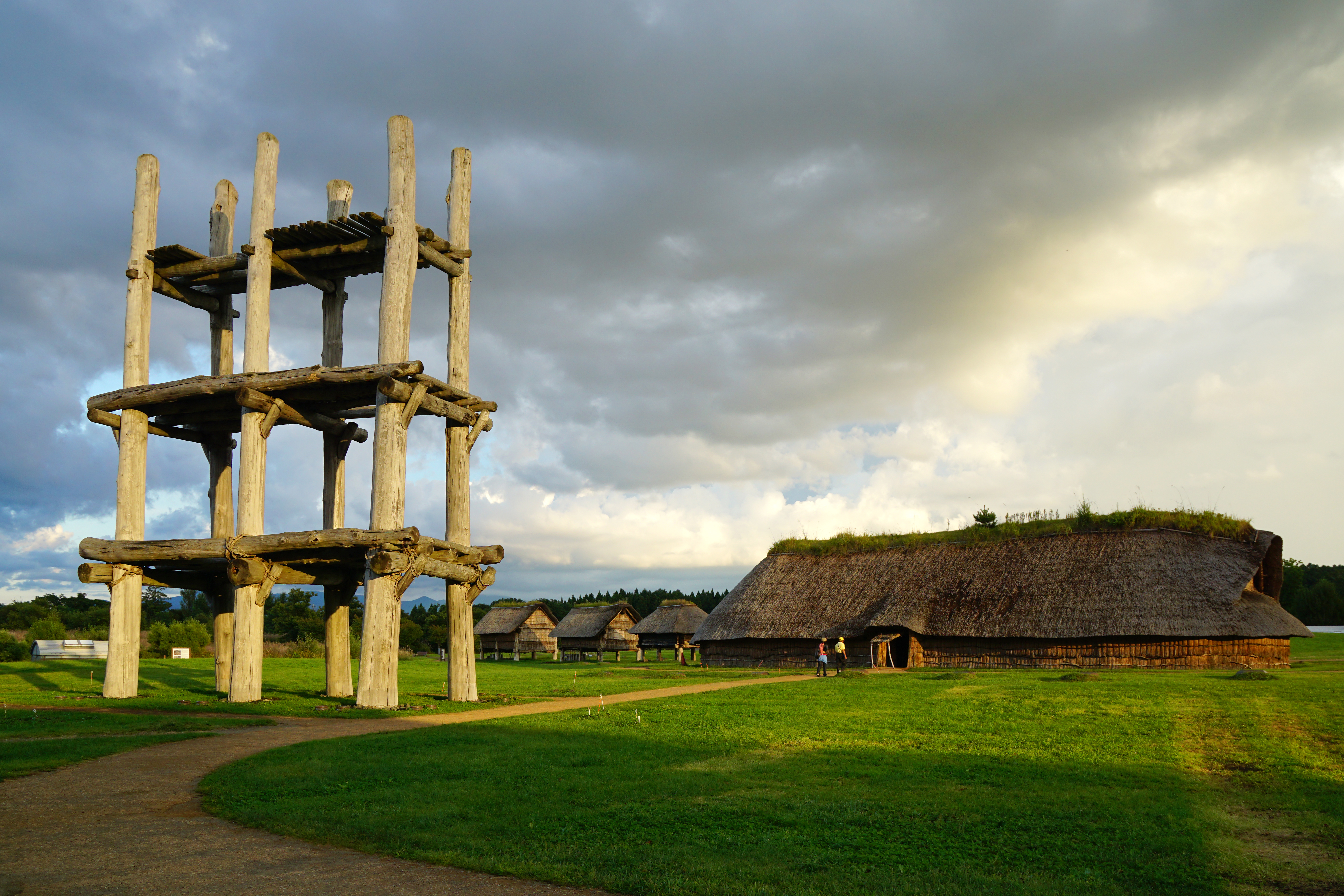
Sannai-Maruyama Site
Large Jōmon period settlement ruins
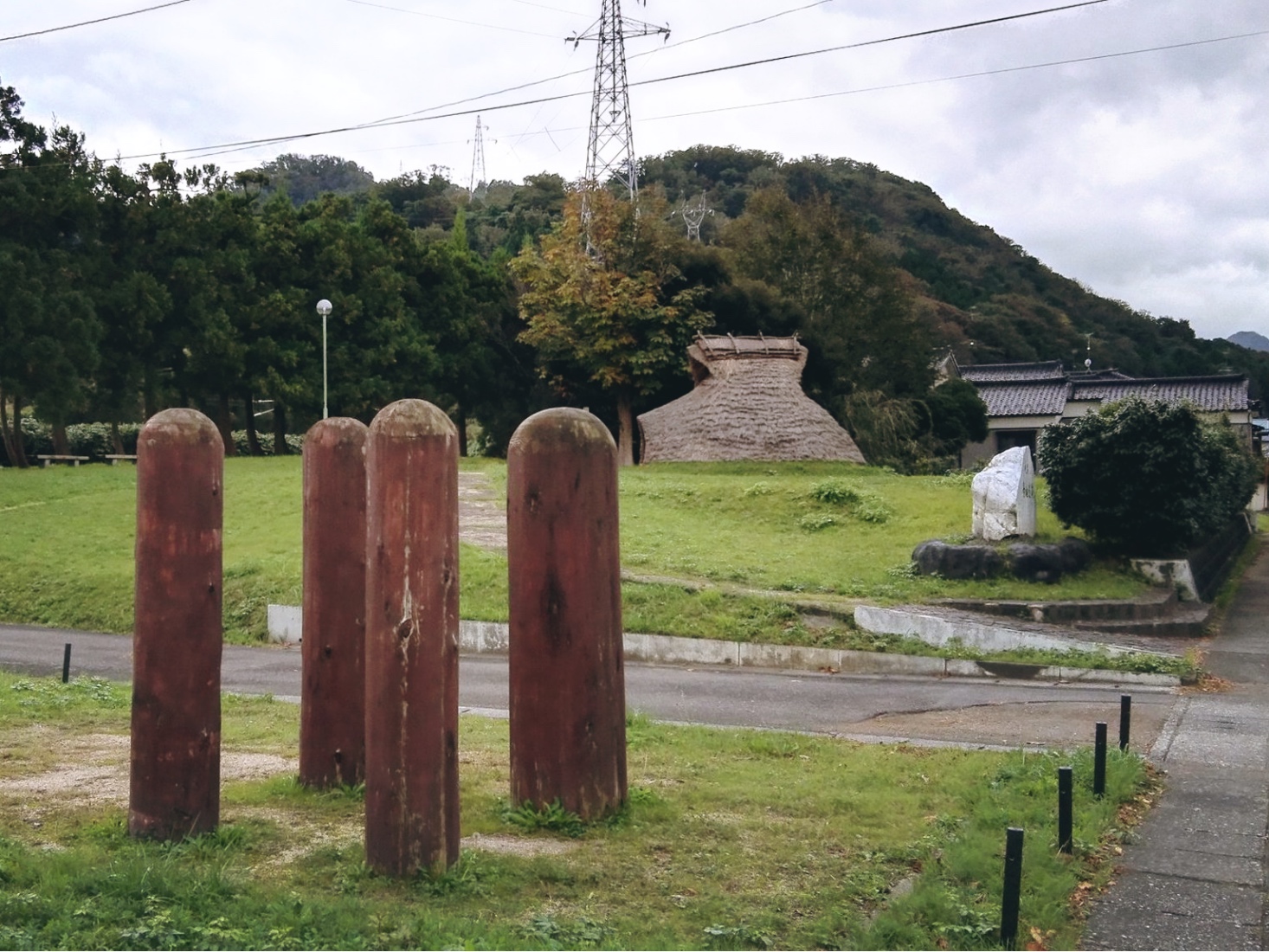
Terachi Site
Middle to late Jōmon period settlement
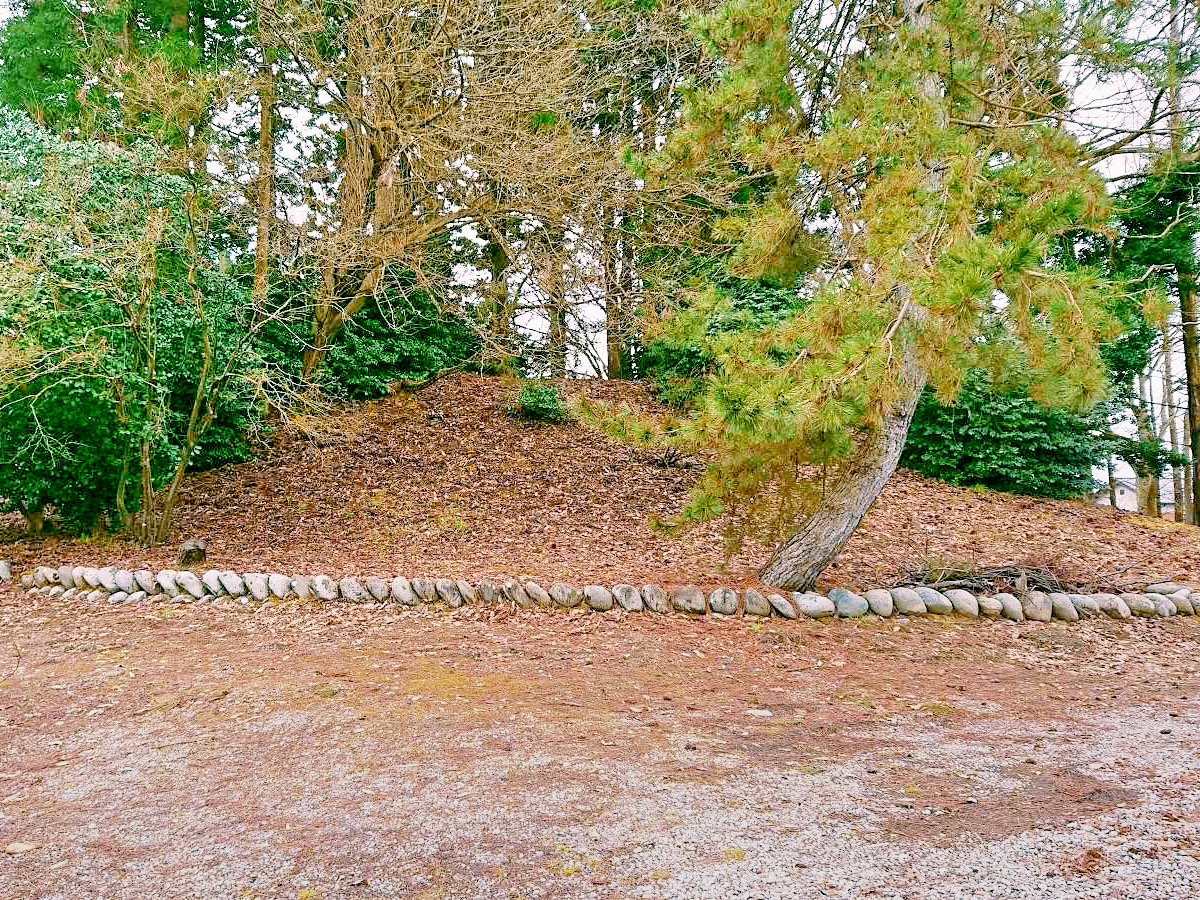
Kushidashin Site
Late Jōmon settlement with Kofun burial mounds.
Tenpaku Site
Jōmon necropolis and ritual site in Japan
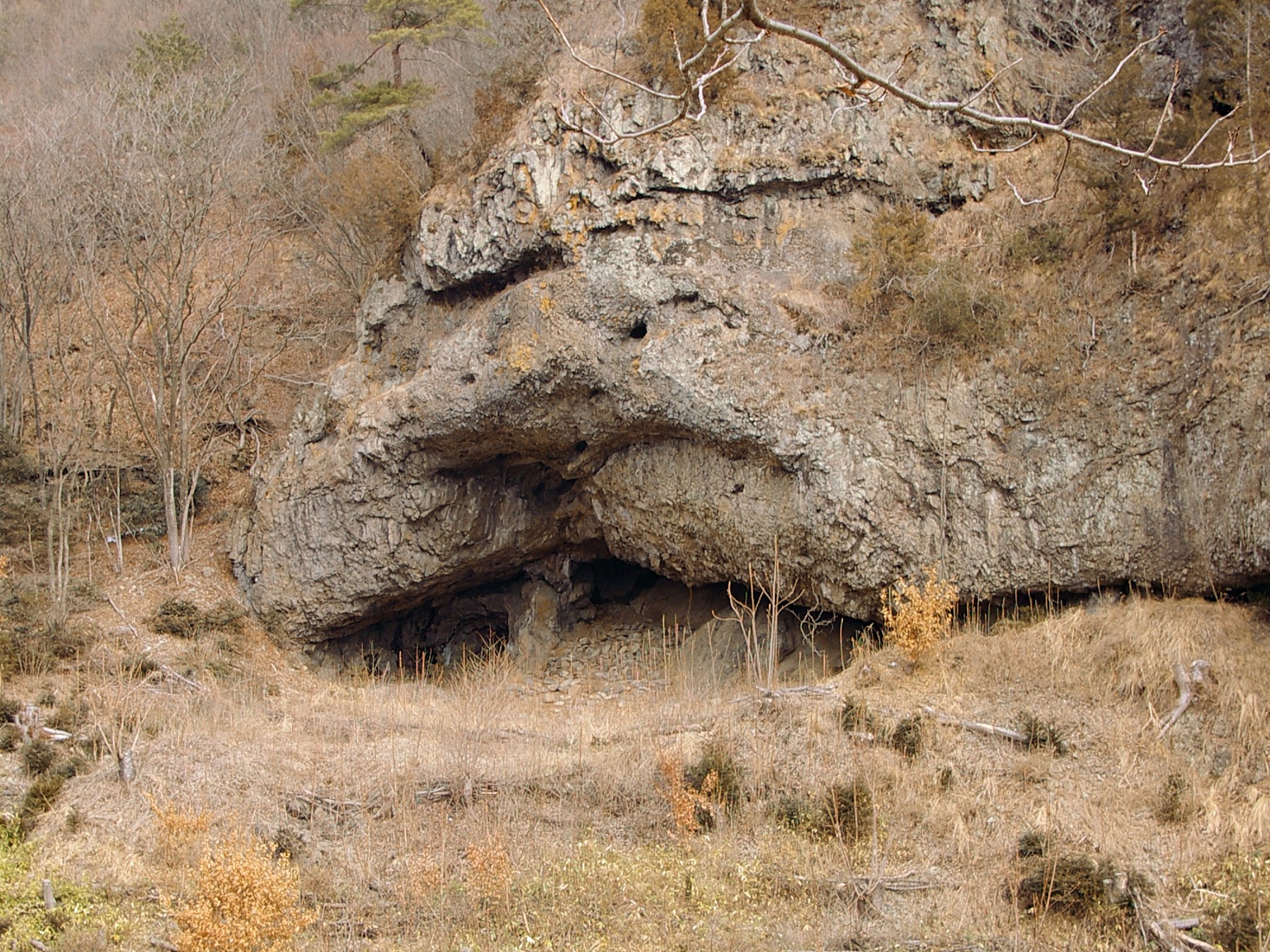
Tobayama Cave
Cave dwelling and tomb with grave goods
Uenohara site
Early Jōmon period settlement in Japan.