Explore the Map
Nishinumata ruins
38.3599° N, 140.3423° E
About
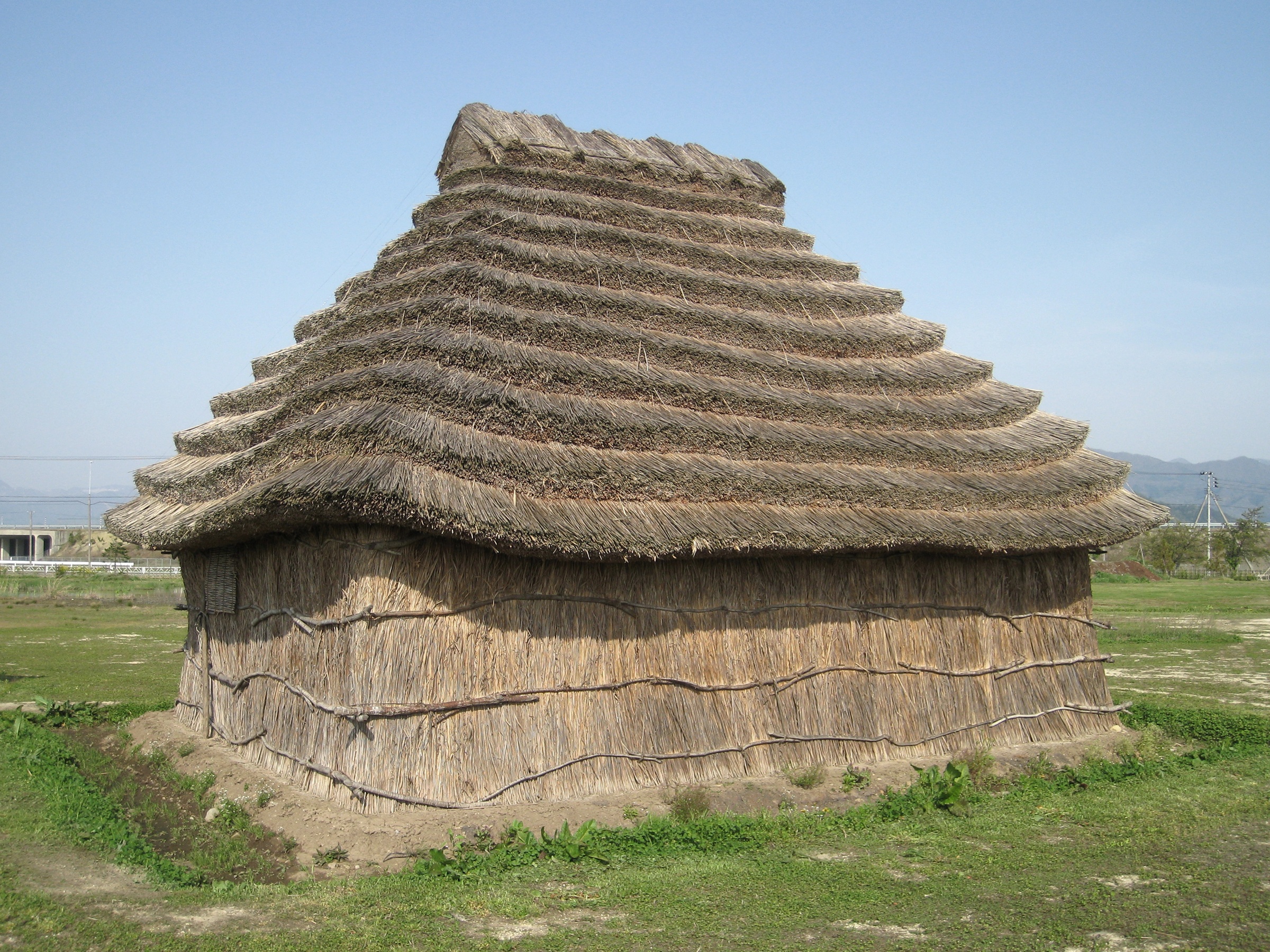
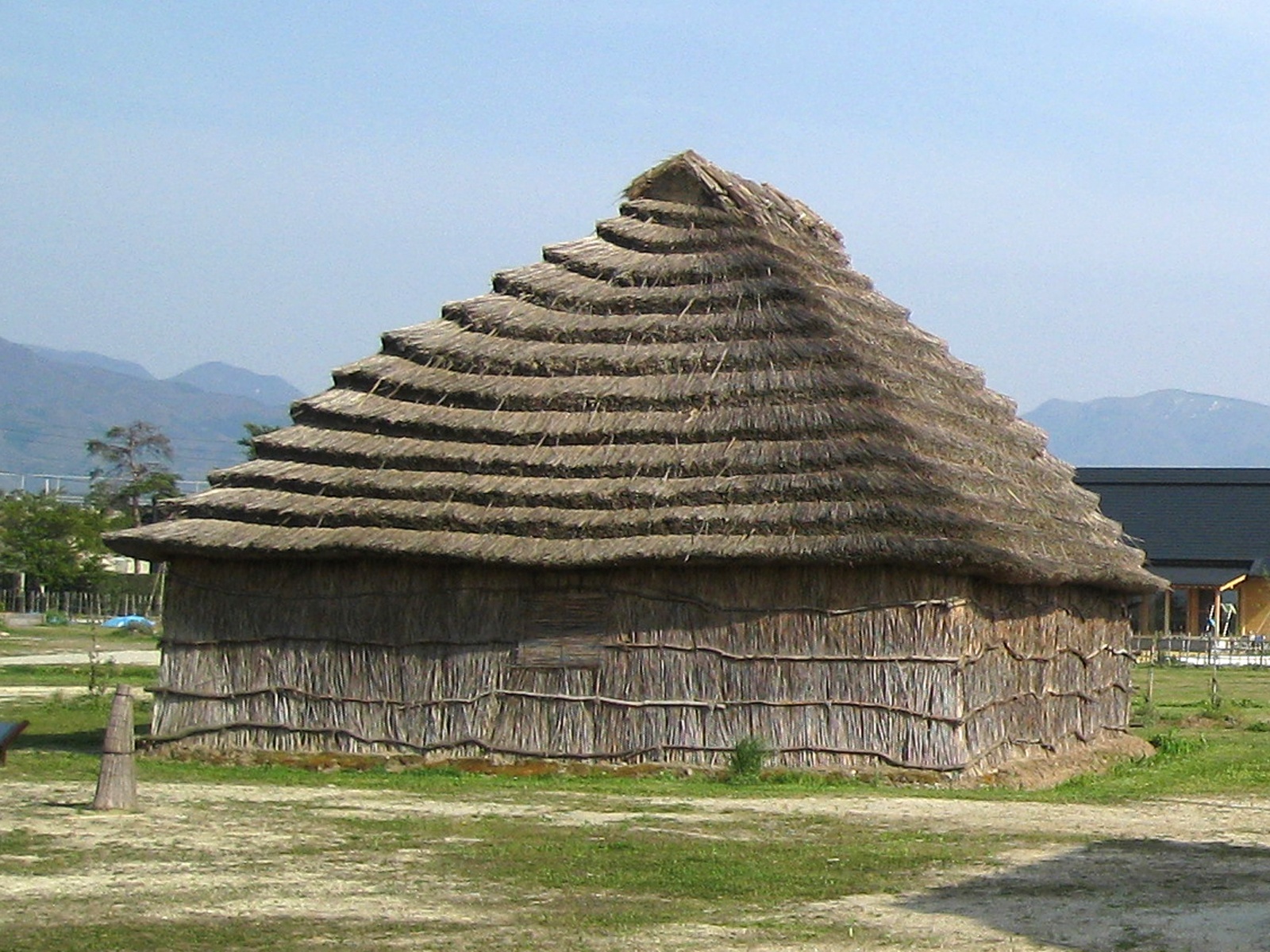
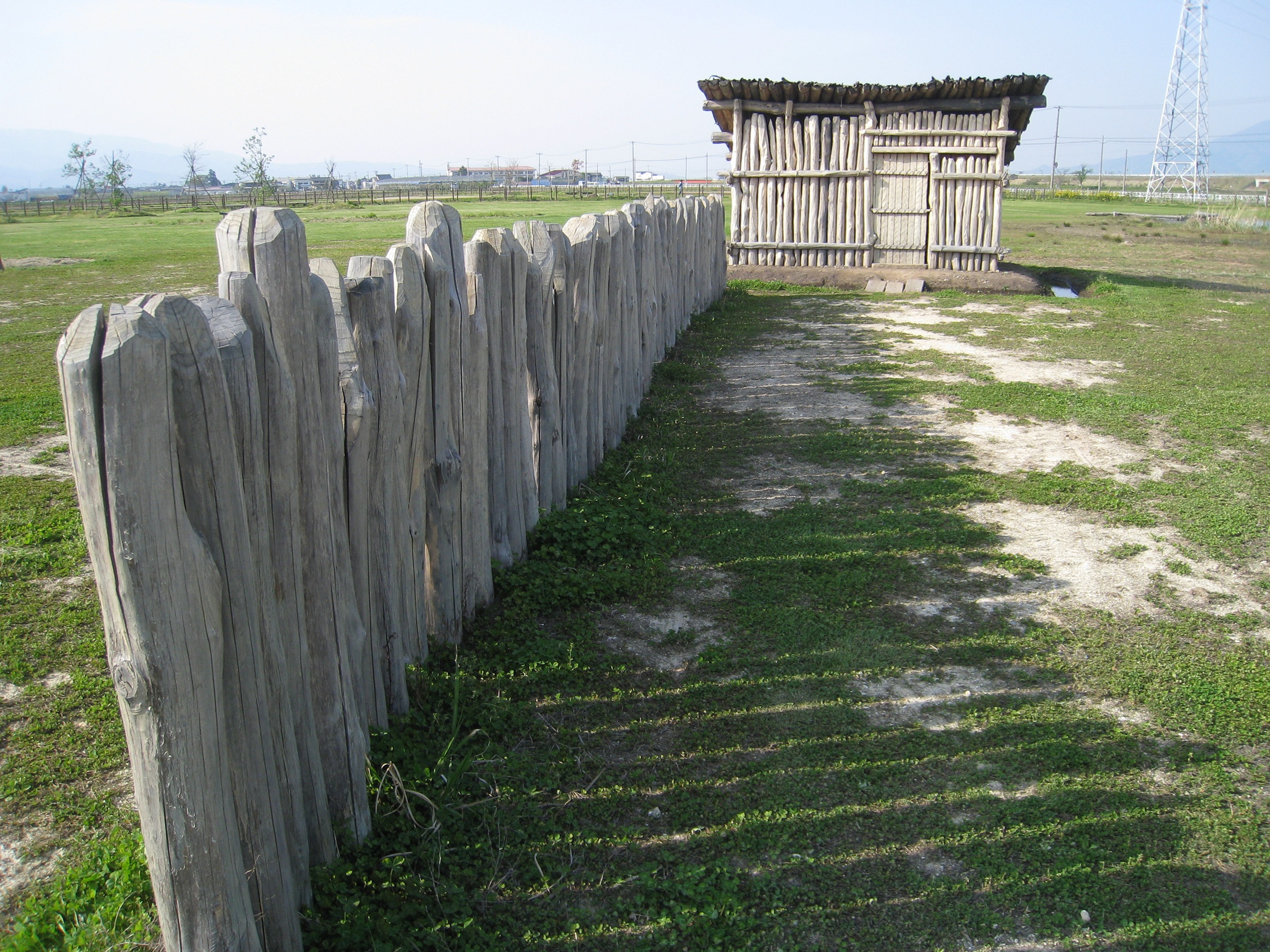
The Nishinumata ruins, located in Tendō, Yamagata, Japan, are an archaeological site of a late Kofun period settlement from the 6th century CE. This rural settlement spans 45,000 square meters and provides insight into pre-Mutsu Province habitation. Archaeological excavations uncovered 16 pillared buildings, including 14 residences and 2 granaries, alongside wells, rice paddies, and a dammed pond, all enclosed by a wooden palisade for protection. The site's significance lies in its depiction of rural life during the late Kofun period, emphasizing agricultural and domestic practices. Since its discovery in 1985, the site has been preserved and opened to the public in 2008 as the Tendō Nishinumata Archaeological Park, featuring reconstructed buildings and a museum.
Gallery
Explore photographs of ancient structures, artifacts, and archaeological excavations
Historical Timeline
Journey through time and discover key events in this site's history
Late Kofun period settlement
6th century CE
Archaeological Features
Unique architectural and cultural elements found at this historical site
Storage Structures
Defensive Structures
Water Management Features
Agricultural and Land Use Features
Domestic and Habitation Structures
Frequently Asked Questions
Plan Your Visit
Tours, travel arrangements, and practical information
More Sites in Japan
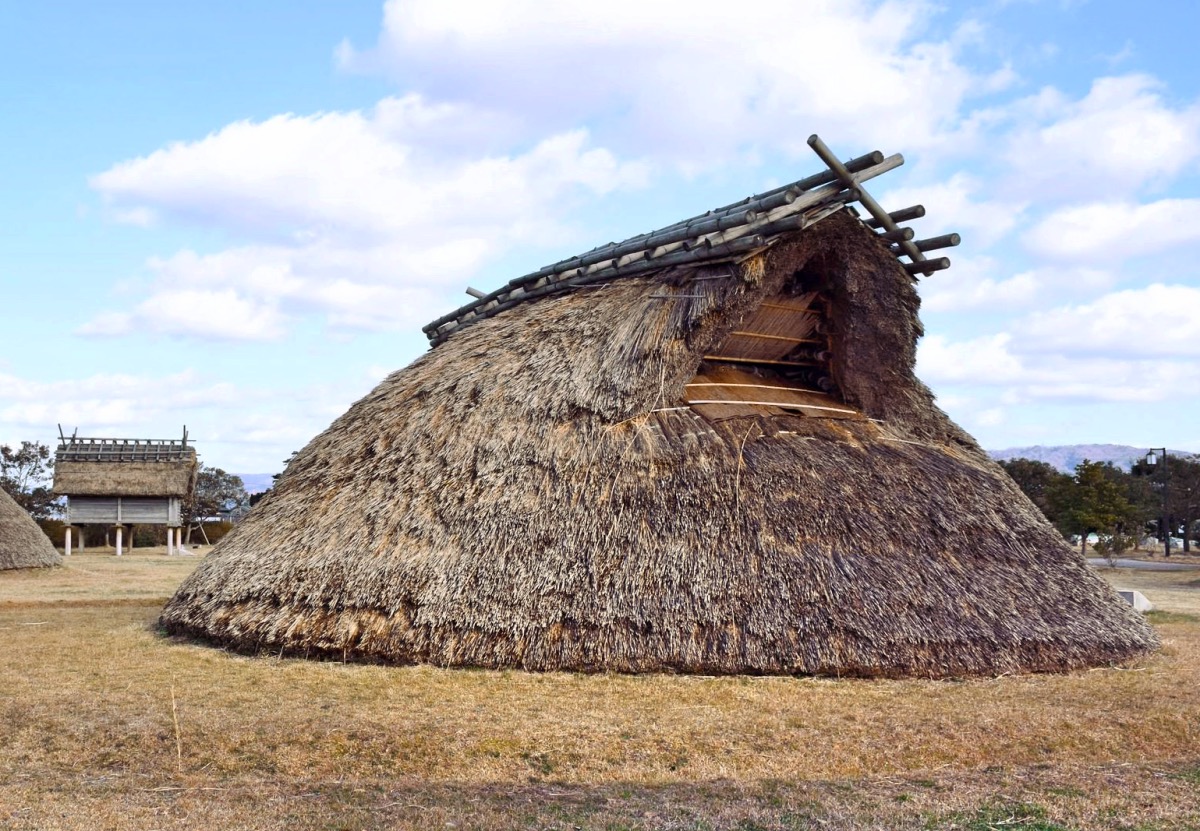
Yoshizaki-Suba Site
Yayoi period settlement remains, Ishikawa, Japan.
Binmanji Ishibotokedani Necropolis
Medieval Japanese necropolis with 1600 tombs.
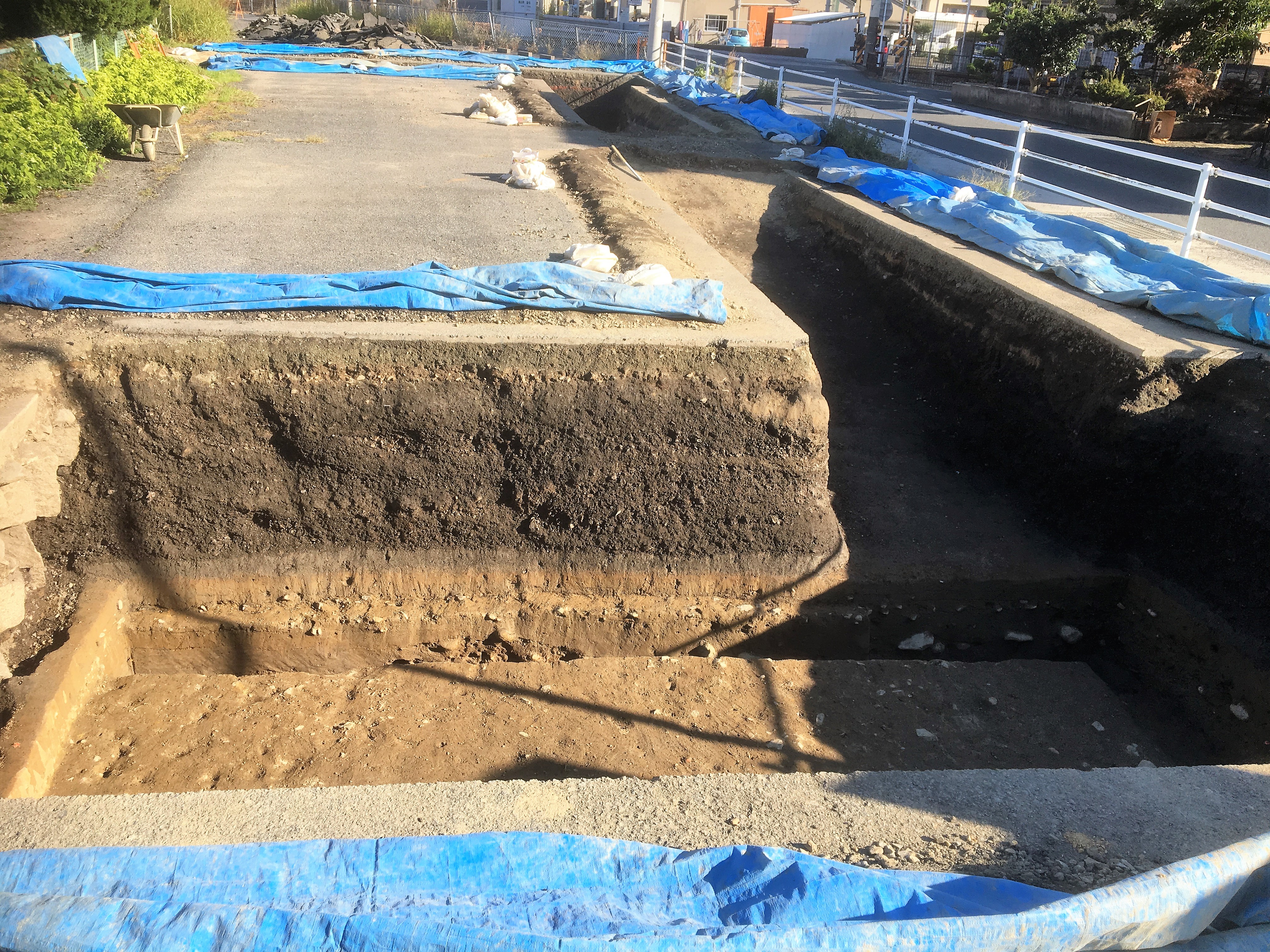
Bingo Provincial Capital
Ruins of ancient provincial capital structures
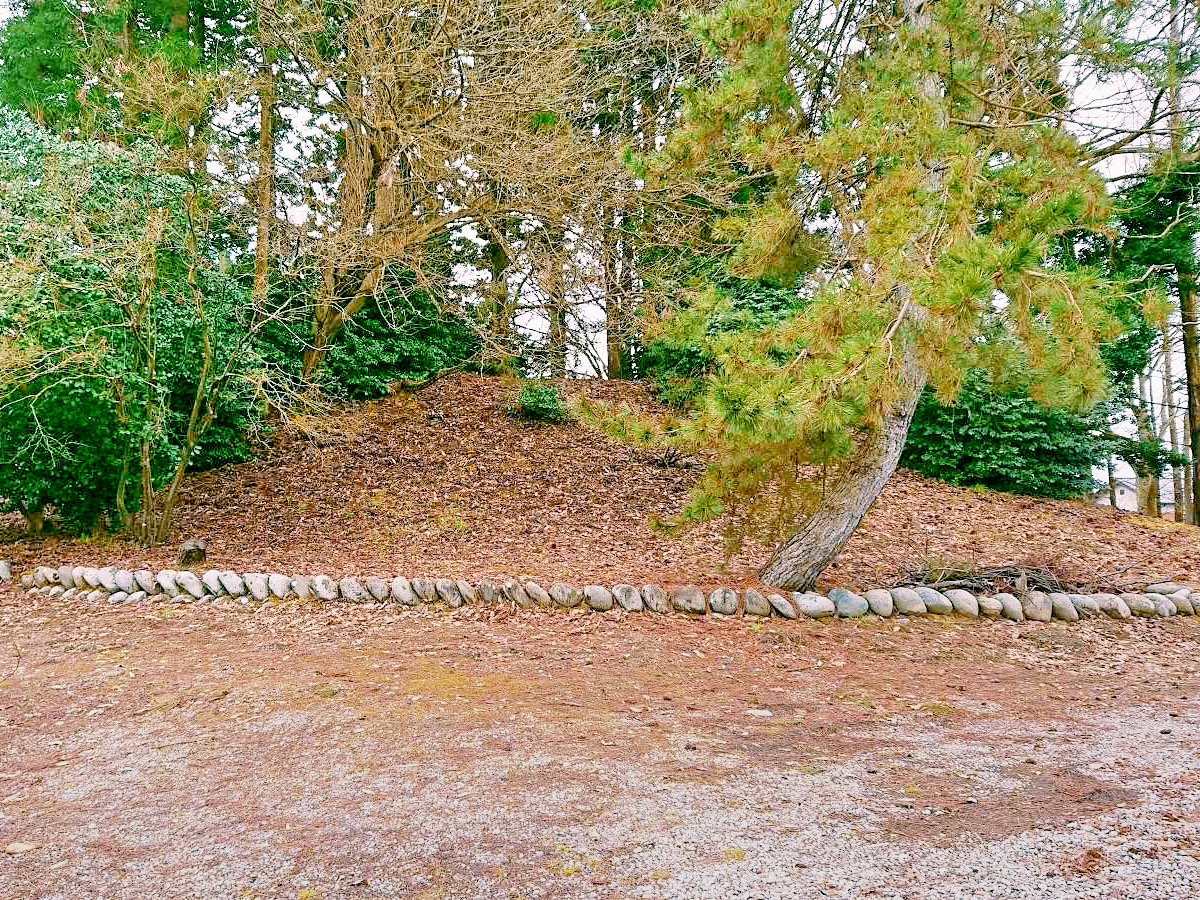
Kushidashin Site
Late Jōmon settlement with Kofun burial mounds.

Komaru Castle
Sengoku period castle with moats and ramparts.
Furushida-Higashi ruins
Heian period fortified residence with moat.