Explore the Map
Ōmiyama ruins
35.9775° N, 138.5656° E
About
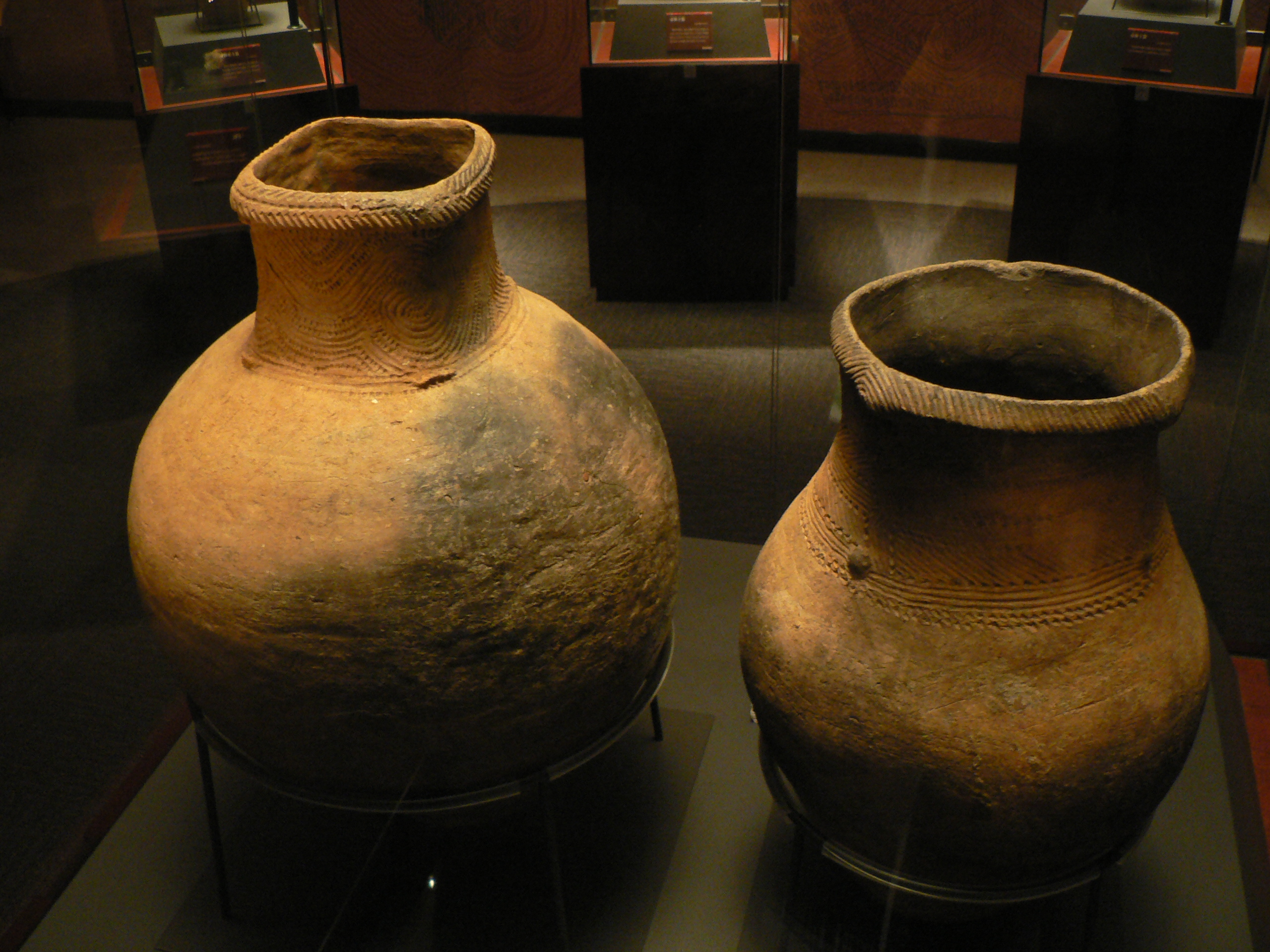
The Ōmiyama ruins (大深山遺跡, Ōmiyama iseki) is an archaeological site containing the ruins of a mid-Jōmon period (2500–1500 BCE) settlement located in the Ōmiyama neighborhood of the village of Kawakami, Nagano in the Chūbu region of Japan. The site was designated a National Historic Site of Japan in 1966.
Historical Timeline
Journey through time and discover key events in this site's history
Excavations begin
1953
National Historic Site designation
1966
Mid-Jōmon occupation
2500–1500 BCE
Archaeological Features
Unique architectural and cultural elements found at this historical site
Storage Structures
Industrial and Craft Structures
Domestic and Habitation Structures
Frequently Asked Questions
Plan Your Visit
Tours, travel arrangements, and practical information

More Sites in Japan
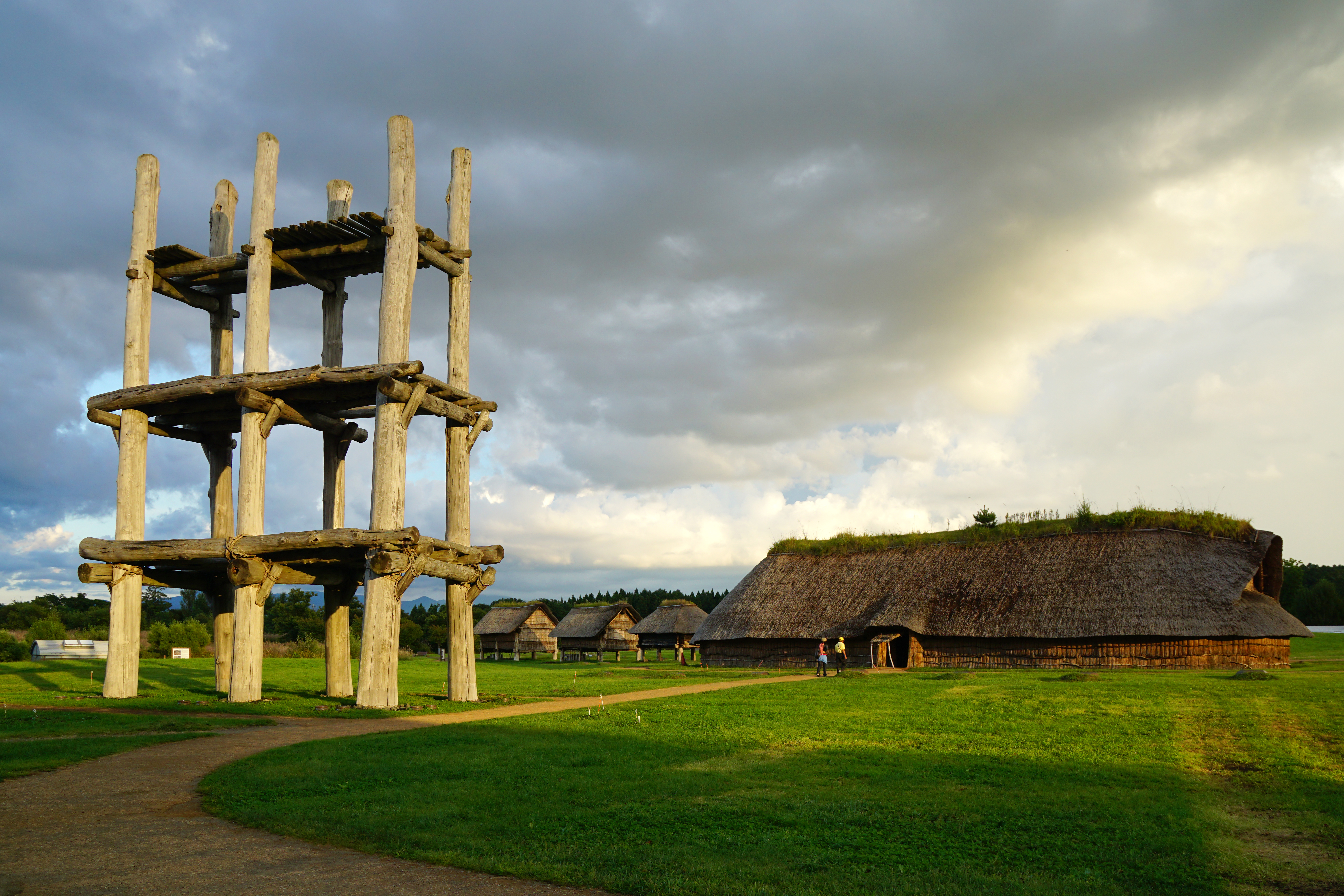
Sannai-Maruyama Site
Large Jōmon period settlement ruins
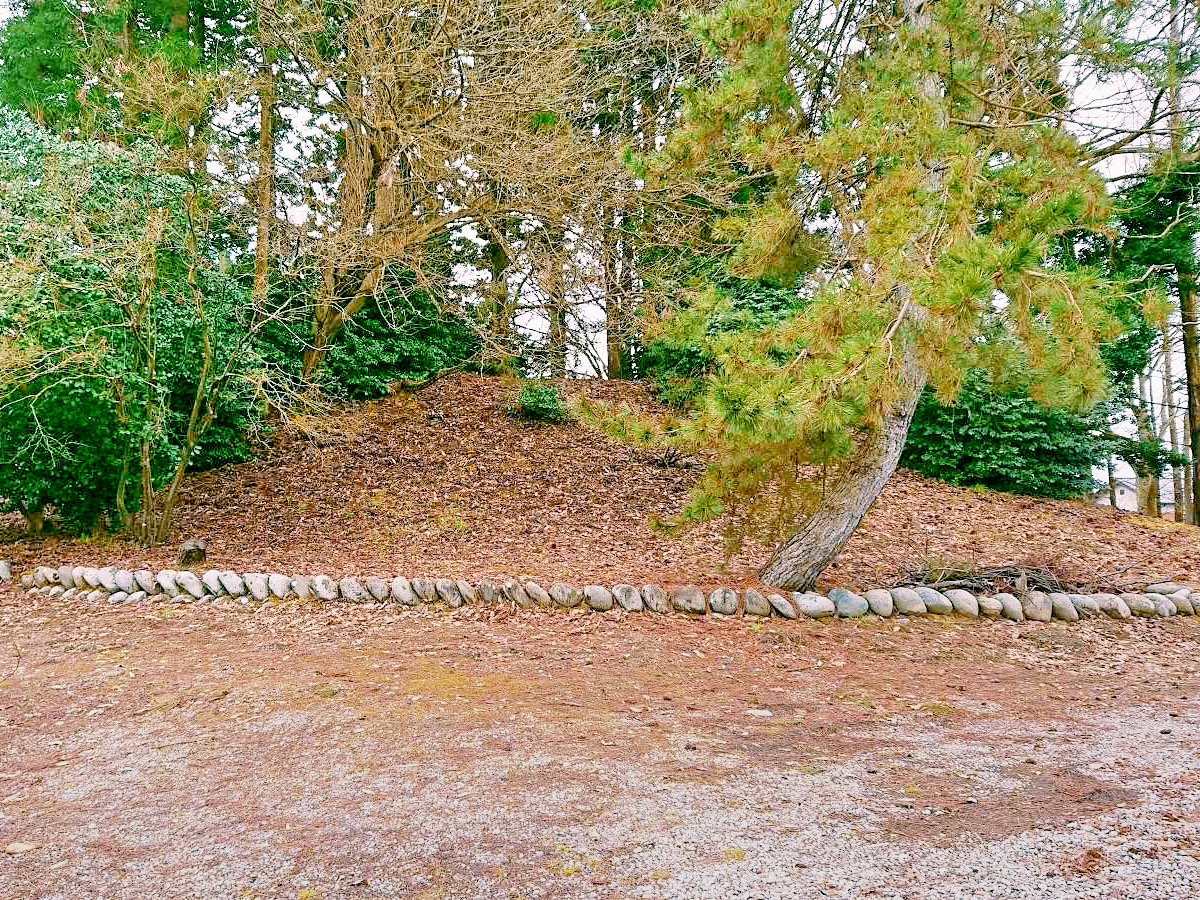
Kushidashin Site
Late Jōmon settlement with Kofun burial mounds.
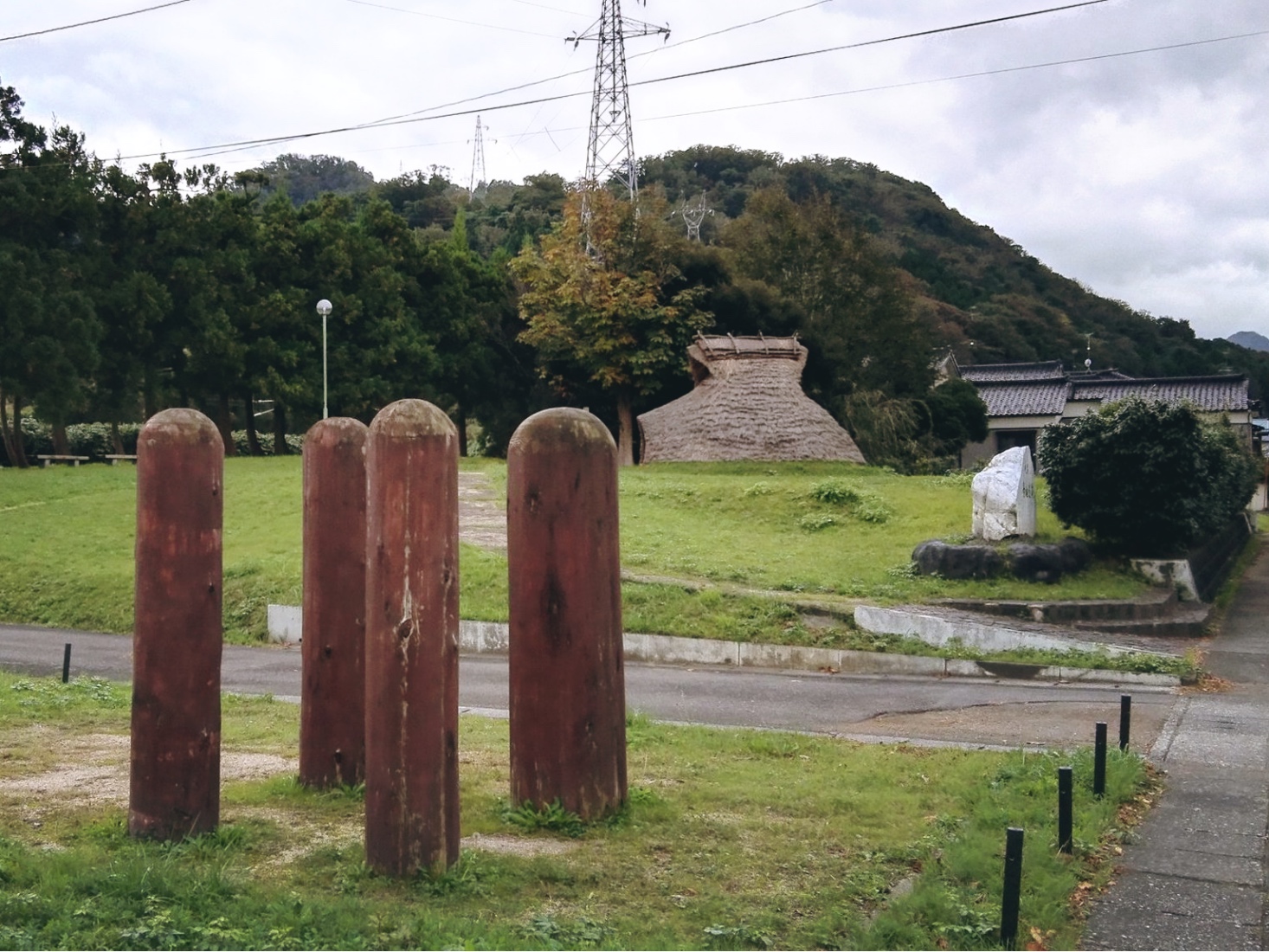
Terachi Site
Middle to late Jōmon period settlement
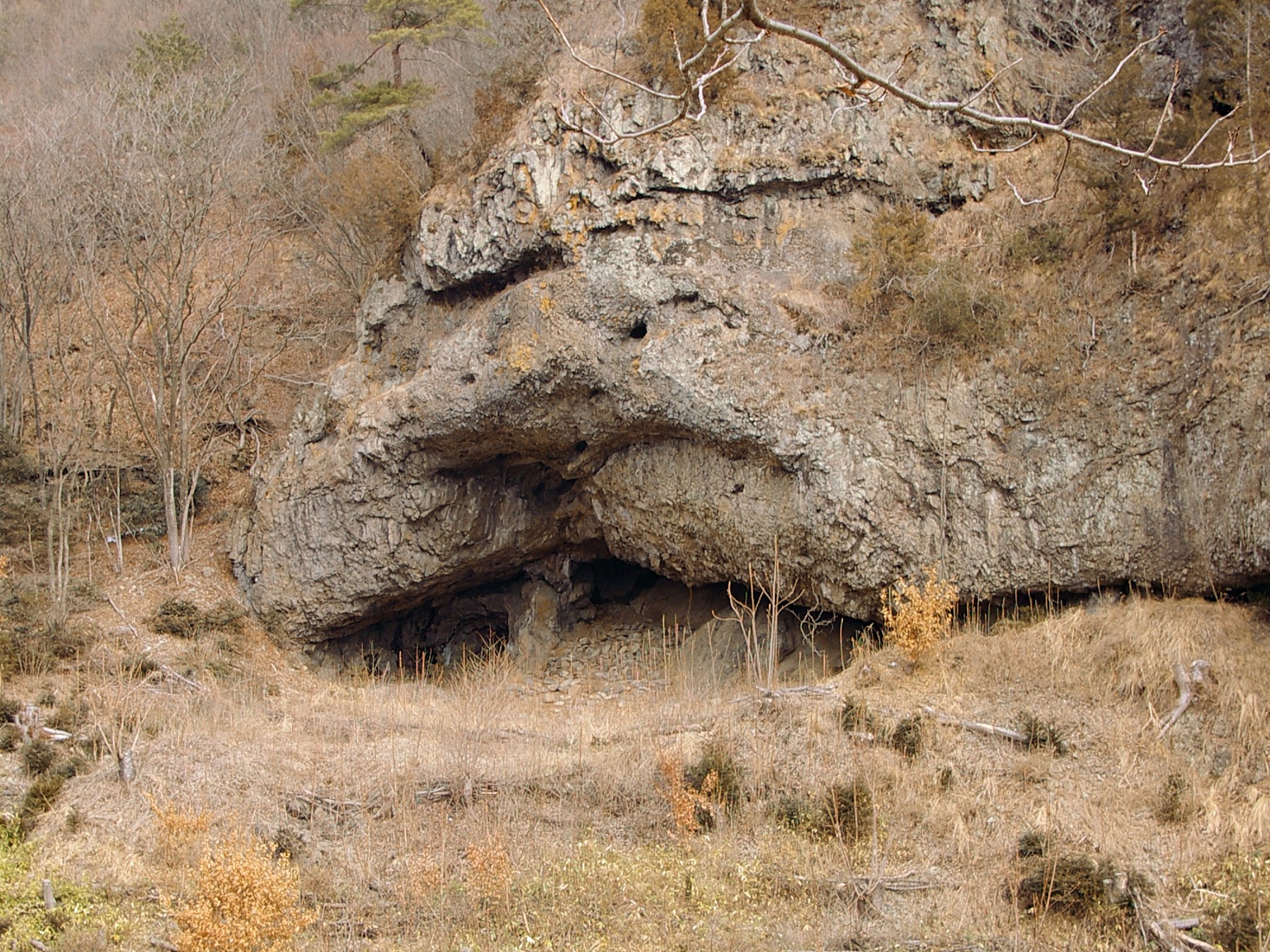
Tobayama Cave
Cave dwelling and tomb with grave goods
Uenohara site
Early Jōmon period settlement in Japan.
Tenpaku Site
Jōmon necropolis and ritual site in Japan