Explore the Map
Ōmori Katsuyama Site
40.6989° N, 140.3583° E
About
The Ōmori Katsuyama Site (大森勝山遺跡, Ōmori Katsuyama iseki) is an archaeological site in the city of Hirosaki, Aomori Prefecture, in the Tōhoku region of northern Japan that contains the ruins of a late Jōmon period settlement dating to approximately 2,000–1,500 BC. The remains were designated a National Historic Site in 2012 by the Japanese government.
Historical Timeline
Journey through time and discover key events in this site's history
Stone circle construction
c. 1000 BC
Discovery during construction
1959
Government acquisition for preservation
1961
Settlement occupation
c. 2000–1500 BC
Proper excavation
2006
National Historic Site designation
2012
Archaeological Features
Unique architectural and cultural elements found at this historical site
Religious and Ritual Structures
Artistic and Decorative Features
Domestic and Habitation Structures
Environmental and Natural Features
Astronomical and Timekeeping Structures
Food Production and Processing Features
Frequently Asked Questions
Plan Your Visit
Tours, travel arrangements, and practical information


More Sites in Japan
Binmanji Ishibotokedani Necropolis
Medieval Japanese necropolis with 1600 tombs.
Bingo Provincial Capital
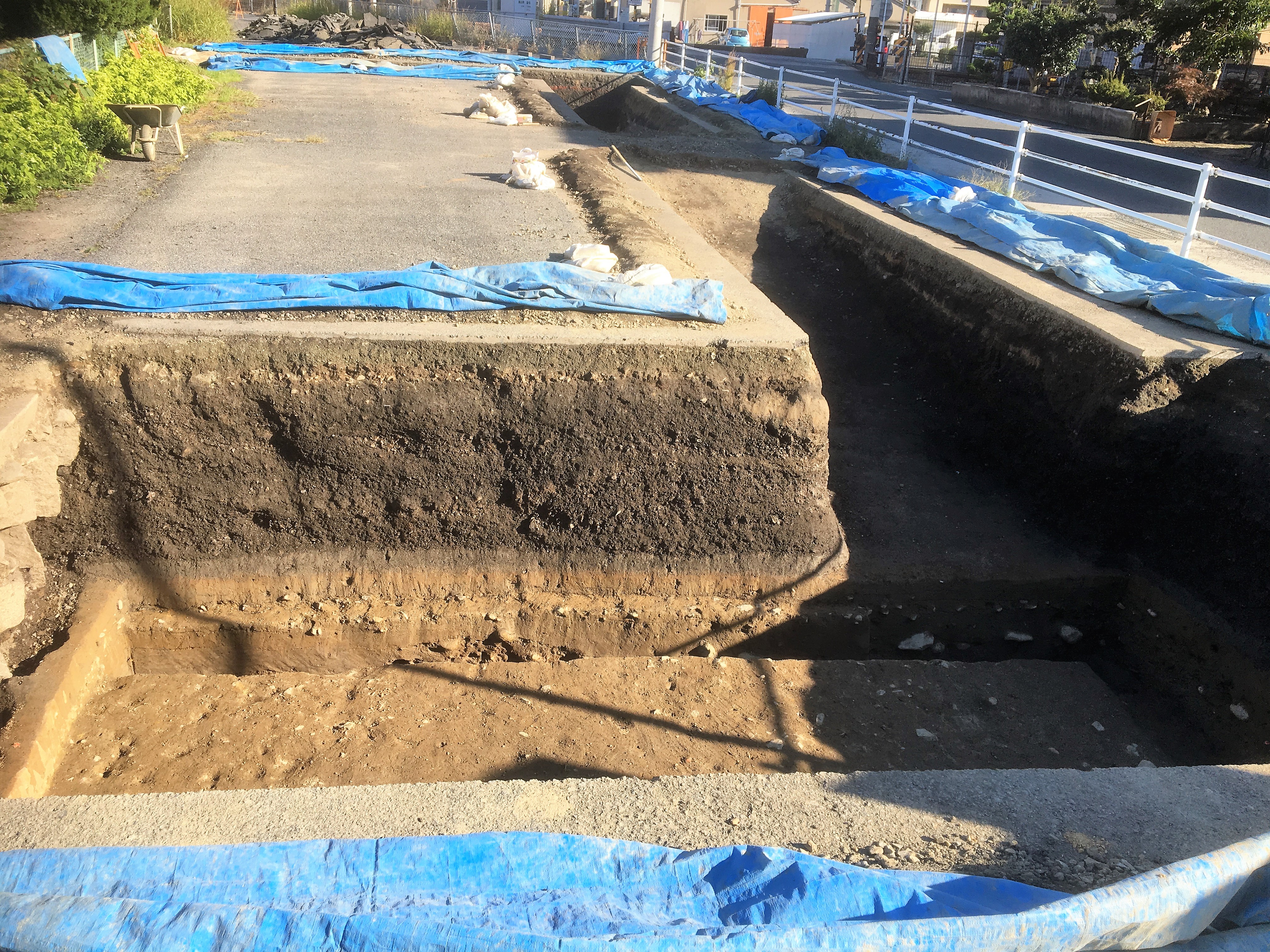
Ruins of ancient provincial capital structures

Komaru Castle
Sengoku period castle with moats and ramparts.
Furushida-Higashi ruins
Heian period fortified residence with moat.
Katsunuma clan residence ruins
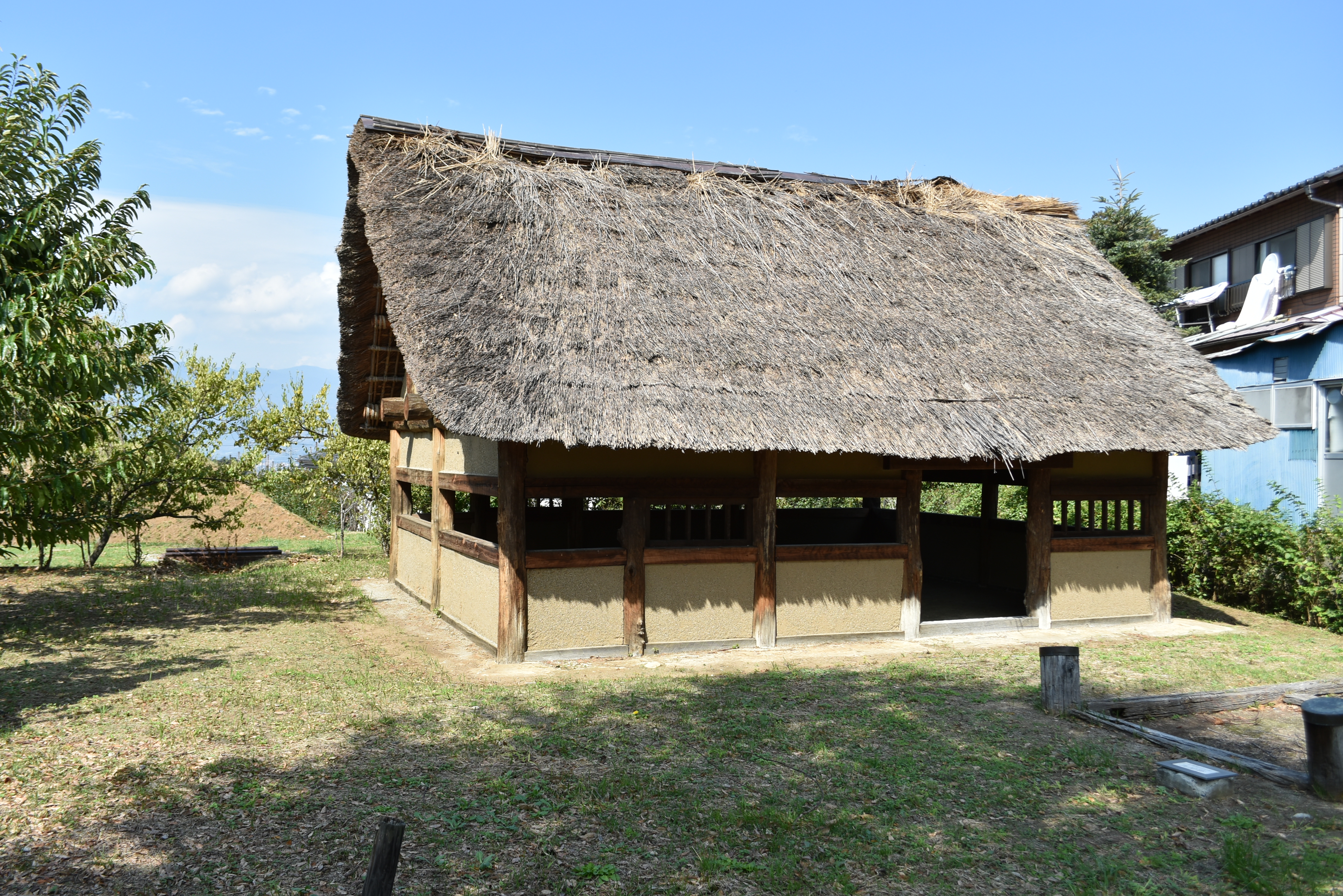
Sengoku period fortified residence ruins.
Kusado Sengen
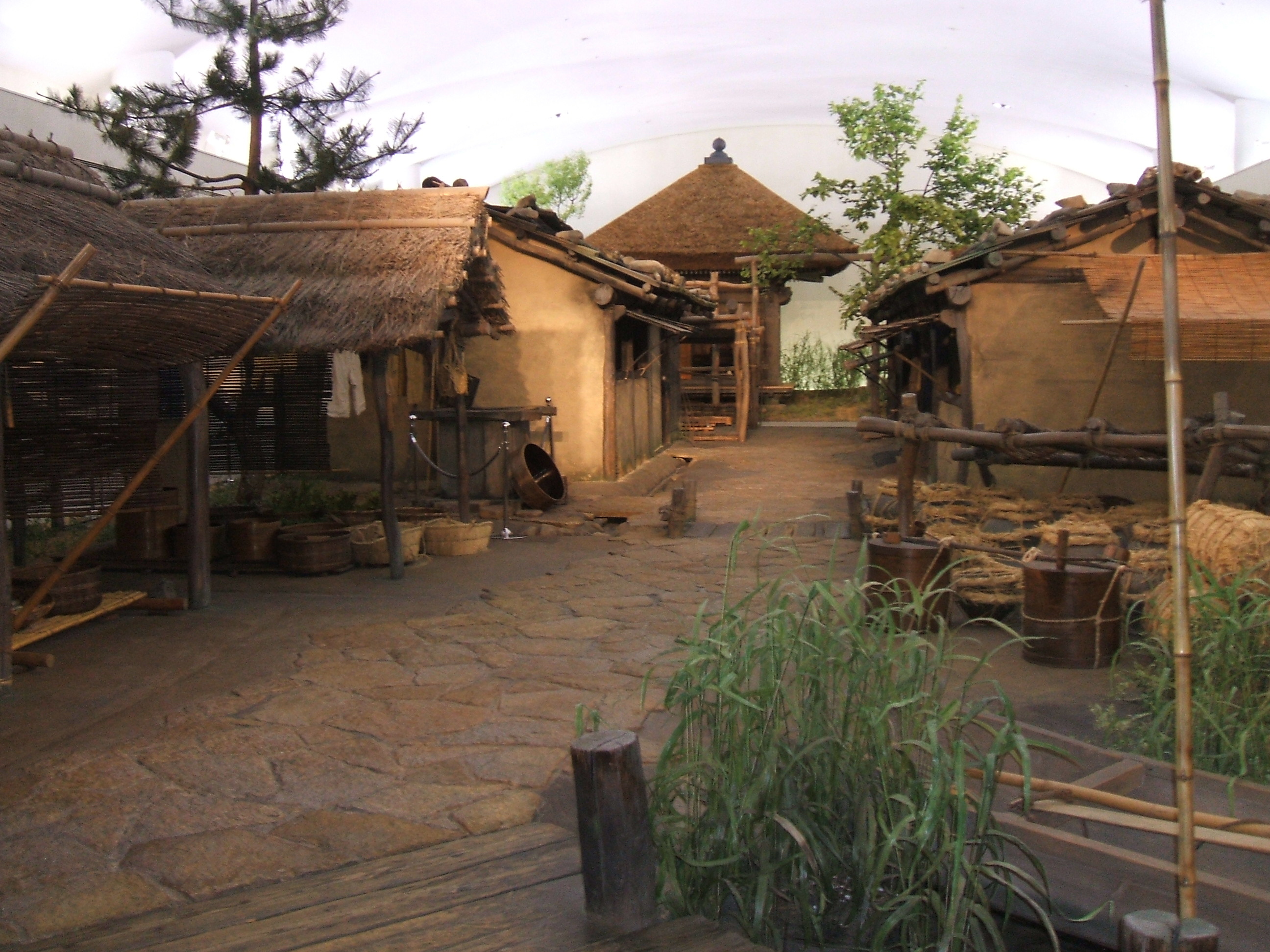
Medieval port town near Ashida River