Explore the Map
Suzuka Barrier
34.8575° N, 136.3817° E
About
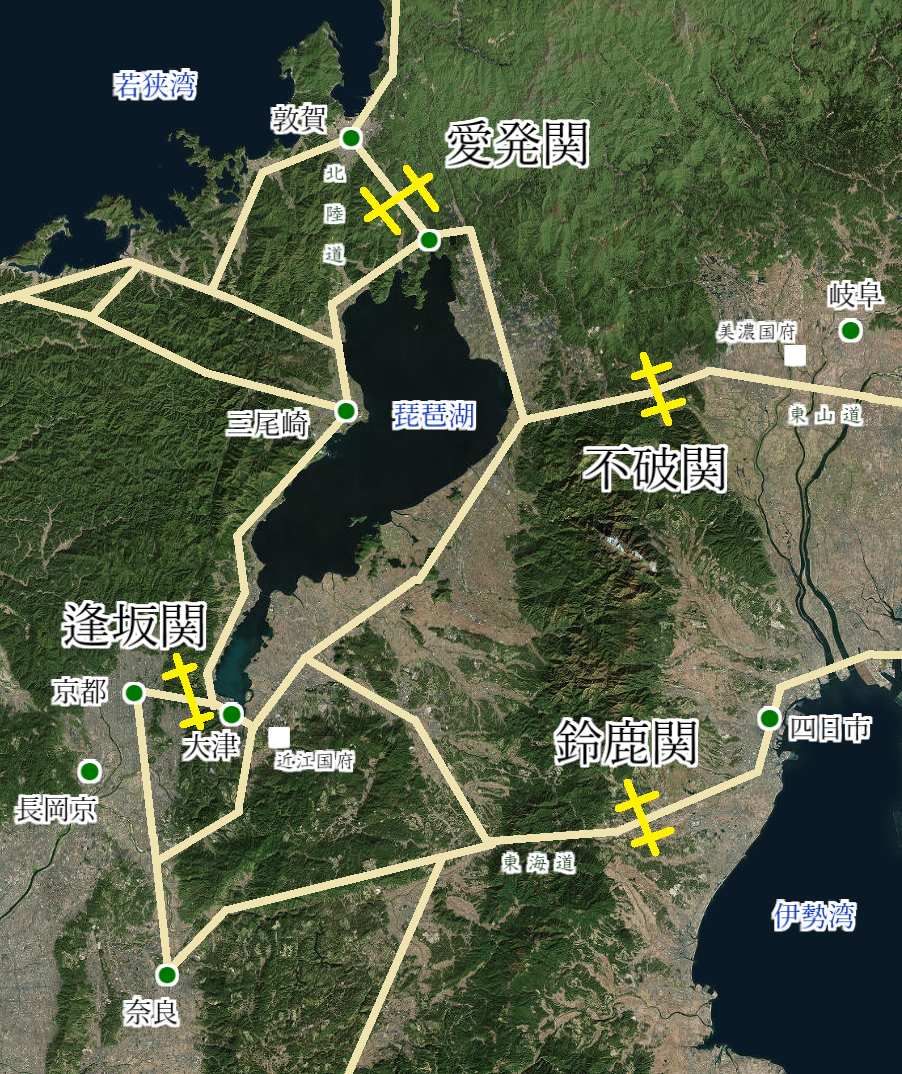
The Suzuka Barrier was a crucial defensive and transportation site established during Japan's Nara period. Positioned along the Tōkaidō highway, it was one of three barriers designed to control access to the Kinai region. Established by Emperor Tenmu in the late 7th century CE, the site consisted of a moated enclosure with earthen ramparts and served both military and police functions. Its strategic importance was evident during political unrest, such as the Jinshin War and periods following the death of Empress Genmei. Though officially abolished by Emperor Kanmu in 789 CE, its presence continued to influence the region. Archaeological efforts have uncovered significant structural elements, including a wall extending 650 meters. The Suzuka Barrier remains a testament to early Japanese statecraft and regional control.
Gallery
Explore photographs of ancient structures, artifacts, and archaeological excavations
Historical Timeline
Journey through time and discover key events in this site's history
Establishment of Suzuka Barrier
late 7th century CE
Closure after Empress Genmei's death
722 CE
Abolition of barriers
789 CE
Completion of new road
886 CE
Archaeological Features
Unique architectural and cultural elements found at this historical site
Defensive Structures
Military Installations
Transportation and Communication Structures
Frequently Asked Questions
Plan Your Visit
Tours, travel arrangements, and practical information
More Sites in Japan
Furushida-Higashi ruins
Heian period fortified residence with moat.

Komaru Castle
Sengoku period castle with moats and ramparts.
Yoshizaki-Suba Site
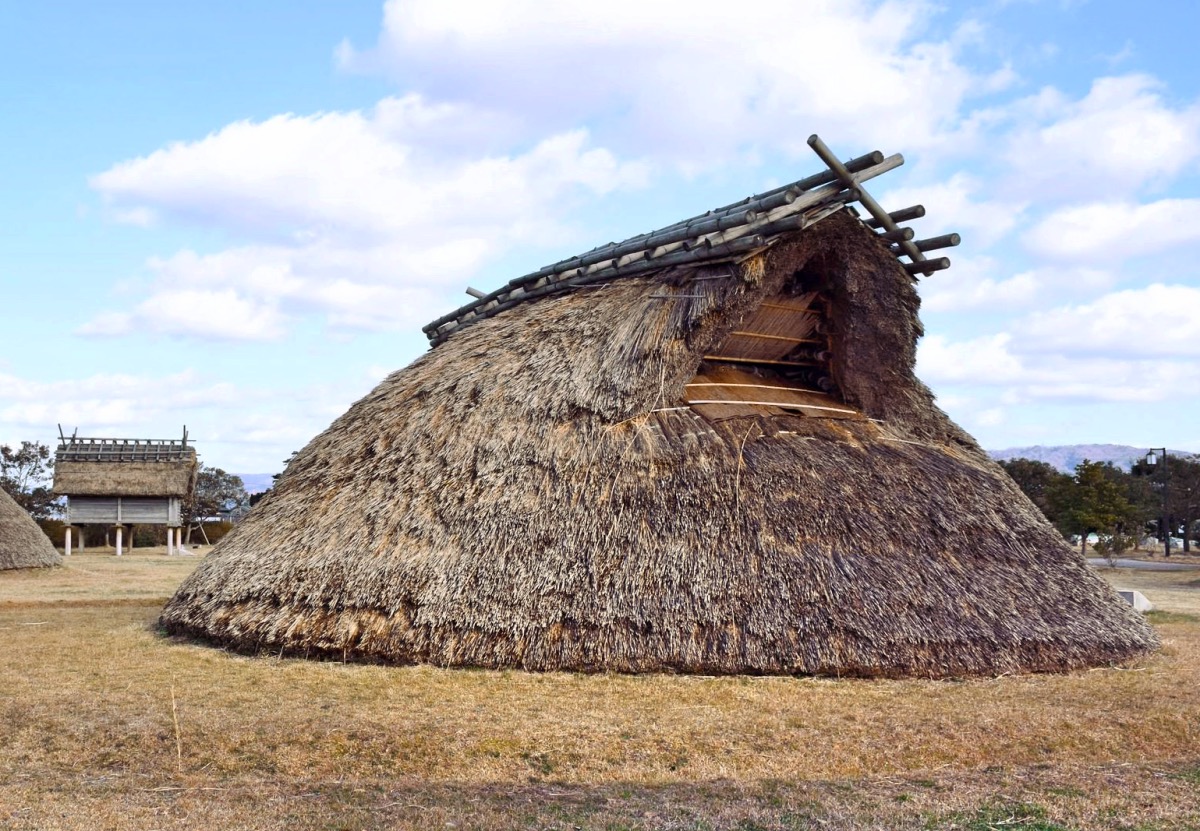
Yayoi period settlement remains, Ishikawa, Japan.
Bingo Provincial Capital
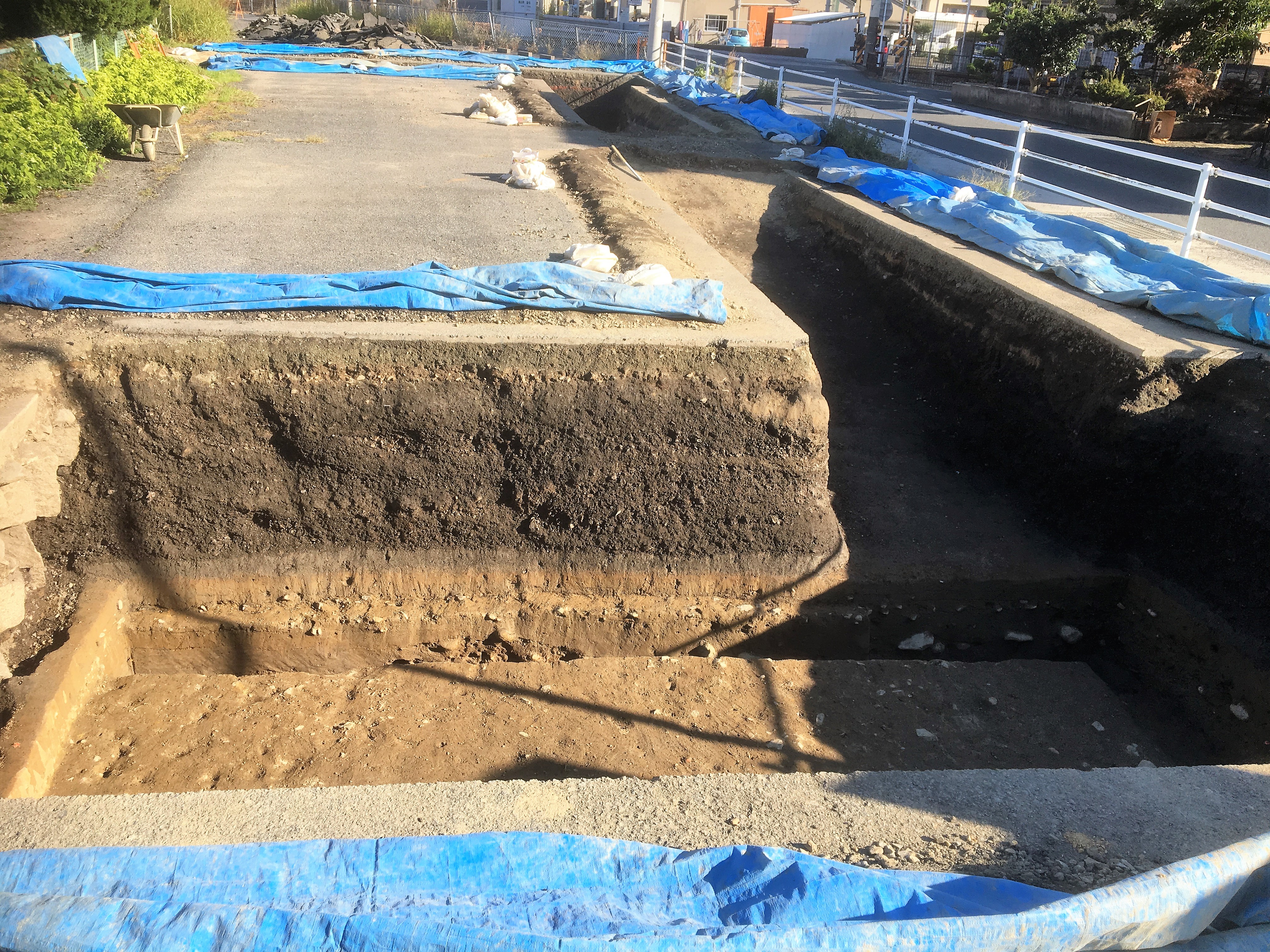
Ruins of ancient provincial capital structures
Binmanji Ishibotokedani Necropolis
Medieval Japanese necropolis with 1600 tombs.
Kusado Sengen
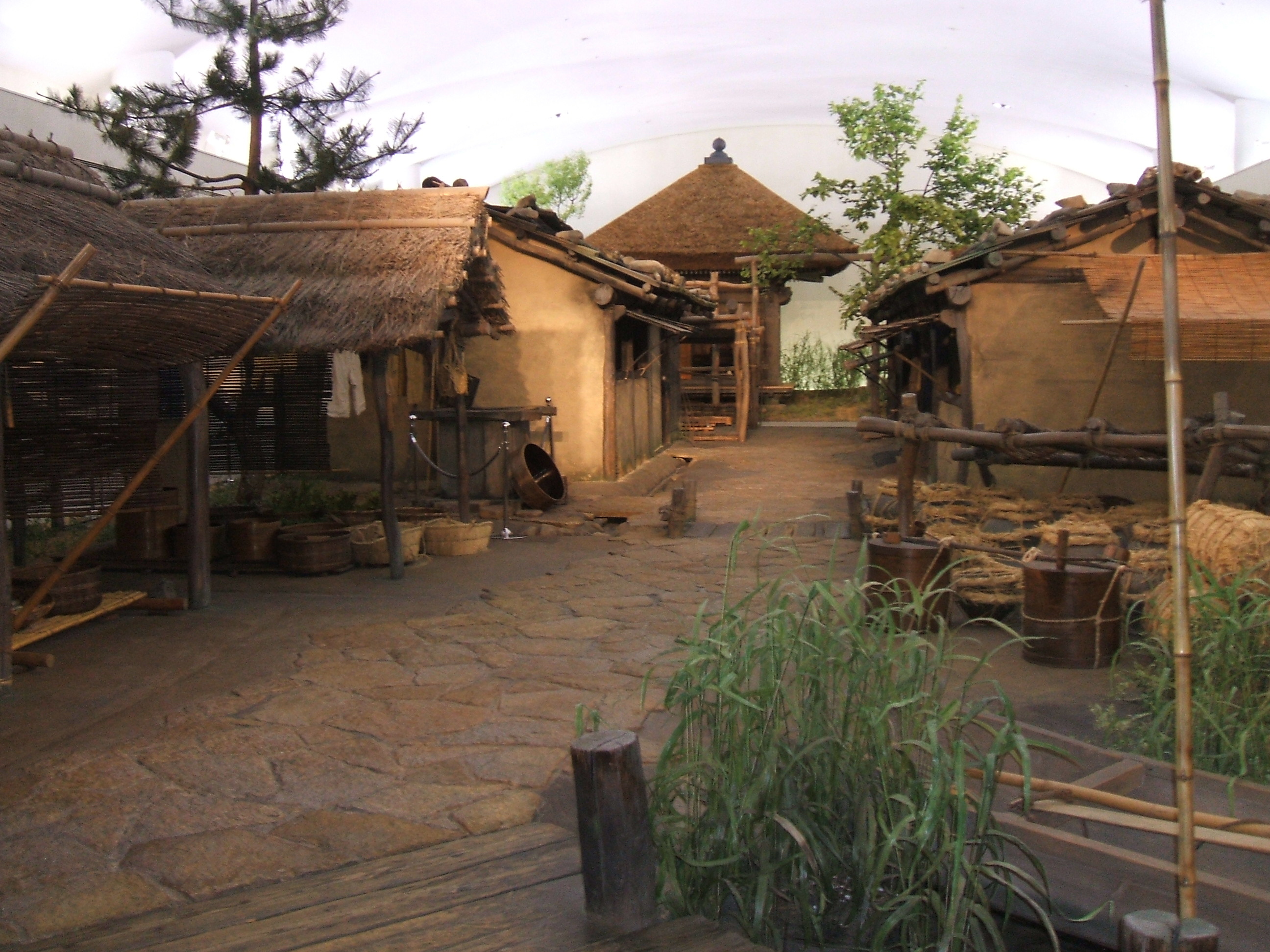
Medieval port town near Ashida River