
Explore the Map
Yoshimi Hundred Caves
36.0392° N, 139.4217° E
About
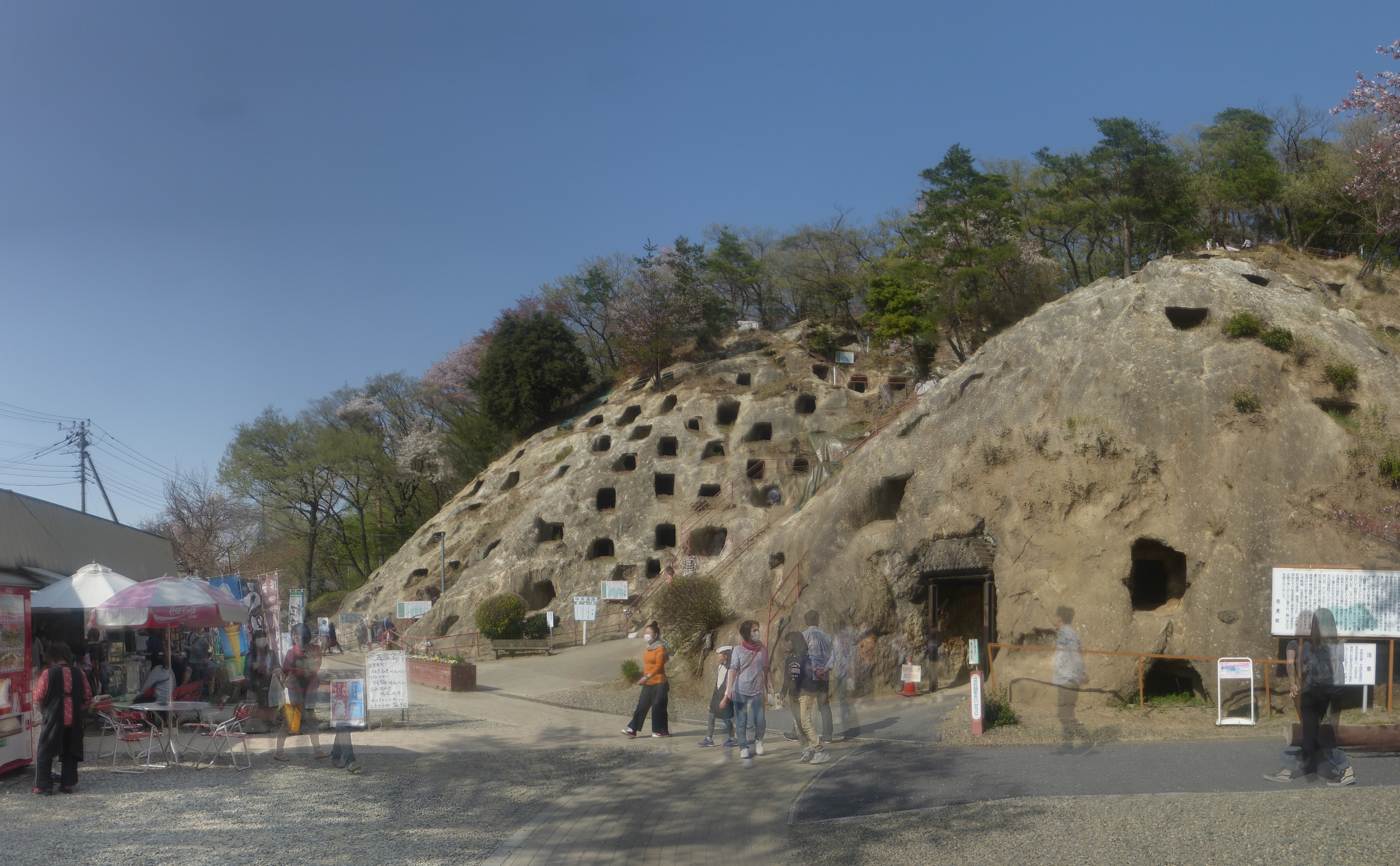
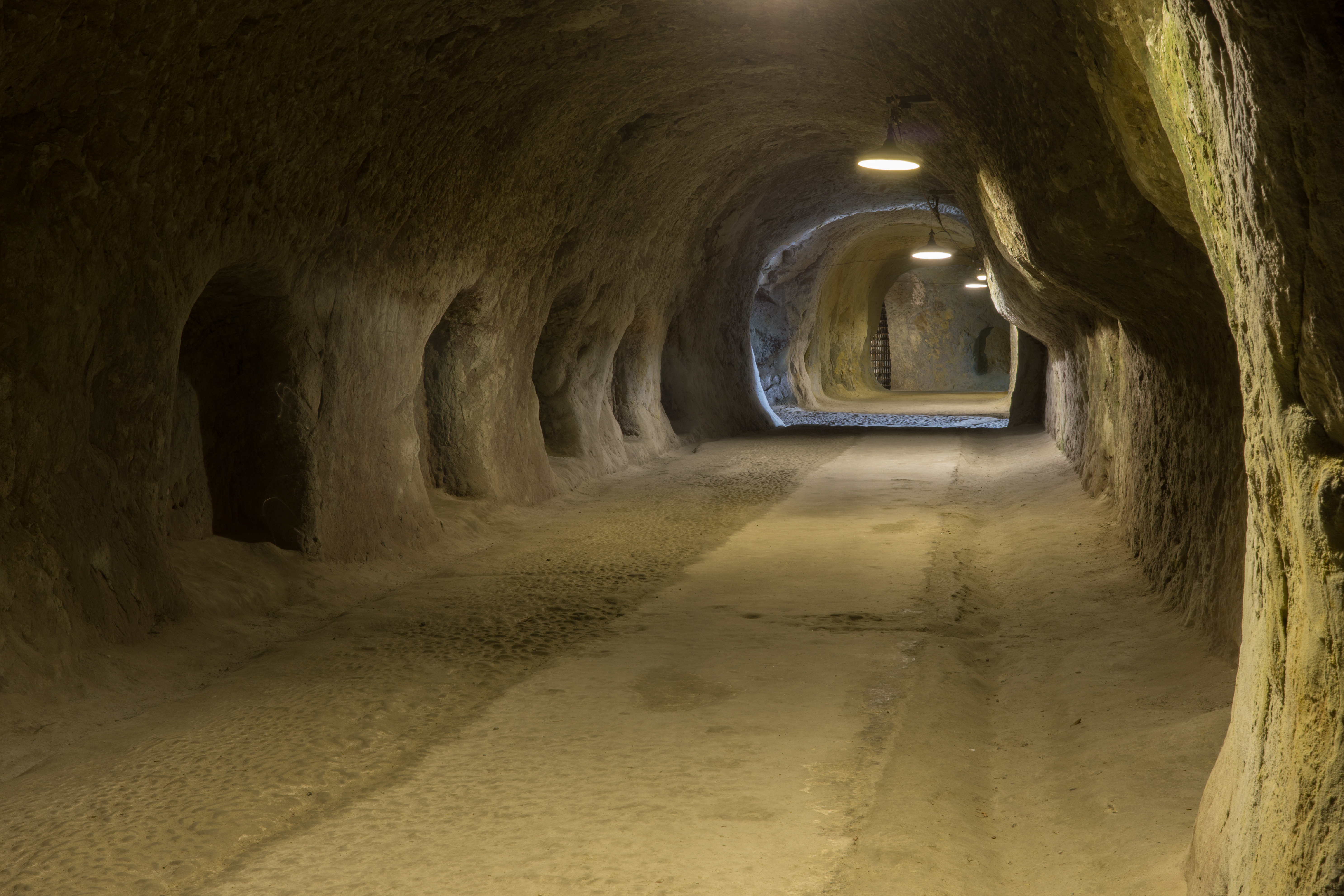
The Yoshimi Hundred Caves, located in Yoshimi, Saitama, Japan, is a significant archaeological site featuring a large cluster of corridor-type kofun tombs. The site, erroneously named 'hundred caves,' consists of 219 tombs carved into a tuff cliff, demonstrating intricate burial practices of the late Kofun period in the 7th century CE. These tombs are characterized by narrow entrance tunnels leading to larger chambers, which were likely used for multiple burials. The presence of elevated structures within these chambers suggests they may have held coffins or bodies. The site holds historical importance as a National Historic Site and is an example of the funerary architecture and cultural history of the Kofun period. Despite its preservation efforts, part of the site was altered during World War II for military production purposes.
Gallery
Explore photographs of ancient structures, artifacts, and archaeological excavations
Historical Timeline
Journey through time and discover key events in this site's history
Yoshimi Hundred Caves used as tombs
600 CE - 699 CE
Archaeological Features
Unique architectural and cultural elements found at this historical site
Burial and Funerary Structures
Environmental and Natural Features
Frequently Asked Questions
Plan Your Visit
Tours, travel arrangements, and practical information
More Sites in Japan
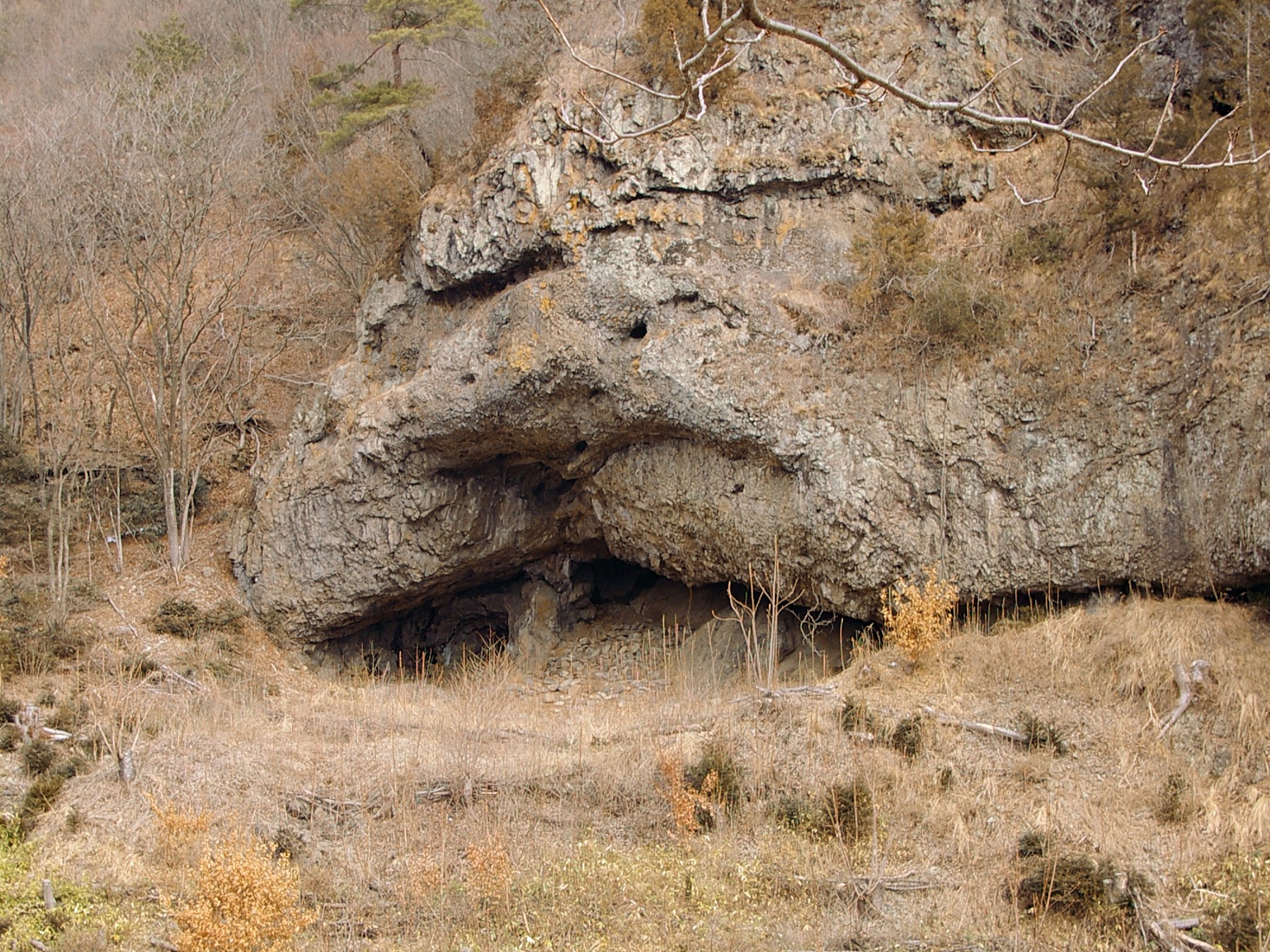
Tobayama Cave
Cave dwelling and tomb with grave goods
Mangyō Site
Late Yayoi–Early Kofun settlement, Nanao (Ishikawa), Japan
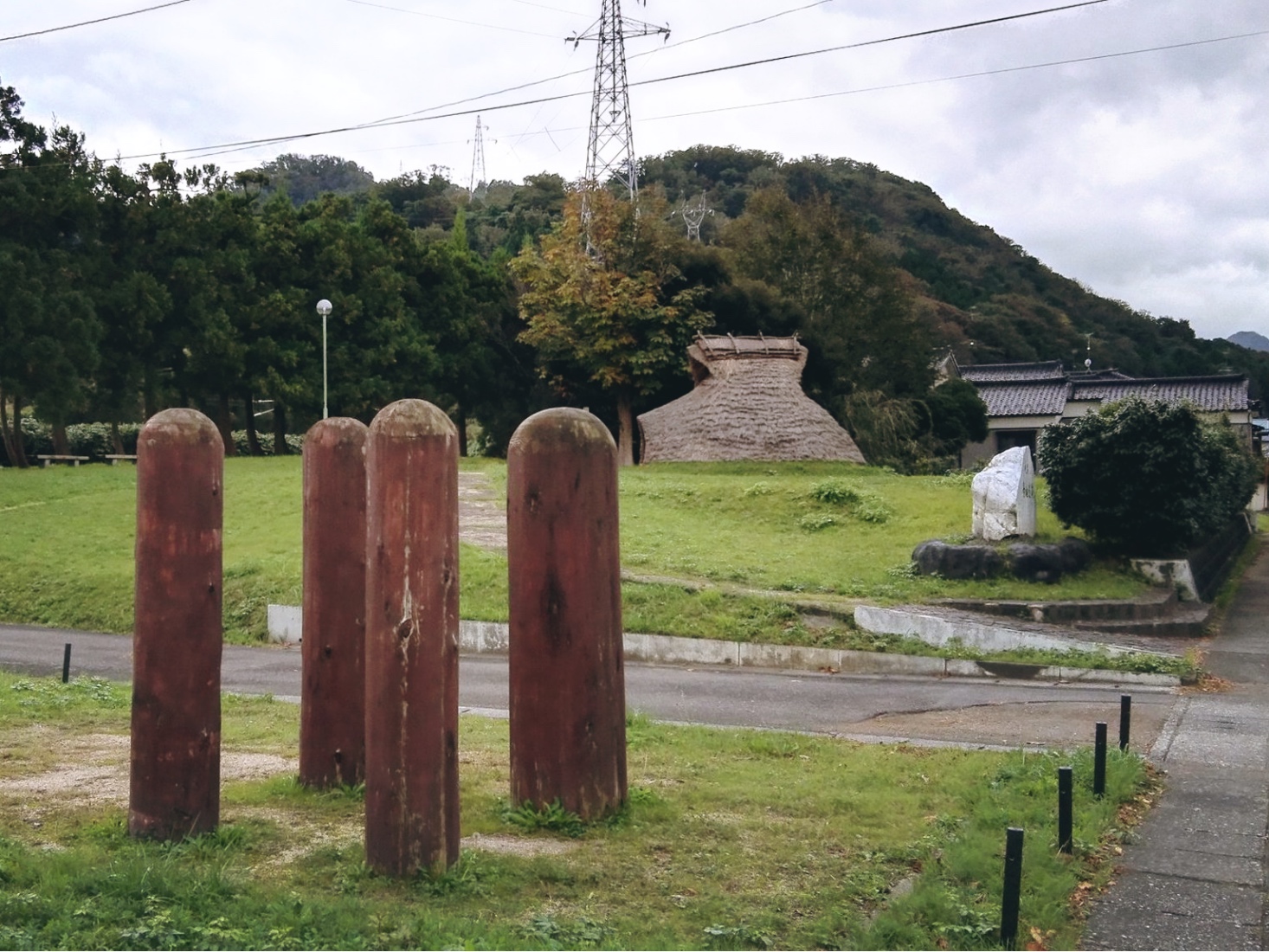
Terachi Site
Middle to late Jōmon period settlement
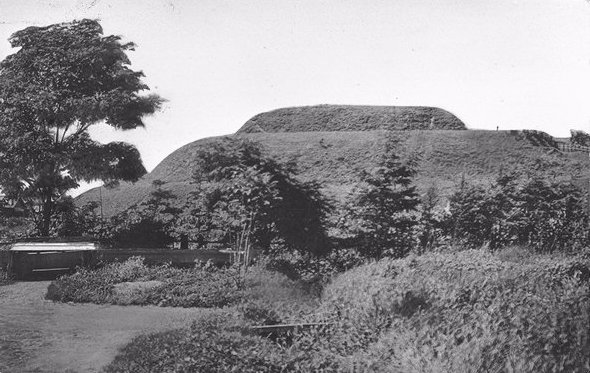
Moshiriya Chashi
Ainu fortified chashi on elevated site

Komaru Castle
Sengoku period castle with moats and ramparts.
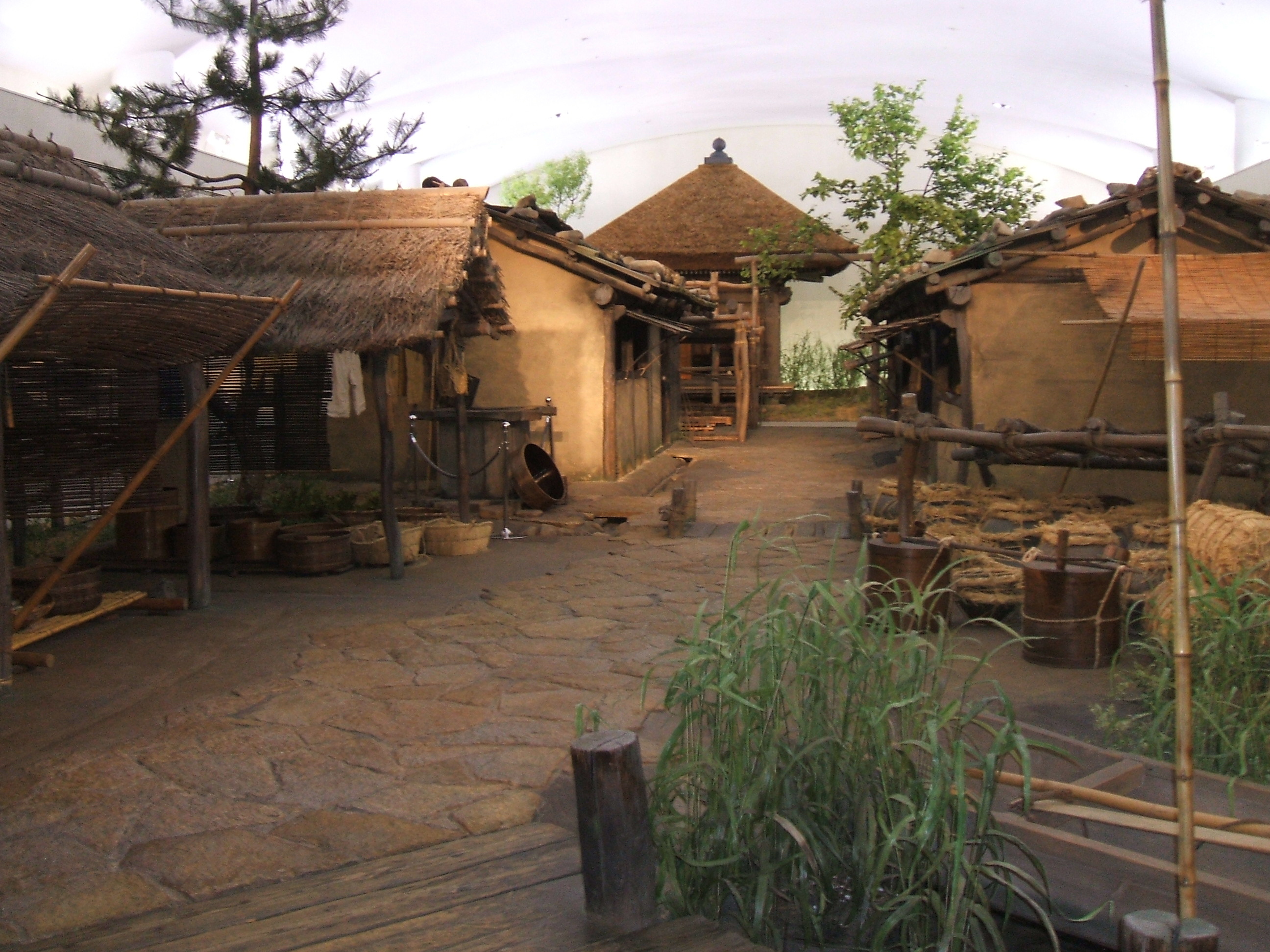
Kusado Sengen
Medieval port town near Ashida River