
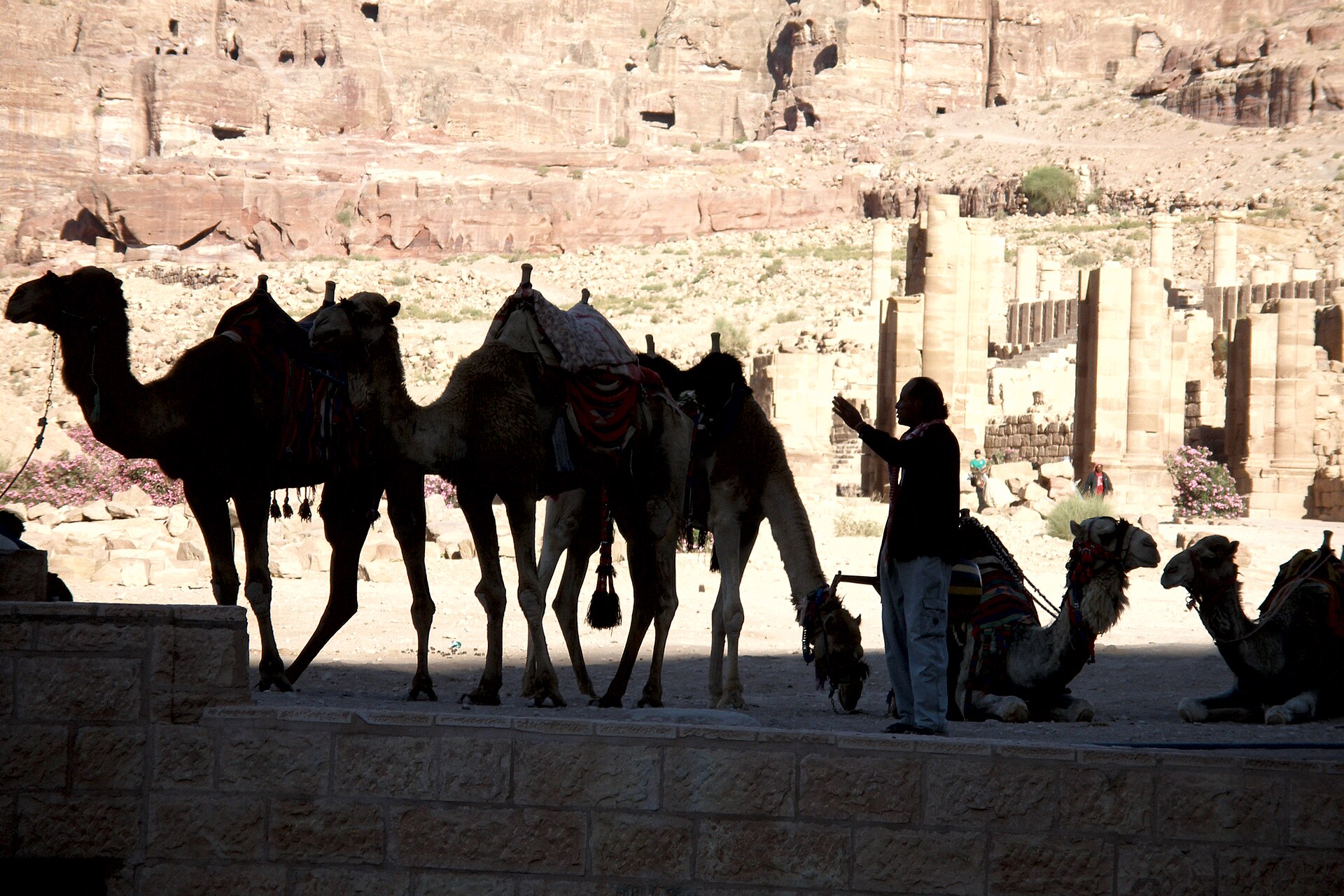
Petra
Petra is an ancient Nabataean capital in Jordan famous for its rock-cut architecture, sophisticated water systems, and the iconic Al-Khazneh monument.
Explore the Map
Petra
30.3306° N, 35.4433° E
About
Petra, historically known as Raqmu and often called the "Rose City," is an expansive archaeological park located in the sandstone canyons of southern Jordan. Established as the capital of the Nabataean Kingdom, the site emerged as a critical junction for the spice and incense trade routes connecting Arabia with the Mediterranean and Egypt. While habitation in the region dates further back, the city flourished between the 4th century BCE and the 1st century CE, reaching its economic and cultural zenith under the reign of King Aretas IV. It was later annexed by the Roman Empire in 106 CE and transformed into the province of Arabia Petraea before a series of devastating earthquakes and shifting trade routes led to its eventual abandonment by the 7th century. The Nabataeans were master engineers who transformed a parched desert environment into a thriving urban landscape through sophisticated hydraulic systems. They constructed a 28-meter-high dam and an 88-meter tunnel to protect the city center from flash floods while simultaneously diverting water into a complex network of terracotta pipes and rock-cut channels. This infrastructure supplied hundreds of underground cisterns and public fountains from distant springs such as Ain Mousa. The architectural landscape of Petra is defined by rock-cut facades that blend Hellenistic, Egyptian, and Mesopotamian influences, reflecting the cosmopolitan nature of a society enriched by international commerce. Notable landmarks include Al-Khazneh, a 40-meter-high royal mausoleum, and Ad-Deir, a massive mountain-top structure later utilized as a Byzantine church. The city center features a 4,000-seat theater carved into the hillside and the Great Temple complex, which housed an internal theater and ornate frescoes. In 2024, archaeologists utilizing ground-penetrating radar discovered a previously unknown tomb beneath the floor of Al-Khazneh, containing 12 intact human skeletons and various bronze, iron, and ceramic grave goods. Other critical finds include the "Petra Papyri," a cache of 140 carbonized scrolls found in 1993 that provide insights into 6th-century legal and social life, including property disputes and tax records. Designated as a UNESCO World Heritage site in 1985, Petra represents a unique fusion of natural landscape and monumental architecture. Despite its global prominence, it is estimated that only 15 to 20 percent of the city has been archaeologically explored, with the majority of its domestic and civic structures remaining buried beneath the desert sands. The site serves as a testament to Nabataean ingenuity, particularly their ability to manage scarce resources and navigate the political shifts of the Roman and Byzantine eras. Today, it remains the centerpiece of Jordan's cultural heritage, though it faces ongoing challenges from environmental erosion and sandstone weathering.
Gallery
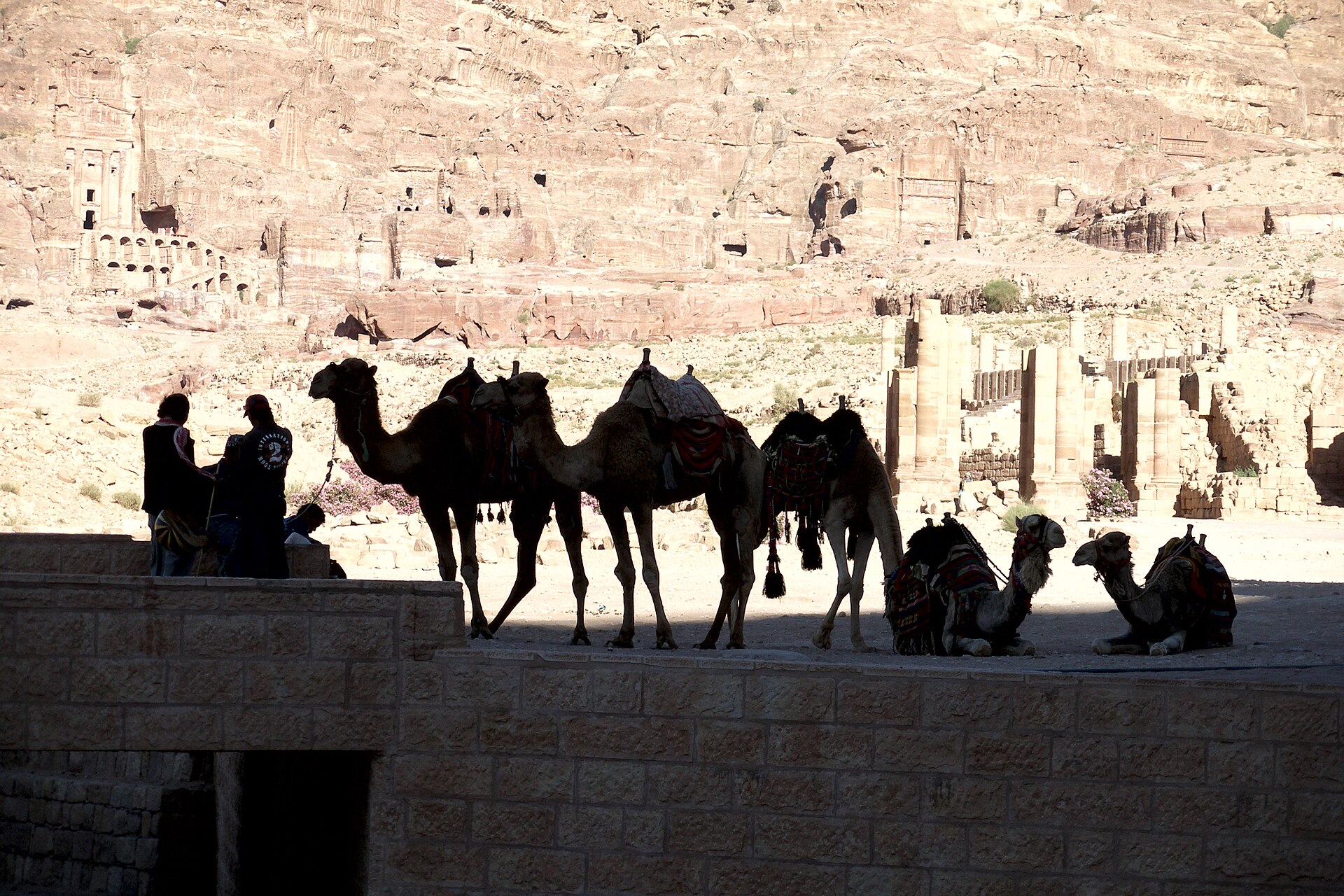
Explore photographs of ancient structures, artifacts, and archaeological excavations
Historical Timeline
Journey through time and discover key events in this site's history
Prehistoric Settlement
c. 7000 BCE
Nabataean Golden Age
c. 1st Century BCE – 106 CE
Byzantine Period
4th – 7th Century CE
Roman Annexation
106 CE
Edomite Occupation
c. 1200–539 BCE
Western Rediscovery
1812
Treasury Tomb Discovery
2024
Archaeological Features
Unique architectural and cultural elements found at this historical site
Water Management Features
Public and Civic Structures
Burial and Funerary Structures
Religious and Ritual Structures
Artistic and Decorative Features
Environmental and Natural Features
Frequently Asked Questions
Plan Your Visit
Tours, travel arrangements, and practical information
Details
Jordan
30.33° N, 35.44° E
More Sites in Jordan
Khirbat Ataruz
Iron Age temple and settlement remains
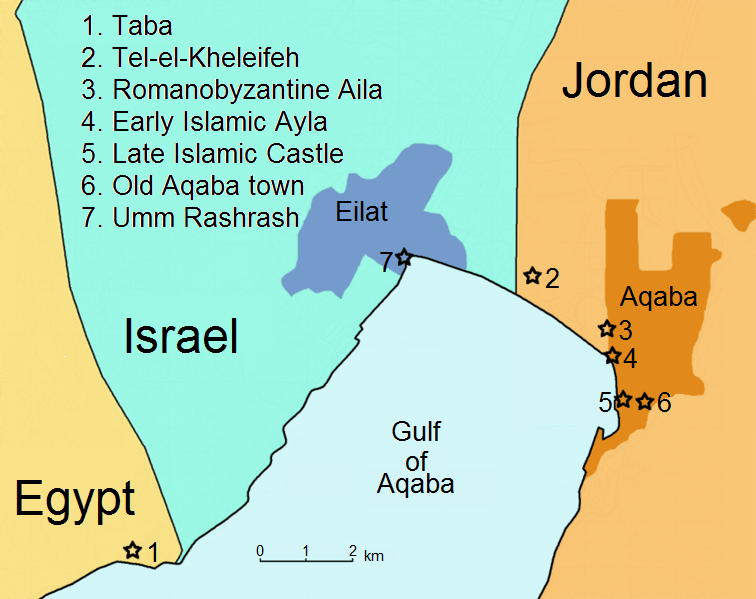
Tell el-Kheleifeh
Ancient fortified settlement with phased occupation.
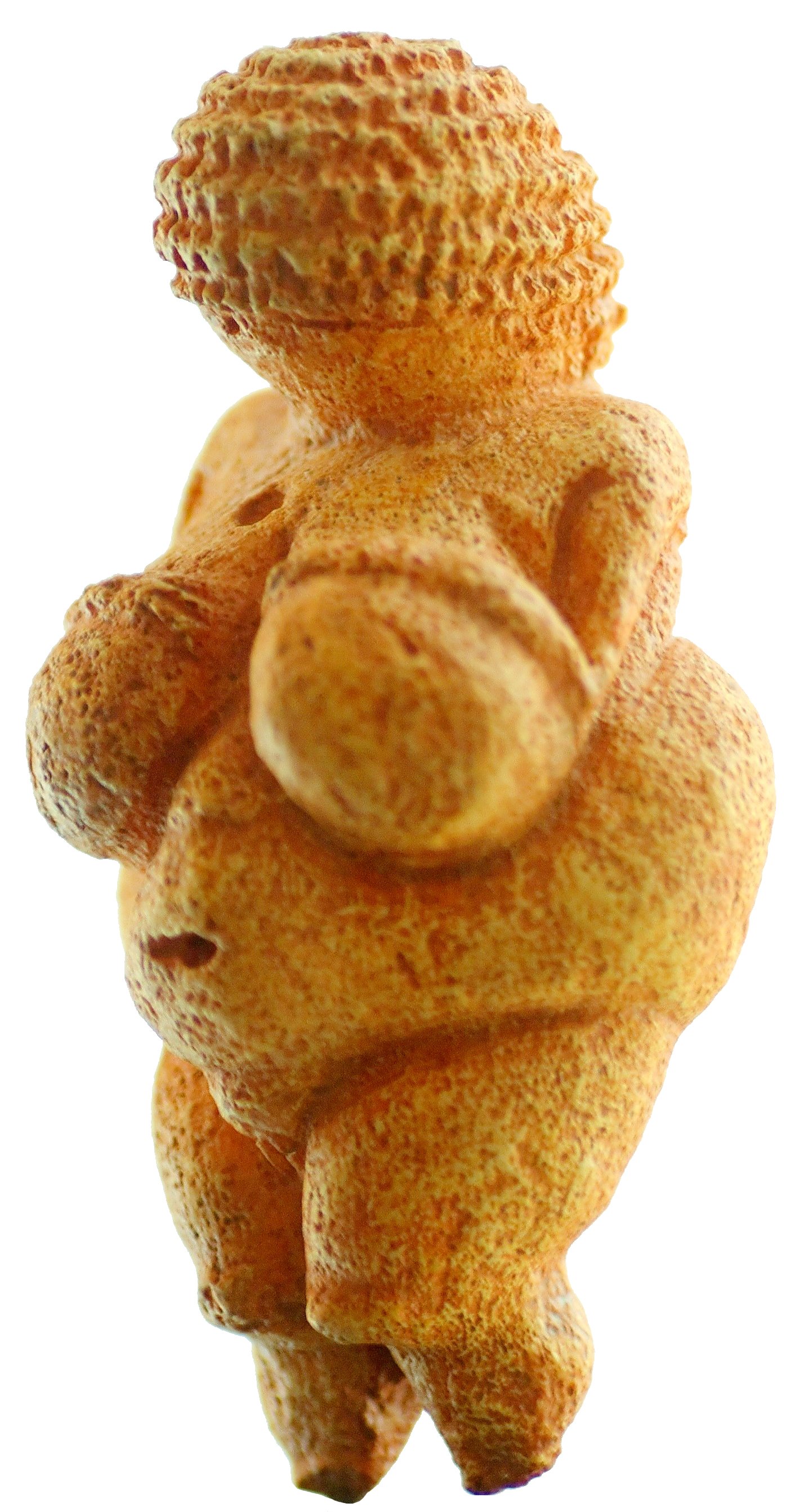
Uyun al-Hammam
Prehistoric burial site with red fox remains
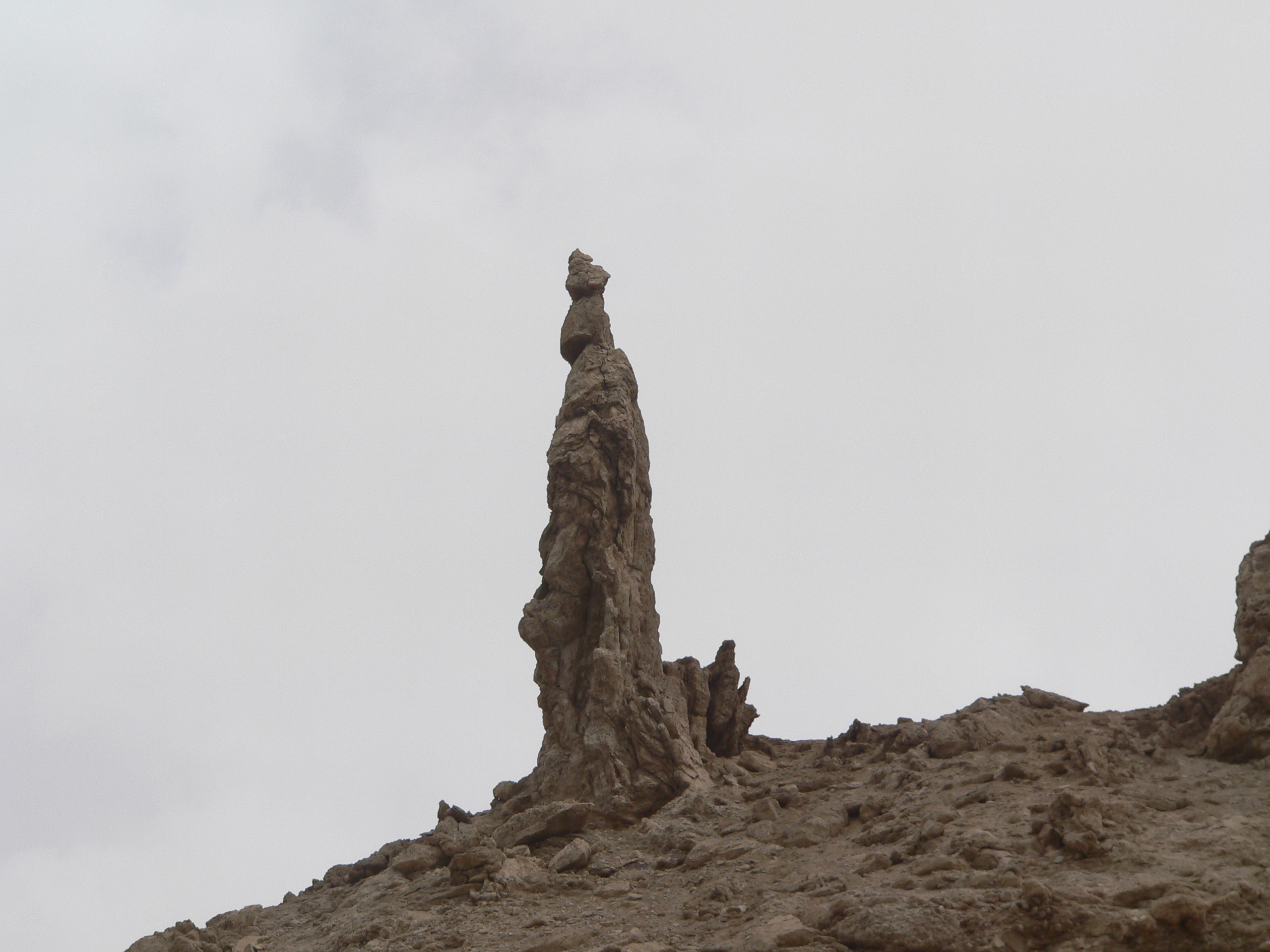
Monastery of St Lot
Byzantine monastery with Bronze Age cave
Teleilat el-Ghassul
Neolithic and Chalcolithic villages in Jordan
Tall Damiyah
Iron Age mound with unique artifacts