Explore the Map
Aadloun stele
33.4040° N, 35.2740° E
About
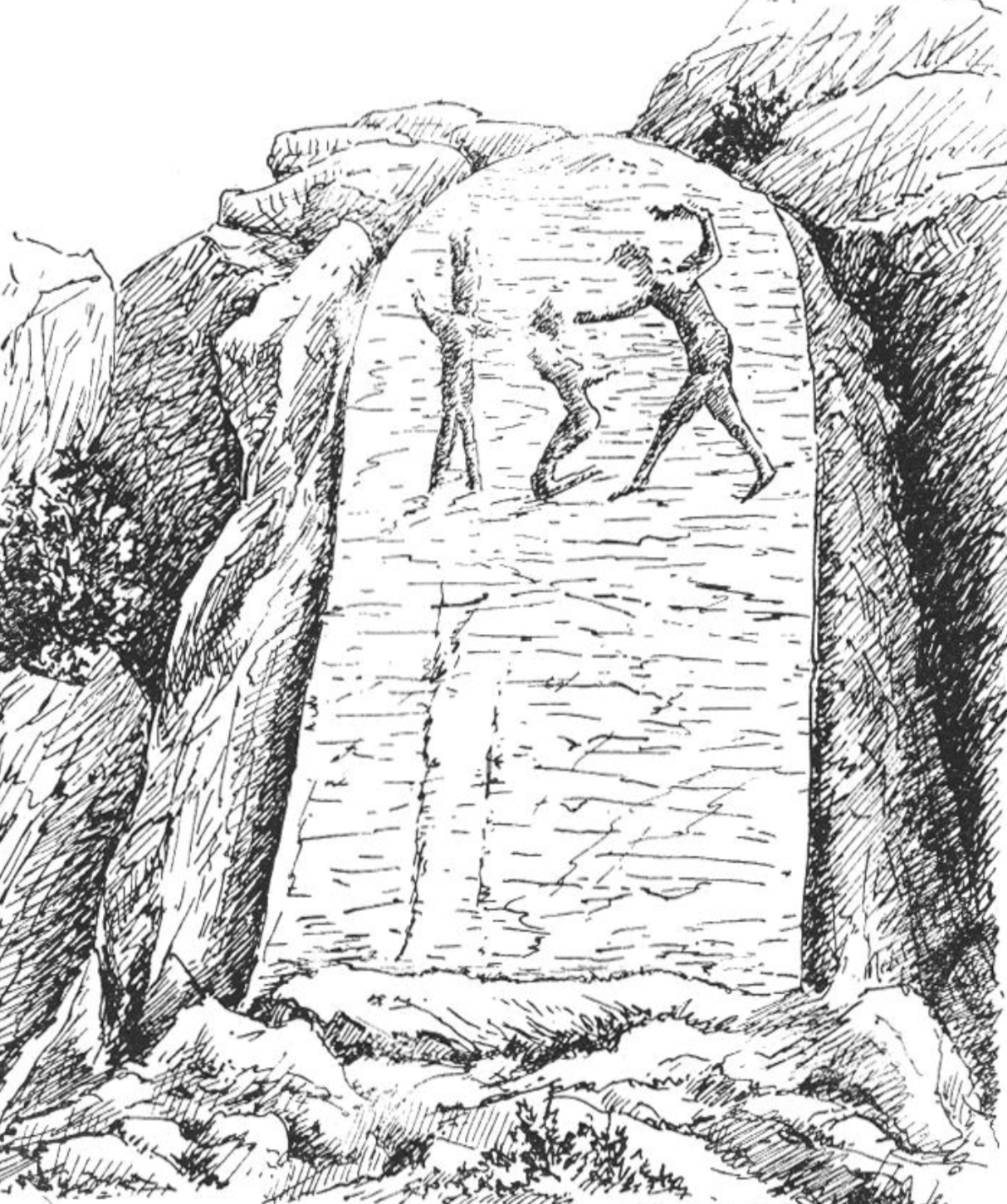
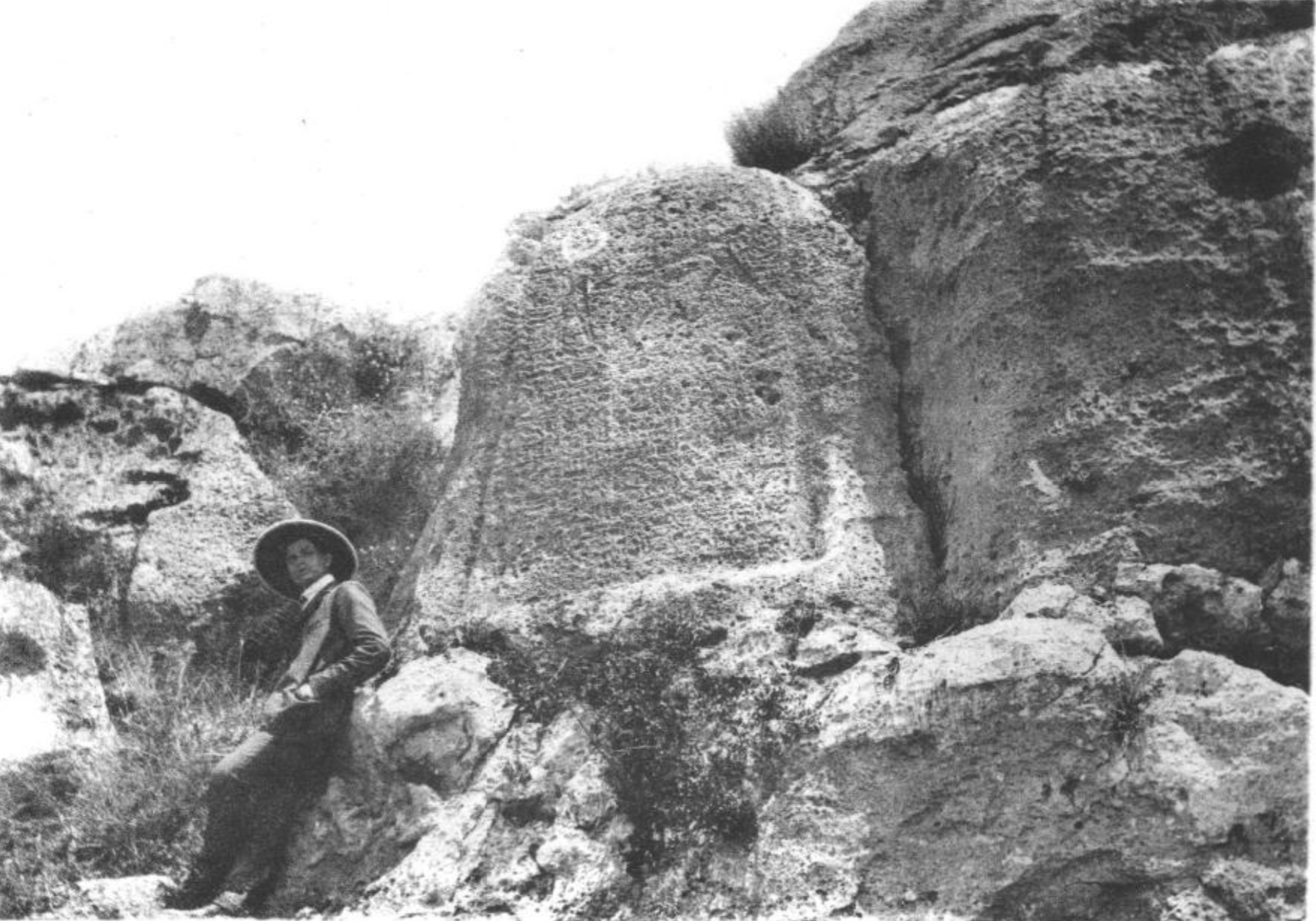
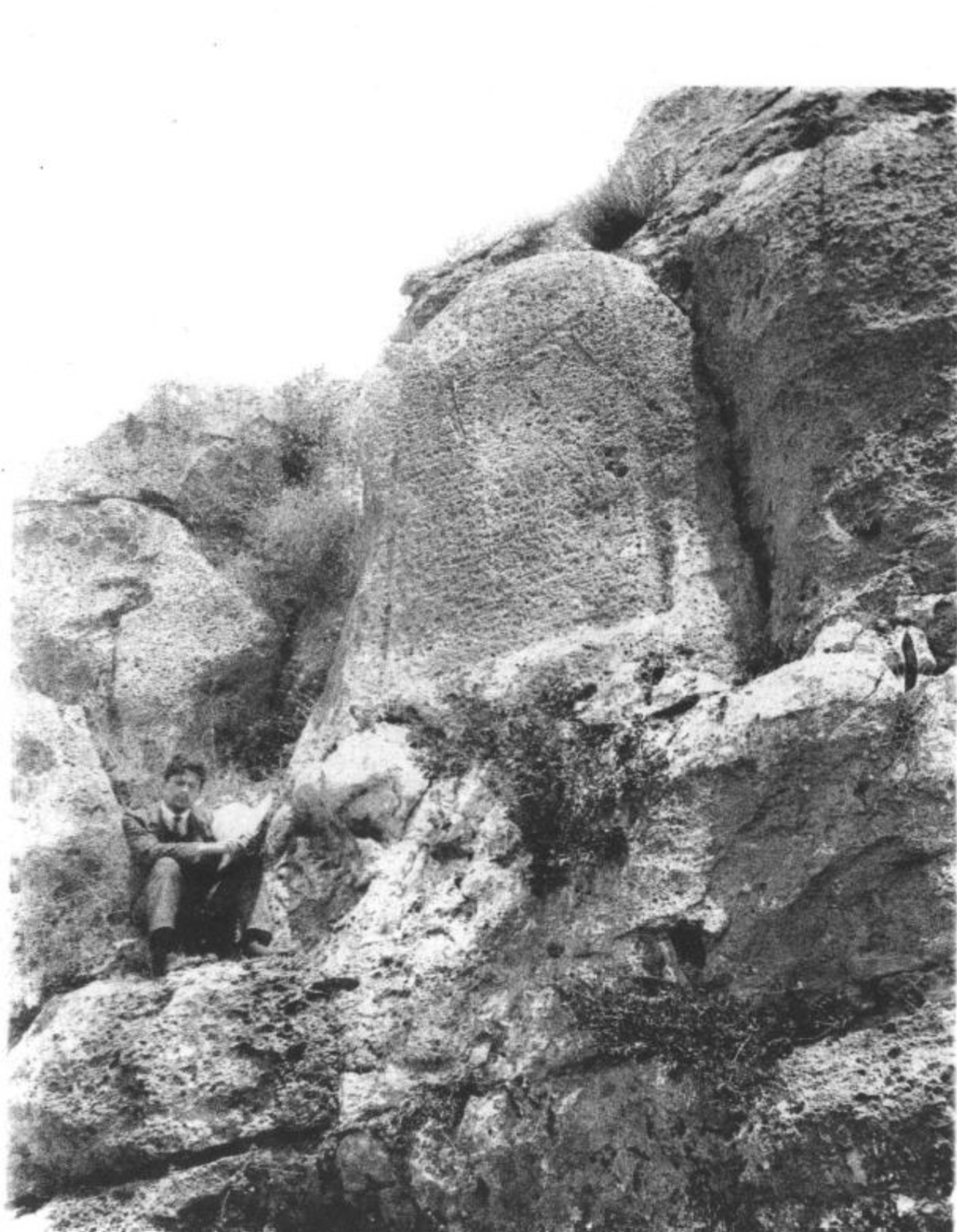
The Aadloun stele is an ancient rock relief and inscription located in the limestone formations near the town of Aadloun, Lebanon, between Sidon and Tyre. Discovered in 1843, this heavily weathered relief is attributed to the reign of Ramesses II, one of Egypt's most illustrious pharaohs who ruled during the late 13th century BCE. The stele depicts a figure, likely Ramesses II himself, making an offering of prisoners to the deity Ptah. The geological and environmental conditions, particularly the corrosive sea air, have obscured much of the hieroglyphic inscriptions, leaving only fragments visible. This site, much like the Stelae of Nahr el-Kalb located about 60 kilometers to the north, holds significant archaeological and historical value, providing insights into Egyptian influence and presence in the Levant during the Late Bronze Age.
Gallery
Explore photographs of ancient structures, artifacts, and archaeological excavations
Historical Timeline
Journey through time and discover key events in this site's history
Ramesses II Stele Creation
1279 BCE - 1213 BCE
Archaeological Features
Unique architectural and cultural elements found at this historical site
Burial and Funerary Structures
Religious and Ritual Structures
Artistic and Decorative Features
Frequently Asked Questions
Plan Your Visit
Tours, travel arrangements, and practical information
More Sites in Lebanon
Jeita Grotto
Interconnected karstic limestone caves in Lebanon
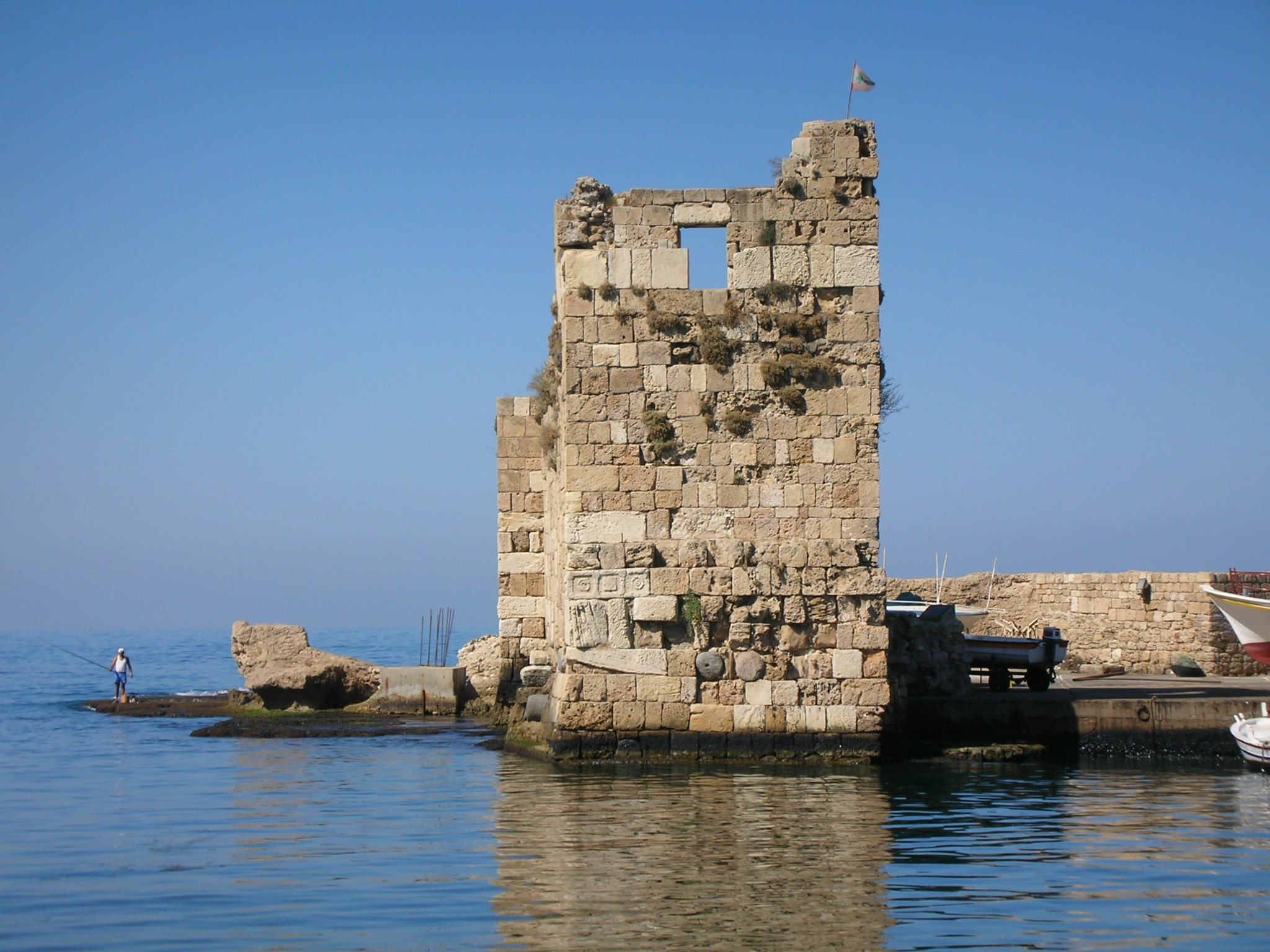
Tell el-Burak
Conical tell with fortifications and wall paintings
Byblos
Ancient city with layered historical strata
Tyre, Lebanon
Ancient Phoenician city with harbor remains
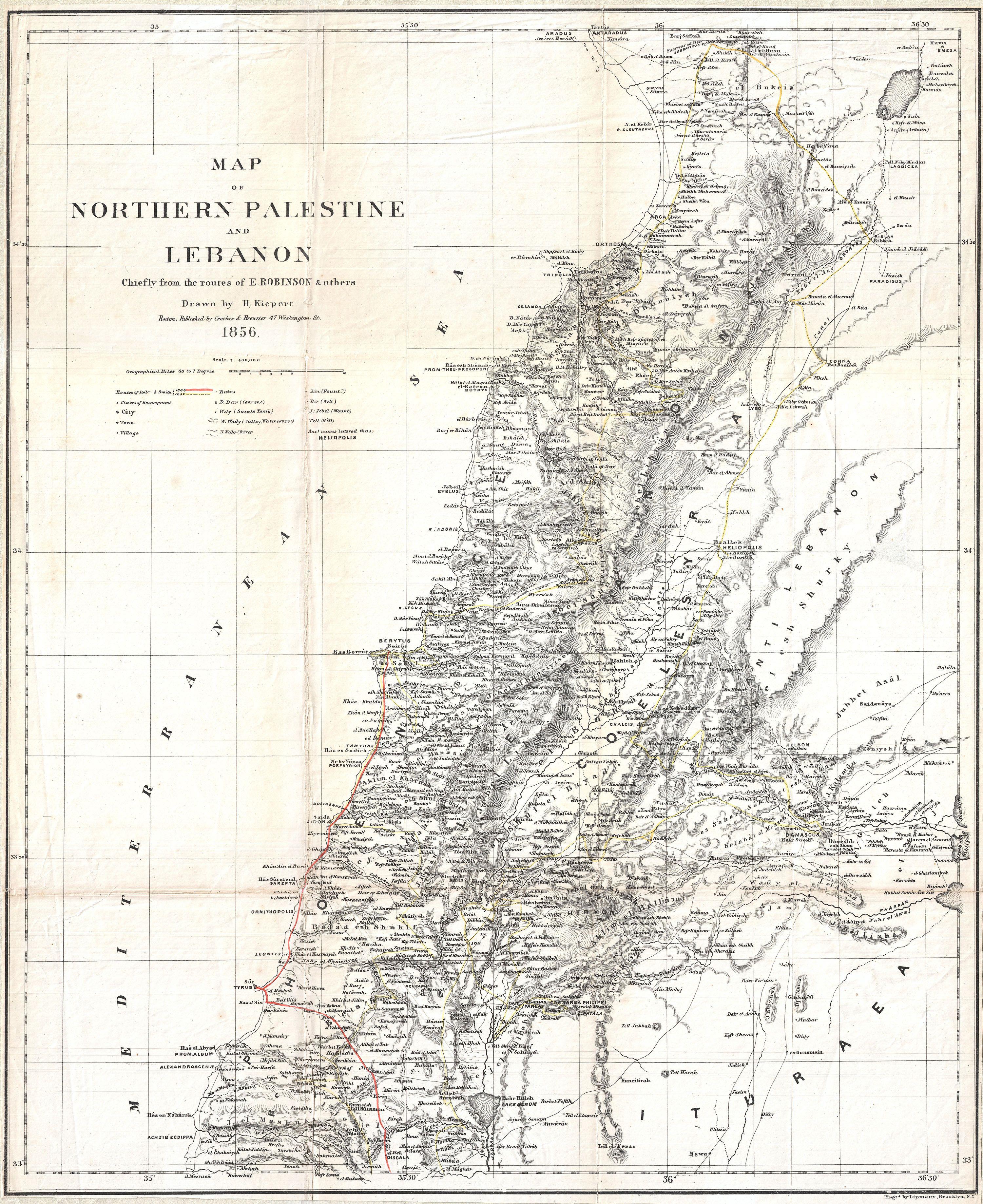
Baalbek
Ancient city with Roman temples and ruins
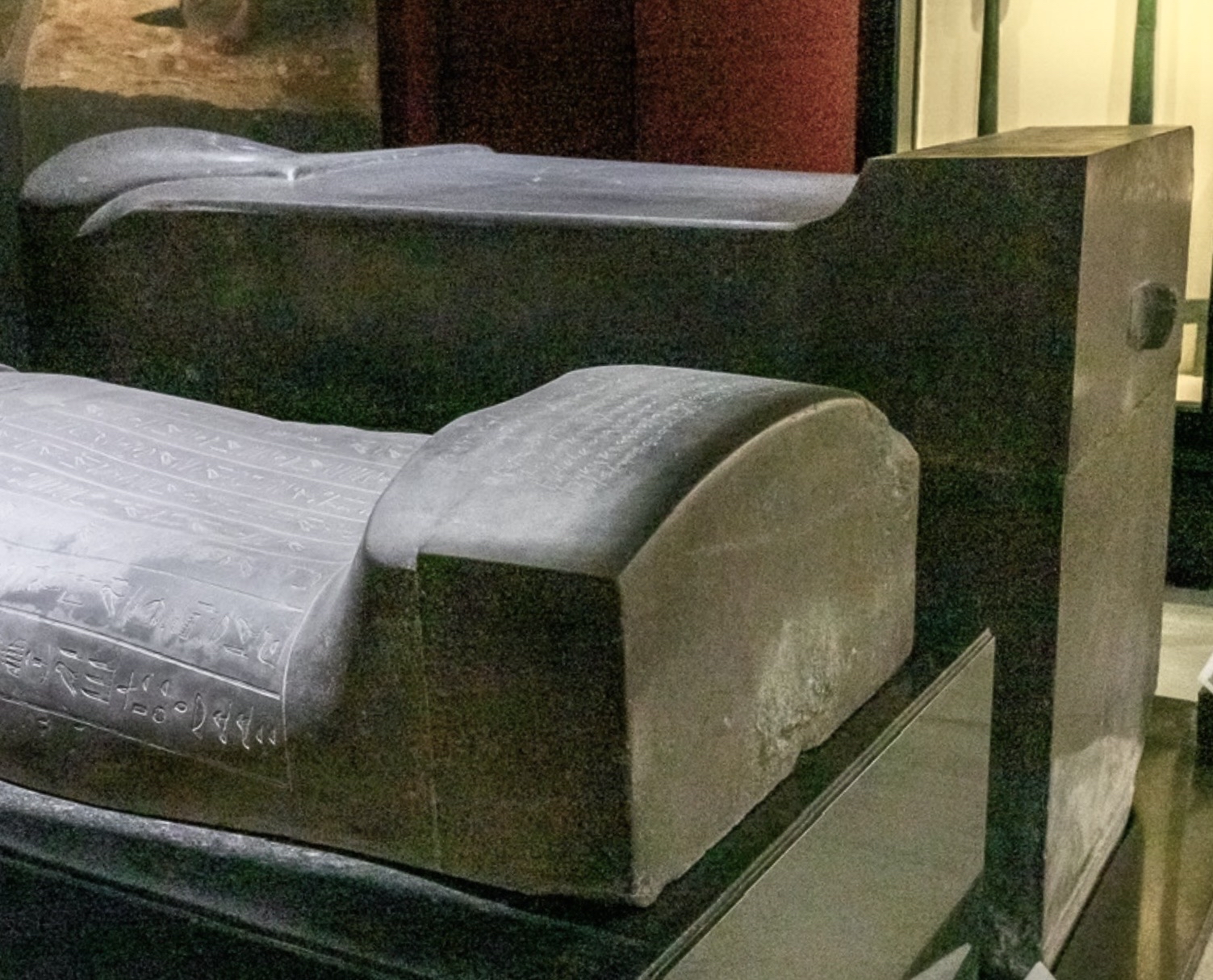
Royal necropolis of Ayaa
Subterranean necropolis with diverse sarcophagi styles.