
Time Periods
Paleolithic
Mesolithic
Neolithic
Chalcolithic
Bronze Age
Iron Age
Classical Period
Post-Classical Period
Early Modern Period
Industrial Period
Contemporary Period
Time Periods
Paleolithic
Mesolithic
Neolithic
Chalcolithic
Bronze Age
Iron Age
Classical Period
Post-Classical Period
Early Modern Period
Industrial Period
Contemporary Period
Location
About
The site of Afqa, located in the mountains of Lebanon, is of great archaeological significance due to its association with ancient religious practices and mythology. It is renowned for the ruins of a temple dedicated to Aphrodite Aphakitis, a unique manifestation of the goddess, linked with the myth of Adonis. The temple's construction is attributed to the legendary King Cinyras, and it underwent significant reconstruction during the Hellenistic period before being demolished by Emperor Constantine in the 4th century CE. The site features an impressive waterfall that is the source of the Adonis River, a Roman aqueduct, and a cave system, highlighting its importance in ancient water management. Afqa's alignment with the summer solstice and its mythological connections further underscore its cultural significance in antiquity.
Gallery
Explore photographs of ancient structures, artifacts, and archaeological excavations at Afqa
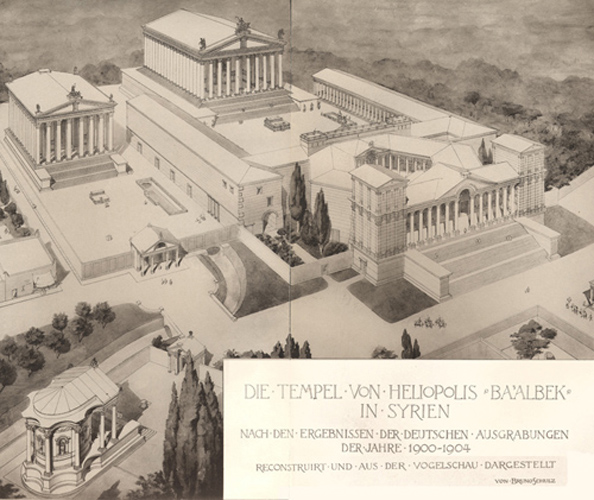
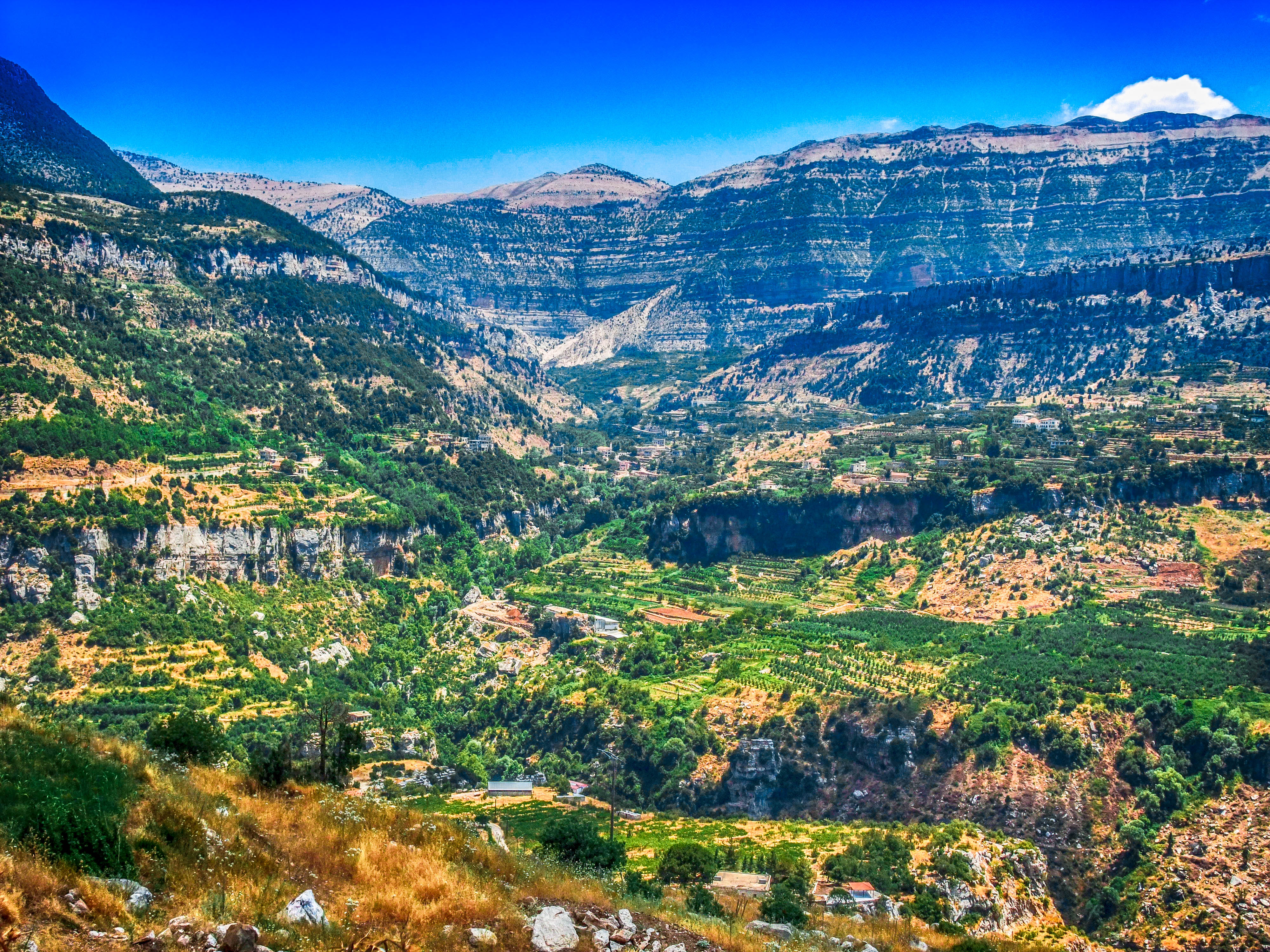

Archaeological Features
Explore the unique architectural and cultural elements found at this historical site
Water Management Features
Religious and Ritual Structures
Environmental and Natural Features
Historical Timeline
Journey through time and discover key events in this site's archaeological history
Plan Your Visit
Details
- Country
- Lebanon
- Source
- Wikipedia
More Sites in Lebanon
Sarepta
Phoenician city with diverse archaeological finds
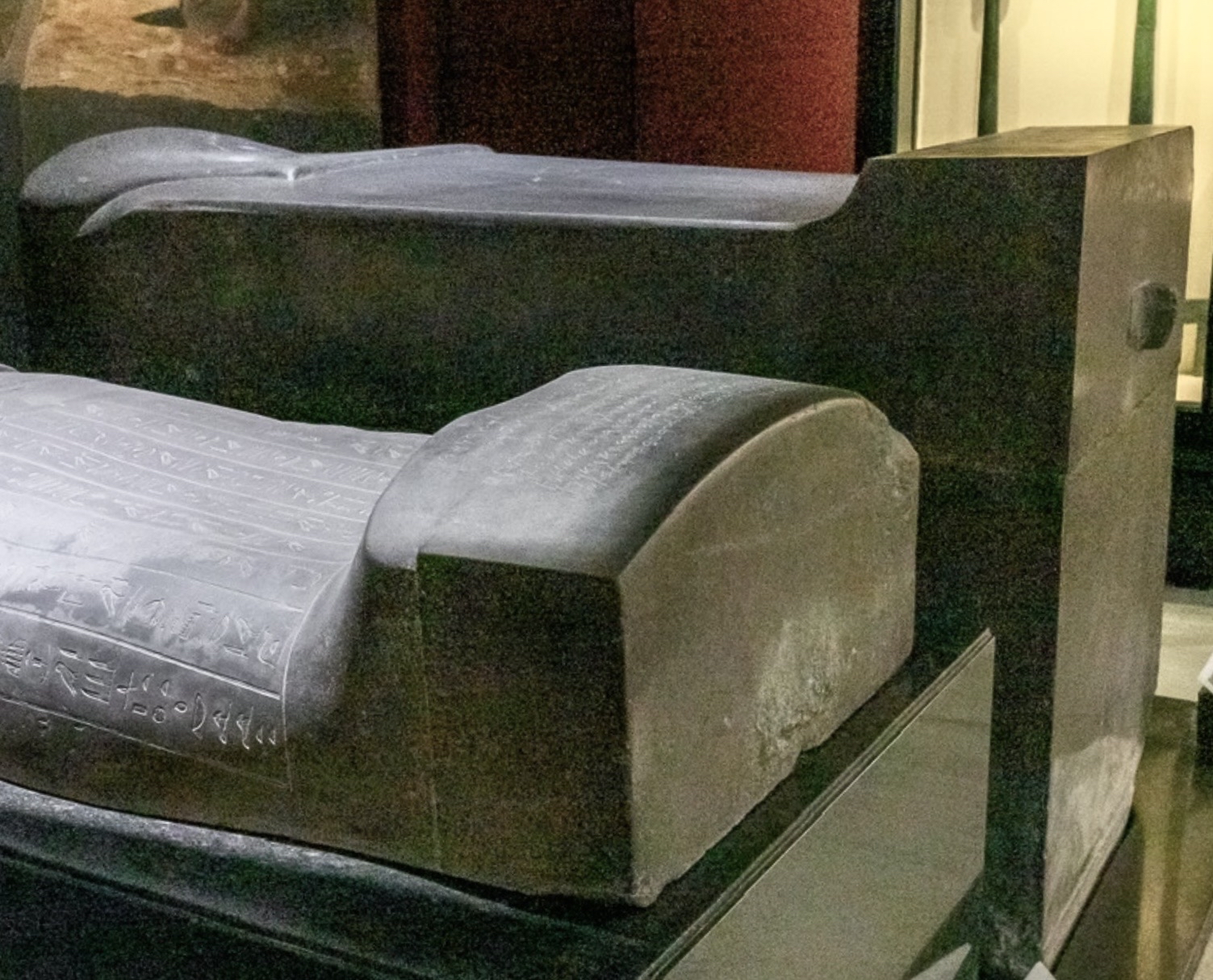
Royal necropolis of Ayaa
Subterranean necropolis with diverse sarcophagi styles.
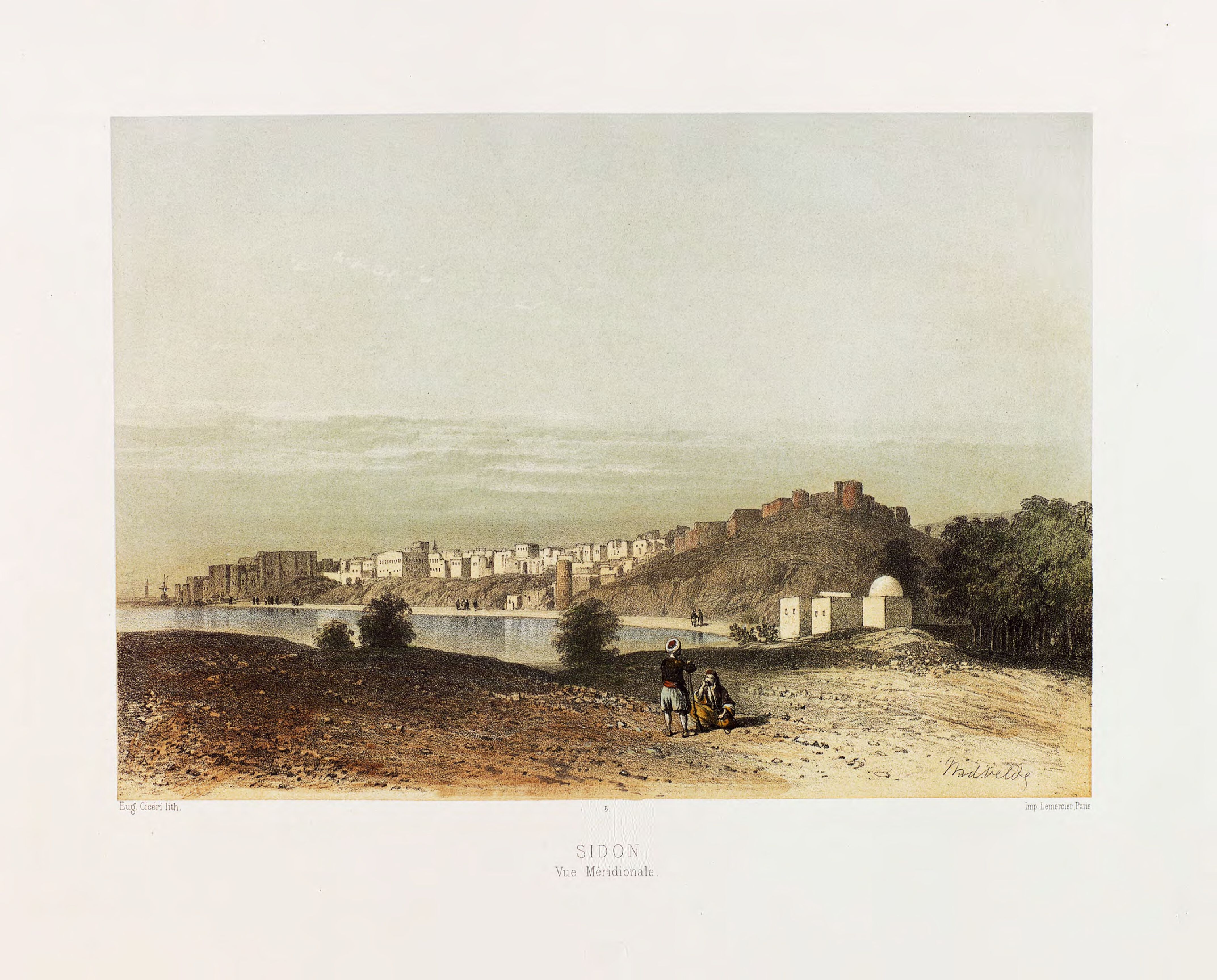
Sidon
Ancient Phoenician city with rich history
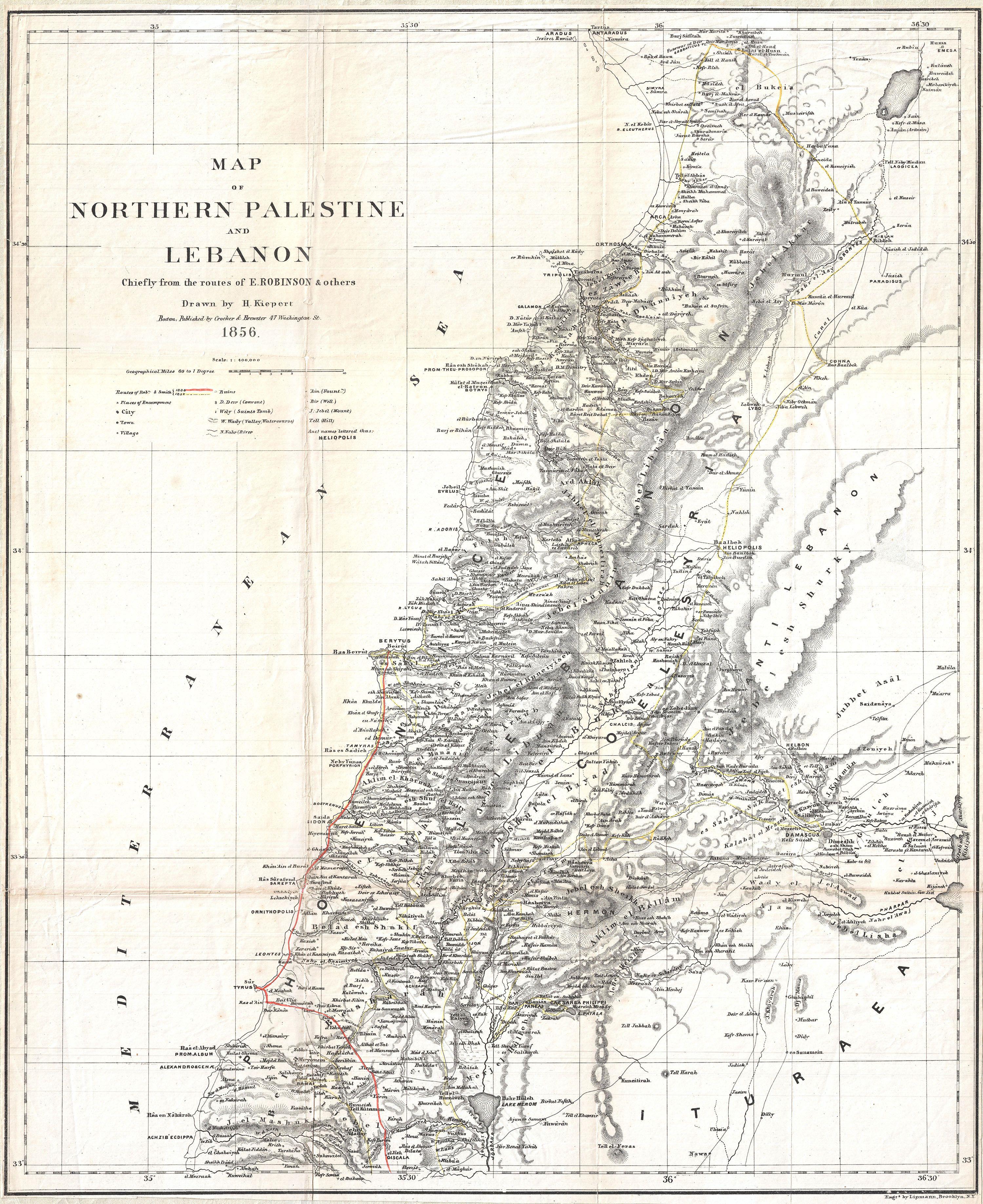
Baalbek
Ancient city with Roman temples and ruins
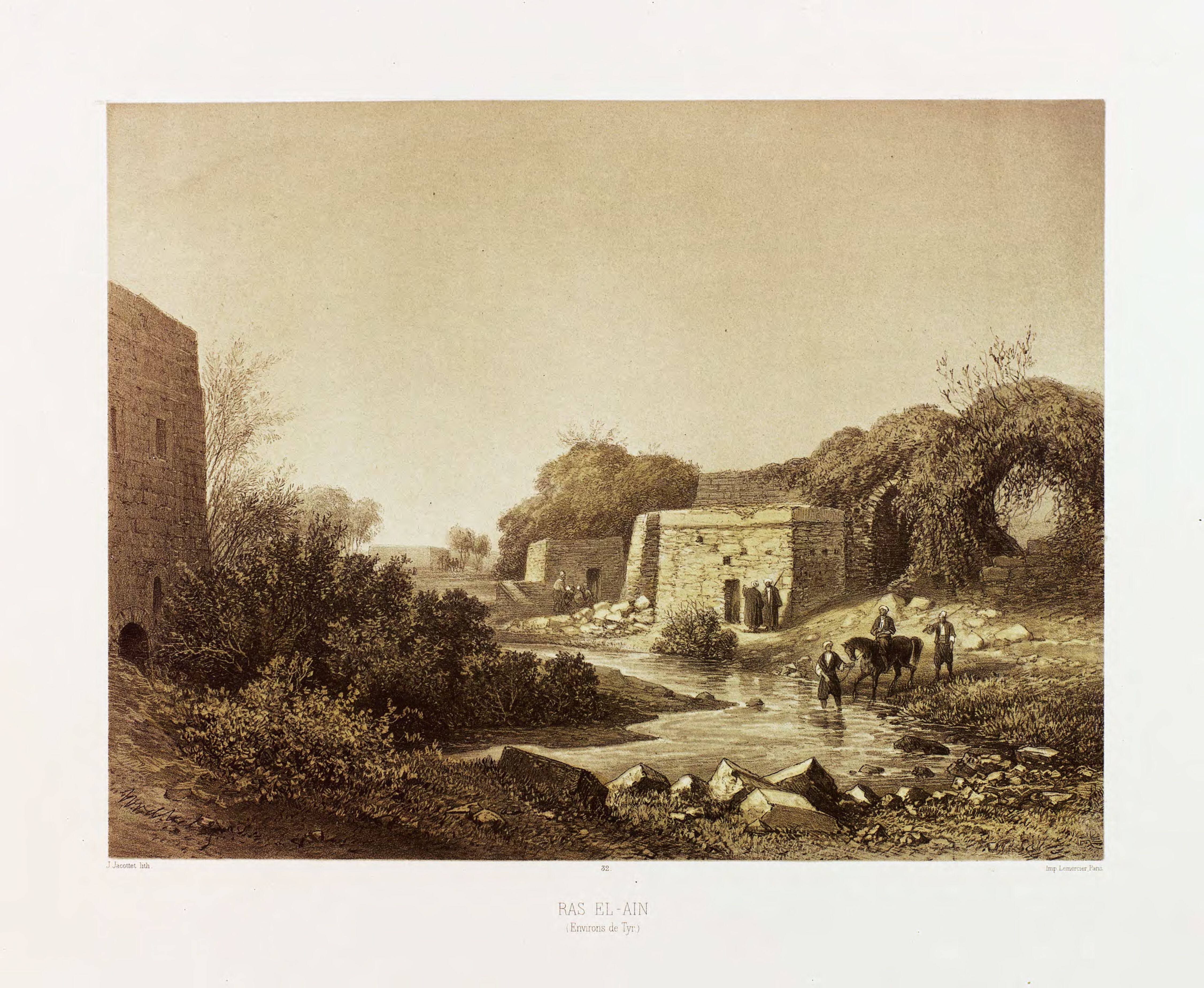
Ras al-Ain, Lebanon
Ancient fountains, reservoirs, and Roman aqueducts
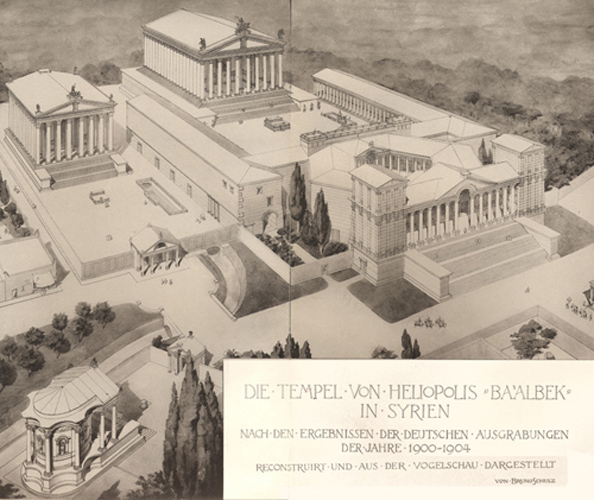
Amioun
Ancient hill town with Roman temples.