
Explore the Map
Anjar, Lebanon
33.7258° N, 35.9297° E
About
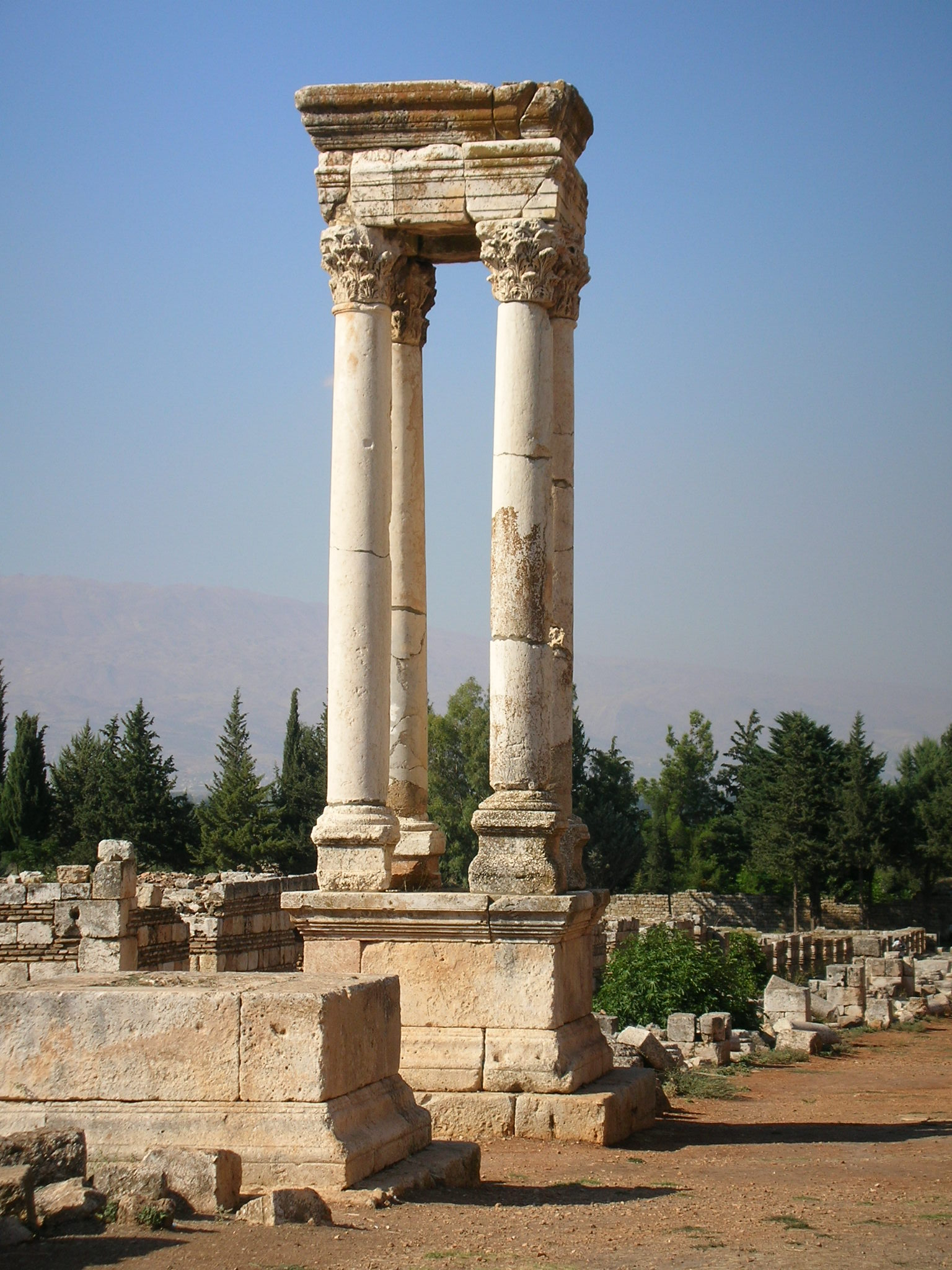
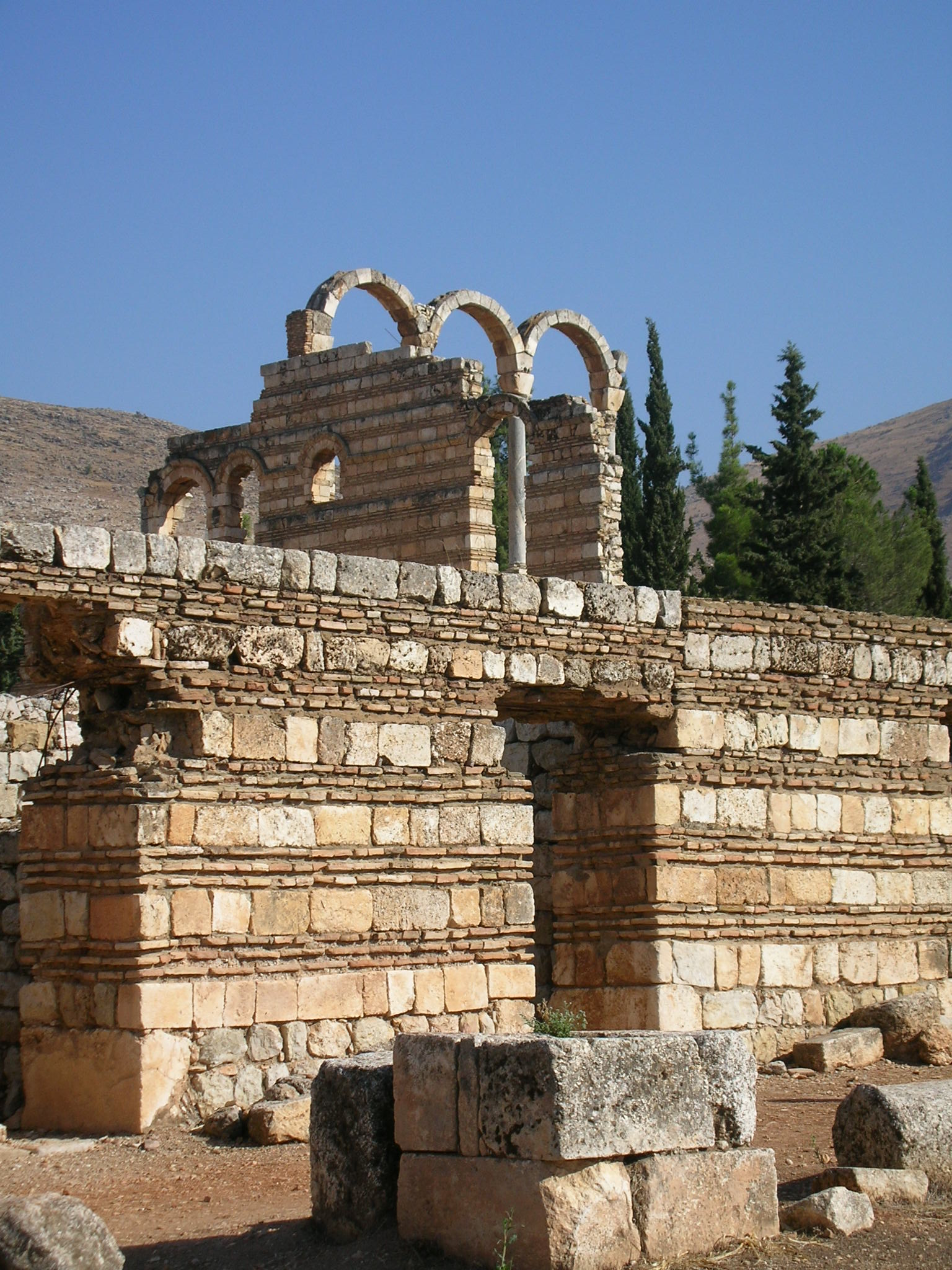
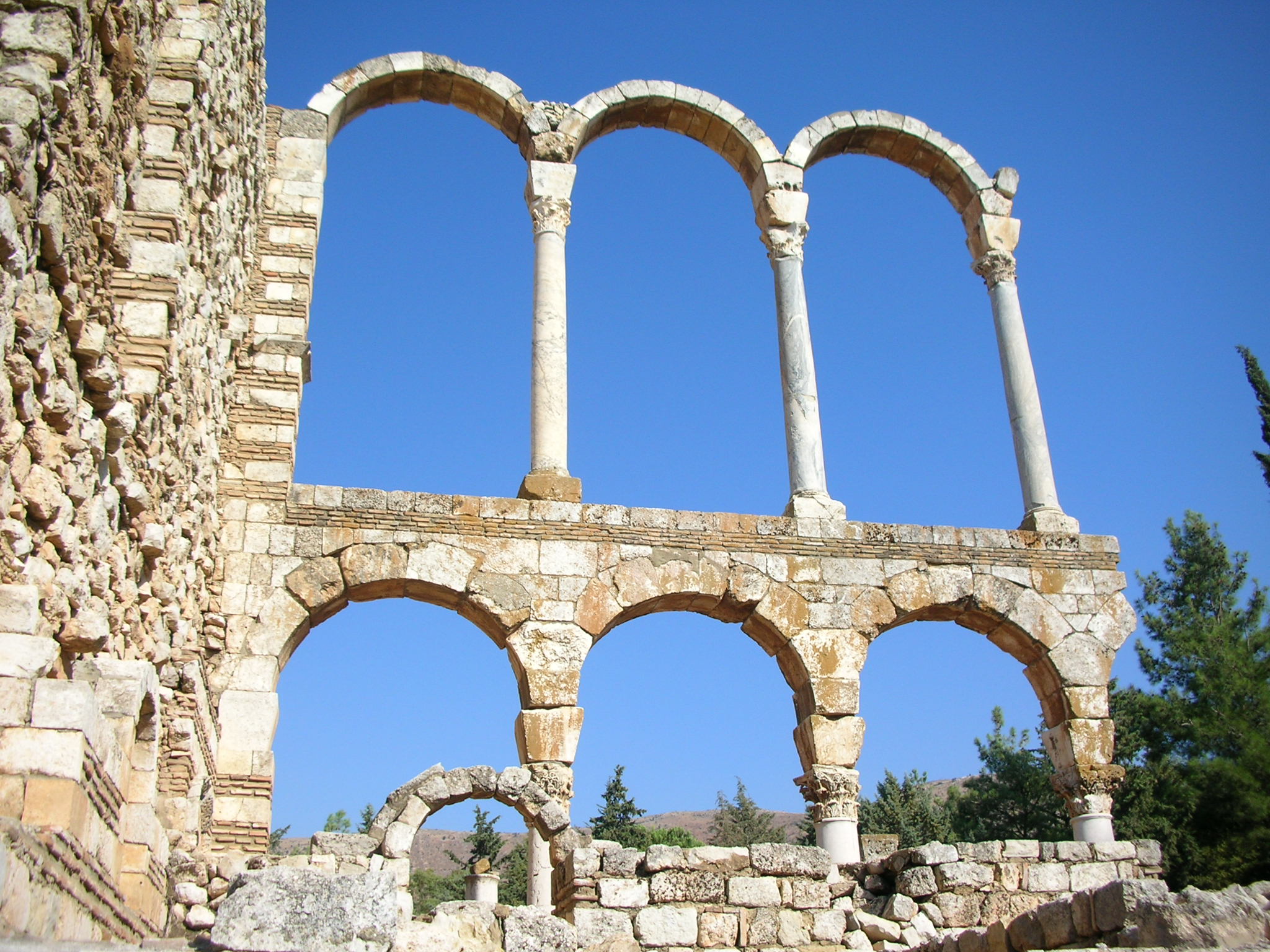
Anjar, located in Lebanon's Bekaa Valley near the Syrian border, is a significant archaeological site that showcases the blend of Umayyad and Roman architectural styles. Founded in the early 8th century CE, the city is attributed to the Umayyad caliph al-Walid I or his son al-Abbas. This palace-city, recognized as a UNESCO World Heritage Site since 1984, features a rectangular Roman city plan with fortified stone walls and two main colonnaded avenues that intersect at a tetrapylon. Although much of the construction reused earlier materials, the city was largely built on virgin soil. Its historical significance lies in its role as a testament to the Umayyad era's urban planning and architectural prowess, making it an invaluable site for understanding early Islamic civilization.
Gallery
Explore photographs of ancient structures, artifacts, and archaeological excavations
Historical Timeline
Journey through time and discover key events in this site's history
Umayyad foundation
709-714 CE
Archaeological Features
Unique architectural and cultural elements found at this historical site
Defensive Structures
Public and Civic Structures
Domestic and Habitation Structures
Transportation and Communication Structures
Plan Your Visit
Tours, travel arrangements, and practical information


More Sites in Lebanon
Temple of Eshmun
Phoenician healing temple with Greco-Persian influence
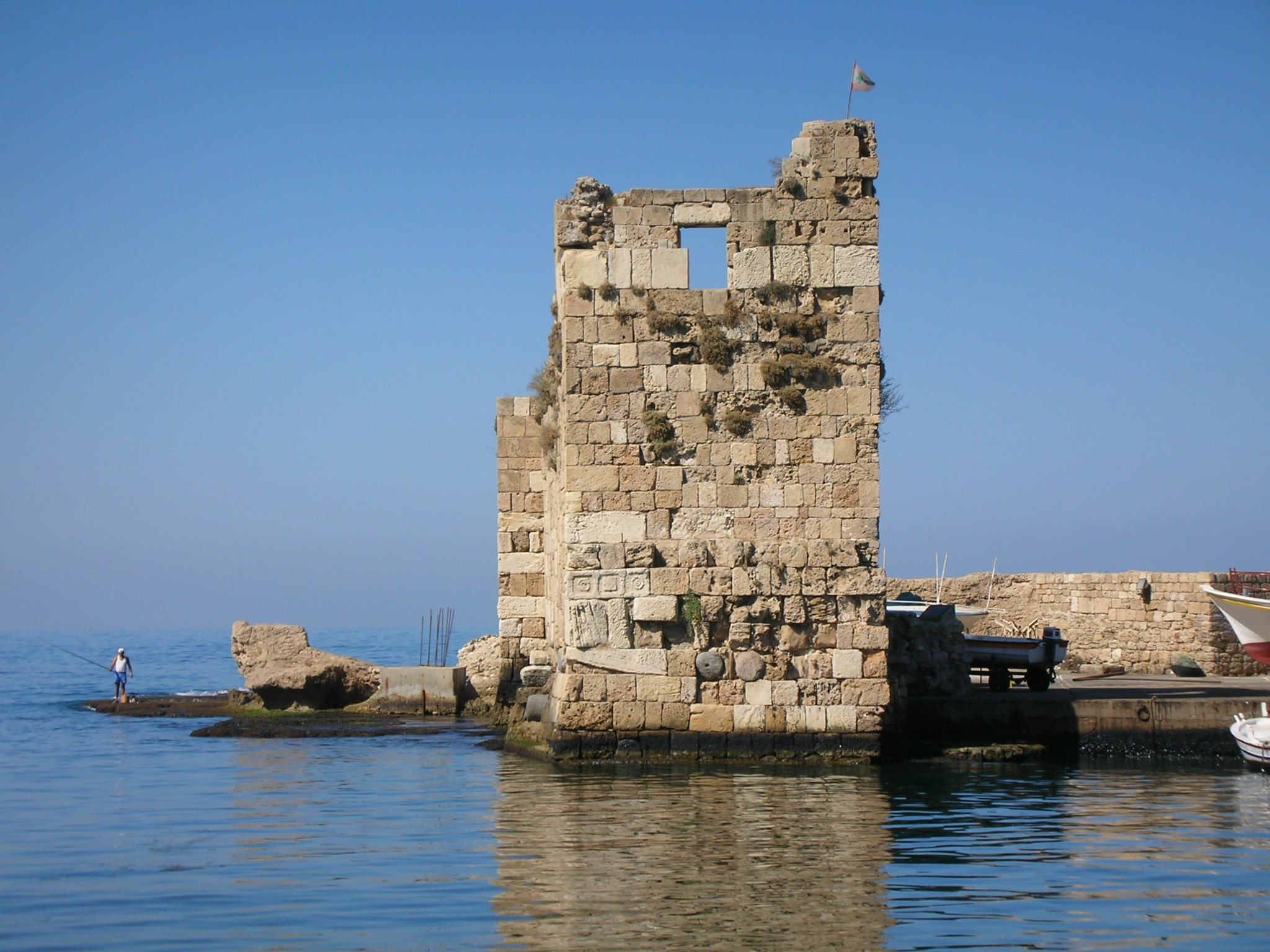
Byblos
Ancient city with layered historical strata
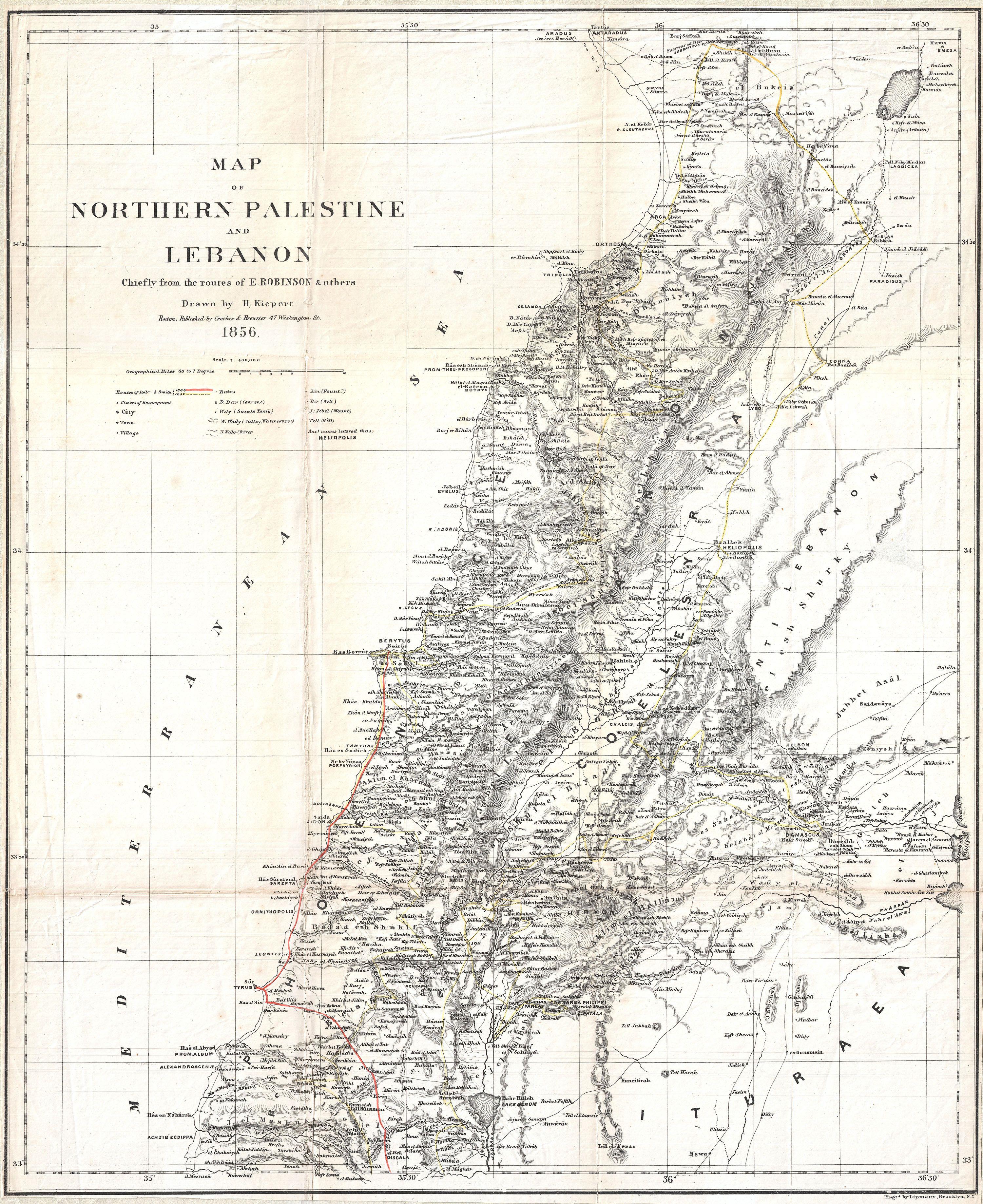
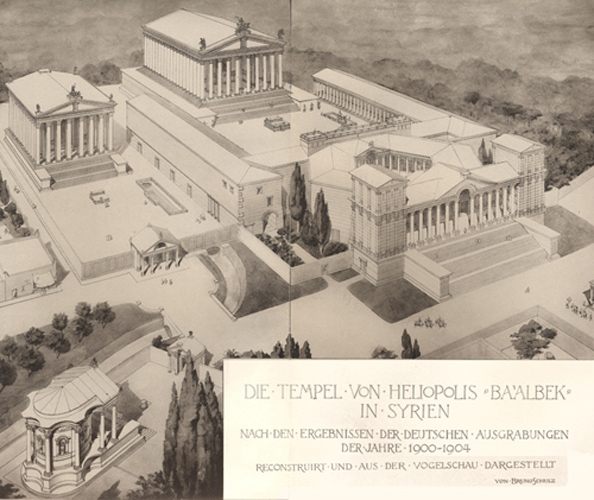
Baalbek
Ancient city with Roman temples and ruins
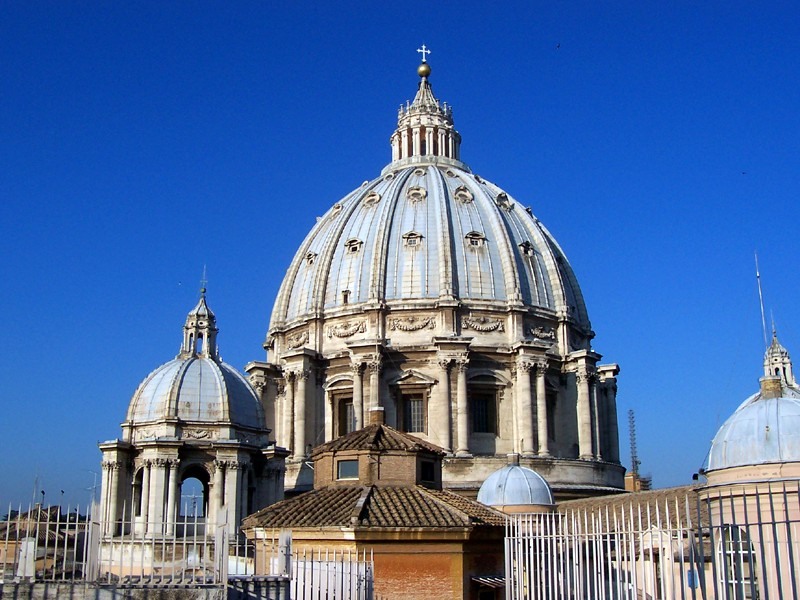
Toron
Oval Crusader castle on steep hill
Tyre, Lebanon
Ancient Phoenician city with harbor remains
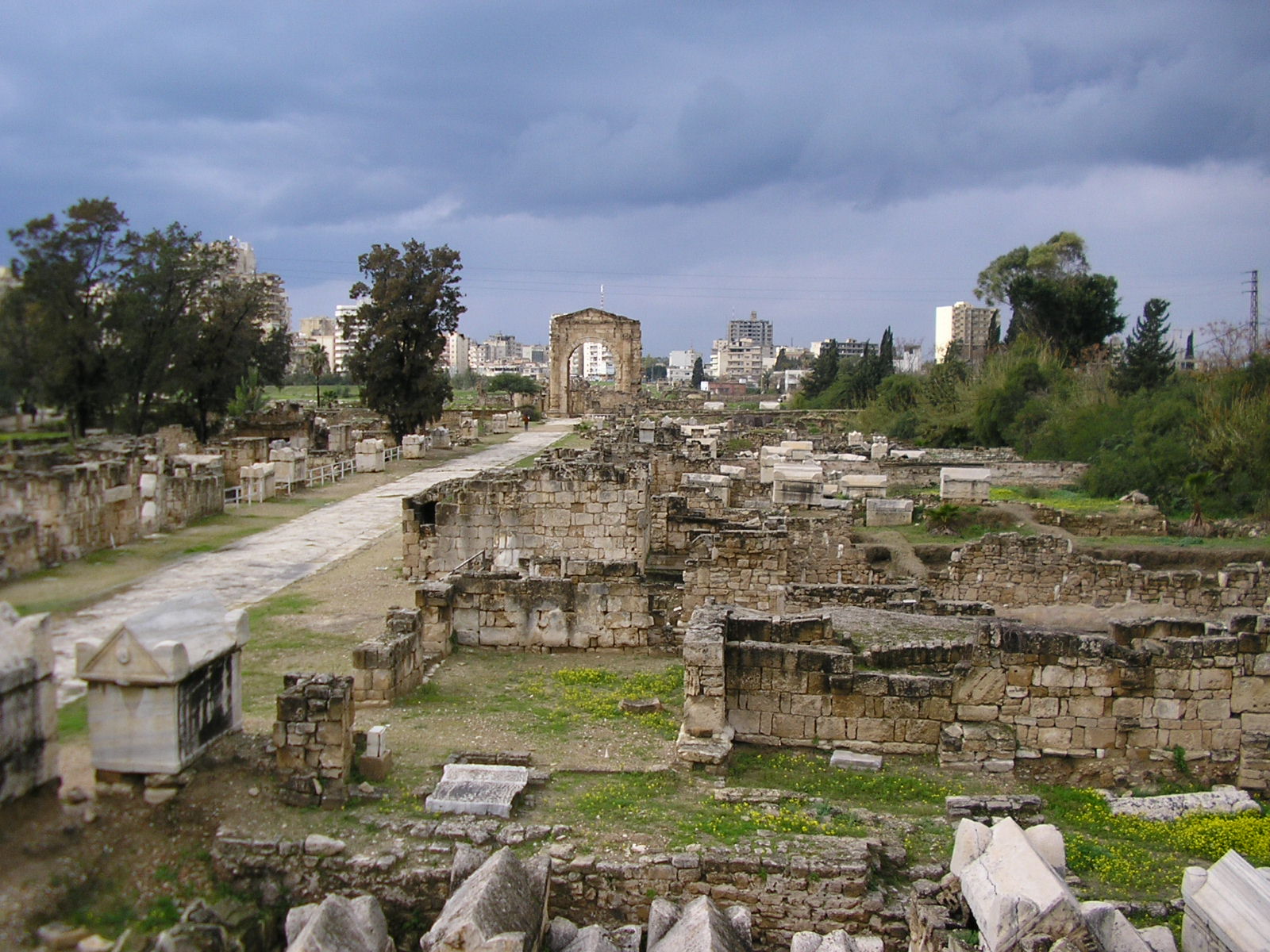
Tyre Necropolis
Ancient burial site with Roman and Phoenician relics