Time Periods
Paleolithic
Mesolithic
Neolithic
Chalcolithic
Bronze Age
Iron Age
Classical Period
Post-Classical Period
Early Modern Period
Industrial Period
Contemporary Period
Time Periods
Paleolithic
Mesolithic
Neolithic
Chalcolithic
Bronze Age
Iron Age
Classical Period
Post-Classical Period
Early Modern Period
Industrial Period
Contemporary Period
Location
About
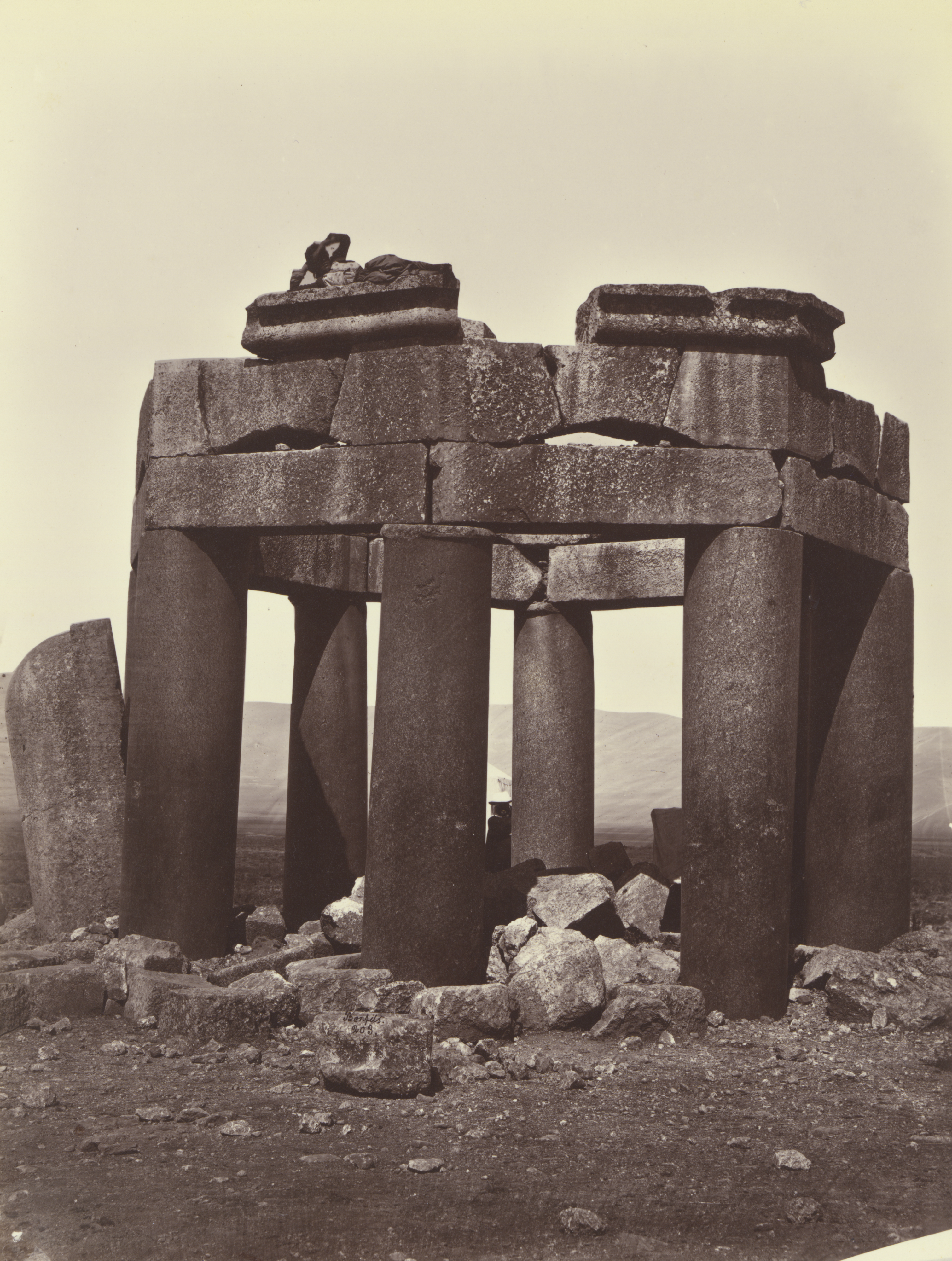
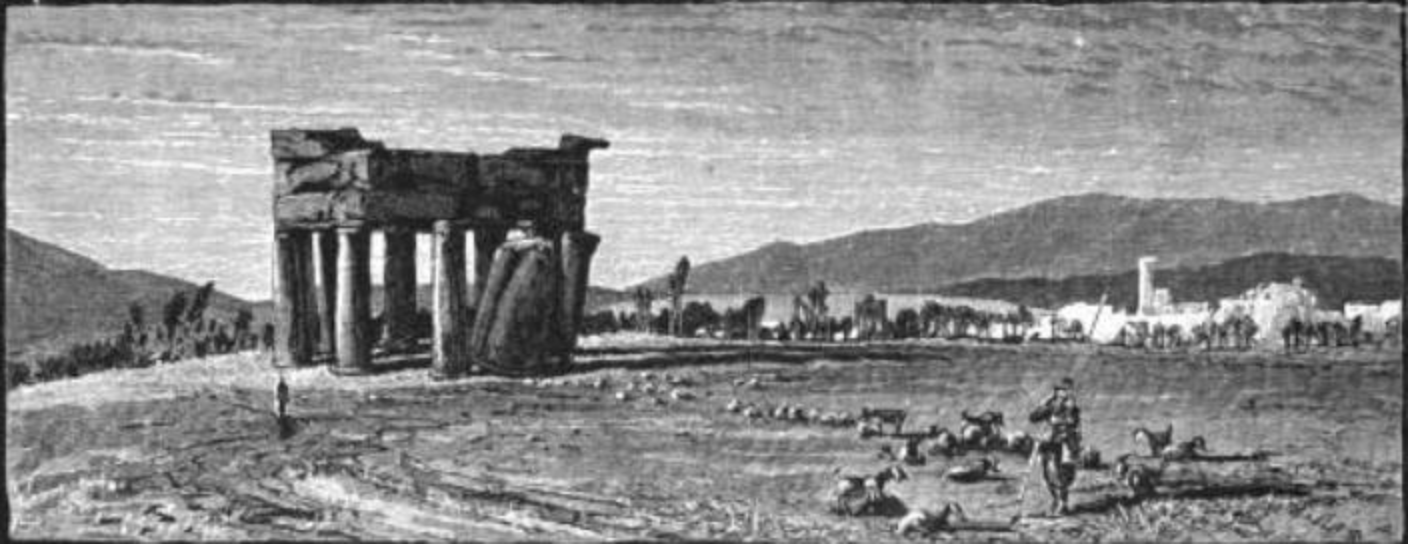
Duris, a village in the Bekaa Valley of Lebanon, is an archaeological site of significant historical interest. It features a necropolis from the Late Roman Imperial period, revealing insights into burial practices of that era. The site also boasts artifacts from the Shepherd Neolithic and Heavy Neolithic periods, indicating prolonged human activity and cultural transitions in the region. A notable Middle Bronze Age settlement existed at Tell Douris, with pottery findings suggesting connections with inland Syria and the south. The village is also home to Qubbat Duris, a 13th-century Muslim shrine, illustrating the area's rich medieval heritage. This blend of Neolithic, Bronze Age, Roman, and medieval remains makes Duris an invaluable site for understanding the evolution of human habitation and religious practices in Lebanon.
Gallery
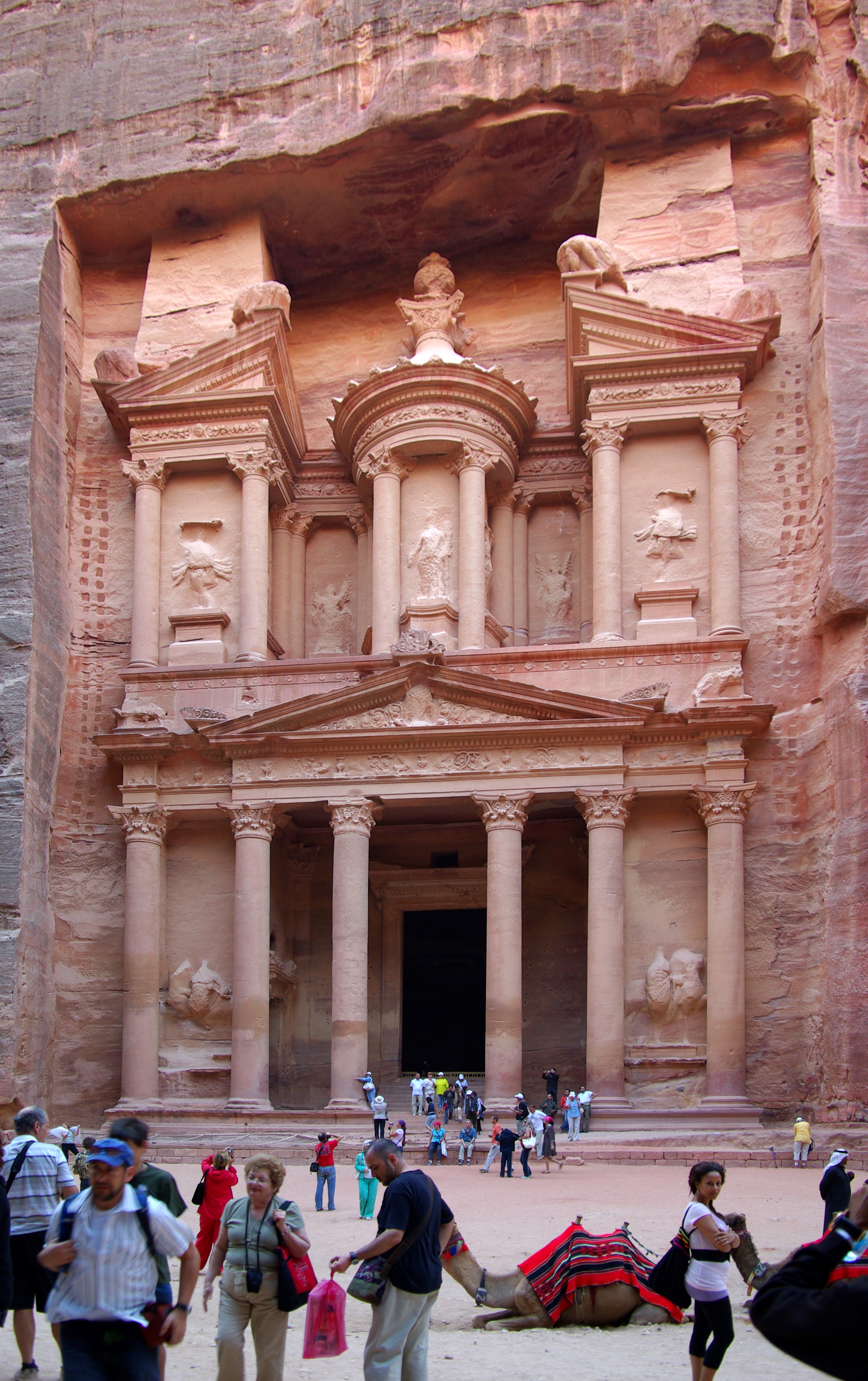
Explore photographs of ancient structures, artifacts, and archaeological excavations at Duris, Lebanon
Archaeological Features
Explore the unique architectural and cultural elements found at this historical site
Burial and Funerary Structures
Religious and Ritual Structures
Agricultural and Land Use Features
Historical Timeline
Journey through time and discover key events in this site's archaeological history
Plan Your Visit
Details
- Country
- Lebanon
- Source
- Wikipedia
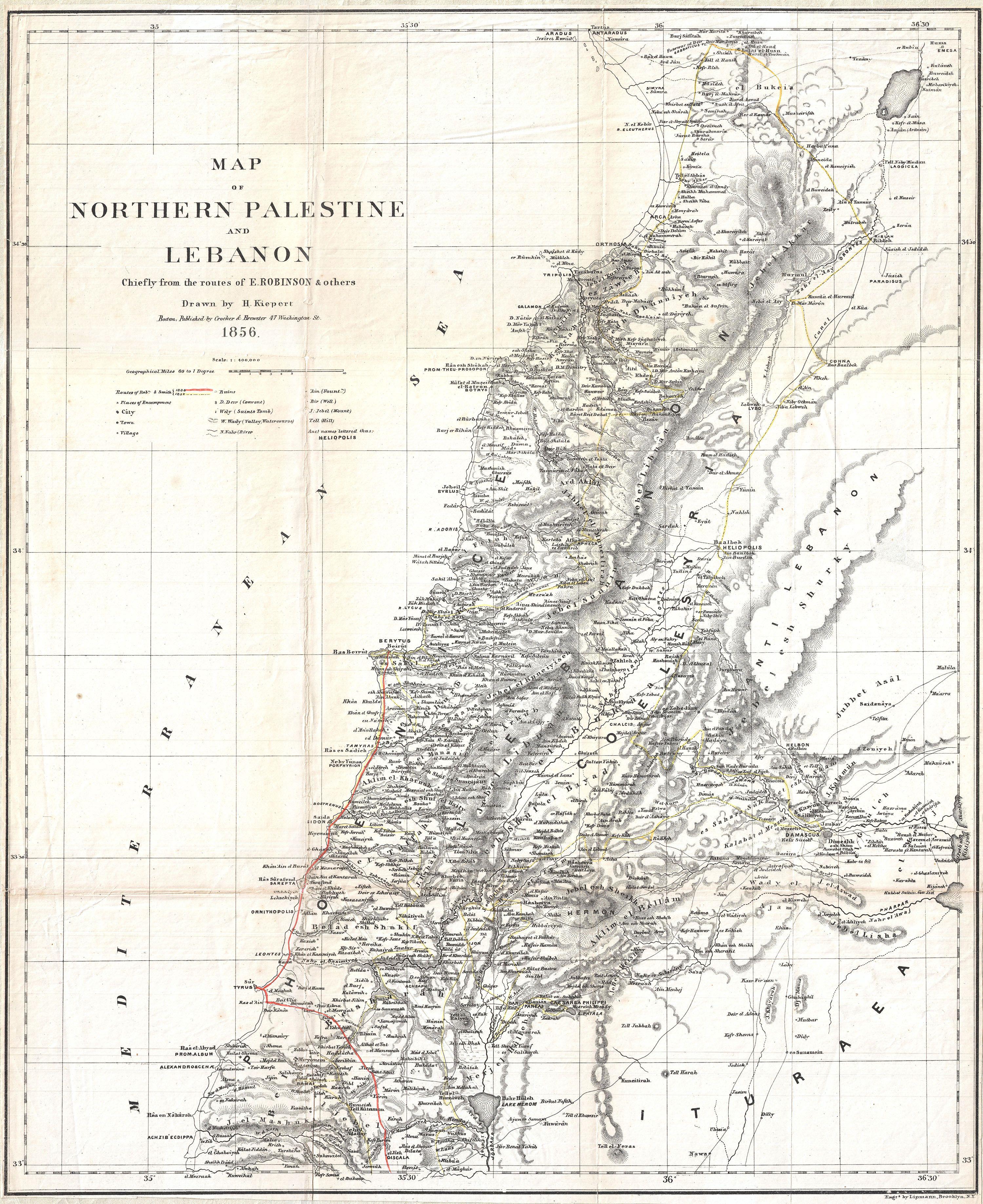
More Sites in Lebanon
Baalbek
Ancient city with Roman temples and ruins
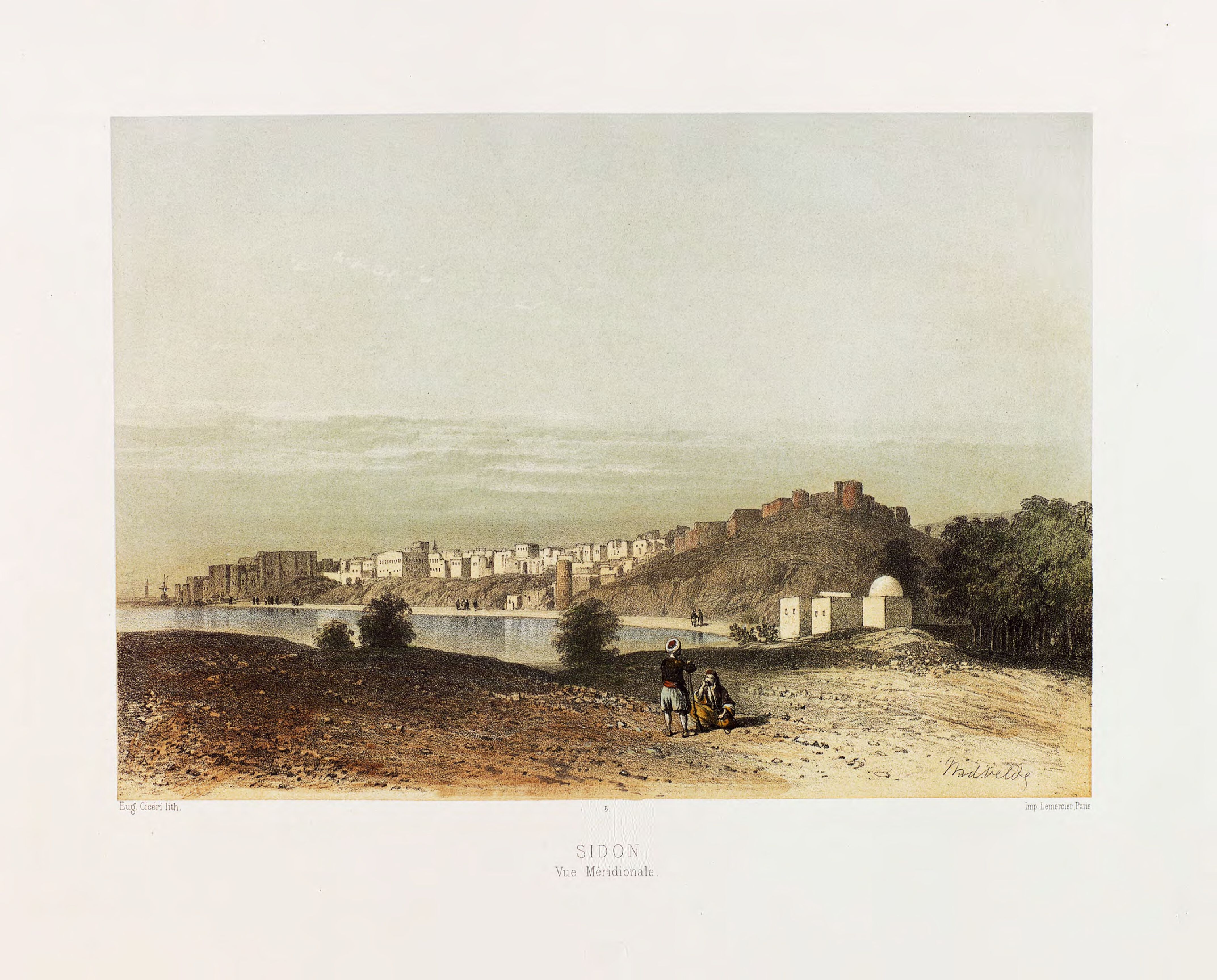
Sidon
Ancient Phoenician city with rich history
Sarepta
Phoenician city with diverse archaeological finds
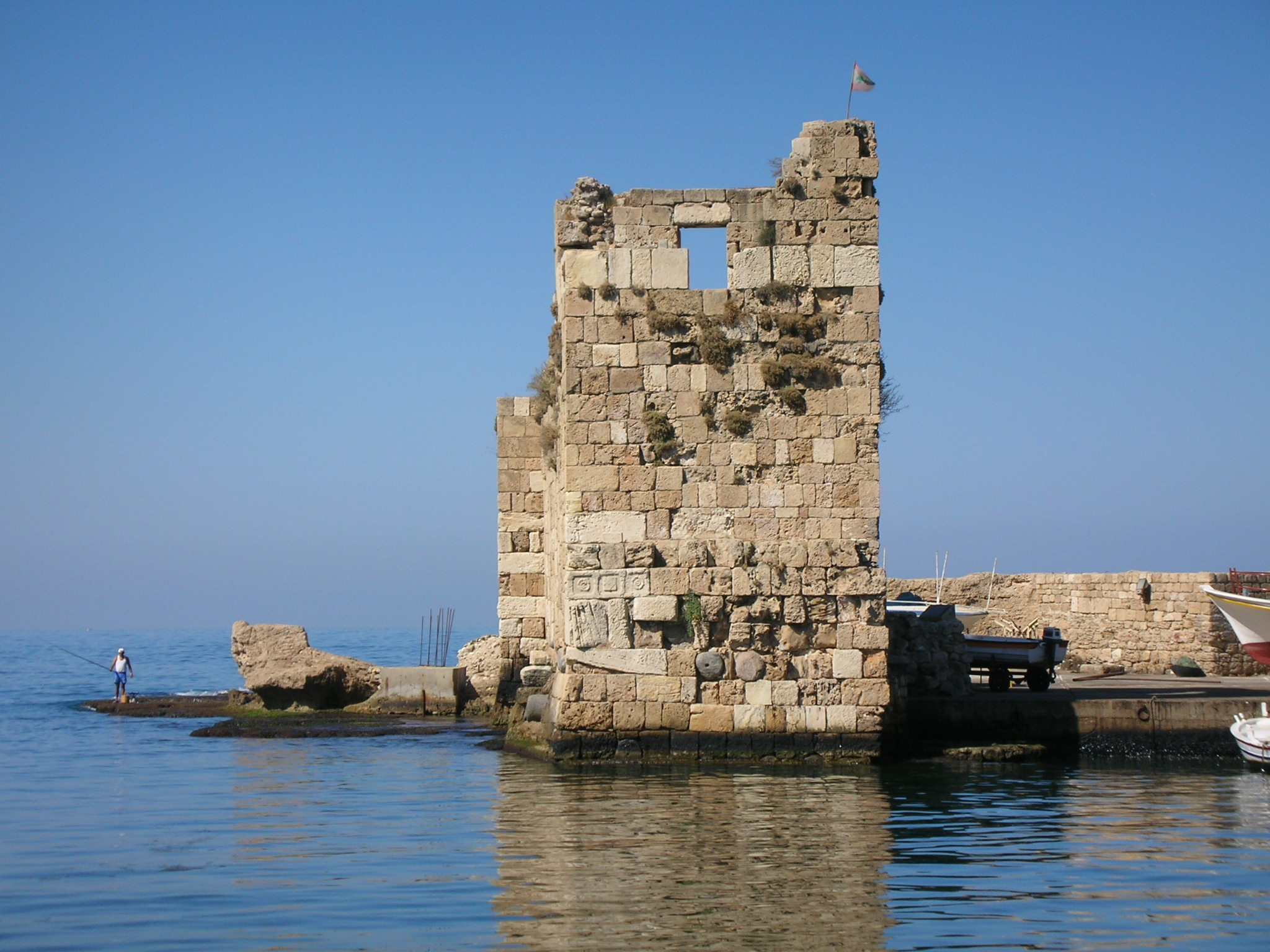
Byblos
Ancient city with layered historical strata
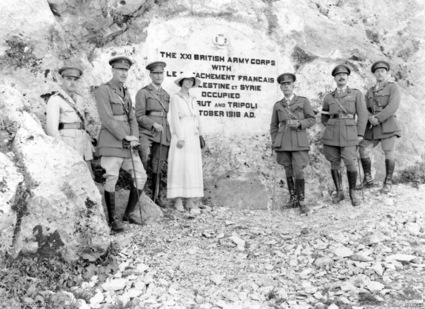
Stelae of Nahr el-Kalb
Rock reliefs and inscriptions near Beirut, Lebanon
Arqa
Iron Age city-state with Neolithic origins