Time Periods
Paleolithic
Mesolithic
Neolithic
Chalcolithic
Bronze Age
Iron Age
Classical Period
Post-Classical Period
Early Modern Period
Industrial Period
Contemporary Period
Time Periods
Paleolithic
Mesolithic
Neolithic
Chalcolithic
Bronze Age
Iron Age
Classical Period
Post-Classical Period
Early Modern Period
Industrial Period
Contemporary Period
Location
About
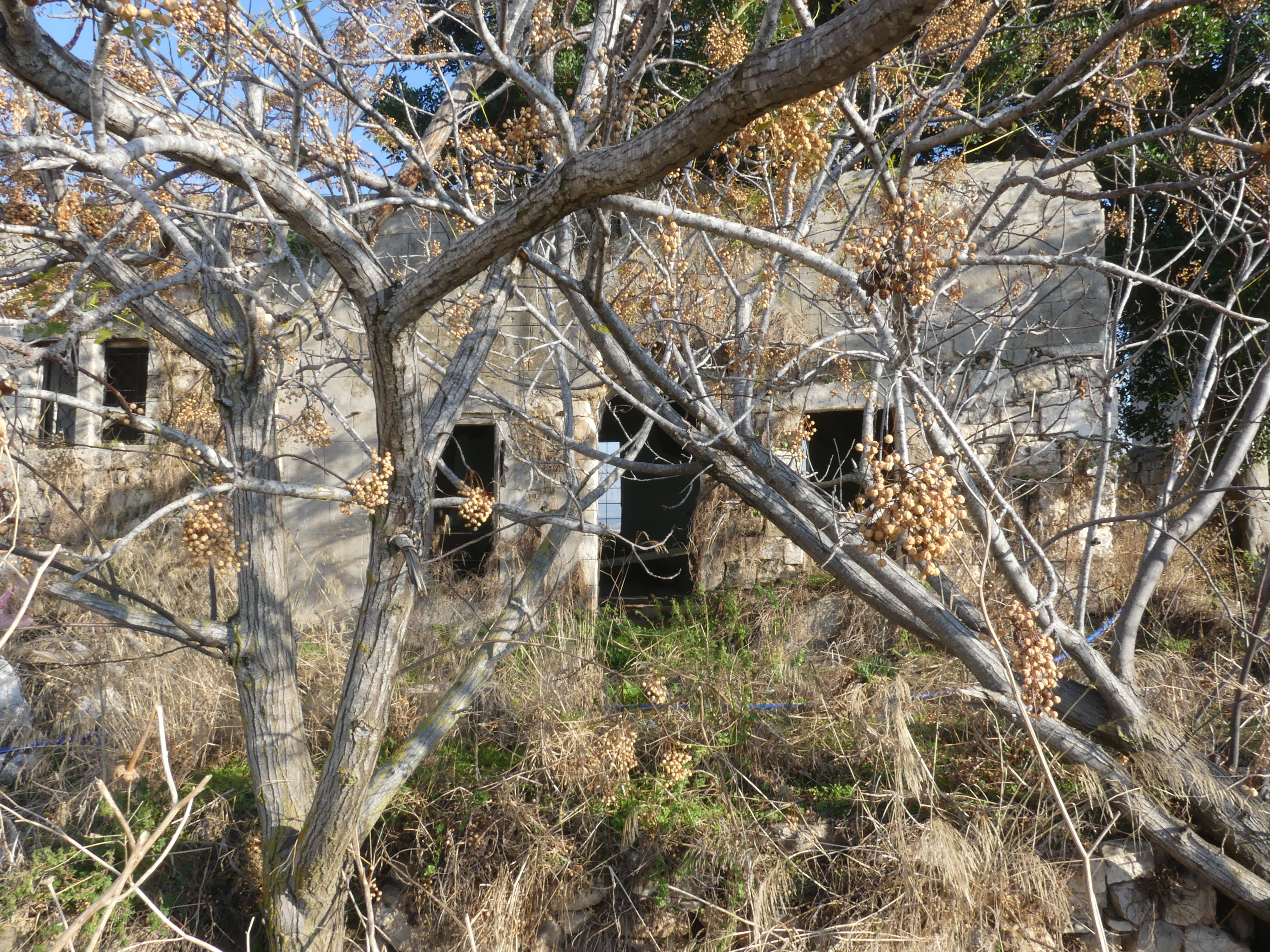
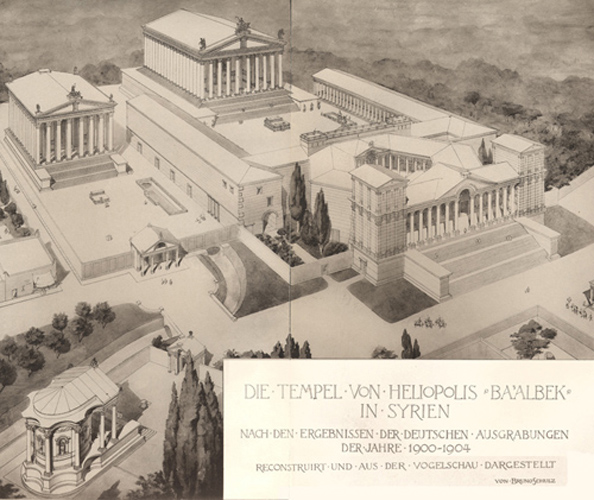
Kafr Zabad, a village in Lebanon, is a significant archaeological site due to its ancient Roman heritage. The village is well-known for its proximity to two Roman antae temples, which George F. Taylor identified as part of the Beqaa Valley temple group. Although much of the temple structures have been destroyed, the foundations, and fragments of cella walls and pediments remain visible. Notable features include a relief of the Roman goddess Venus carved into a rock near the lower temple. The region also hosts a Roman sanctuary, likely dedicated to Mercury, accompanied by ancient quarries and shaft tombs from the Roman period. These archaeological elements underscore Kafr Zabad's historical importance and its role as a religious and cultural site during the Roman era.
Gallery
Explore photographs of ancient structures, artifacts, and archaeological excavations at Kafr Zabad
Archaeological Features
Explore the unique architectural and cultural elements found at this historical site
Burial and Funerary Structures
Religious and Ritual Structures
Artistic and Decorative Features
Domestic and Habitation Structures
Historical Timeline
Journey through time and discover key events in this site's archaeological history
Plan Your Visit
Details
- Country
- Lebanon
- Source
- Wikipedia