
Time Periods
Paleolithic
Mesolithic
Neolithic
Chalcolithic
Bronze Age
Iron Age
Classical Period
Post-Classical Period
Early Modern Period
Industrial Period
Contemporary Period
Time Periods
Paleolithic
Mesolithic
Neolithic
Chalcolithic
Bronze Age
Iron Age
Classical Period
Post-Classical Period
Early Modern Period
Industrial Period
Contemporary Period
Location
About
Libbaya is a small village located in the Beka'a Valley of Lebanon, known for its proximity to a Roman temple, historically referred to as Ain Libbaya. This temple is part of a broader collection of Temples of Mount Hermon, classified by George Taylor. The temple's construction dates back to the Late Classical Period, specifically between 0 CE and 500 CE. The presence of this religious structure highlights the Roman influence in the region during this time. The village's historical significance is further noted by its mention in 1838 by Eli Smith, who recorded the population as being predominantly Metawileh. The archaeological importance of Libbaya lies in its role as a site of religious activity during the Roman era, contributing to our understanding of cultural and religious practices in ancient Lebanon.
Gallery
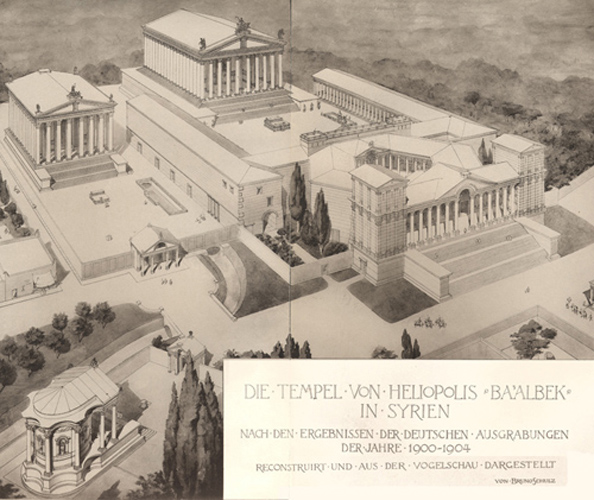
Explore photographs of ancient structures, artifacts, and archaeological excavations at Libbaya
Archaeological Features
Explore the unique architectural and cultural elements found at this historical site
Religious and Ritual Structures
Historical Timeline
Journey through time and discover key events in this site's archaeological history
Plan Your Visit
Details
- Country
- Lebanon
- Source
- Wikipedia
More Sites in Lebanon
Karak Nuh
Village with historical tomb and Roman inscription.
Arqa
Iron Age city-state with Neolithic origins
Kafr Zabad
Roman-era village with ancient temples remains.
Rmeileh
Ancient settlement with caves and ruins.
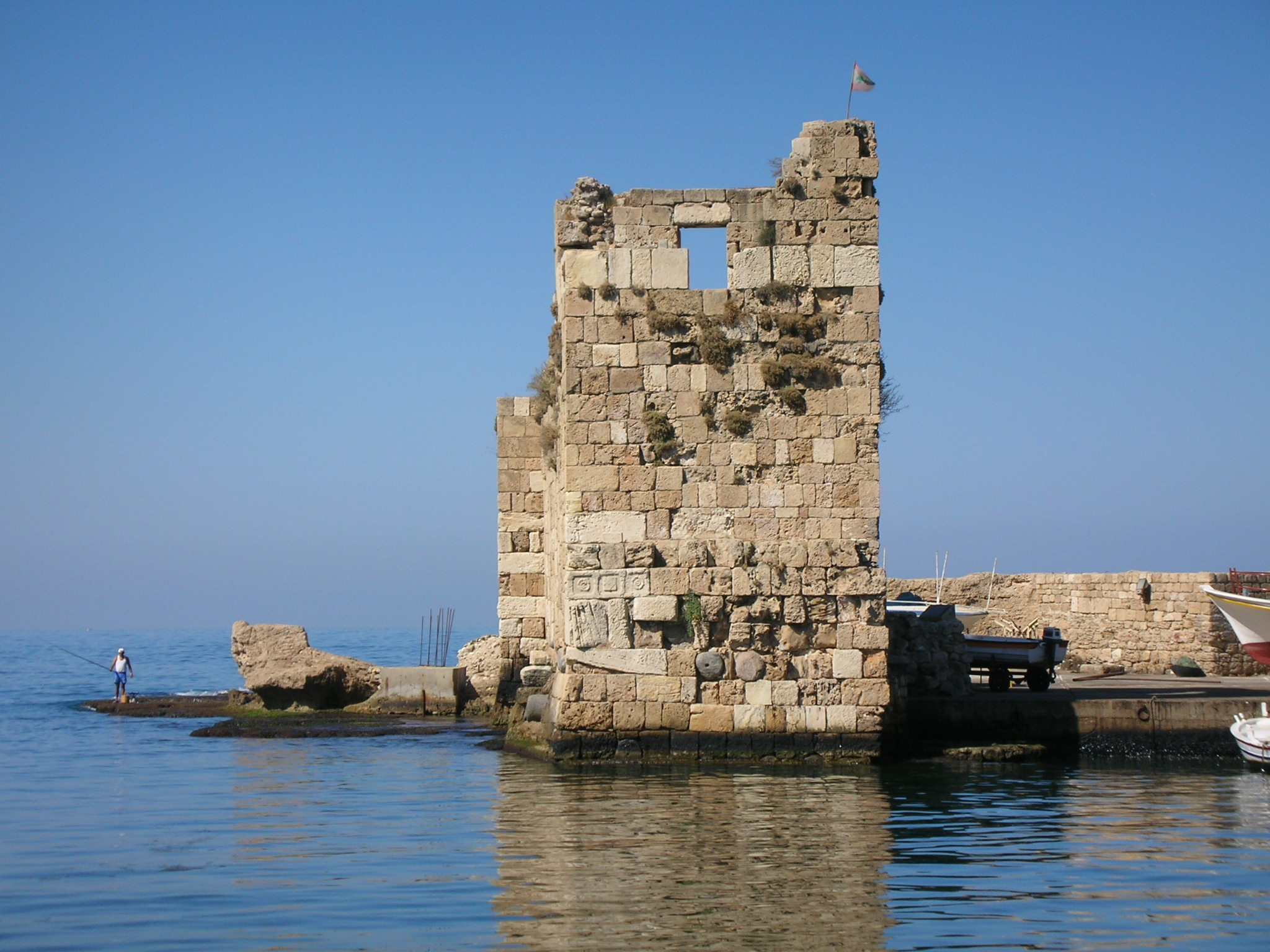
Byblos
Ancient city with layered historical strata
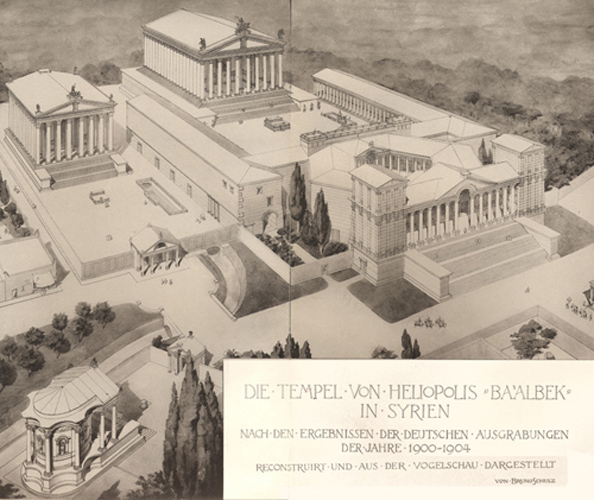
Amioun
Ancient hill town with Roman temples.