Explore the Map
Kamouh el Hermel
34.3643° N, 36.4158° E
About
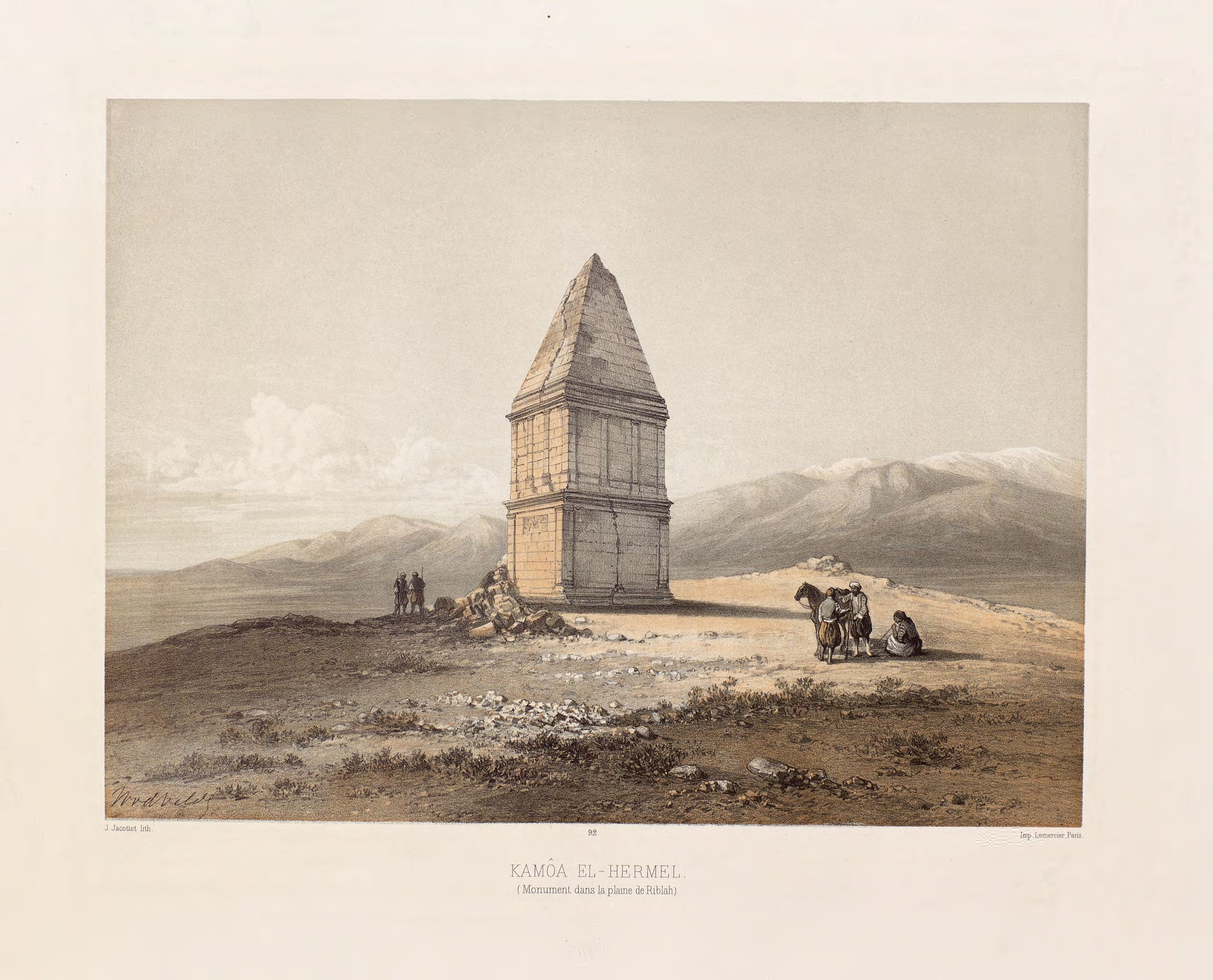
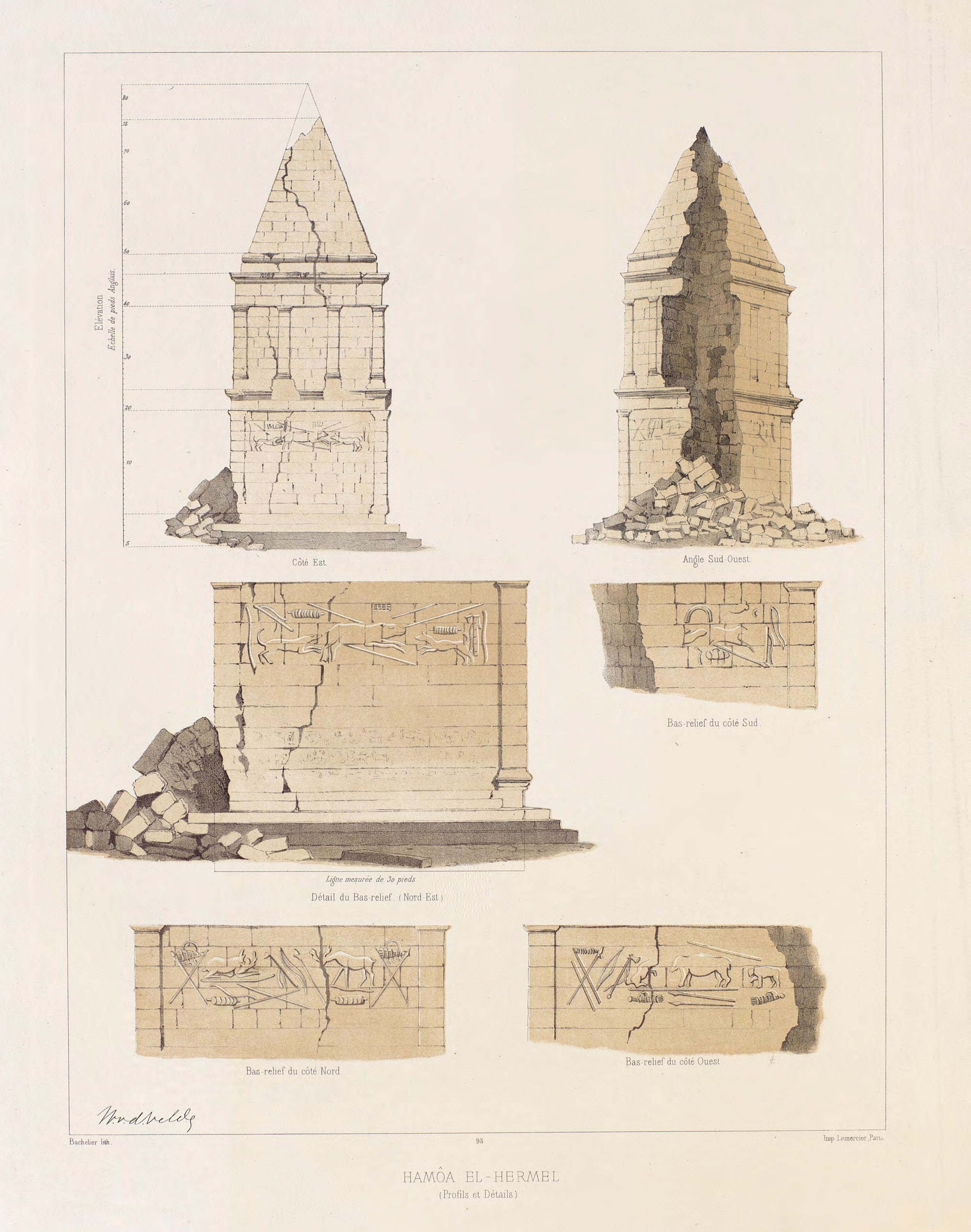
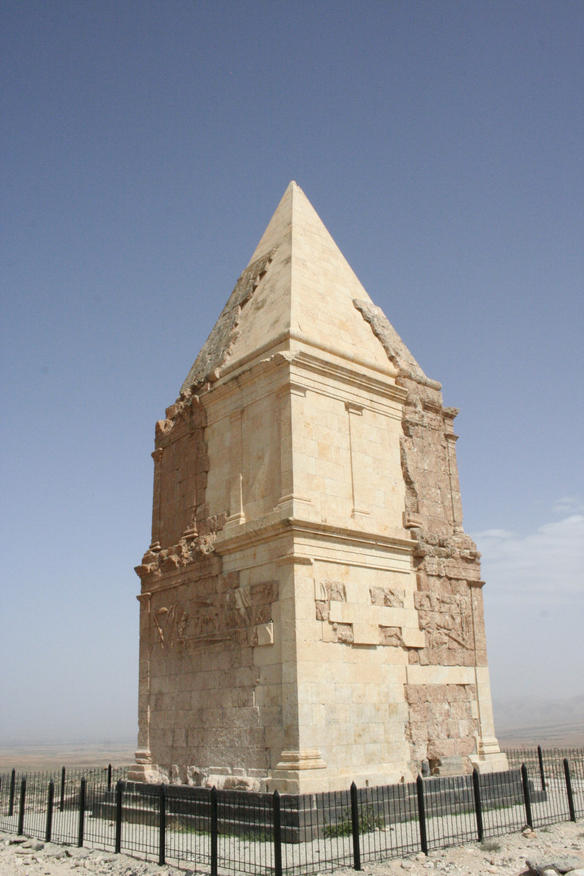
Kamouh el Hermel, also known as the Pyramid of Hermel, is a significant archaeological site located in the Baalbek-Hermel Governorate of Lebanon. The monument is a pyramid that stands prominently on a hill, making it visible from afar. It features a base of black basalt and massive limestone blocks, topped by a smaller pyramid. The monument also includes artistic reliefs depicting hunting scenes, such as deer, boar, bear, and wolves, which suggest it may have served as a monument to royal hunting prowess in ancient Syria. The pyramid's design and construction are attributed to the late Seleucid era, approximately the 1st century BCE. Additionally, the surrounding area is notable for evidence of a Shepherd Neolithic site, where flint tools were discovered, indicating human activity dating back to the Neolithic period.
Gallery
Explore photographs of ancient structures, artifacts, and archaeological excavations
Historical Timeline
Journey through time and discover key events in this site's history
Construct Pyramid
100 BCE
Archaeological Features
Unique architectural and cultural elements found at this historical site
Burial and Funerary Structures
Artistic and Decorative Features
Environmental and Natural Features
Frequently Asked Questions
Plan Your Visit
Tours, travel arrangements, and practical information
More Sites in Lebanon
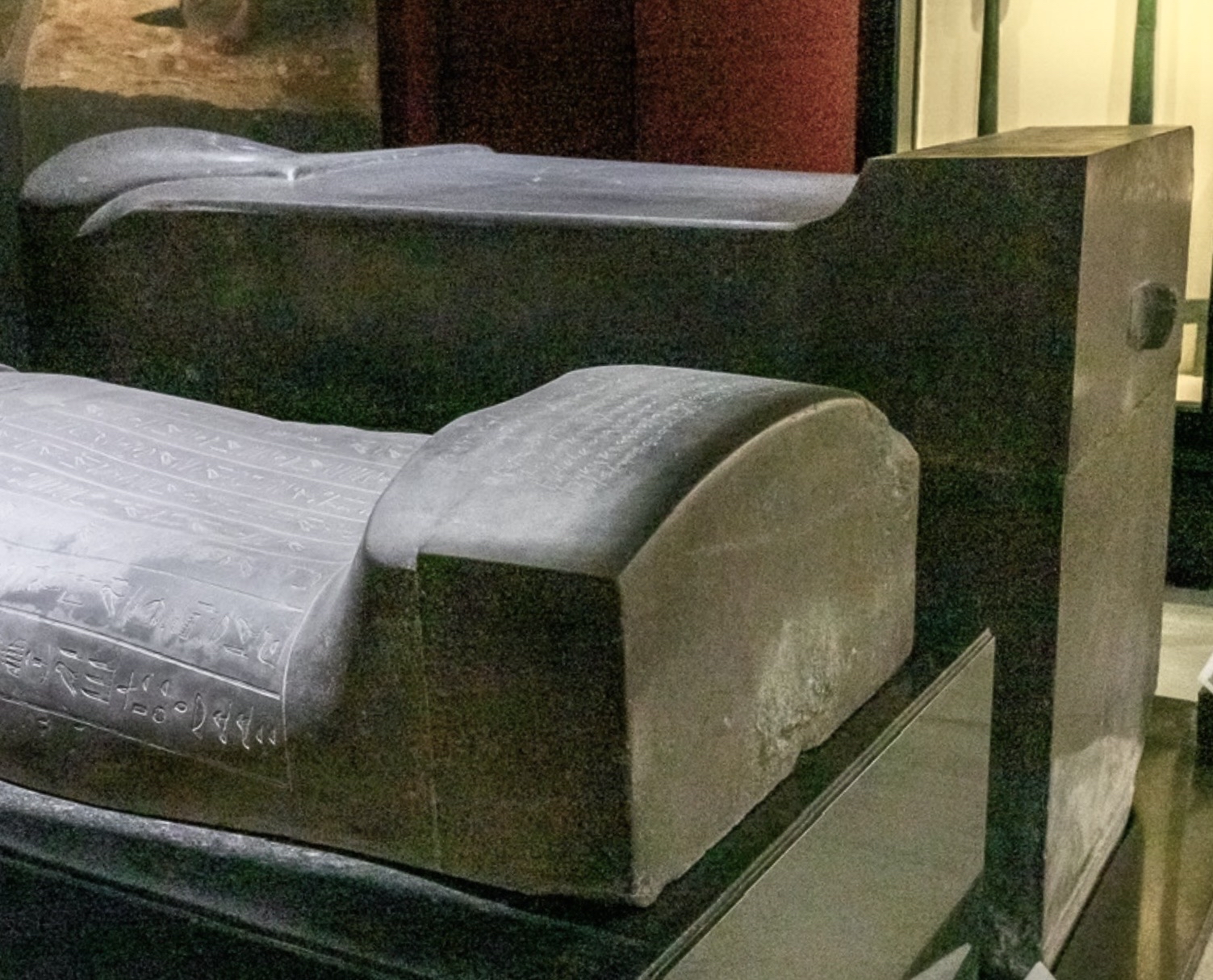
Royal necropolis of Ayaa
Subterranean necropolis with diverse sarcophagi styles.
Temple of Eshmun
Phoenician healing temple with Greco-Persian influence
Tyre, Lebanon
Ancient Phoenician city with harbor remains
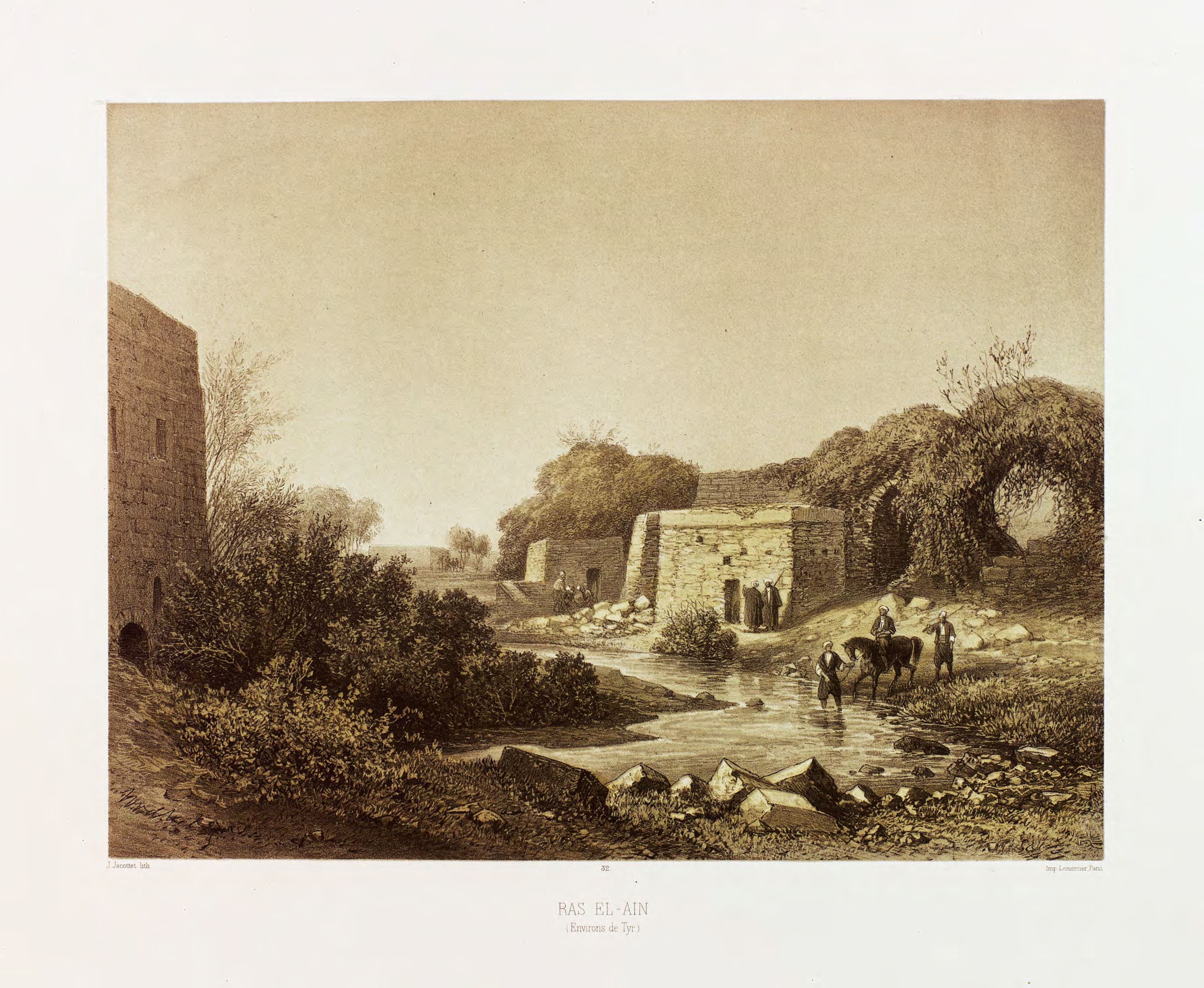
Ras al-Ain, Lebanon
Ancient fountains, reservoirs, and Roman aqueducts
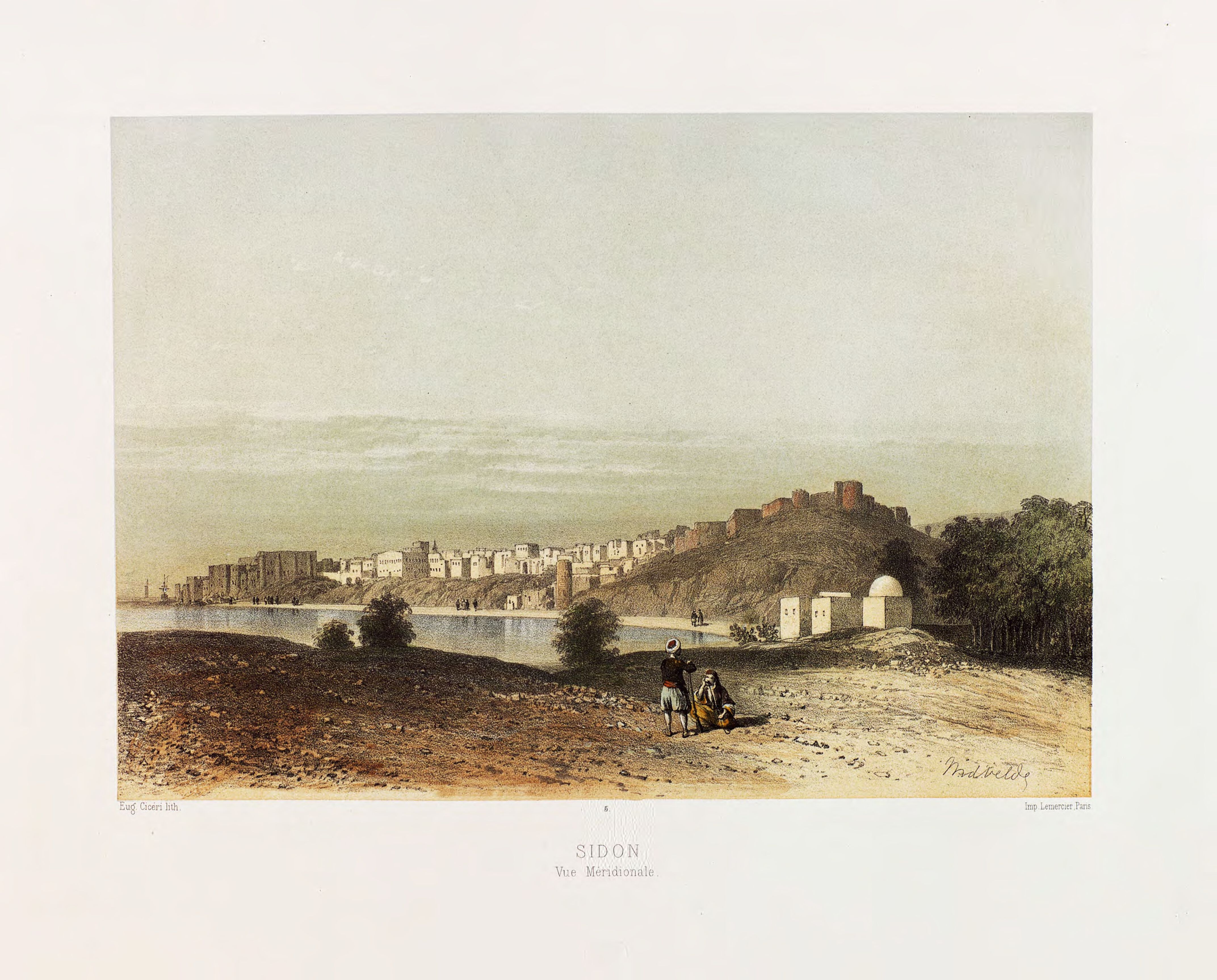
Sidon
Ancient Phoenician city with rich history
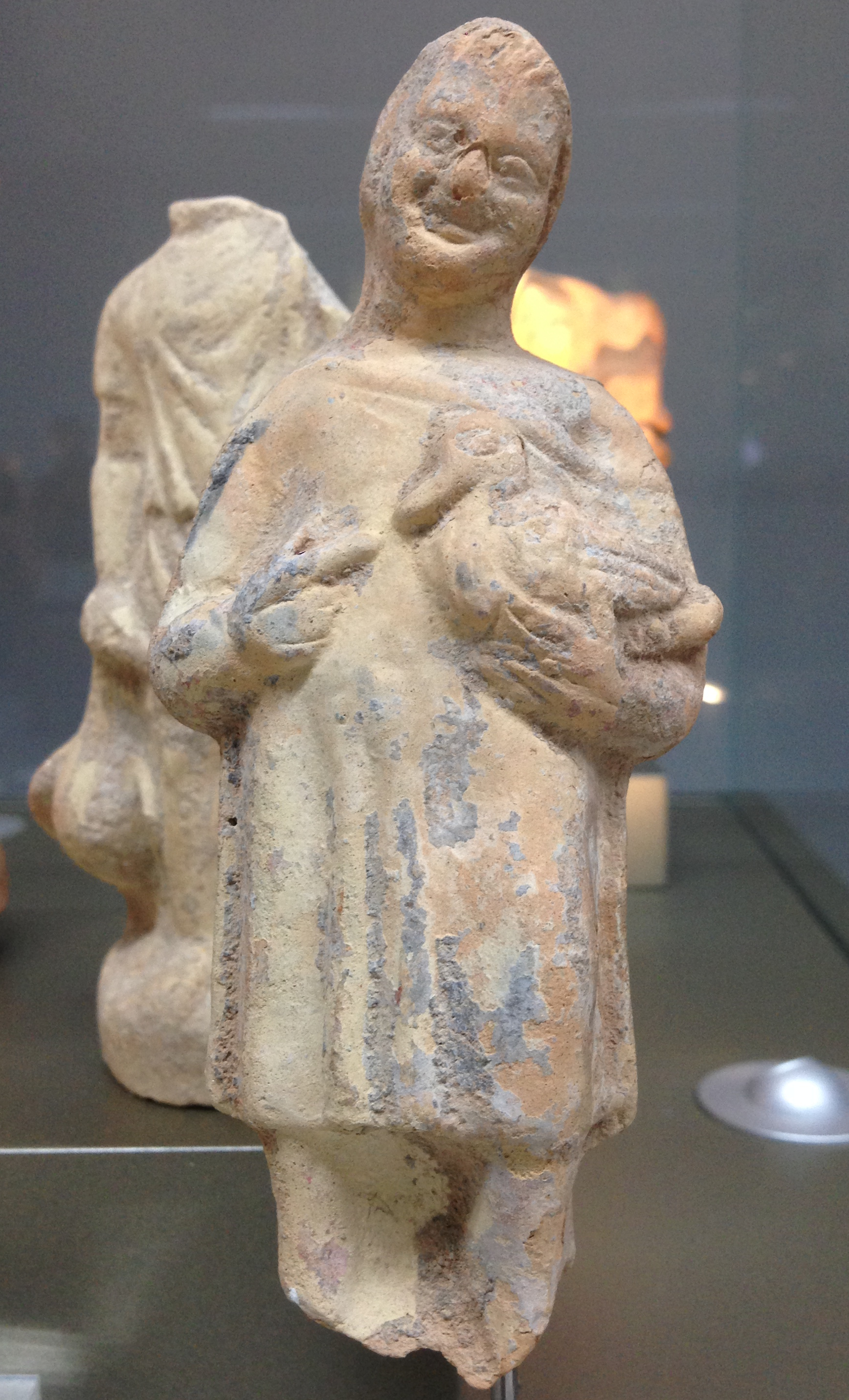
Phoenician sanctuary of Kharayeb
Hellenistic temple with terracotta figurines