
Time Periods
Paleolithic
Mesolithic
Neolithic
Chalcolithic
Bronze Age
Iron Age
Classical Period
Post-Classical Period
Early Modern Period
Industrial Period
Contemporary Period
Time Periods
Paleolithic
Mesolithic
Neolithic
Chalcolithic
Bronze Age
Iron Age
Classical Period
Post-Classical Period
Early Modern Period
Industrial Period
Contemporary Period
Location
About
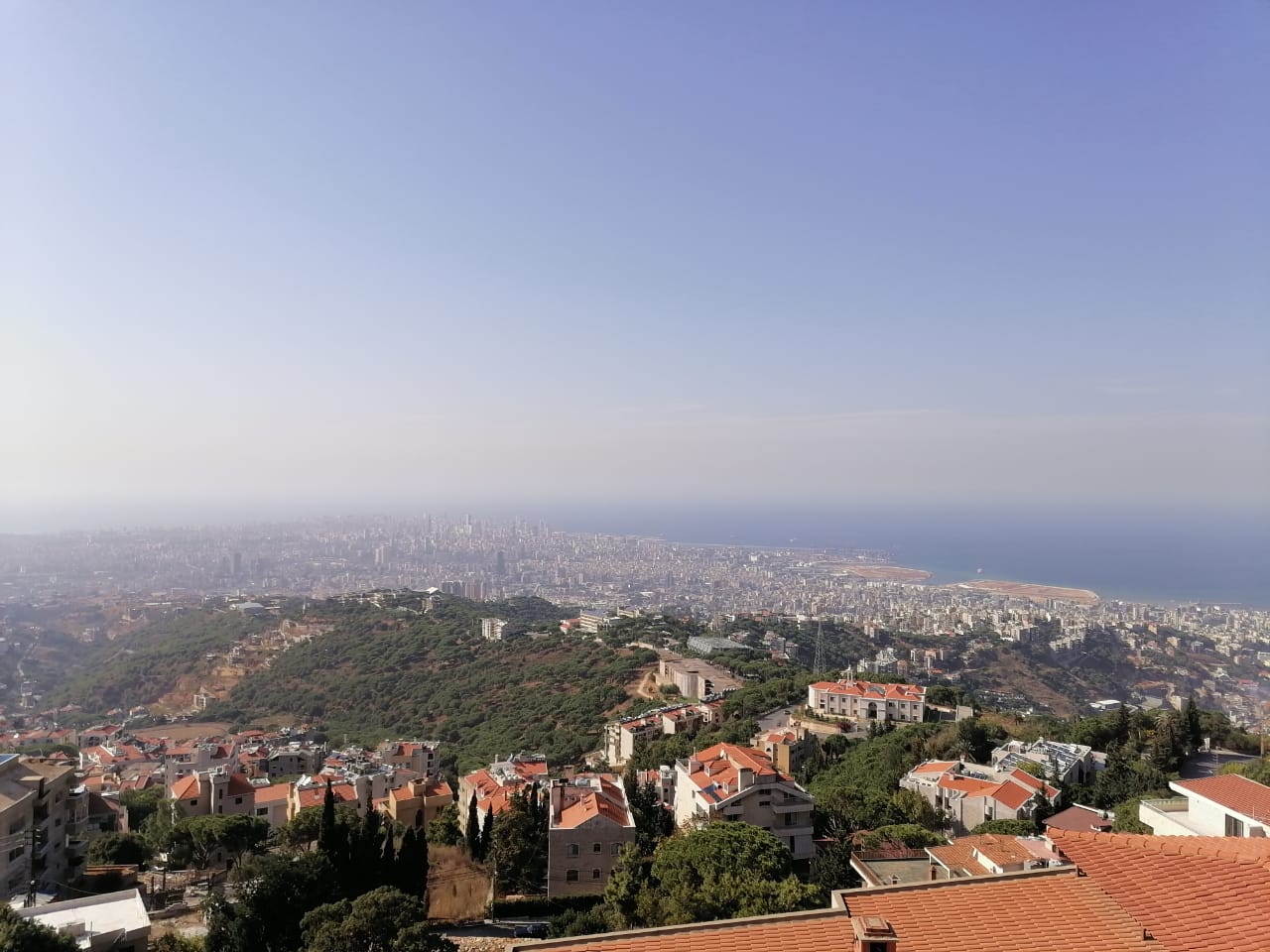
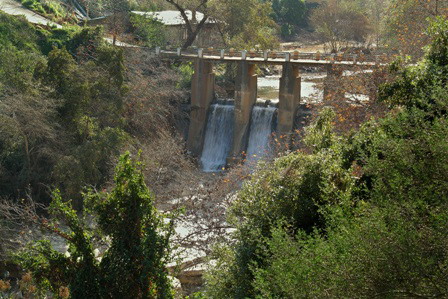
Mansourieh, a town in the Mount Lebanon Governorate, is notable for its Roman archaeological remains, particularly a well-preserved aqueduct built during the reign of the Roman emperor Aurelian in 273 CE. This aqueduct was crucial in supplying water to the growing city of Beirut, sourced from a spring located along the Beirut River. The structure, known as 'Qanater es-Sett Zubaida', consists of a series of arches, some of which remain on the river's sides. The aqueduct's construction highlights the advanced engineering capabilities of Roman architects in water management and infrastructure. The aqueduct also served as a way station for Roman military activities in Lebanon, further underlining its strategic importance.
Gallery
Explore photographs of ancient structures, artifacts, and archaeological excavations at Mansourieh, Lebanon
Archaeological Features
Explore the unique architectural and cultural elements found at this historical site
Water Management Features
Transportation and Communication Structures
Historical Timeline
Journey through time and discover key events in this site's archaeological history
Plan Your Visit
Details
- Country
- Lebanon
- Source
- Wikipedia
More Sites in Lebanon
Rmeileh
Ancient settlement with caves and ruins.
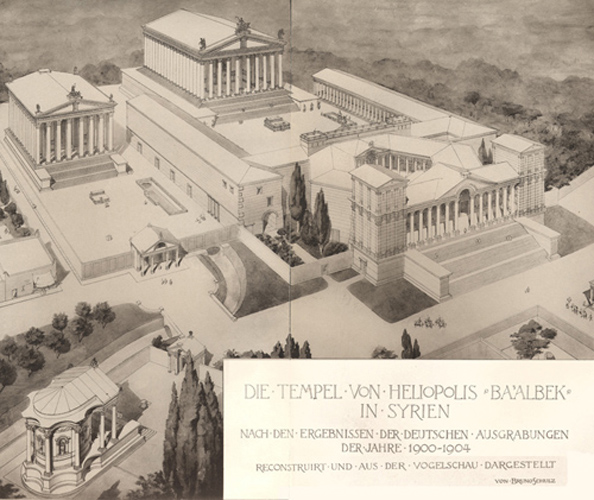
Aaqbe
Antae Roman temple with rugged design
Chamaa
Historical castle on strategic hill.
Arqa
Iron Age city-state with Neolithic origins
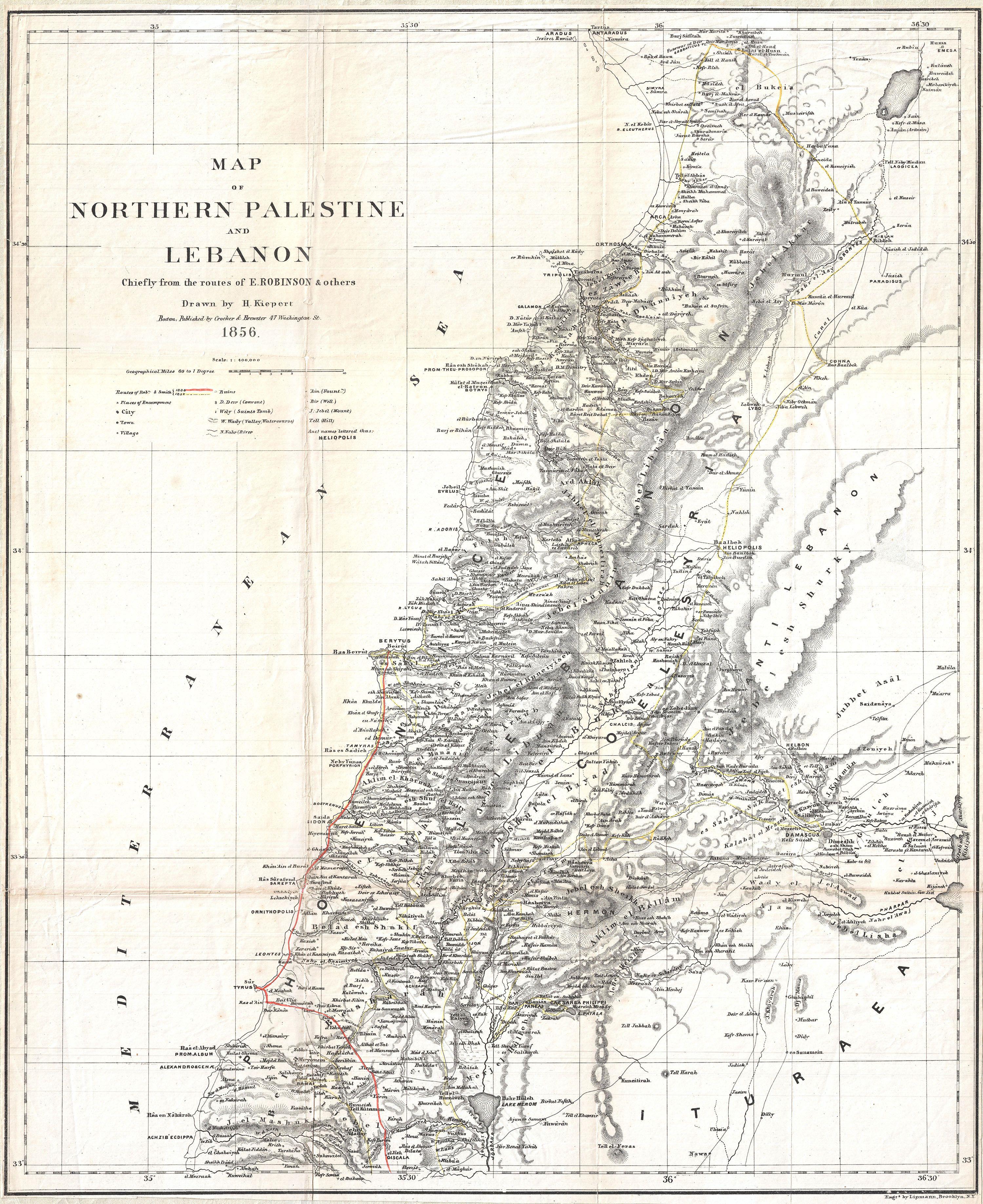
Baalbek
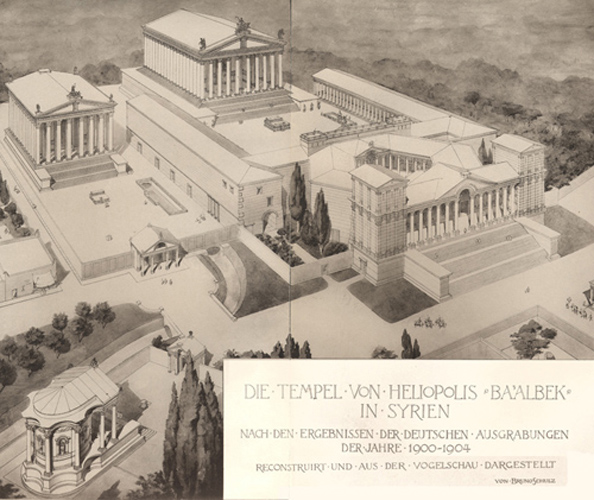
Ancient city with Roman temples and ruins
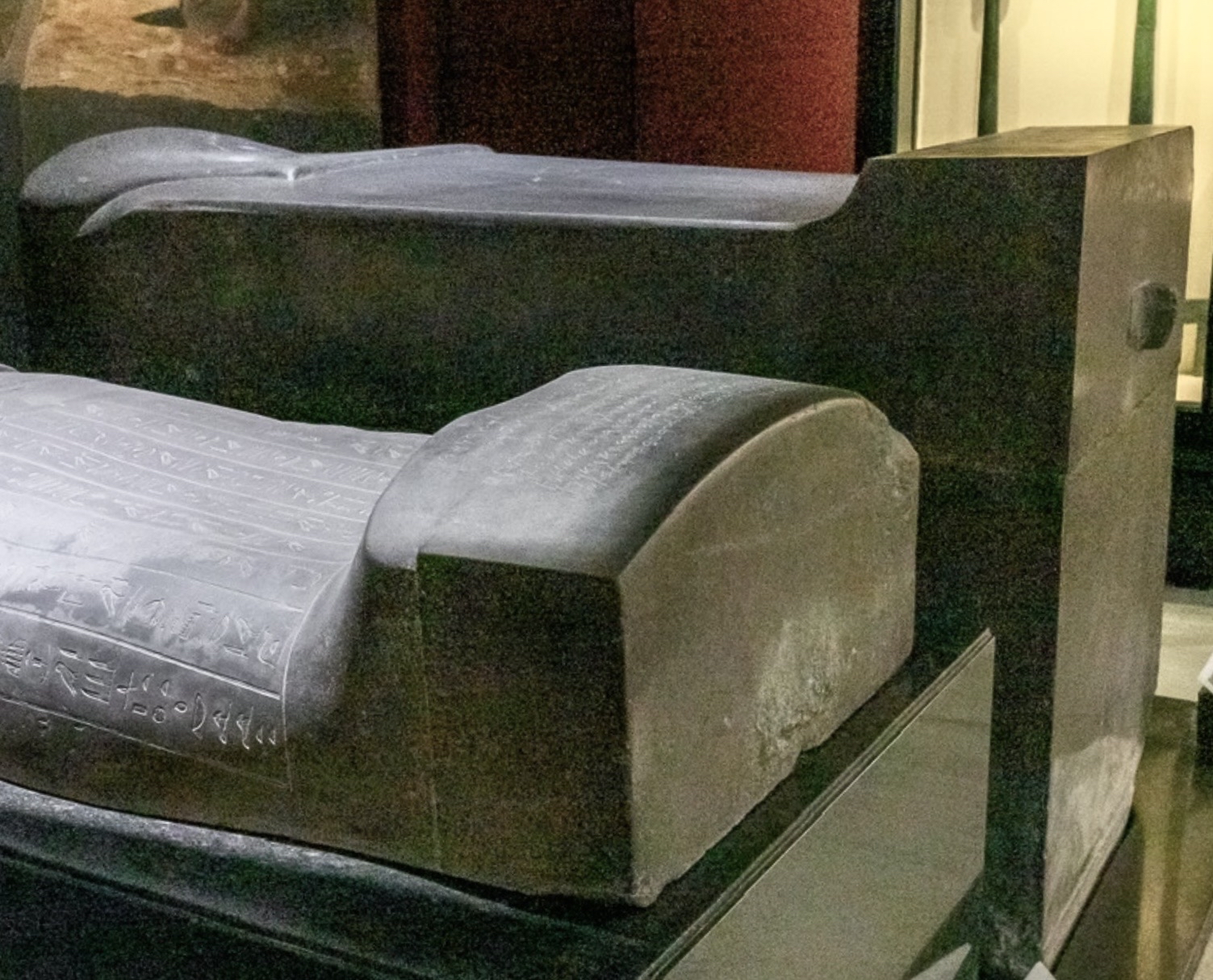
Royal necropolis of Ayaa
Subterranean necropolis with diverse sarcophagi styles.