Explore the Map
Phoenician sanctuary of Kharayeb
33.3459° N, 35.2815° E
About
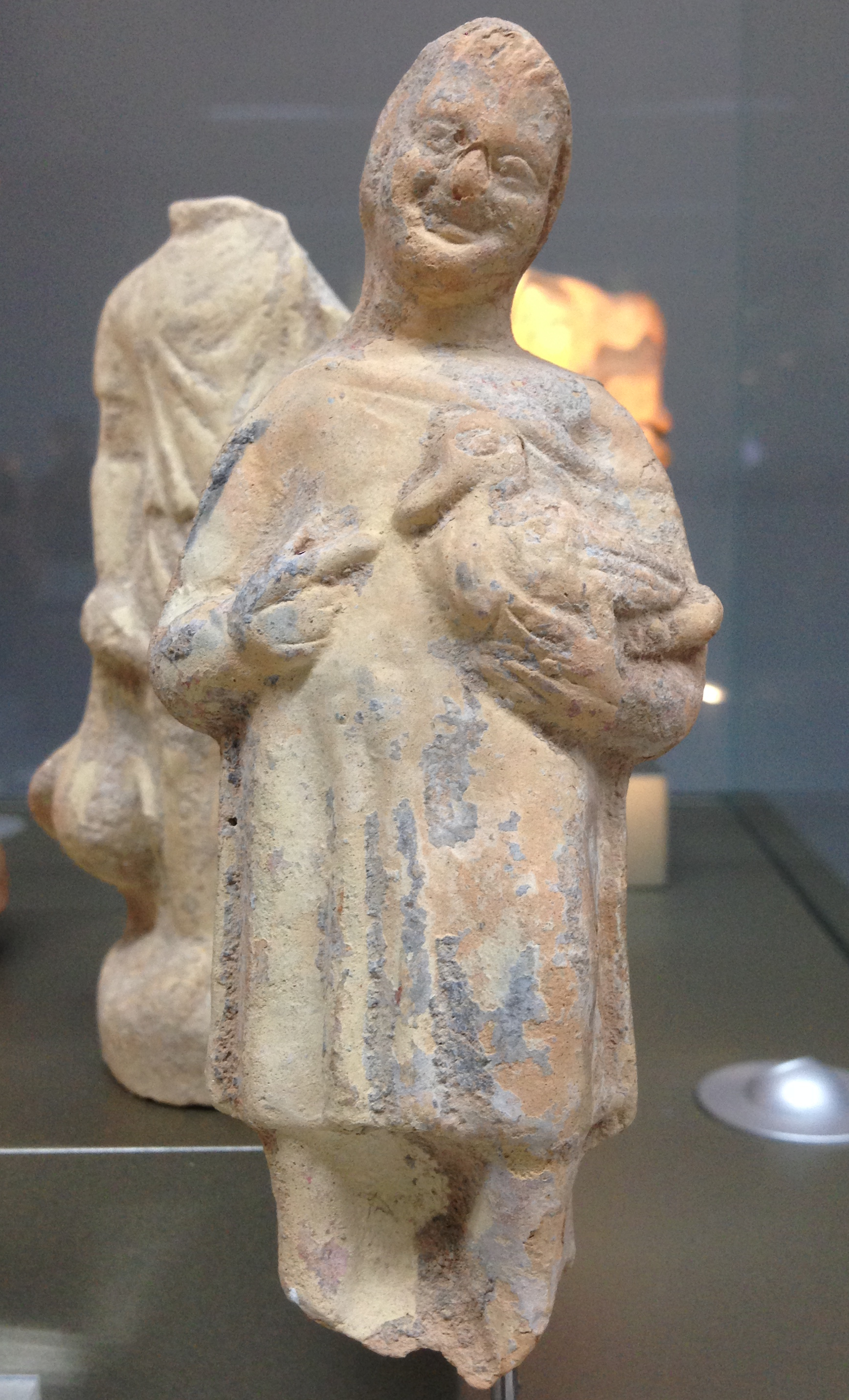
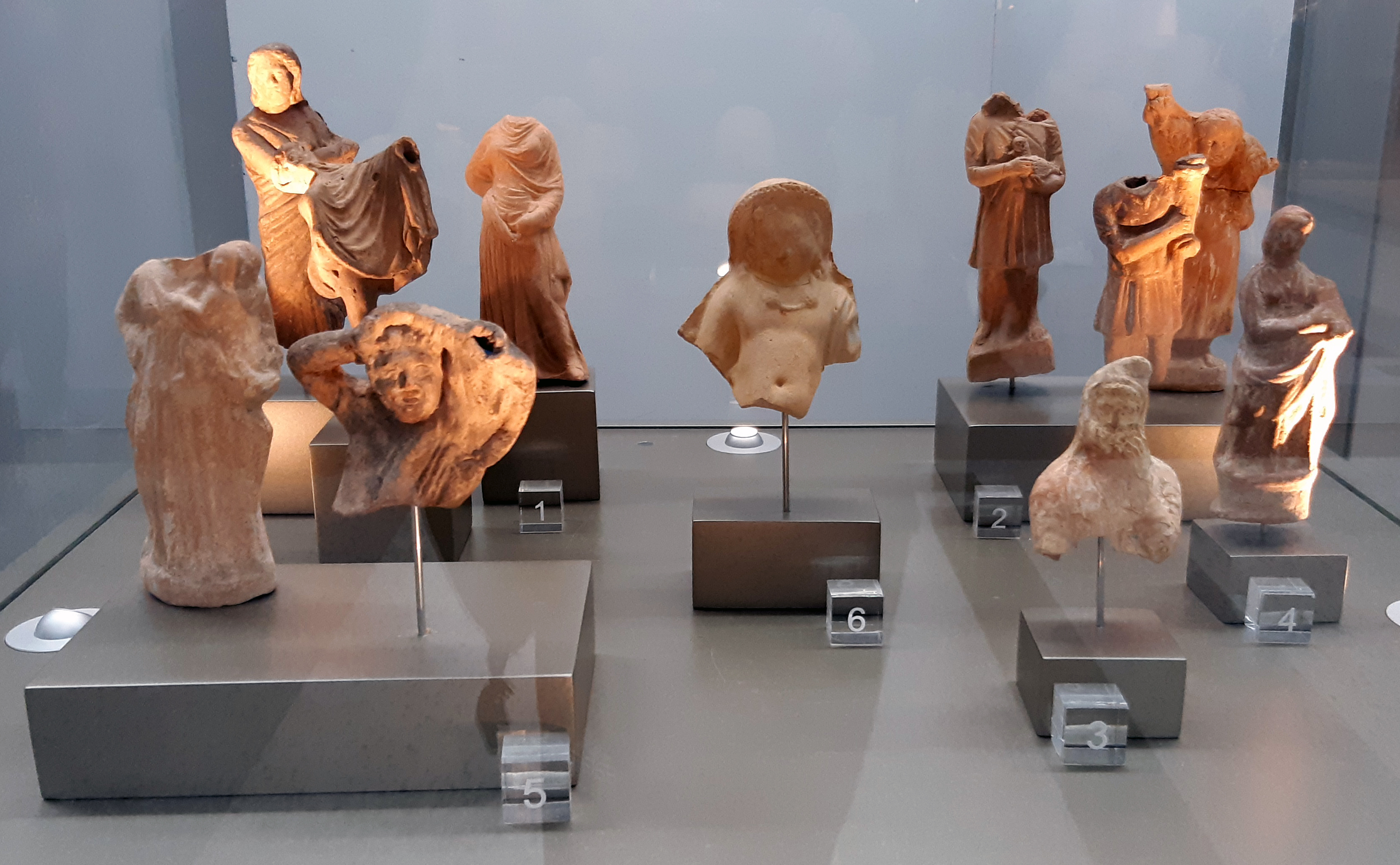
The Phoenician sanctuary of Kharayeb is a significant archaeological site located near Tyre, Southern Lebanon, that provides insight into the religious practices of the Phoenician civilization. Initially established in the 6th century BCE, the site includes a Hellenistic period temple that replaced earlier structures made from perishable materials. The sanctuary is notable for its pre-Classical Phoenician temple design and features such as a cavetto cornice and Egyptian-style statues. Thousands of terracotta figurines and miniature vessels were discovered, indicating intensive religious activity focused on healing and salvation deities. The site reflects a blend of Phoenician and Hellenistic influences in its art and architecture, representing the cultural and religious interactions in the region during the Iron Age and Classical periods.
Gallery
Explore photographs of ancient structures, artifacts, and archaeological excavations
Historical Timeline
Journey through time and discover key events in this site's history
Temple origin
6th century BCE
Hellenistic temple construction
3rd century BCE
End of use
1st century BCE
Archaeological Features
Unique architectural and cultural elements found at this historical site
Water Management Features
Religious and Ritual Structures
Artistic and Decorative Features
Frequently Asked Questions
Plan Your Visit
Tours, travel arrangements, and practical information
More Sites in Lebanon
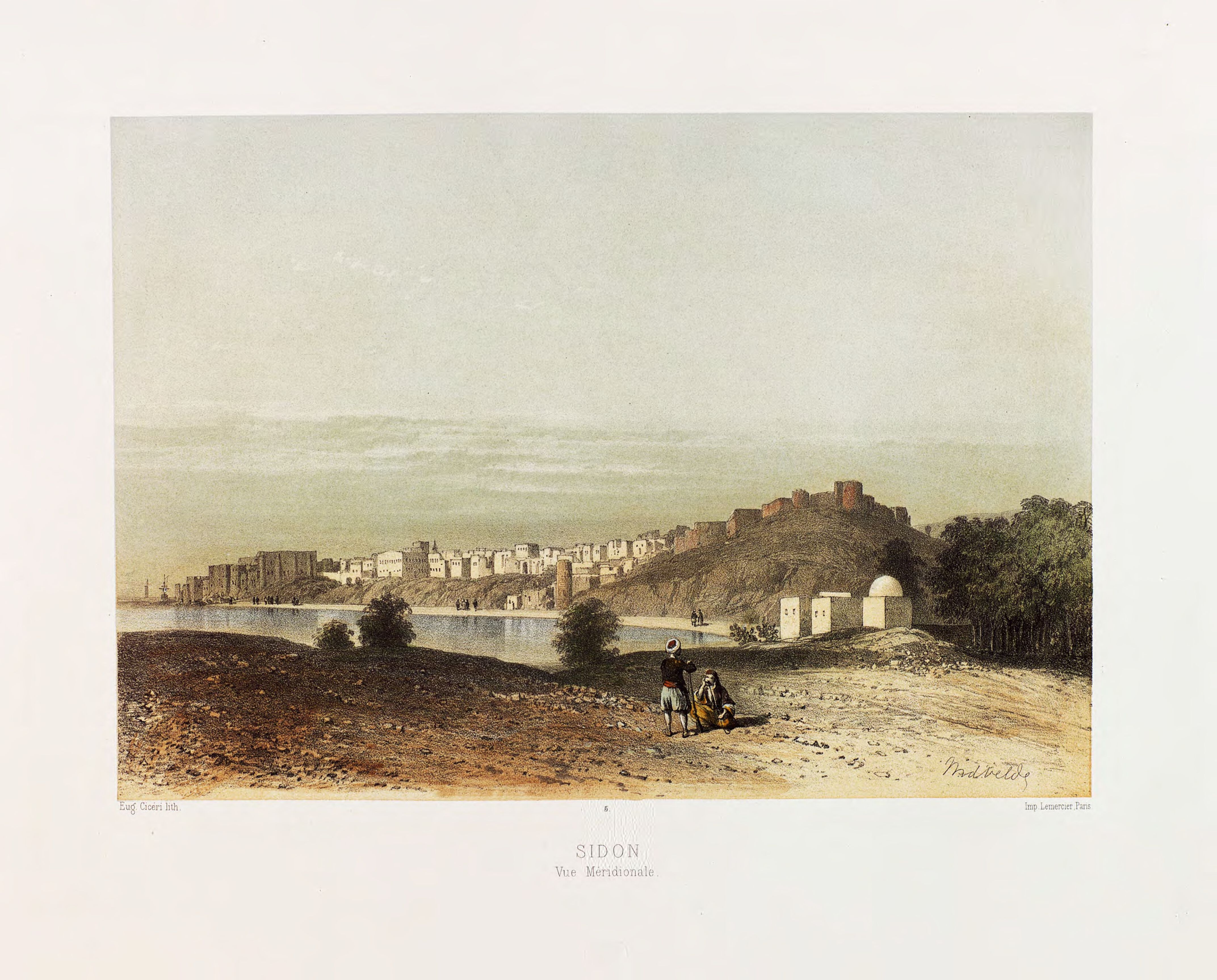
Sidon
Ancient Phoenician city with rich history
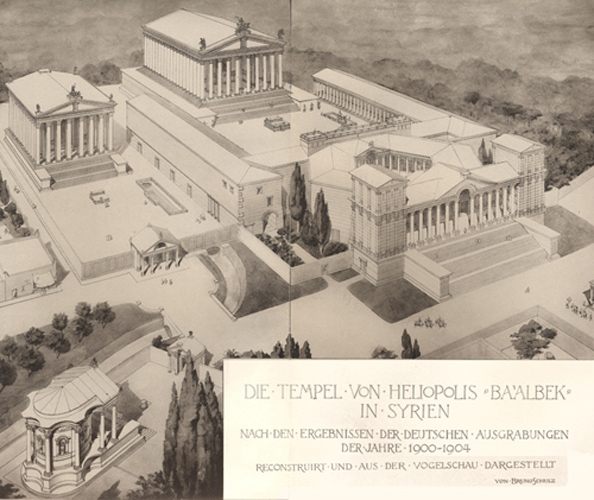
Temple of Eshmun
Phoenician healing temple with Greco-Persian influence
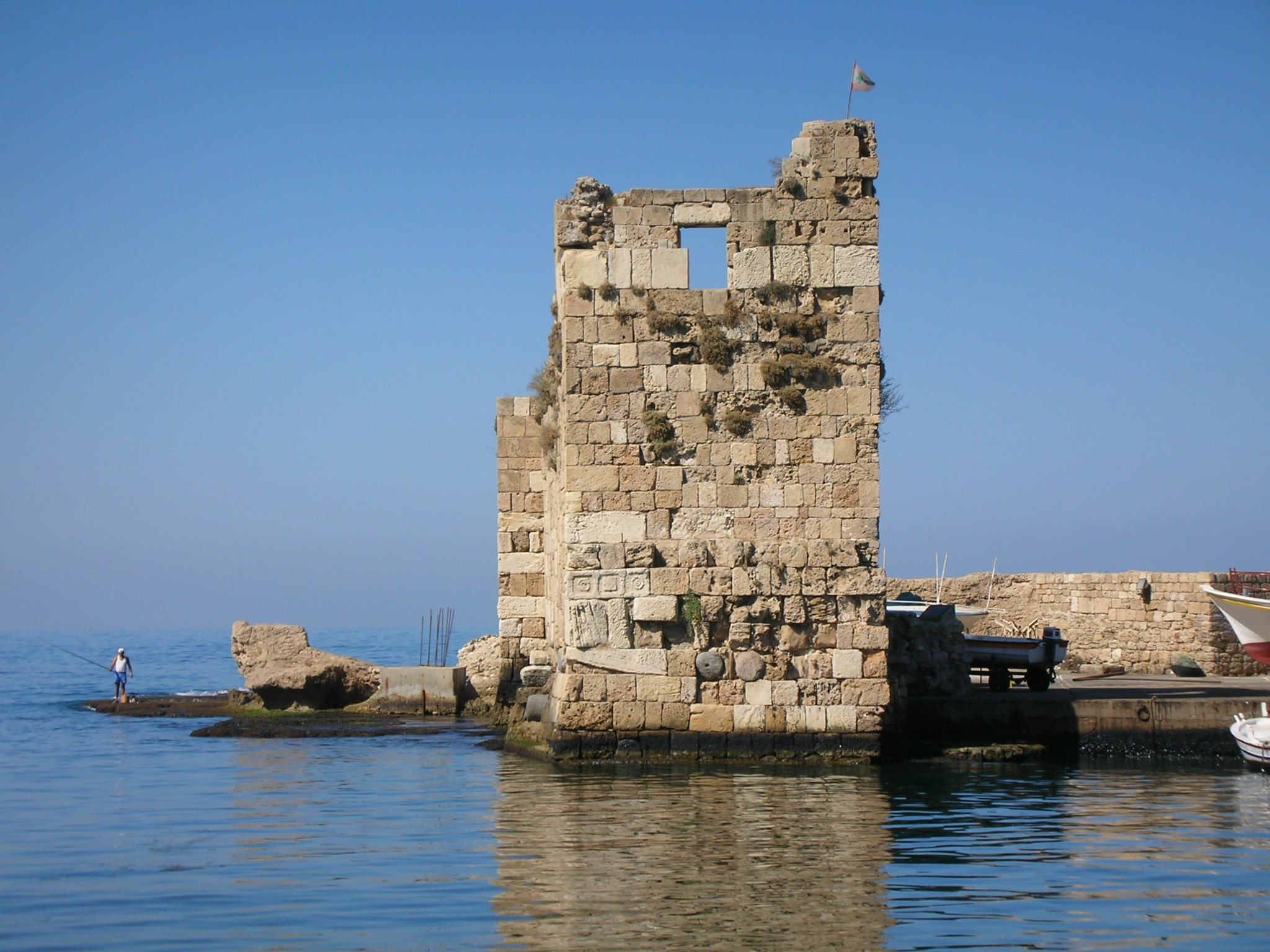
Byblos
Ancient city with layered historical strata
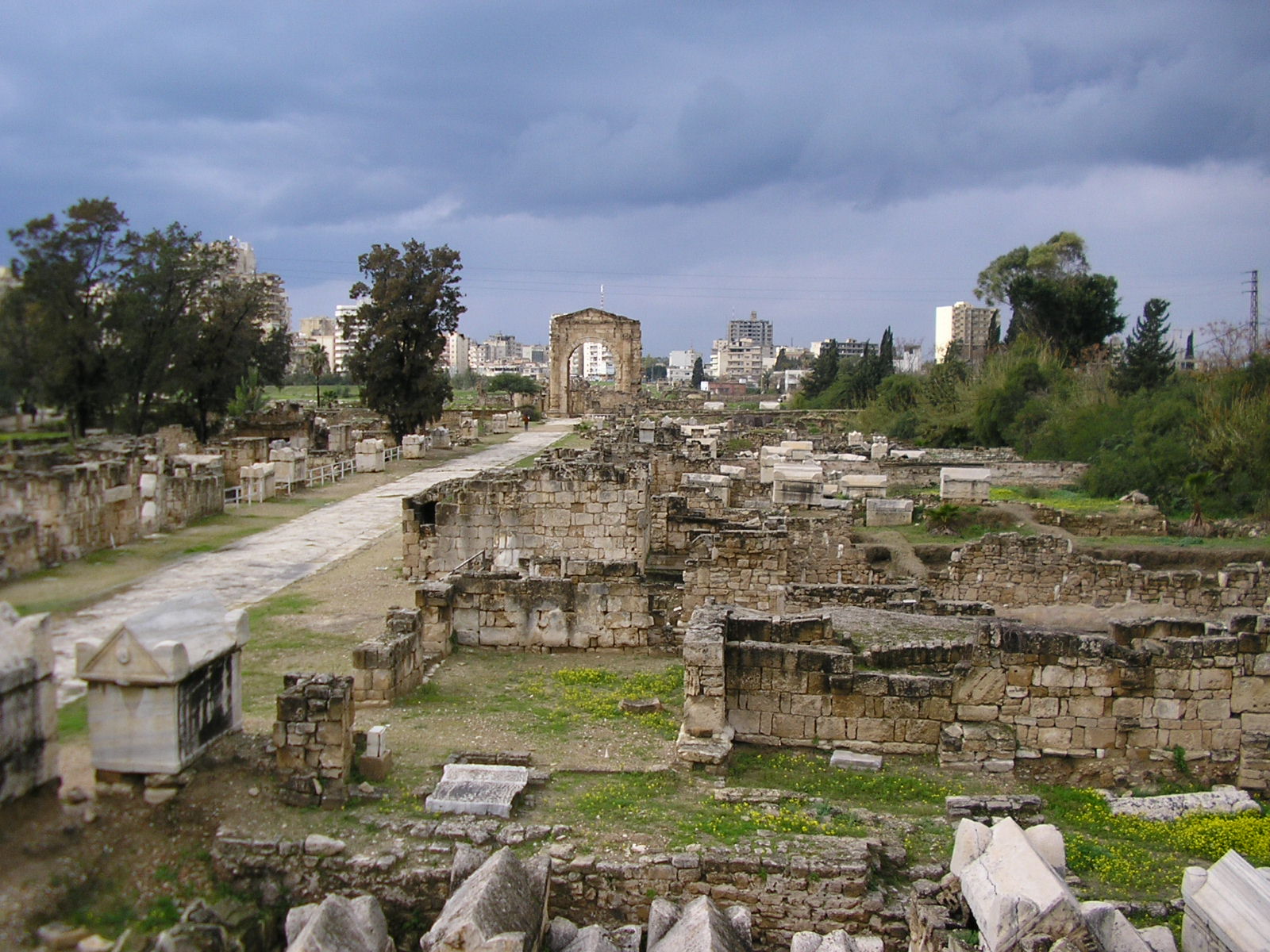
Tyre Necropolis
Ancient burial site with Roman and Phoenician relics
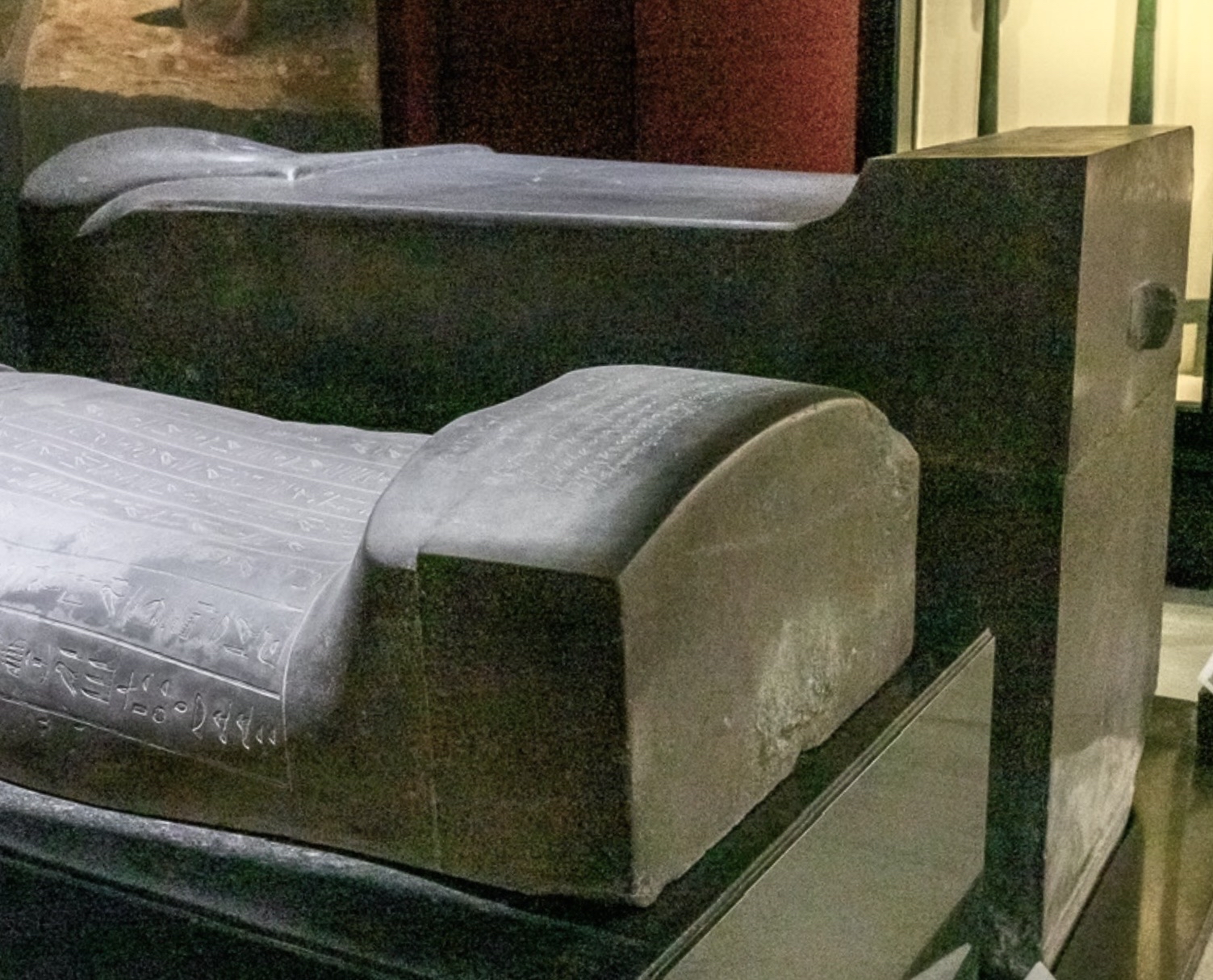
Royal necropolis of Ayaa
Subterranean necropolis with diverse sarcophagi styles.

Tyre, Lebanon
Ancient Phoenician city with harbor remains