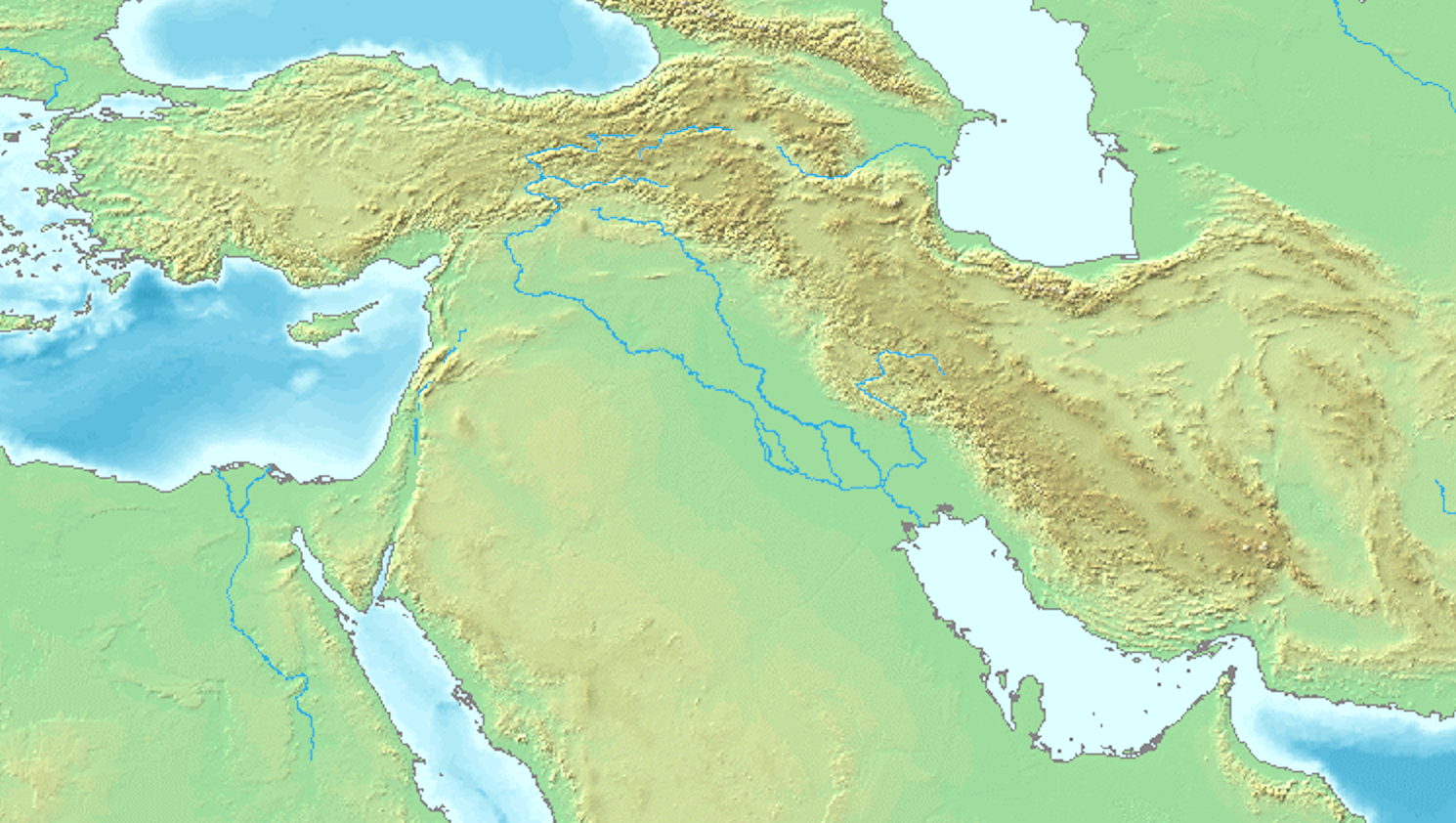
Explore the Map
Tell el-Burak
33.4824° N, 35.3226° E
About
Tell el-Burak is an archaeologically significant site located on the southern littoral of Lebanon. The site features a prominent conical mound, originally constructed during the Middle Bronze Age as a defensive base for a fortress made of mudbricks. This fortress is considered the first monumental fortified palace of its kind discovered in Lebanon. Notably, the site includes unusual Egyptian-influenced wall paintings dating back to circa 1900 BCE, indicating early trade connections. During the Iron Age, the site hosted a prosperous and peaceful settlement, evidenced by its fine architecture, though it lacks Late Bronze Age occupation. A seventh-century BCE winepress was recently discovered, highlighting ongoing agricultural activities. The site provides insights into the historical significance and development of the nearby Sidon and broader Mediterranean cultural exchanges.
Gallery
Explore photographs of ancient structures, artifacts, and archaeological excavations
Historical Timeline
Journey through time and discover key events in this site's history
Middle Bronze Age Fortress Construction
circa 1900 BCE
Iron Age Winepress Discovery
7th century BCE
Iron Age Prosperous Settlement
7th century BCE
Archaeological Features
Unique architectural and cultural elements found at this historical site
Defensive Structures
Artistic and Decorative Features
Food Production and Processing Features
Frequently Asked Questions
Plan Your Visit
Tours, travel arrangements, and practical information
More Sites in Lebanon
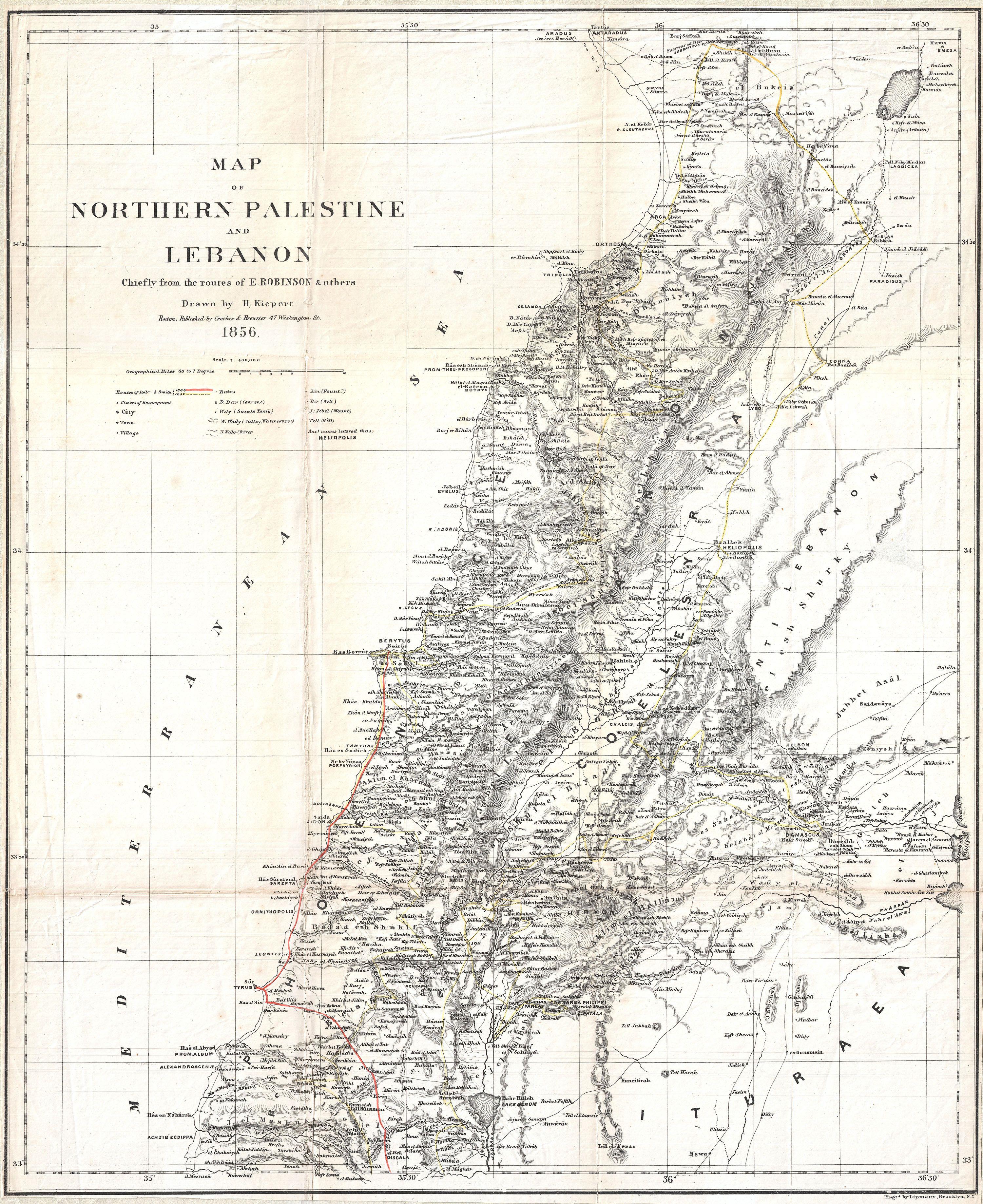
Baalbek
Ancient city with Roman temples and ruins
Tyre, Lebanon
Ancient Phoenician city with harbor remains
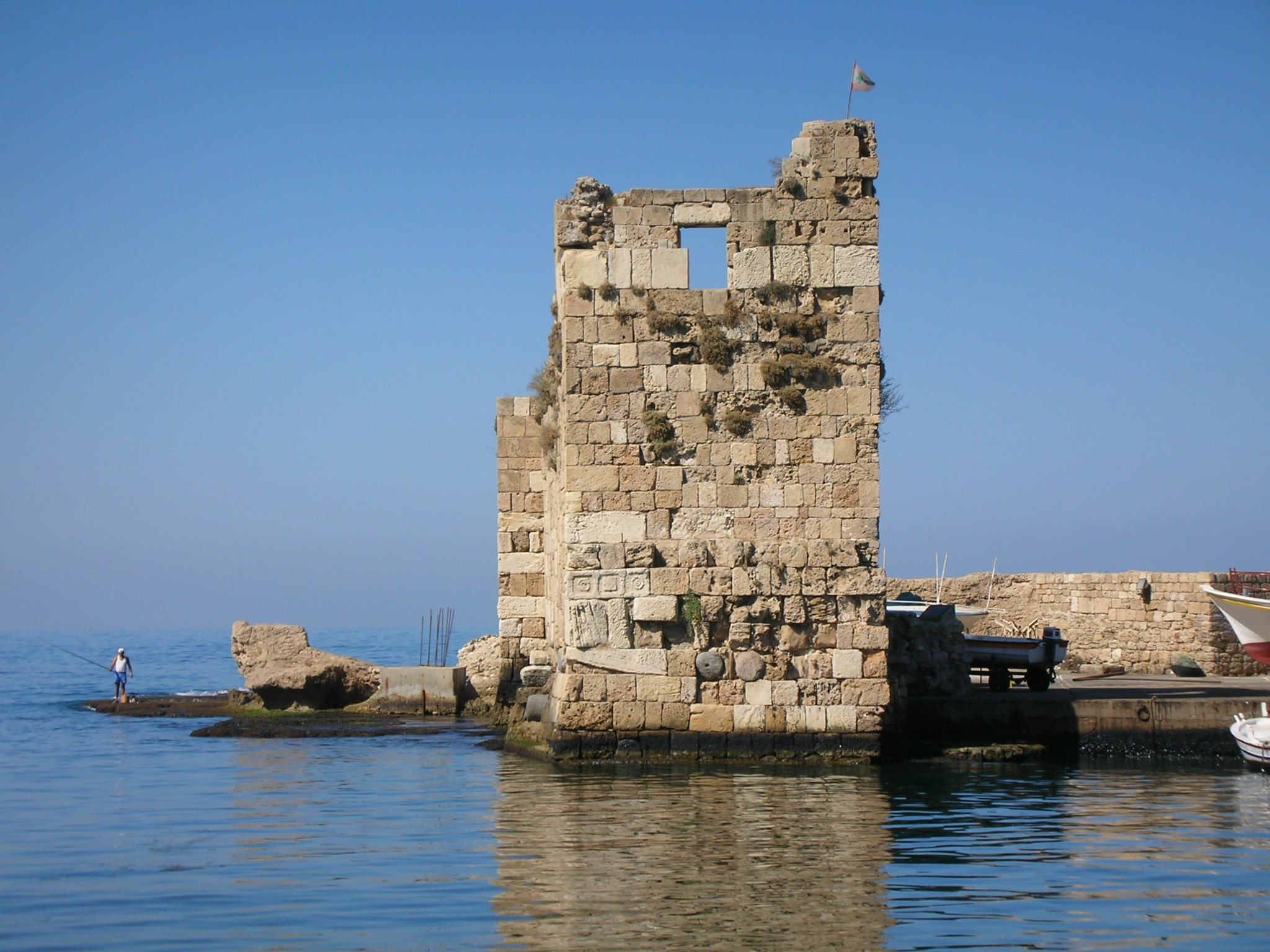
Byblos
Ancient city with layered historical strata
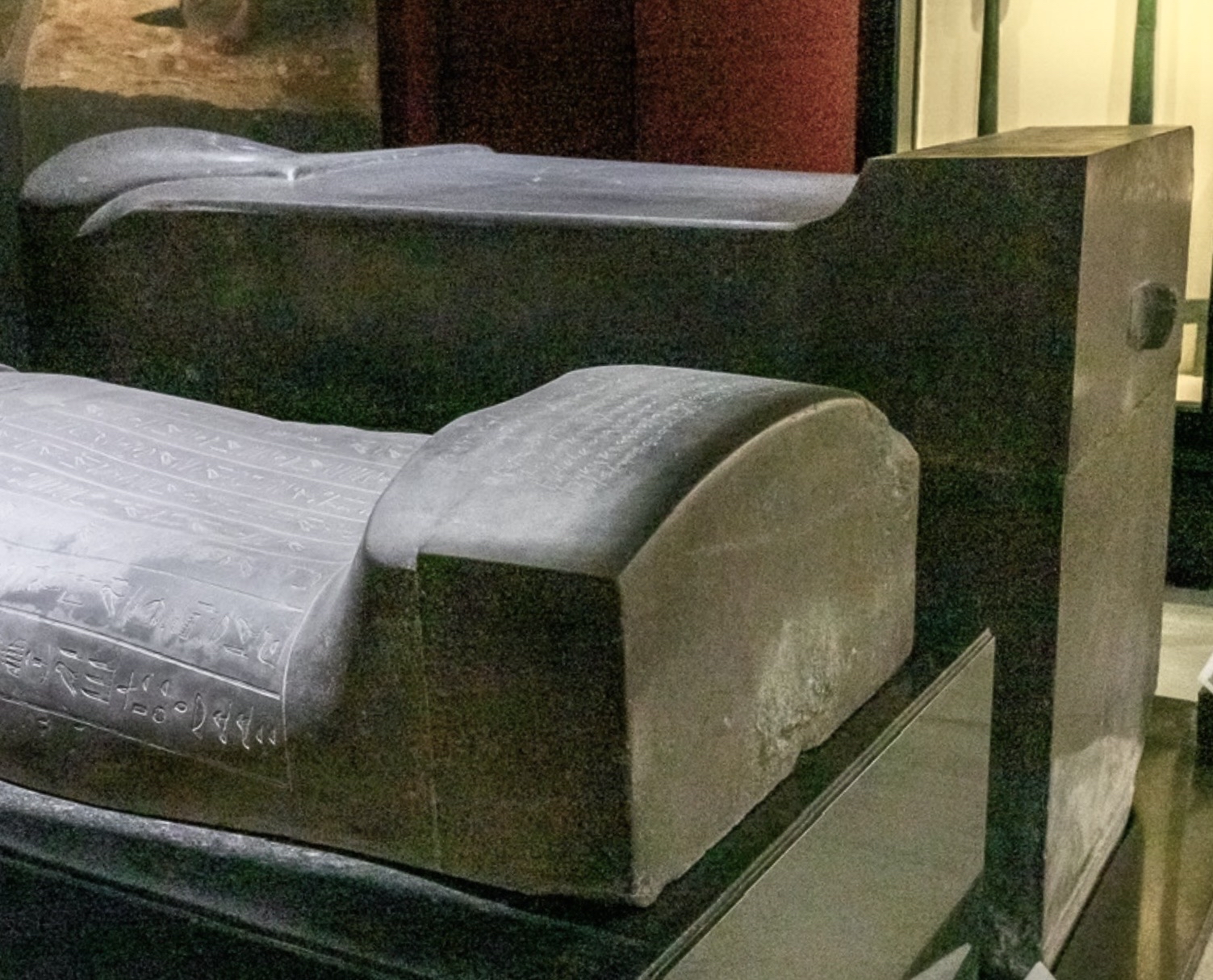
Royal necropolis of Ayaa
Subterranean necropolis with diverse sarcophagi styles.
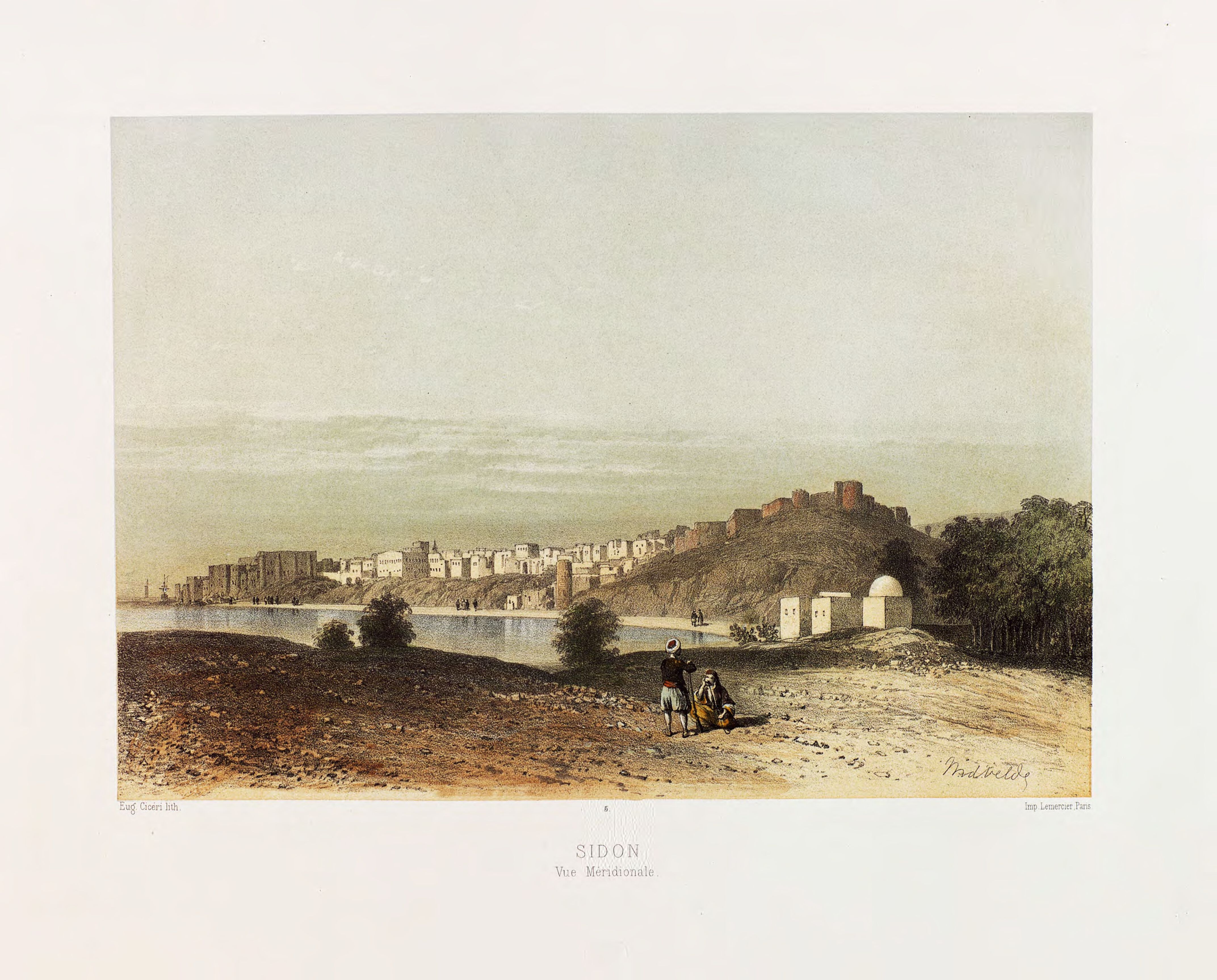
Sidon
Ancient Phoenician city with rich history
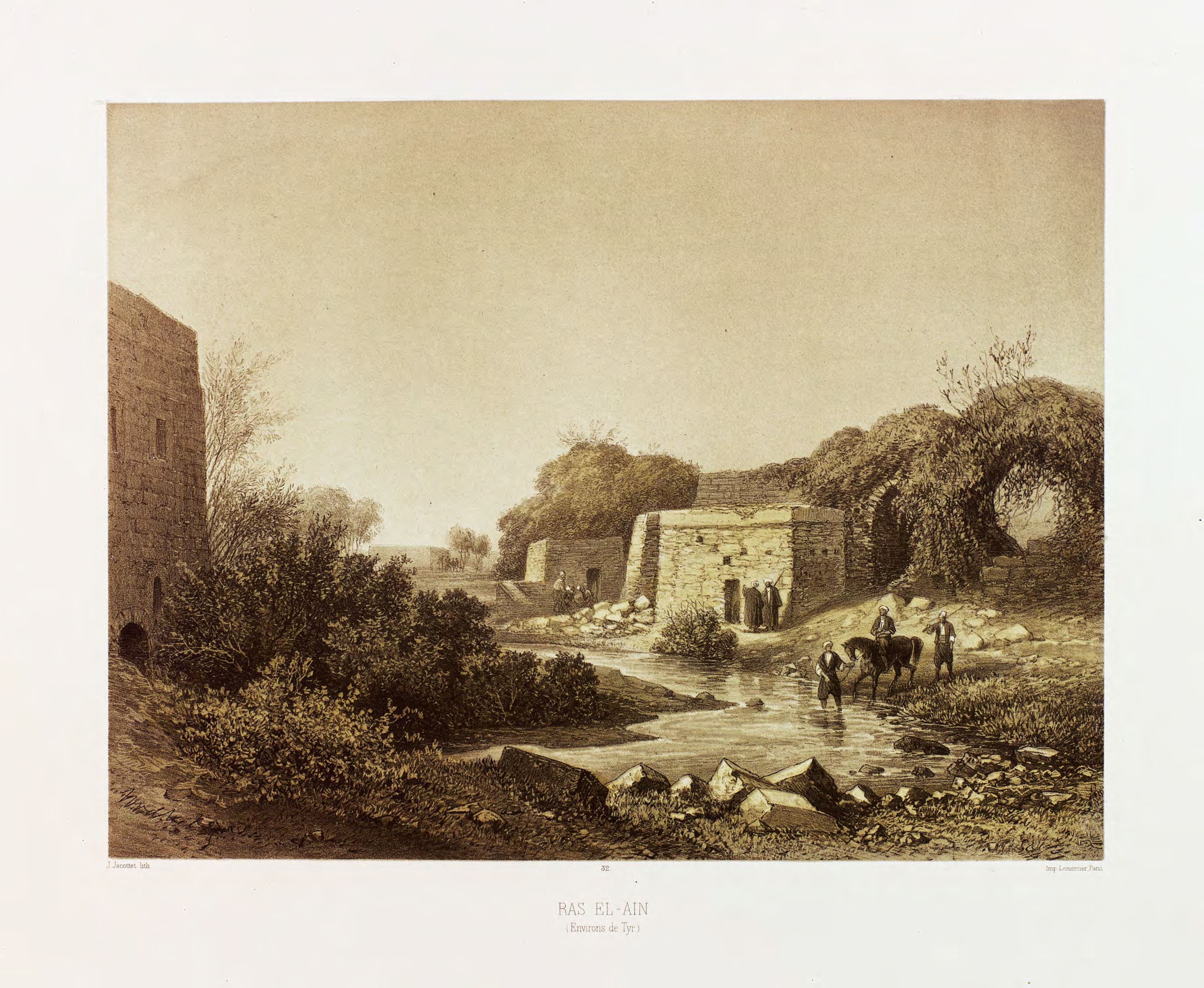
Ras al-Ain, Lebanon
Ancient fountains, reservoirs, and Roman aqueducts