Explore the Map
Toron
33.1957° N, 35.4123° E
About
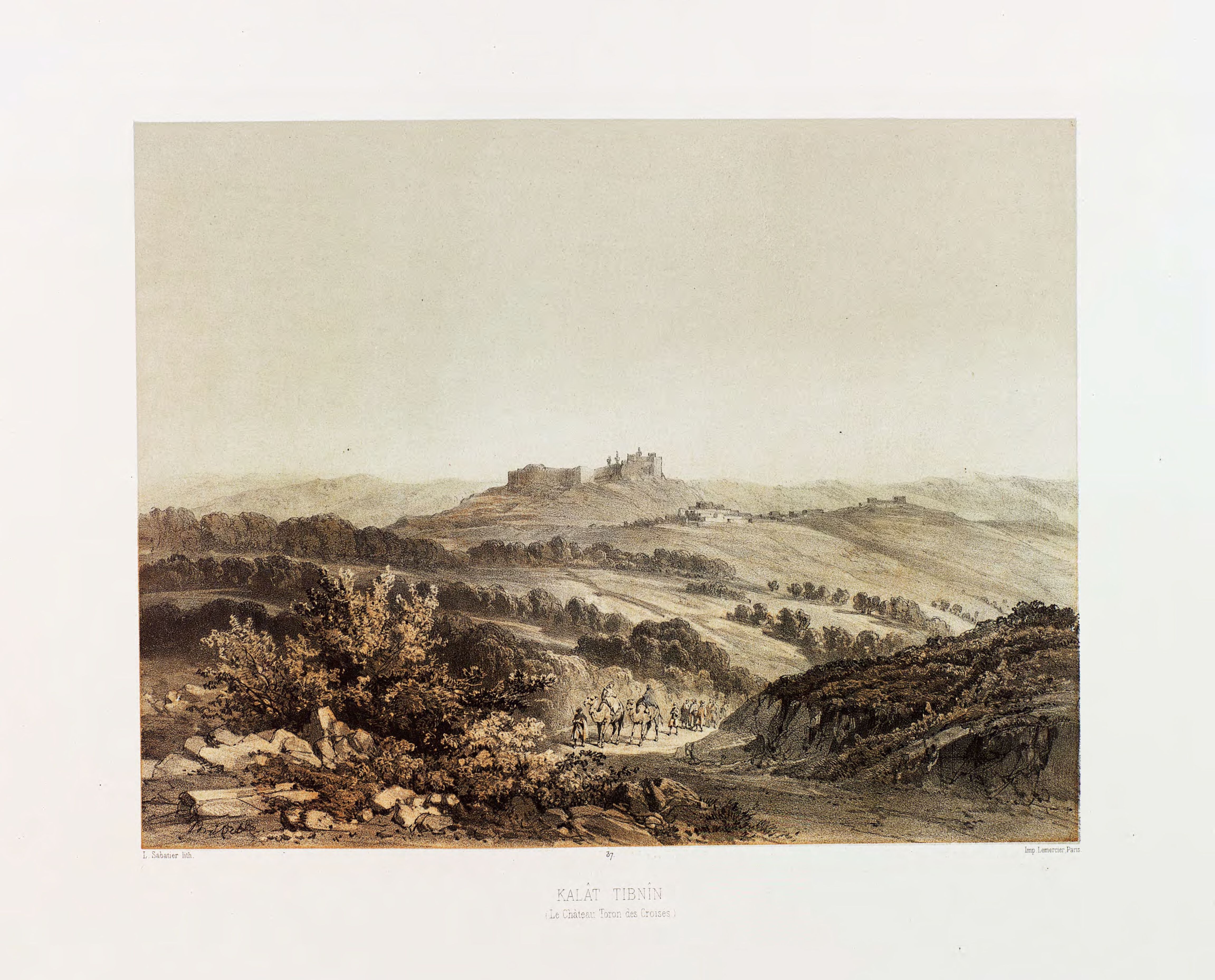
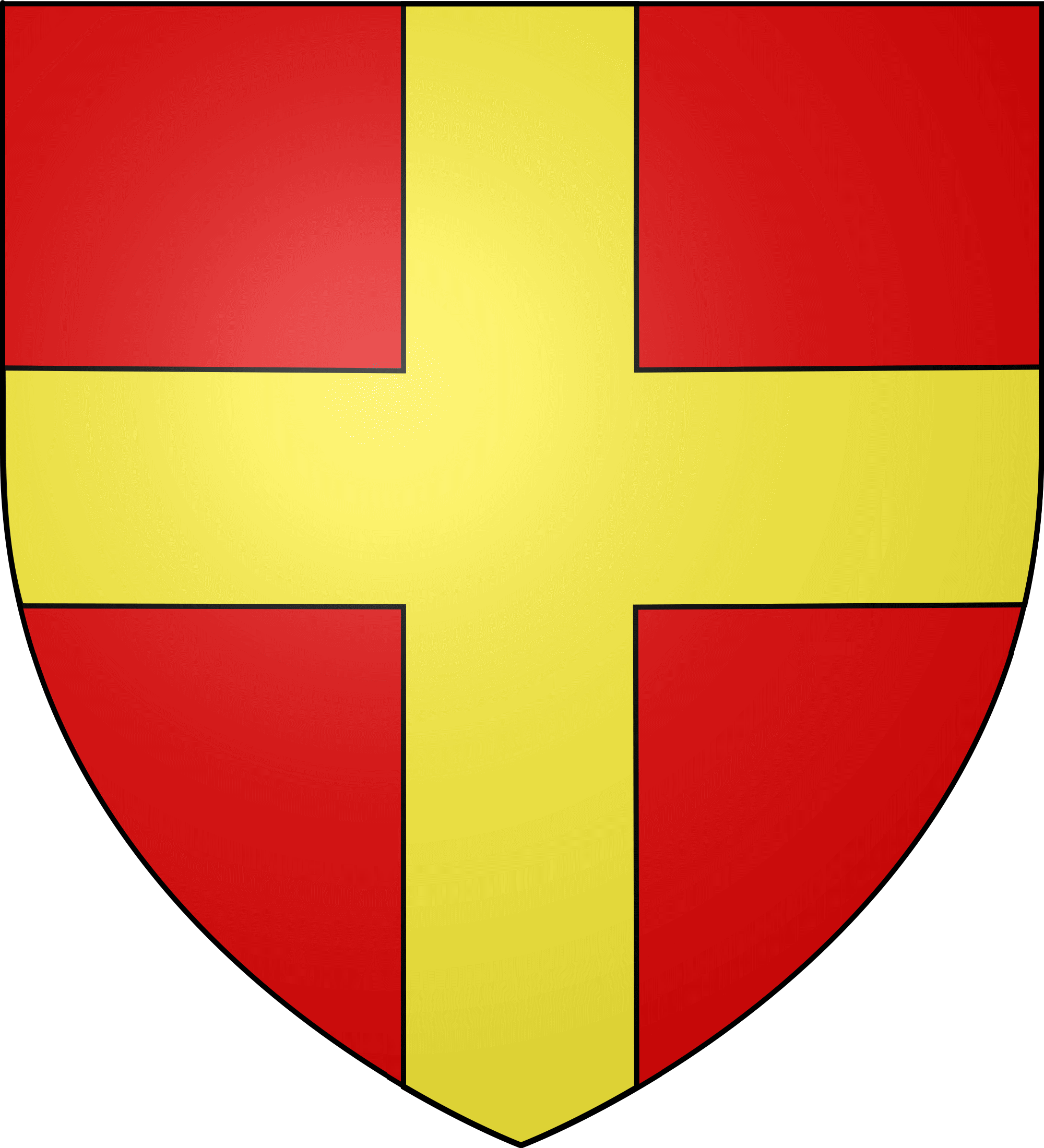
Toron, a significant Crusader castle located in southern Lebanon, was strategically built on a steep hill, originally serving as a key defensive structure along the route from Tyre to Damascus. Constructed in 1106 CE by Hugh of Fauquembergues, the castle became the center of the Lordship of Toron within the Kingdom of Jerusalem. It experienced various phases of control, falling to Saladin in 1187 CE, and later being besieged by German Crusaders in 1197 CE. Its defenses were dismantled in 1219 CE by Sultan al-Mu'azzam to prevent Crusader occupancy during the Fifth Crusade. Despite fluctuating control, Toron remained valuable for its strategic position until it was finally razed by the Mamluks in 1266 CE. The site later saw reconstruction in the 18th century, reflecting its enduring historical significance.
Gallery
Explore photographs of ancient structures, artifacts, and archaeological excavations
Historical Timeline
Journey through time and discover key events in this site's history
Castle construction by Hugh of Fauquembergues
1106 CE
Toron falls to Saladin
1187 CE
German Crusade siege
1197 CE
Dismantling of defences by al-Mu'azzam
1219 CE
Return to Crusader control
1229 CE
Mamluks raze the castle
1266 CE
Archaeological Features
Unique architectural and cultural elements found at this historical site
Defensive Structures
Transportation and Communication Structures
Frequently Asked Questions
Plan Your Visit
Tours, travel arrangements, and practical information
Recommended Tours

More Sites in Lebanon
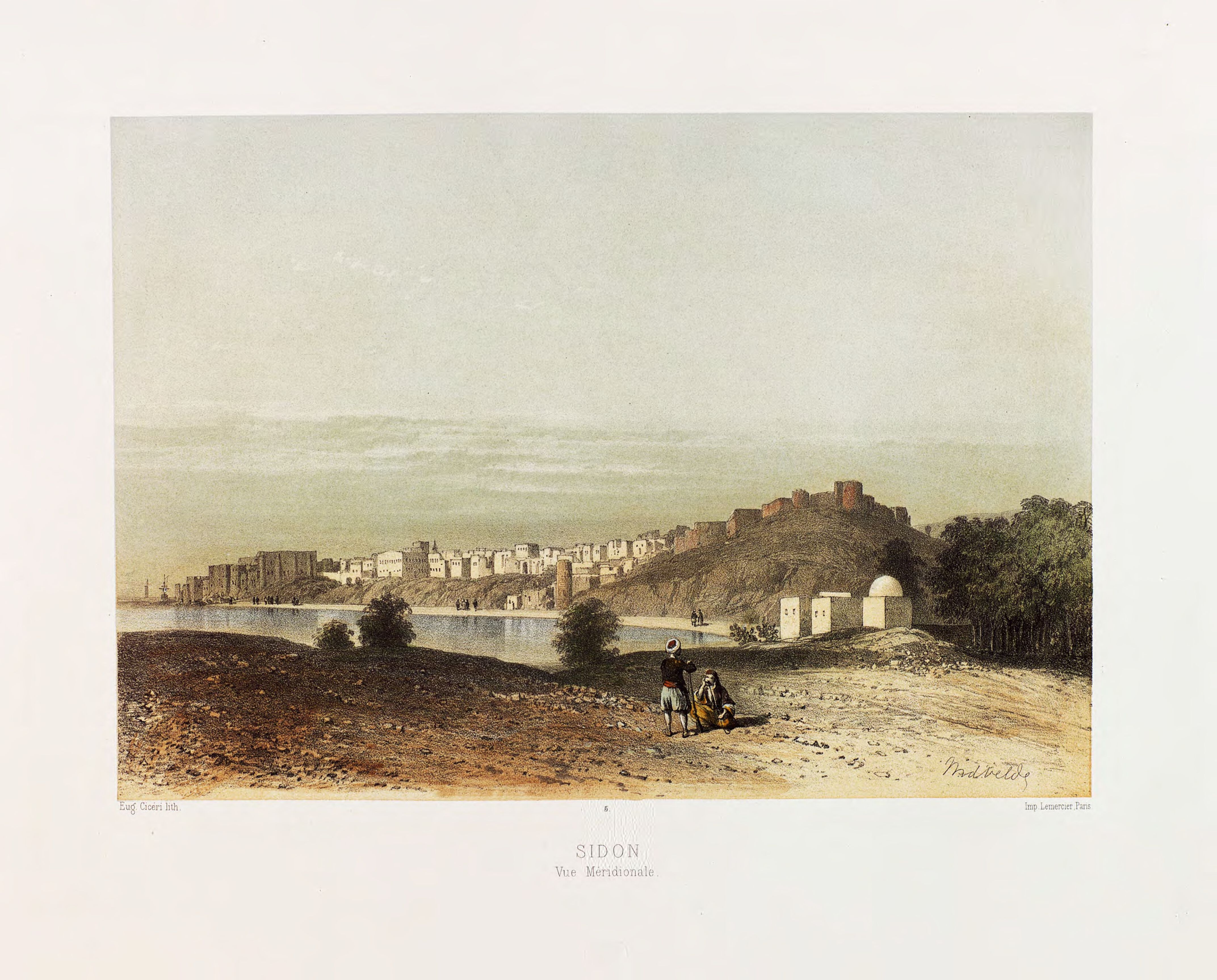
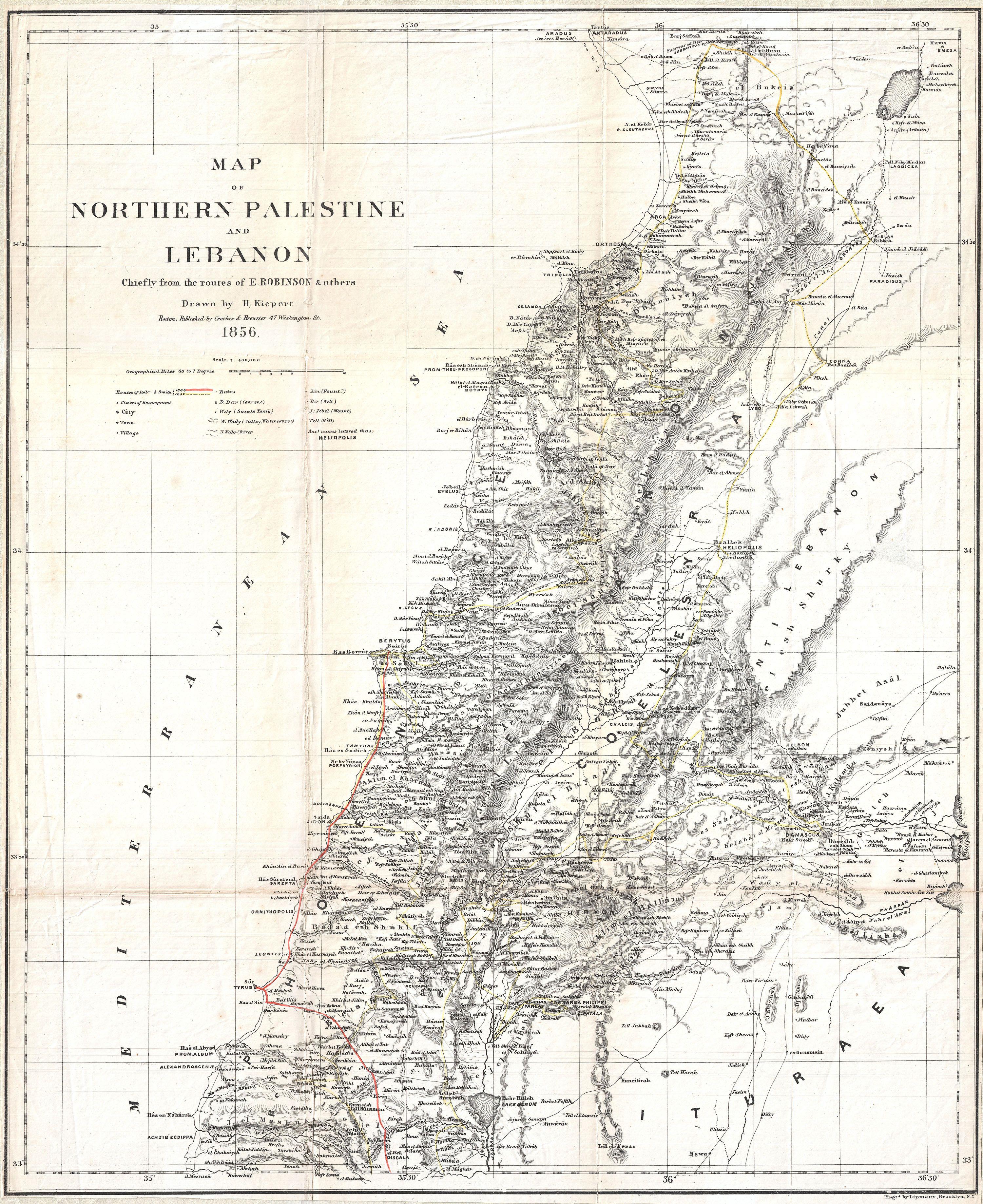
Sidon
Ancient Phoenician city with rich history
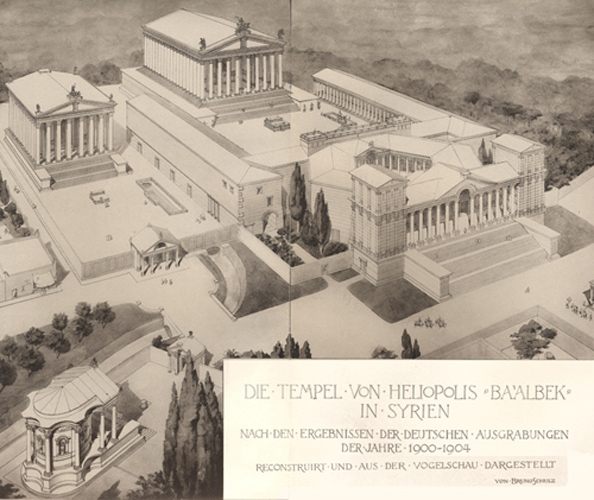
Baalbek
Ancient city with Roman temples and ruins
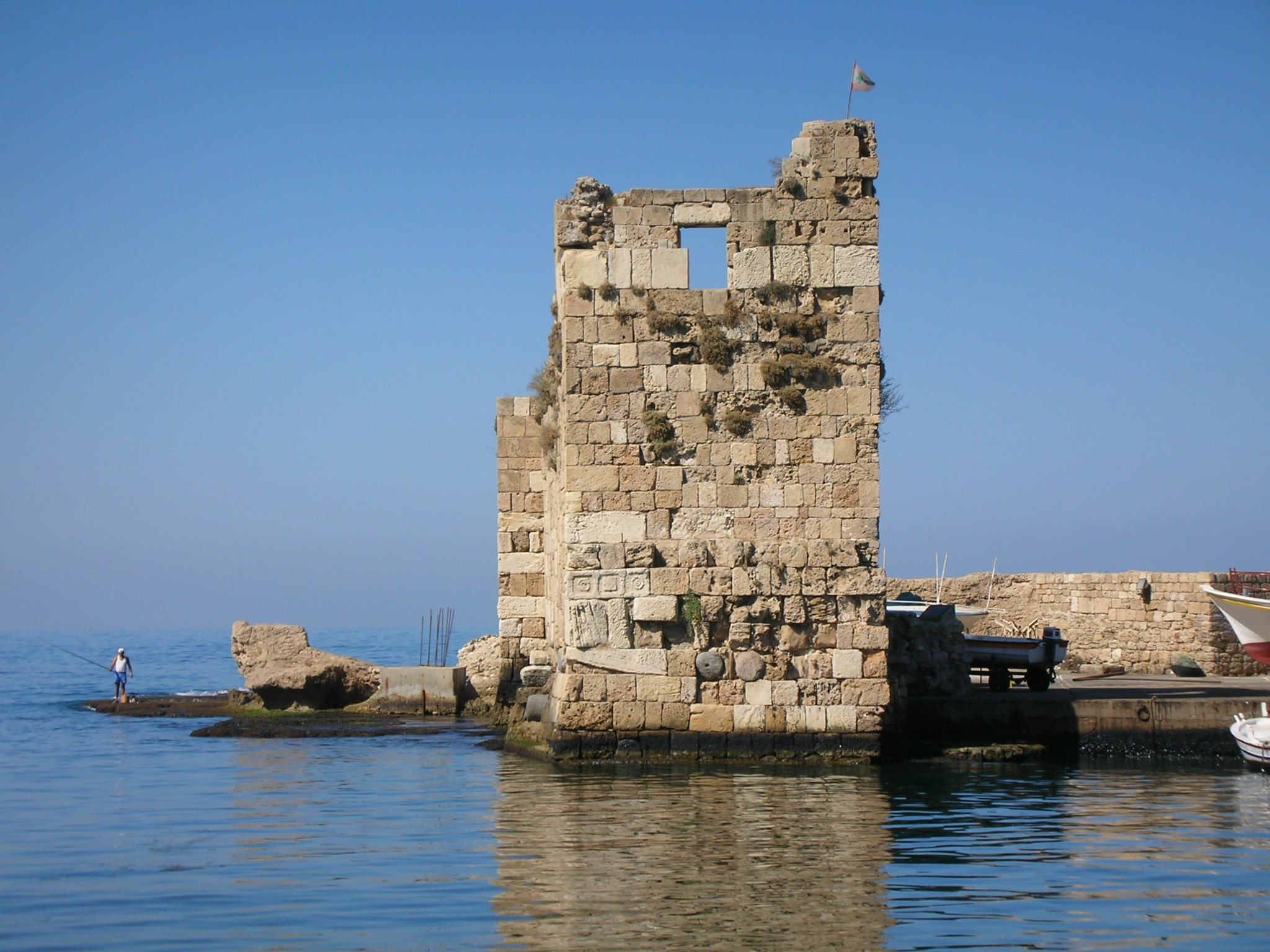
Byblos
Ancient city with layered historical strata
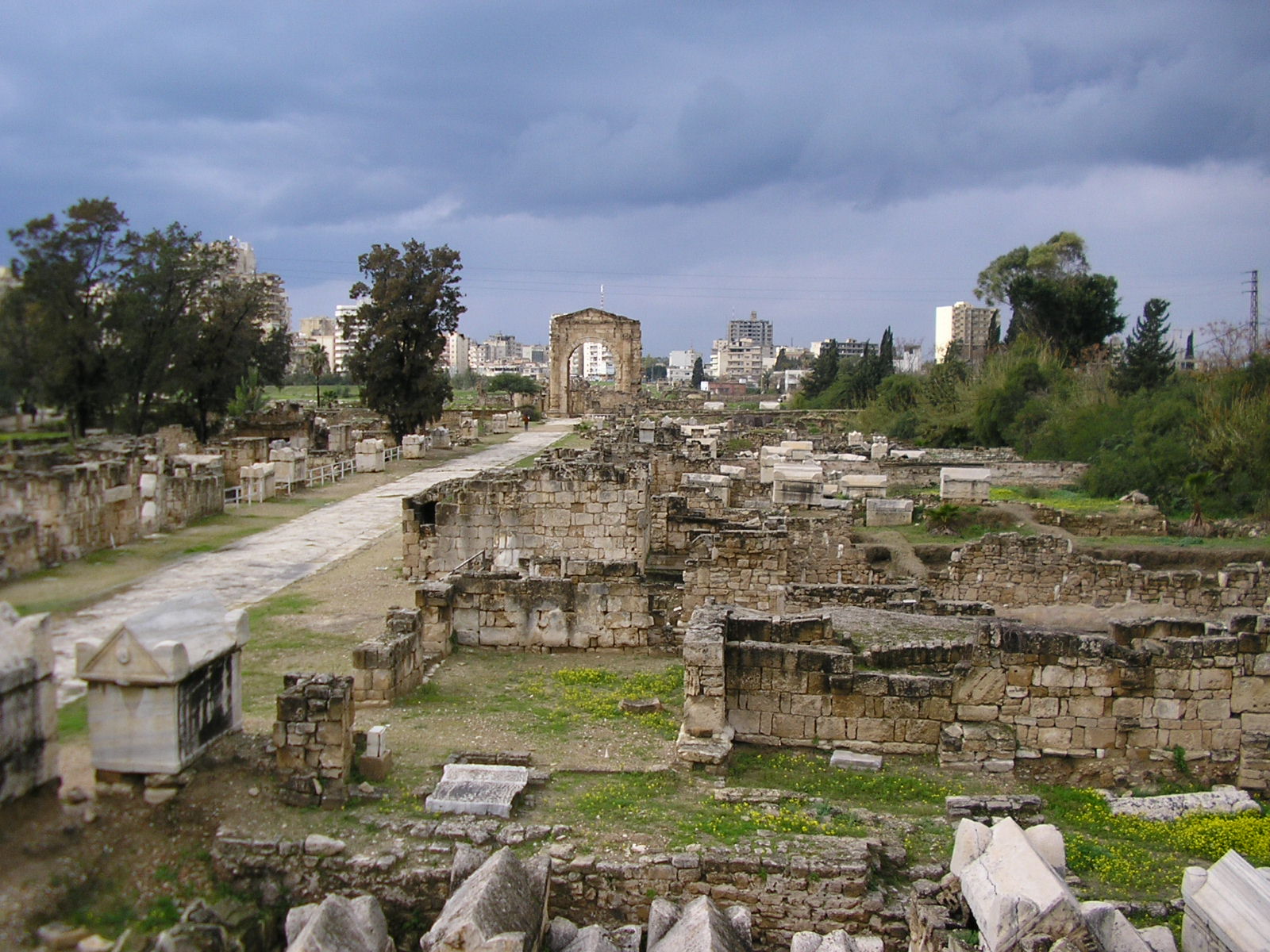
Tyre Necropolis
Ancient burial site with Roman and Phoenician relics
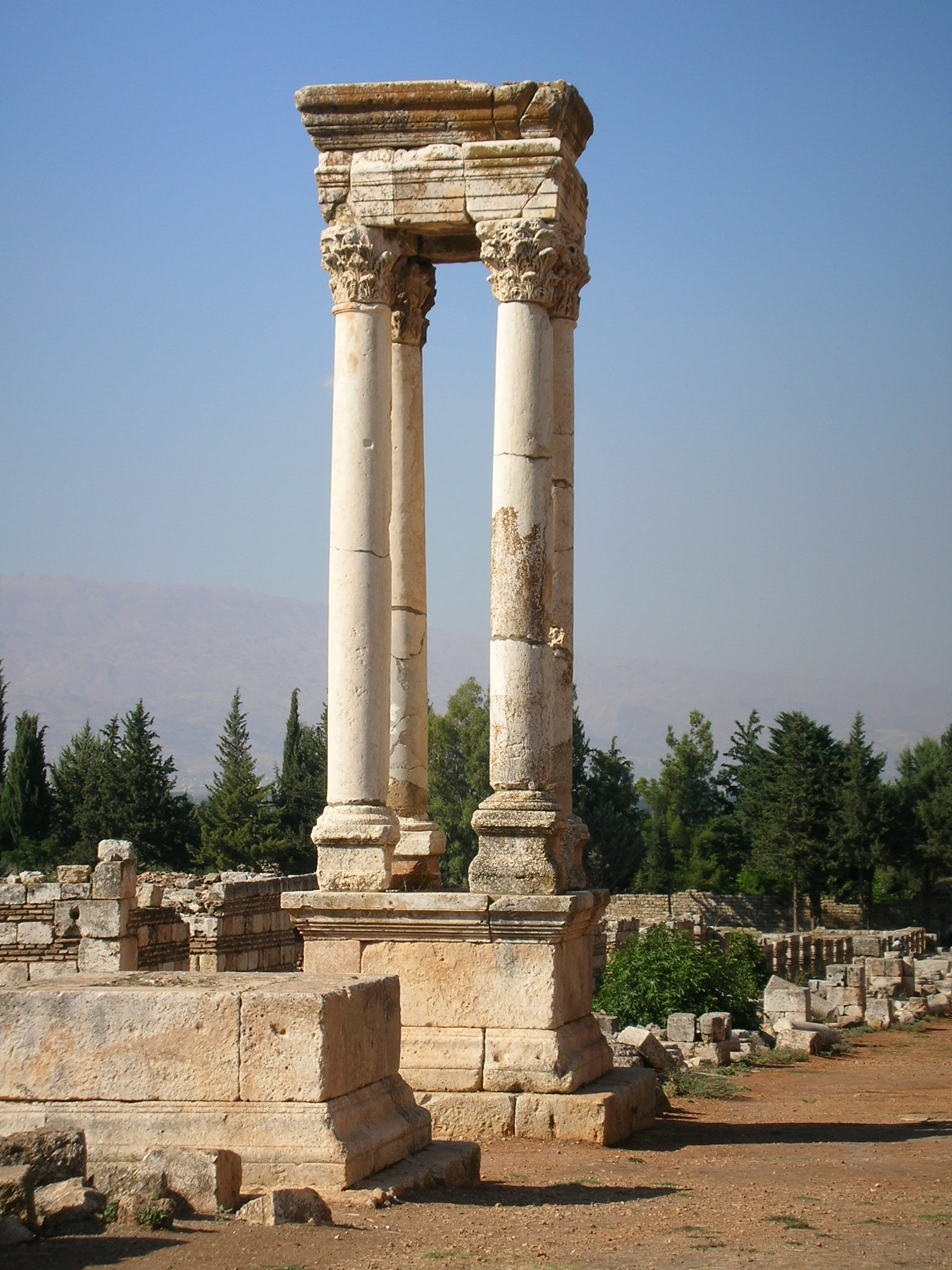
Anjar, Lebanon
Umayyad city with Roman architectural influence
Temple of Eshmun
Phoenician healing temple with Greco-Persian influence