Explore the Map
Apollonia (Cyrenaica)
32.9019° N, 21.9697° E
About
Apollonia (Greek: Ἀπολλωνία) in Cyrenaica (modern Libya) was founded by Greek colonists and became a significant commercial centre in the southern Mediterranean. It served as the harbour of Cyrene, 20 km (12 mi) to the southwest. Apollonia became autonomous from Cyrene at latest by the time the area came within the power of Rome, when it was one of the five cities of the Libyan Pentapolis, growing in power until, in the 6th century AD, it became the capital of the Roman province of Libya Superior or Libya Pentapolitana. The city became known as Sozusa, which explains the modern name of Marsa Susa or Susa, which grew up long after the cessation of urban life in the ancient city after the Arab invasion of AD 643. Sozusa was an episcopal see and is included in the Catholic Church's list of titular sees.
Historical Timeline
Journey through time and discover key events in this site's history
365 AD earthquake and tsunami
21 July 365 AD
Greek theatre built
3rd century BC
Eastern basilica constructed
5th century
Ancient port construction
6th/7th century BC
City becomes provincial capital
6th century
Arab invasion and urban decline
AD 643
Early recorded observations
1827
Underwater survey by Nicholas Flemming
1958–1959
Goodchild excavation of the Palace of the Dux
1959–1962
Alix graphic novel setting
1969
Appearances in modern media
2017
Archaeological Features
Unique architectural and cultural elements found at this historical site
Defensive Structures
Public and Civic Structures
Religious and Ritual Structures
Artistic and Decorative Features
Domestic and Habitation Structures
Environmental and Natural Features
Transportation and Communication Structures
Frequently Asked Questions
Plan Your Visit
Tours, travel arrangements, and practical information
More Sites in Libya
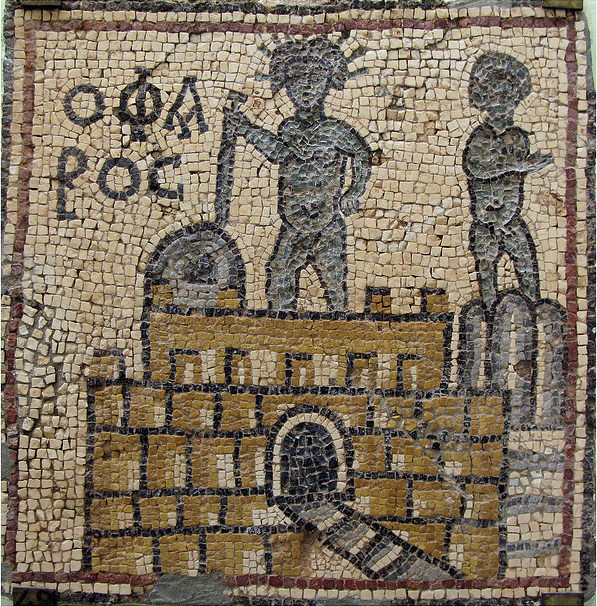
Olbia, Libya
Byzantine town with mosaic churches
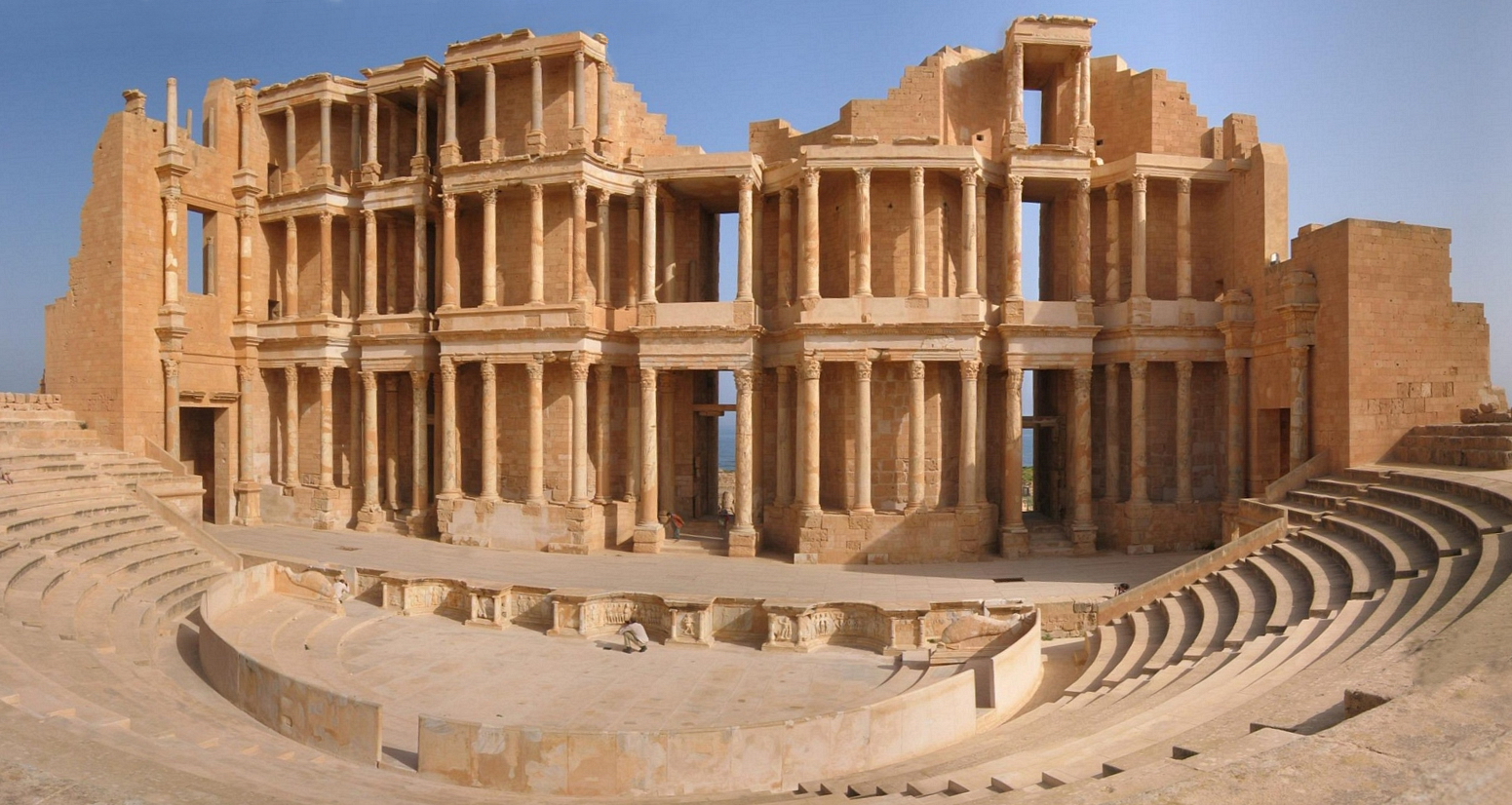
Archaeological Site of Sabratha
Excavated Roman and Numidian city in Libya
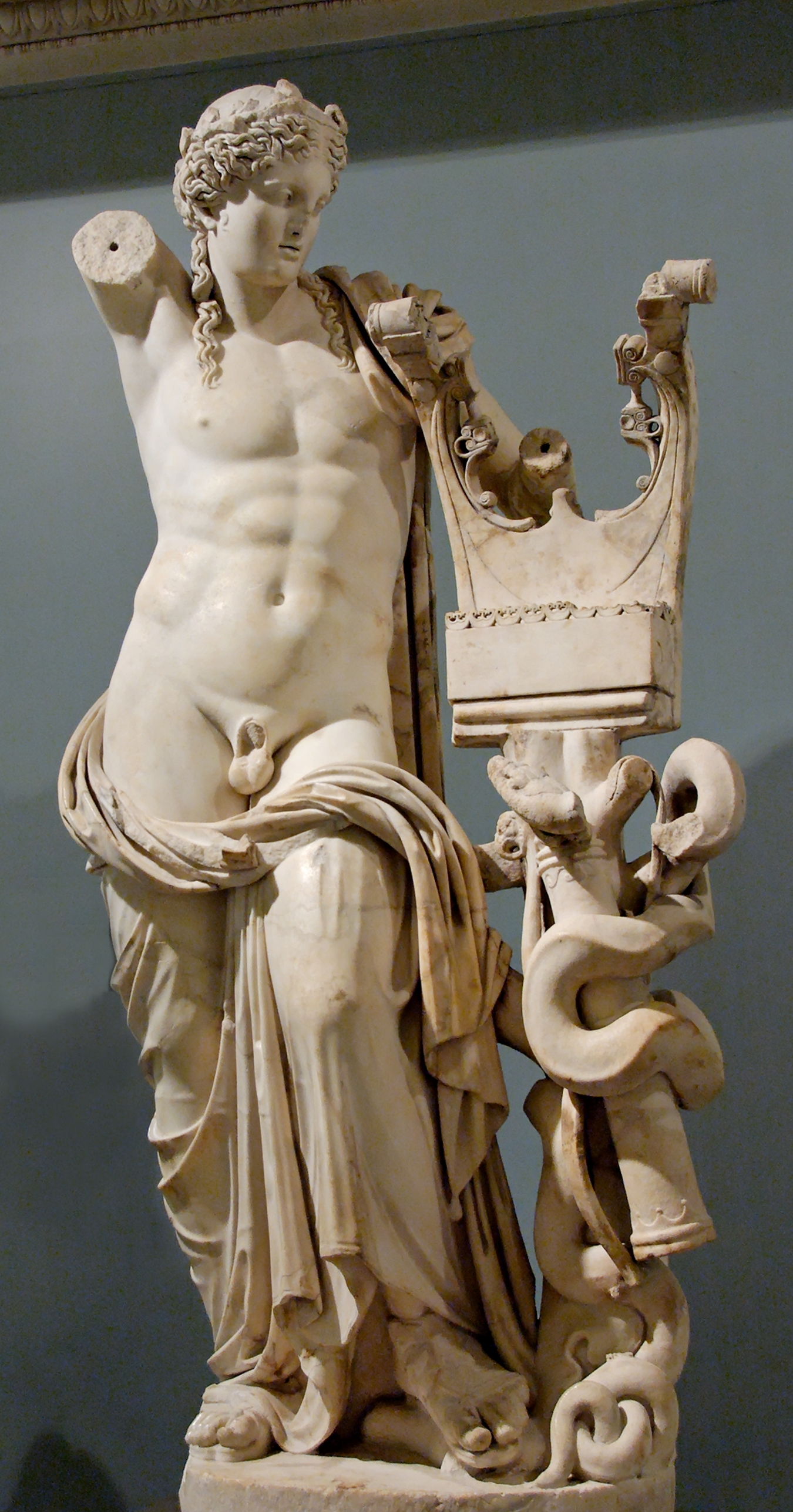
Cyrene, Libya
Ancient Greek and Roman city remains
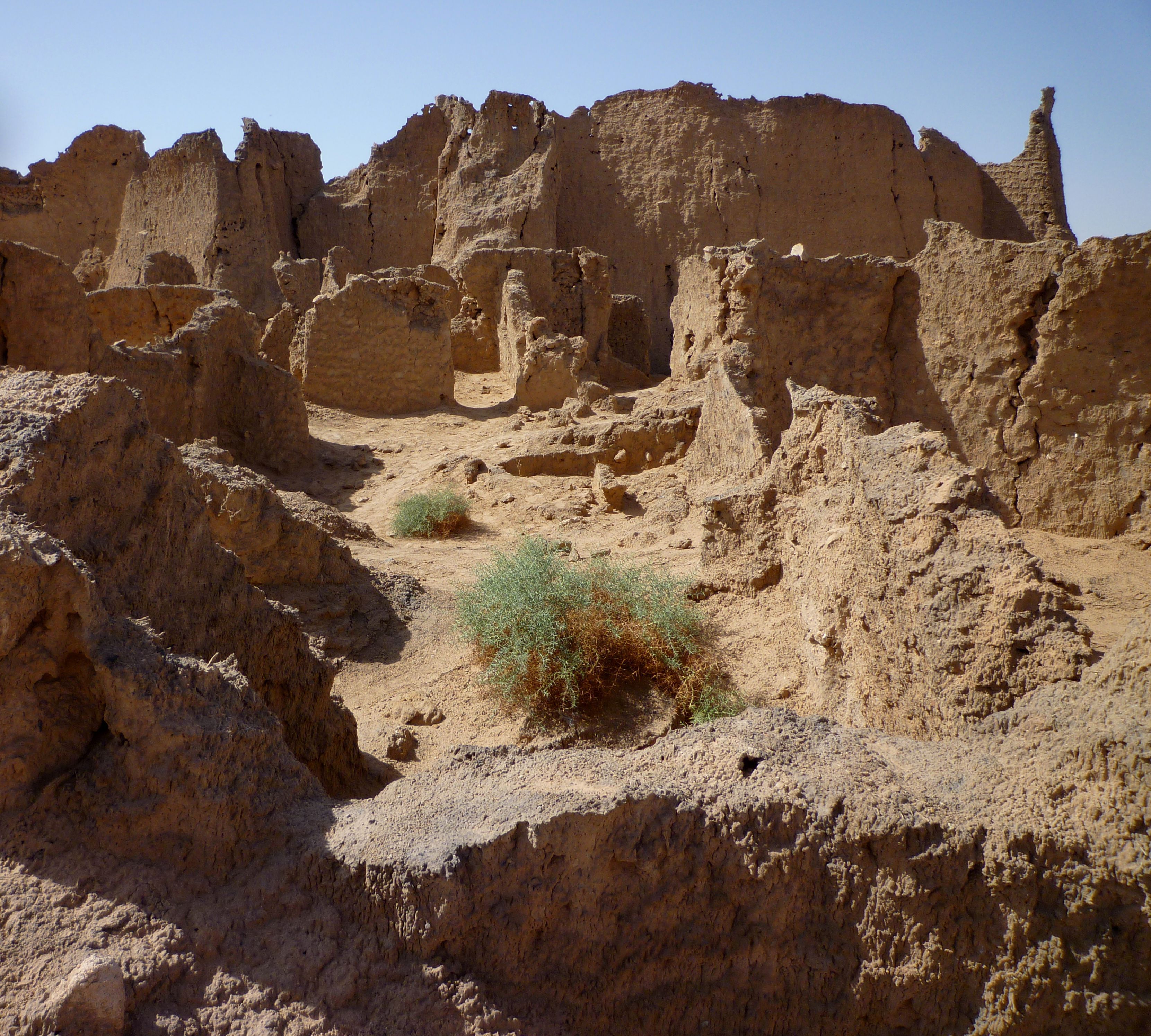
Germa
Ancient Garamantian capital in Sahara Desert
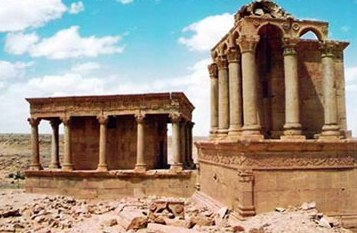
Gerisa
Ancient Roman city with agricultural structures
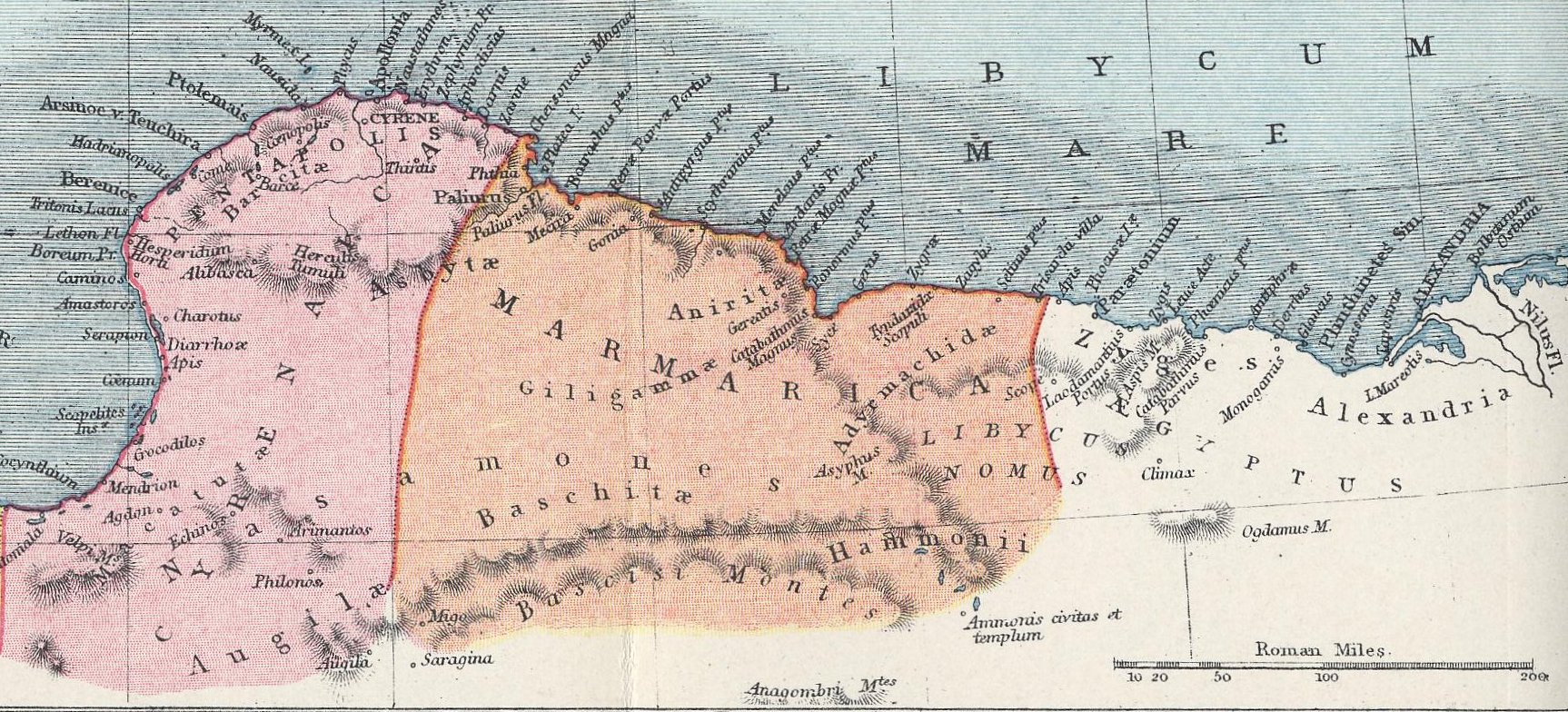
Ptolemais, Cyrenaica
Ancient city with well-preserved ruins.