
Explore the Map
Cyrene, Libya
32.8250° N, 21.8581° E
About
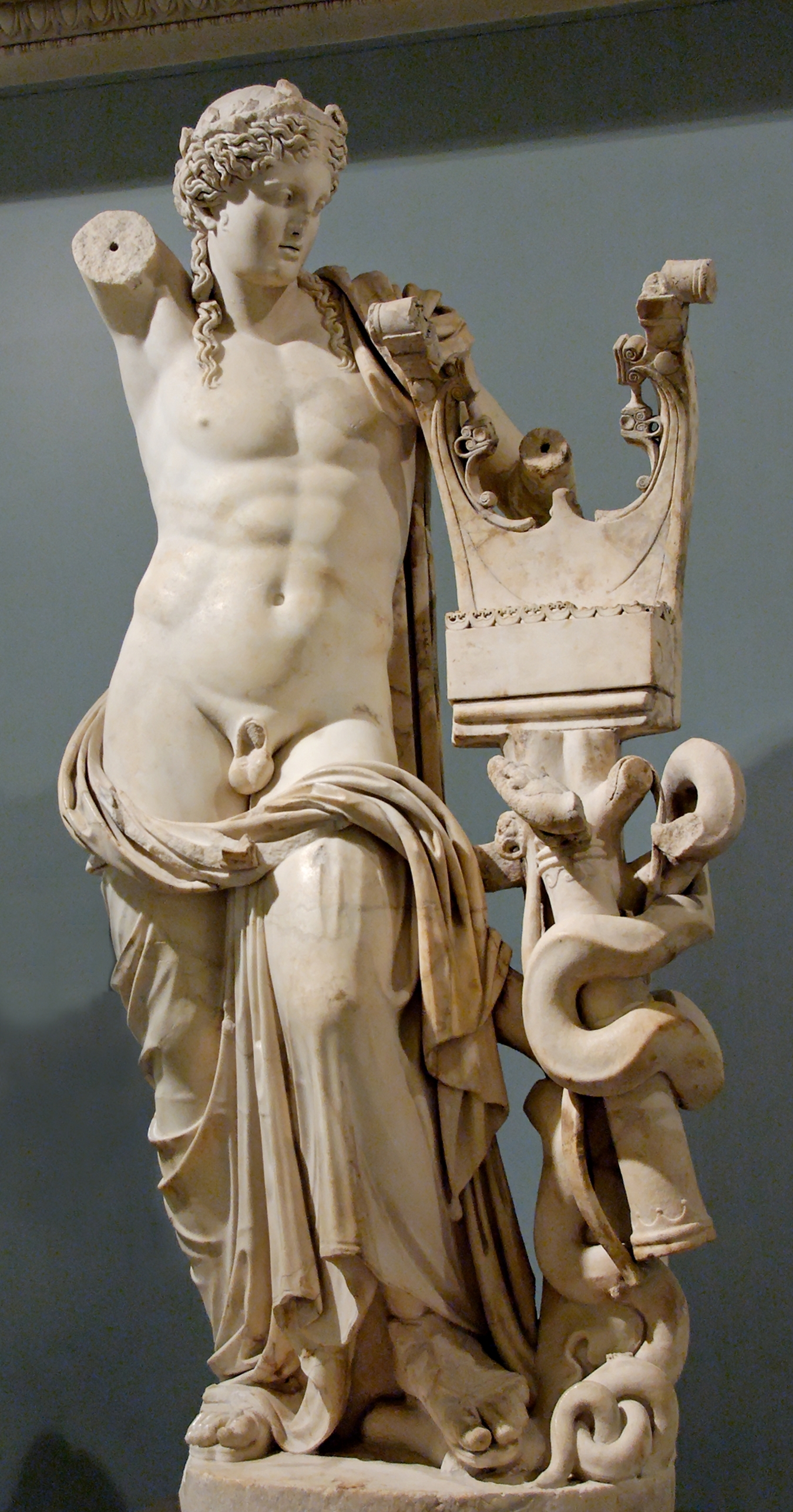
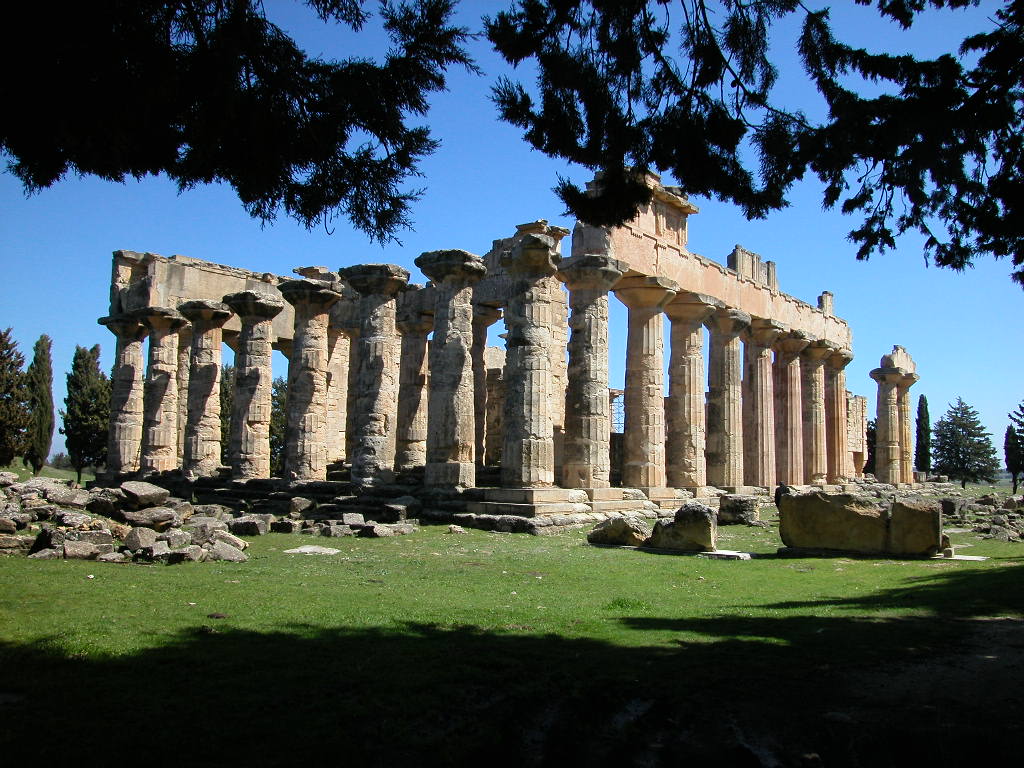
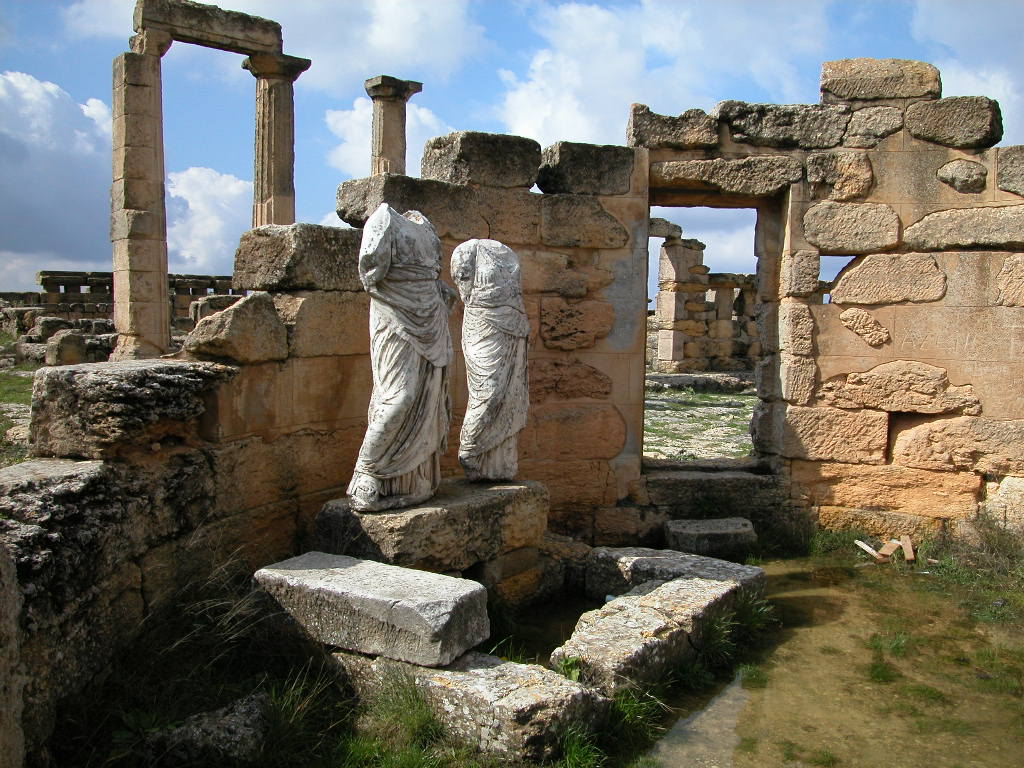
Cyrene, located in present-day northeastern Libya, was a prominent ancient Greek and Roman city established by Greek settlers from Thera in the 7th century BCE. The city flourished under Greek and later Roman control, known for its monumental architecture including temples, a large necropolis, and public spaces such as theatres and marketplaces. Cyrene was a center for trade, intellectual pursuits, and religious activities, housing several significant temples and being associated with the Cyrenaic school of philosophy. The city faced multiple destructions: first by the Jewish revolt in 115 CE and later by an earthquake in 365 CE. Despite these events, Cyrene continued to be inhabited into the early Byzantine period before being abandoned after the Muslim conquest.
Gallery
Explore photographs of ancient structures, artifacts, and archaeological excavations
Historical Timeline
Journey through time and discover key events in this site's history
Foundation of Cyrene
631 BCE
Battle of Irasa
circa 570 BCE
Persian Involvement
515 BCE
Roman Control Established
96 BCE
Diaspora Revolt Destruction
115 CE
Earthquake Devastation
365 CE
Archaeological Features
Unique architectural and cultural elements found at this historical site
Water Management Features
Public and Civic Structures
Burial and Funerary Structures
Religious and Ritual Structures
Artistic and Decorative Features
Domestic and Habitation Structures
Frequently Asked Questions
Plan Your Visit
Tours, travel arrangements, and practical information
More Sites in Libya
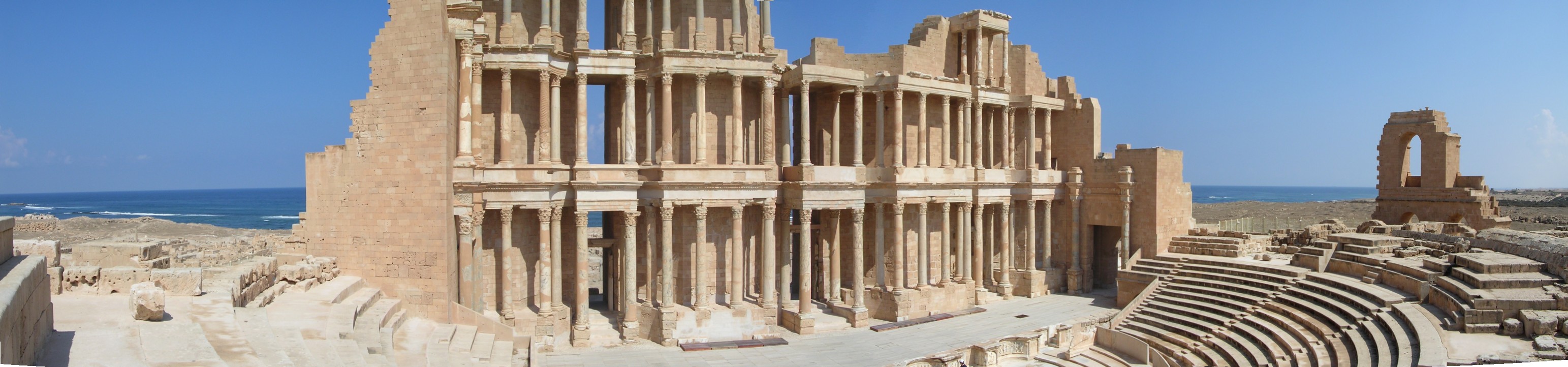
Sabratha
Ancient city with Roman and Byzantine ruins.
Leptis Magna
Roman port city in Tripolitania, Libya
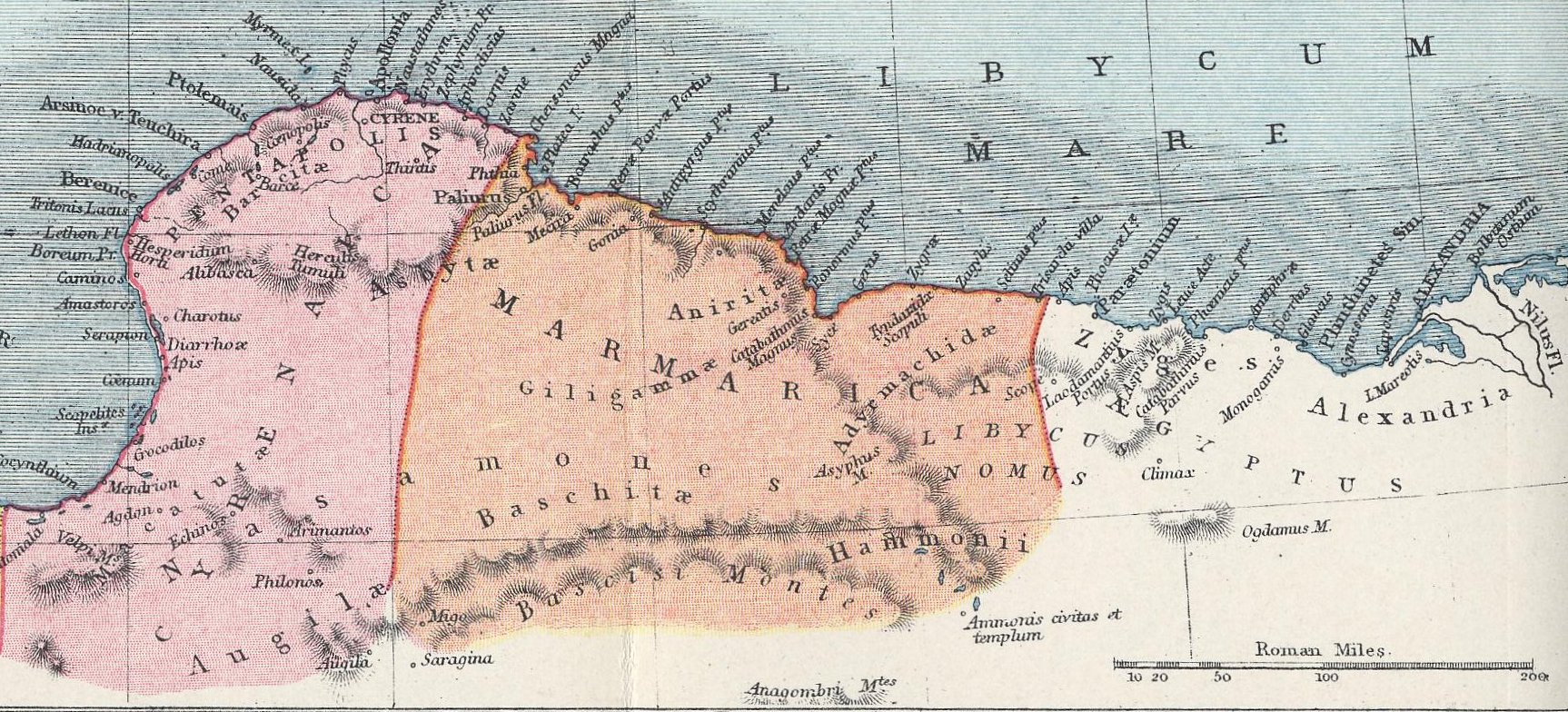
Ptolemais, Cyrenaica
Ancient city with well-preserved ruins.
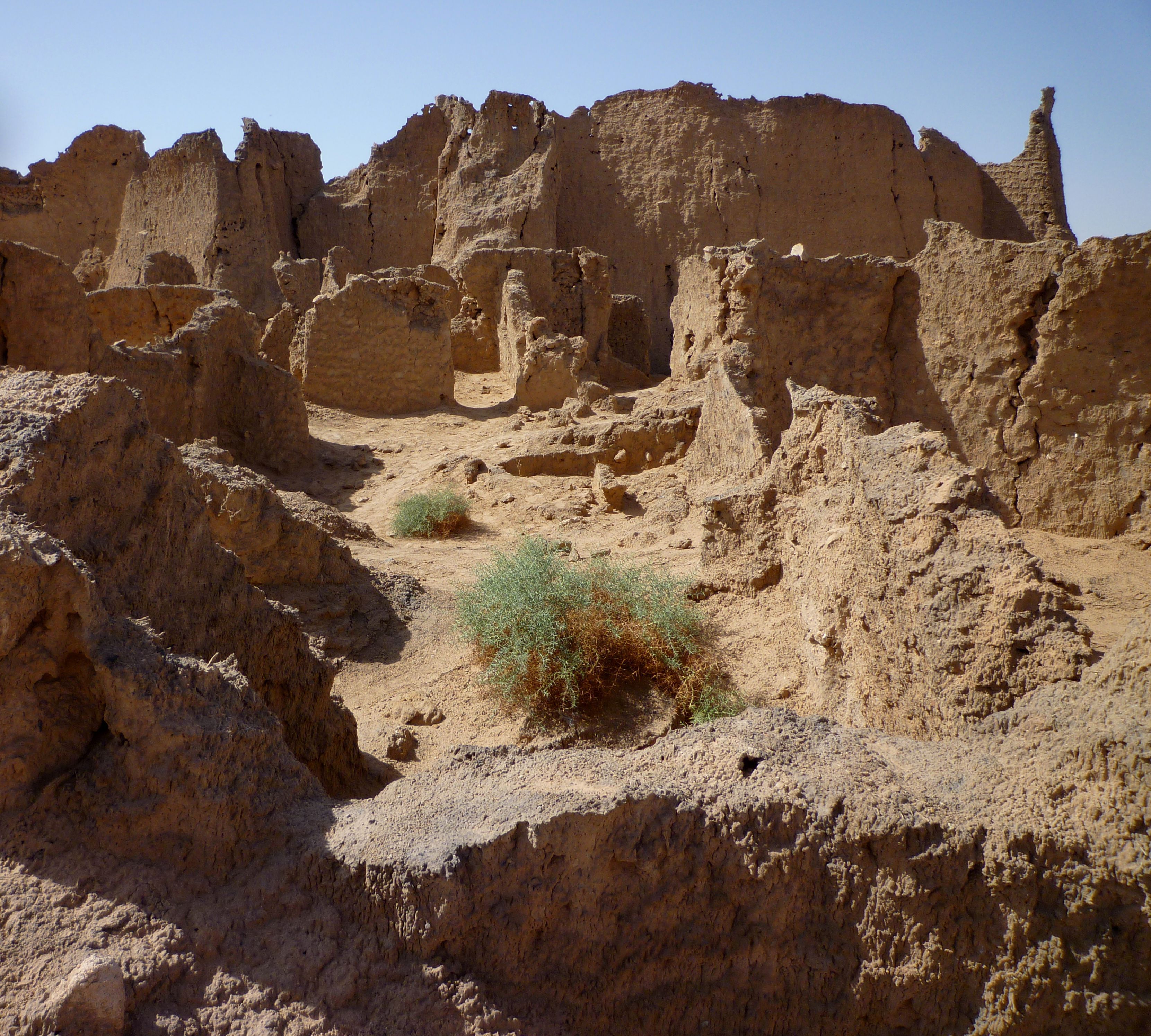
Germa
Ancient Garamantian capital in Sahara Desert
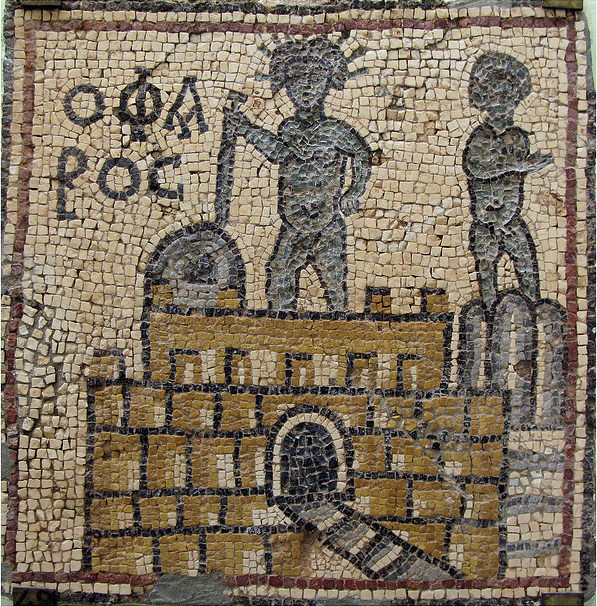
Olbia, Libya
Byzantine town with mosaic churches
Gerisa
Ancient Roman city with agricultural structures