
Explore the Map
Sabratha
32.7922° N, 12.4842° E
About
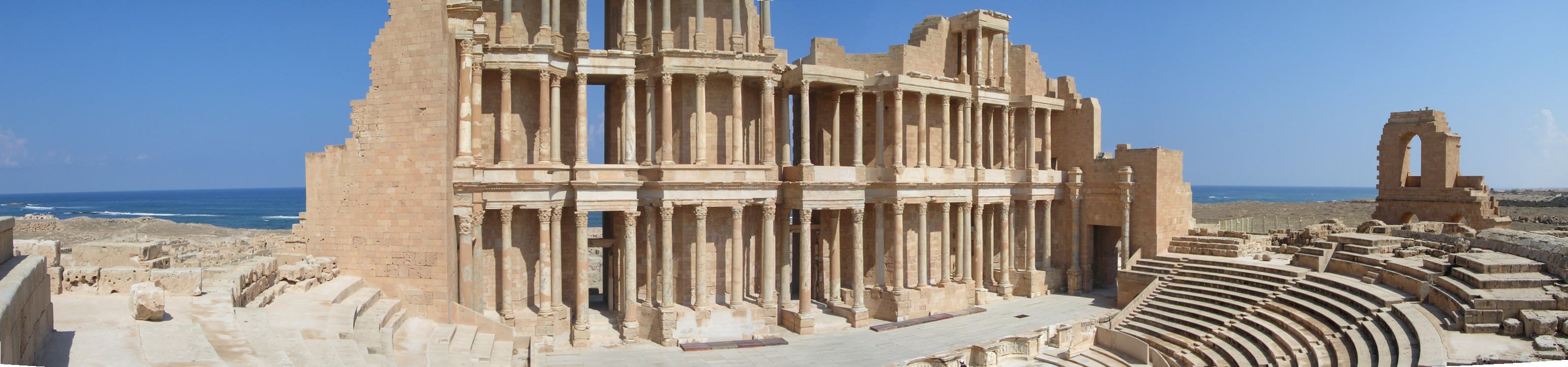
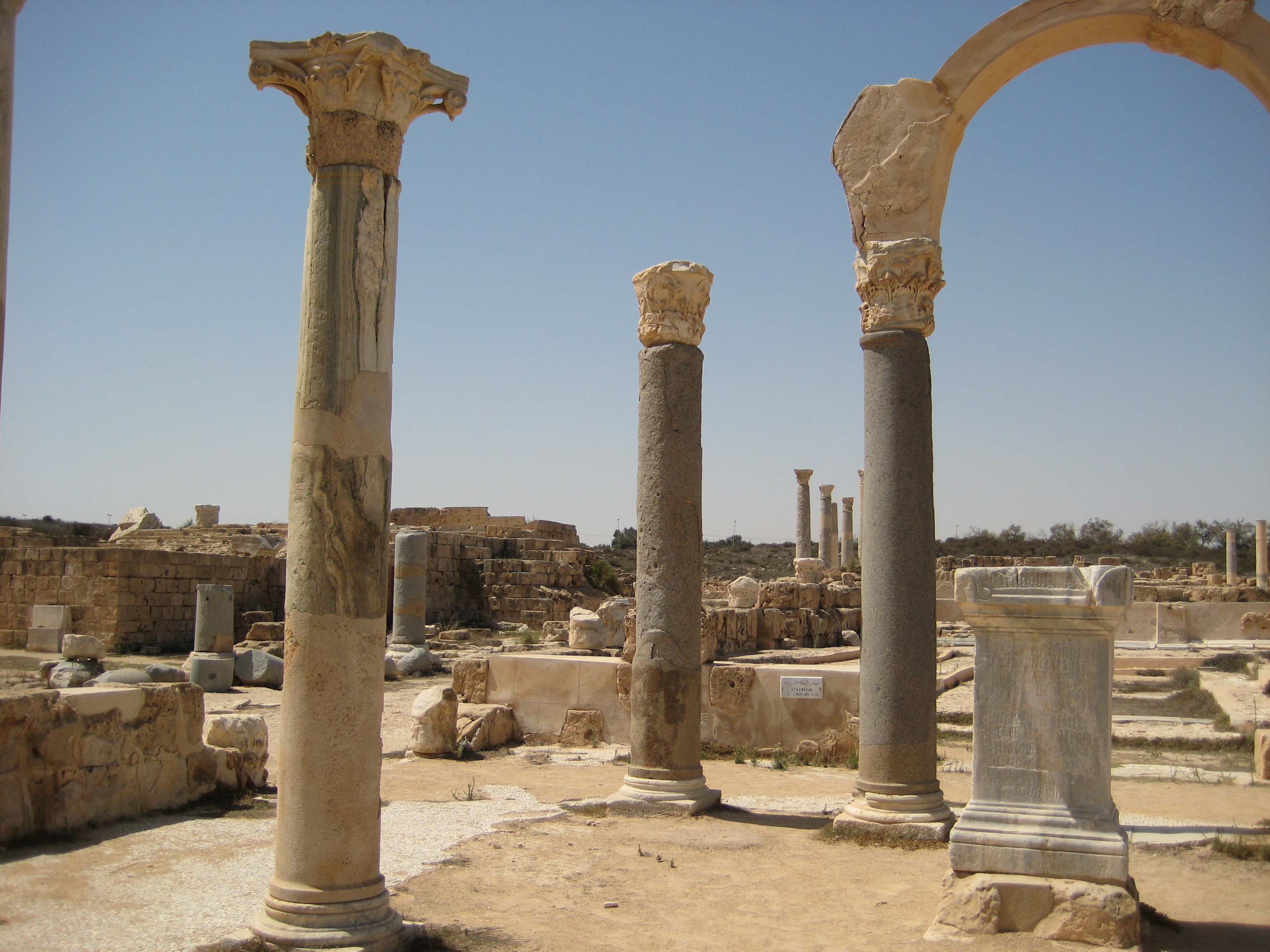
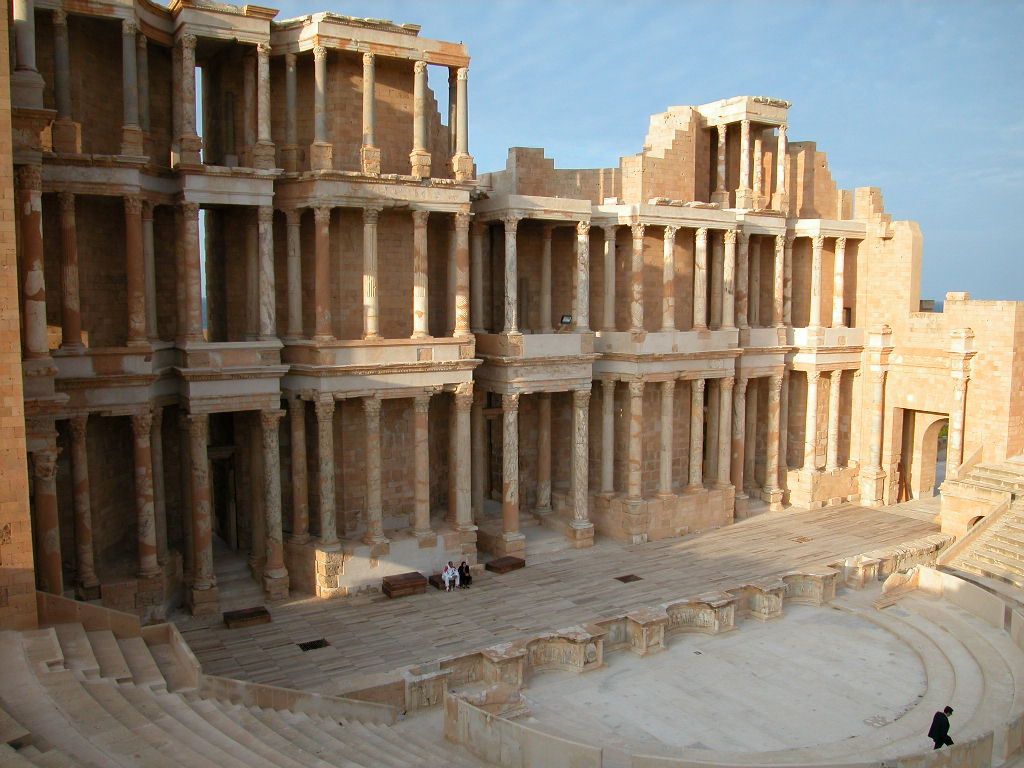
Sabratha, located on the Mediterranean coast west of Tripoli, Libya, is an ancient city with rich archaeological significance. Established around 500 BCE as a Phoenician trading post, it later fell under Carthaginian influence and became part of the Roman Empire following the Punic Wars. The city was significantly romanized during the 2nd and 3rd centuries CE, reaching its architectural peak under the Severan dynasty. Notable structures include Roman temples, public baths, a theatre, and vibrant mosaics, reflecting the city's prominence in Roman North Africa. Sabratha suffered substantial damage from a 4th-century earthquake but experienced a brief revival under Byzantine rule in the 6th century. Following the Muslim conquest of the Maghreb, the city declined and trade shifted elsewhere. Despite erosion challenges, Sabratha remains a key site for understanding the region's ancient history.
Gallery
Explore photographs of ancient structures, artifacts, and archaeological excavations
Historical Timeline
Journey through time and discover key events in this site's history
Phoenician Establishment
500 BCE
Severan Peak
200 CE
Romanization and Rebuilding
200 CE, 300 CE
Earthquake Damage
365 CE
Byzantine Revival
500 CE
Decline after Muslim Invasion
700 CE
Archaeological Features
Unique architectural and cultural elements found at this historical site
Public and Civic Structures
Religious and Ritual Structures
Artistic and Decorative Features
Frequently Asked Questions
Plan Your Visit
Tours, travel arrangements, and practical information
More Sites in Libya
Leptis Magna
Roman port city in Tripolitania, Libya
Cyrene, Libya
Ancient Greek and Roman city remains
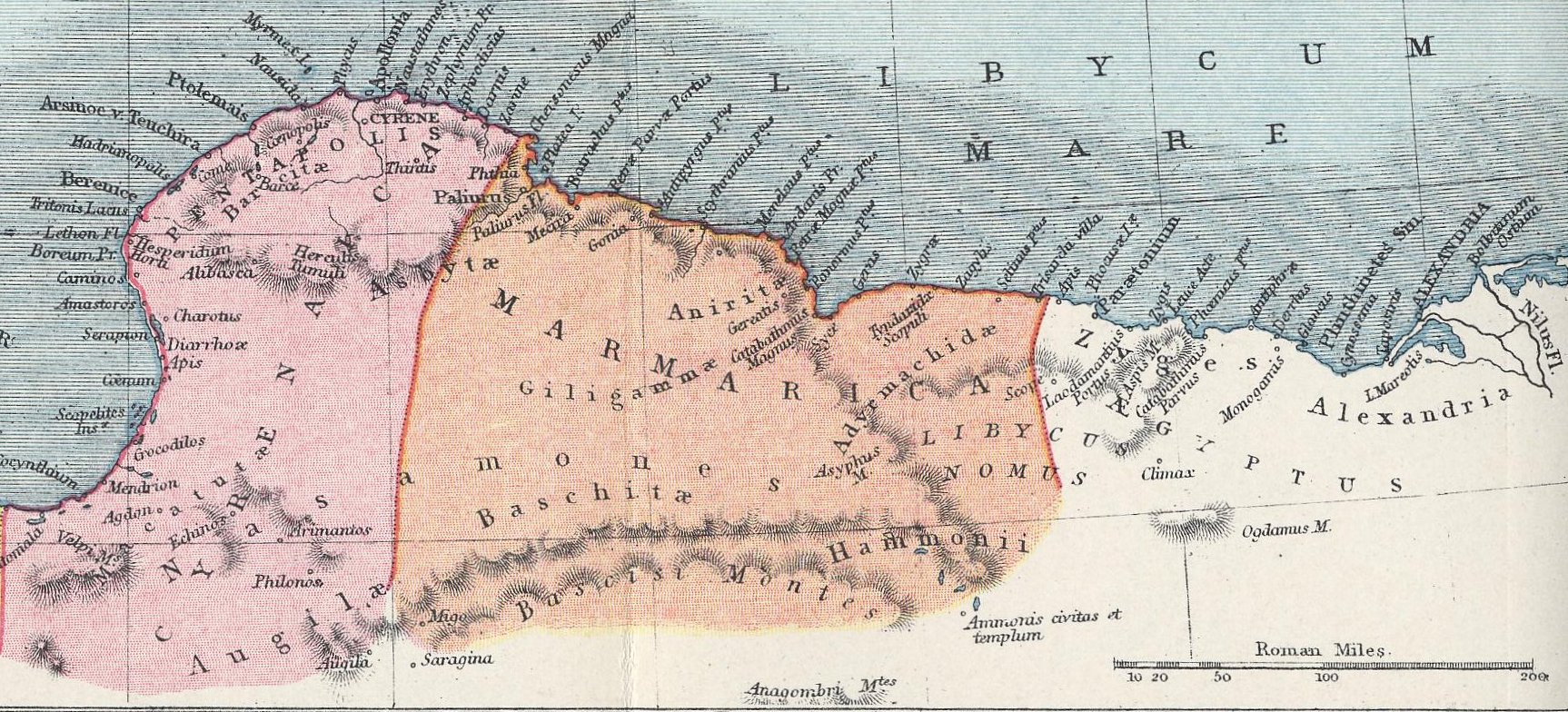
Ptolemais, Cyrenaica
Ancient city with well-preserved ruins.
Extramural Sanctuary of Demeter and Persephone, Cyrene
Terraced sanctuary with temples and votive artifacts
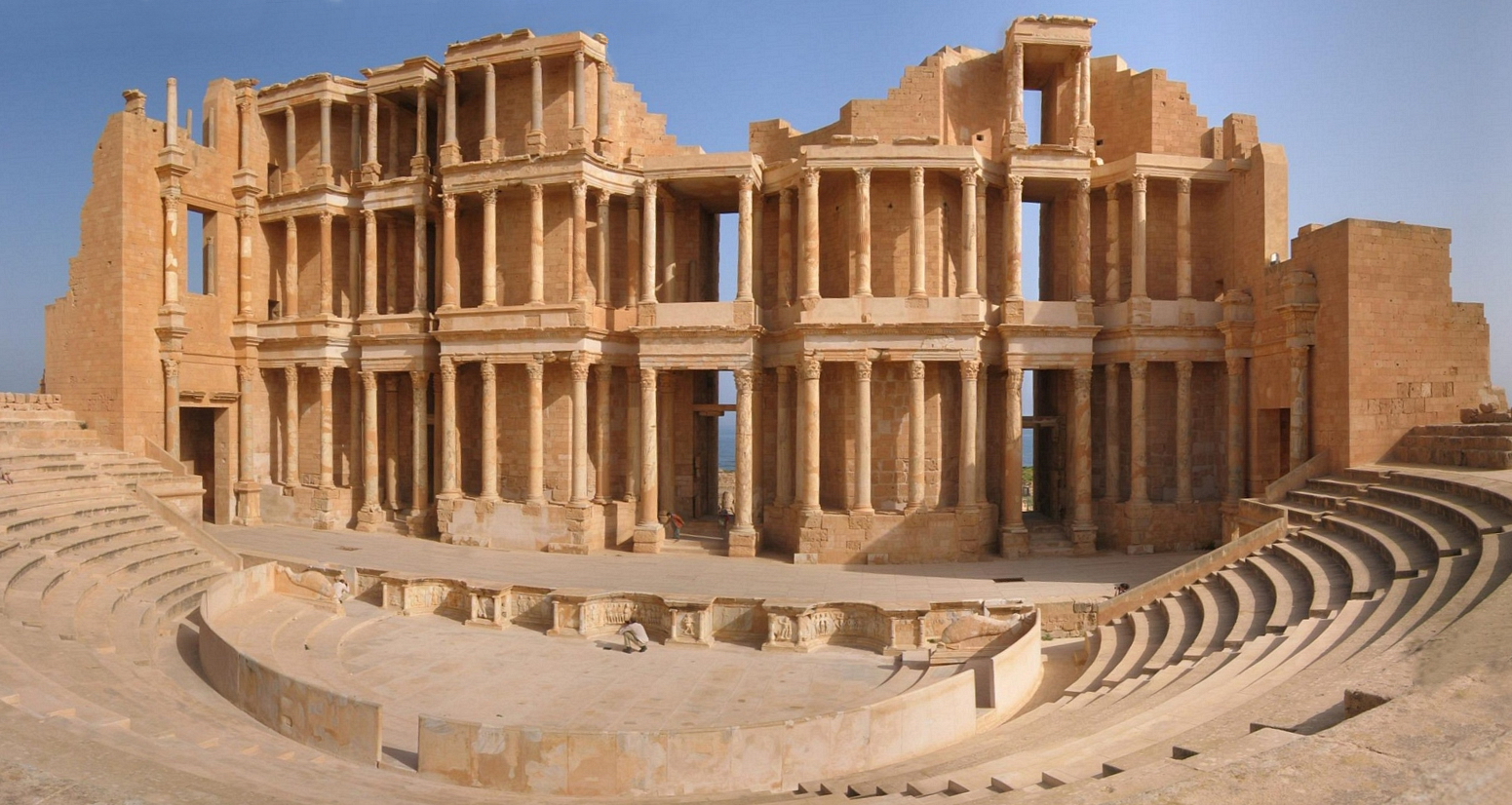
Archaeological Site of Sabratha
Excavated Roman and Numidian city in Libya
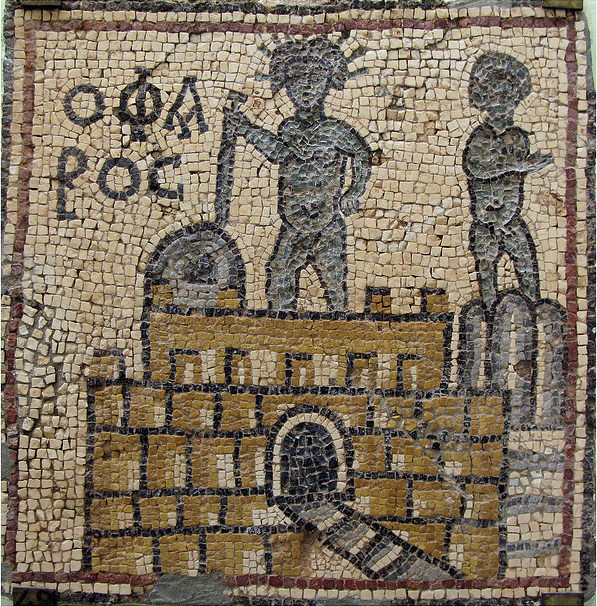
Olbia, Libya
Byzantine town with mosaic churches