Explore the Map
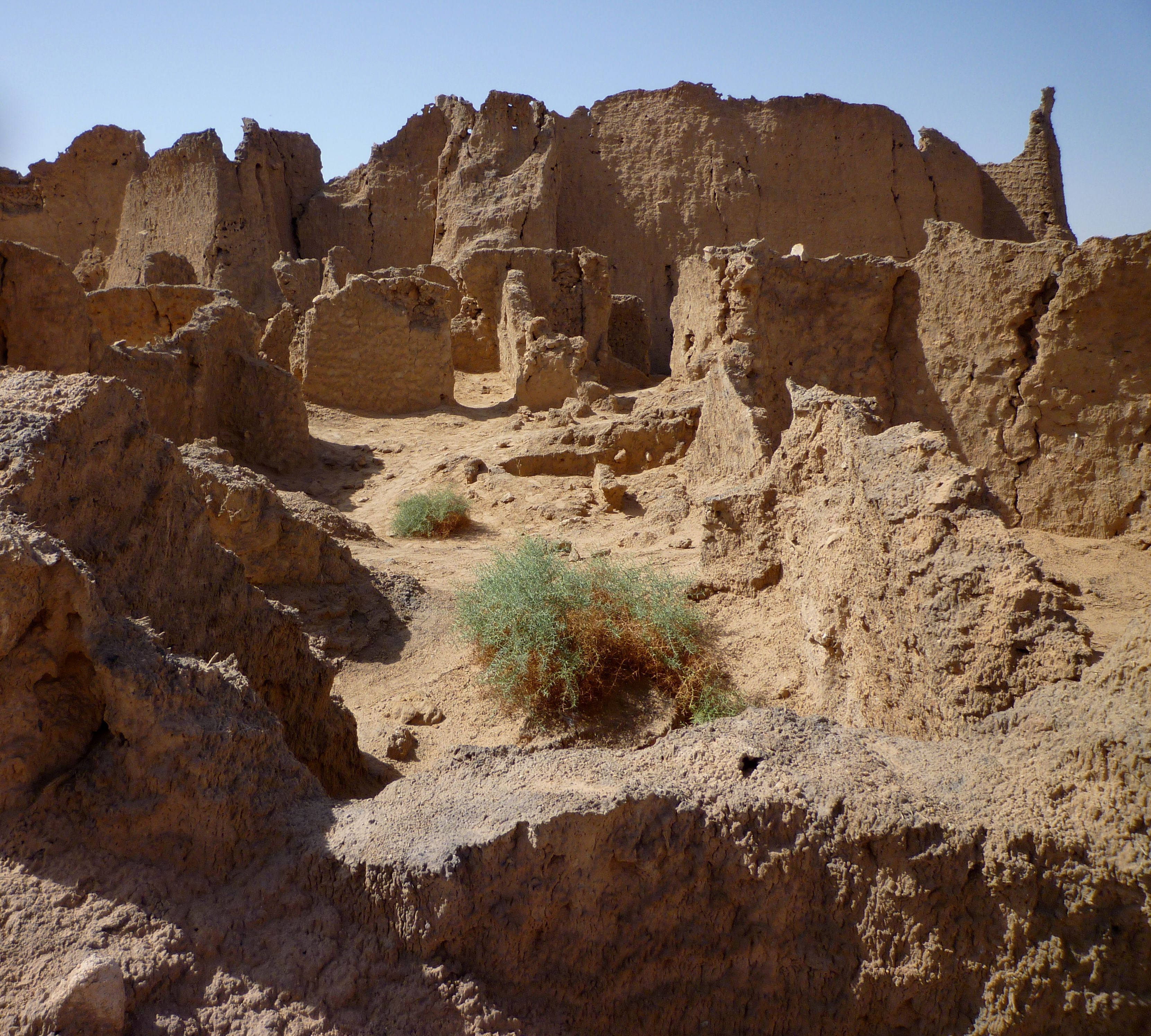
Germa
26.5440° N, 13.0640° E
About
Germa, known as Garama in ancient times, was the capital of the Garamantian Kingdom located in the northeastern Sahara Desert within modern-day Libya. The site was a significant hub during the Late Classical Period, serving as a fortified town with a population of about four thousand inhabitants and additional settlements nearby. The Garamantes, a Berber-speaking people, used this site as their base to conduct raids against the Roman Empire, taking advantage of their strategic location in the desert. The Romans, under Emperor Septimius Severus, briefly captured the city in 203 CE. However, it was eventually conquered by Uqba ibn Nafi during the Arab expansion in 669 CE. The archaeological features, including remnants of towns and villages, reflect its historical importance as a center of power and trade in the region.
Gallery
Explore photographs of ancient structures, artifacts, and archaeological excavations
Historical Timeline
Journey through time and discover key events in this site's history
Garamantian Power Peak
2nd century CE
Roman Capture of Garama
203 CE
Arab Conquest
669 CE
Archaeological Features
Unique architectural and cultural elements found at this historical site
Defensive Structures
Domestic and Habitation Structures
Transportation and Communication Structures
Frequently Asked Questions
Plan Your Visit
Tours, travel arrangements, and practical information
More Sites in Libya
Apollonia (Cyrenaica)
Greek harbour city and Byzantine ruins, Cyrenaica, Libya
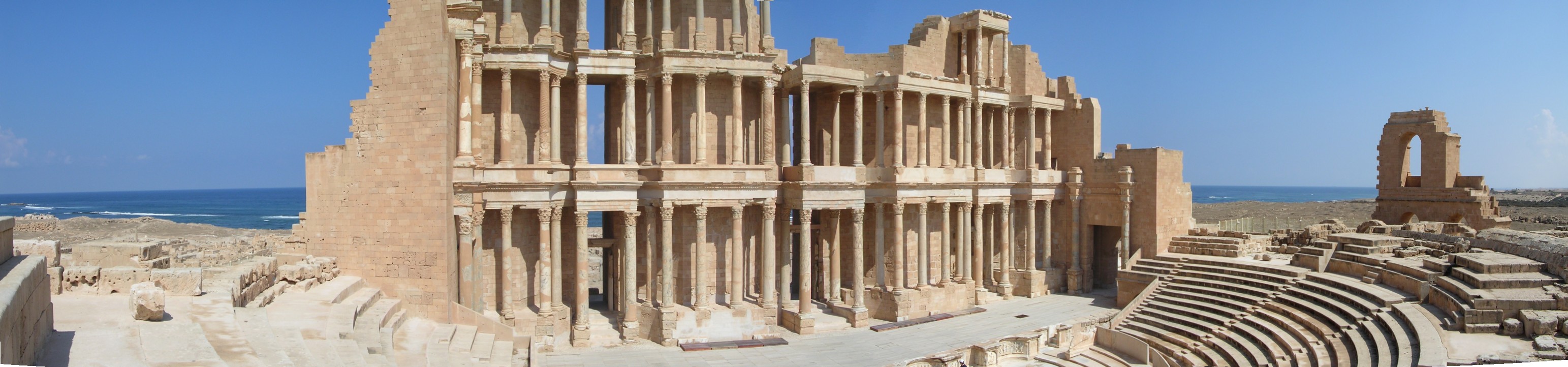
Sabratha
Ancient city with Roman and Byzantine ruins.
Mausoleum of Gasr Doga
Imposing first-century Libyco-Punic mausoleum
Leptis Magna
Roman port city in Tripolitania, Libya
Gerisa
Ancient Roman city with agricultural structures
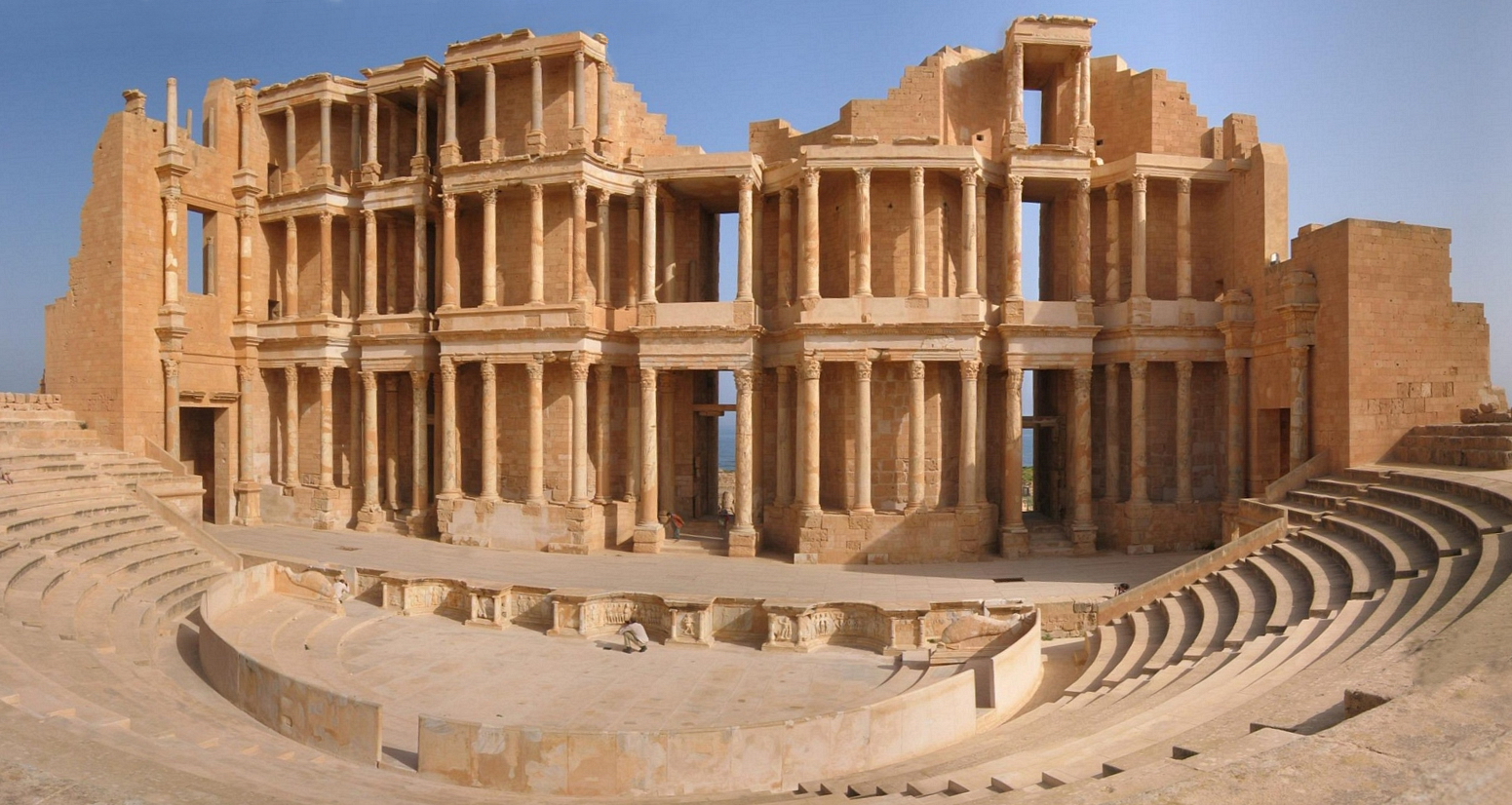
Archaeological Site of Sabratha
Excavated Roman and Numidian city in Libya